I don’t write as much about the 80s these days, possibly because the media has shifted their nostalgic articles and stories from that decade to the one that follows. So I have decided to combine both decades in this one post. Hey it’s my annual indulgence, so bear with me. 🙂
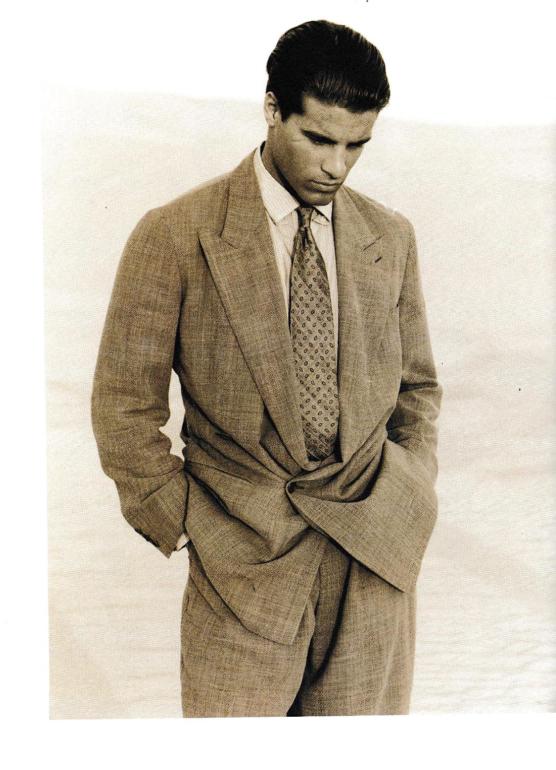
The fashion giant Giorgio Armani passed away last week. While his greatness spanned decades, he really dominated the 80s with his flowing and beautifully cut clothing. There was a number of things written about him on the day of his death, but this piece in Wallpaper I found was the best. I’d also recommend this older piece that explains why 80s Armani still matters. And while I was a huge fan of his back in the 80s, as this piece in the New York Times showed, the man never stopped.
I was not the only fan of Armani obviously. Scott Schuman a/k/a The Sartorialist had a special Instagram account dedicated to him. Worth visiting.
If you are in the mood for more great photos of the 80s, I think this photo essay is excellent: the 1980s turned out to be magic… david bailey on the era of excess in pictures.
Not as many photos in it, but this essay on The Cameron Public House and 1980s Toronto is a fine remembrance of the beginning of an era at that famous Torontoian establishment. Another famous Toronto establishment, By the Way cafe, also began then. Sadly that restaurant will be closing after 40 years. It won’t be quite the same on the corner of Bloor and Brunswick with it gone.
If you want to know what we were eating in the 80s, read this. If you want to know what were listening too, go here.
One of the people I was listening to back in the day was Tracey Thorn. Nowadays she has a reoccurring column in The Independent where she writes about our current times, such as this: seeing endless faces in the city brings me comfort and relief. Always worth a read. Check out her books too.
Did Tracey Thorn go to clubs like the Limelight in London? Possibly. Did I go into one of the clubs that Sharon Smith captured with her polaroids of NYC nightlife in the 1980s? Definitely. Was I happy to see ‘The Breakfast Club’ stars reunite for the first time in 40 years? You know it. Am I glad that Giancarlo Esposito found happiness and success after a difficult struggle? Most certainly.
Moving from the 80s nightclub scene to the 90s, I give you this story on the famous cafe tabac in NYC. If you had gone during that time, you might have seen Kate Moss there. Zara had a special collection devoted to her not so long ago: Collection Kate Moss. This led to coverage in places like British Vogue and The Guardian. It may be the reason why someone decided to write this: why fashion keeps selling us the 90s.
PeeWee Herman was another celebrity who rose to the top in that era. Even if you are not a fan of the 90s or Herman, I recommend a recent documentary on him…it’s brilliant.
Finally, here’s a piece on technology that was big at the end of the 20th century. Also big at the end of the 20th century: Friends. For fans of that 90s show, here a recent review of friends at 30…inside story writers and producers tell all. More friends at 30 sitcom cultural phenomenon here.

:format(webp)/cdn.vox-cdn.com/uploads/chorus_image/image/66306749/la_buvette_paris.0.jpg)
 Smart People I Know