
Essays on aging, from Oliver Sacks, on my birthday


It’s my birthday. I’m into my seventh decade. Born in ’61, now 61.
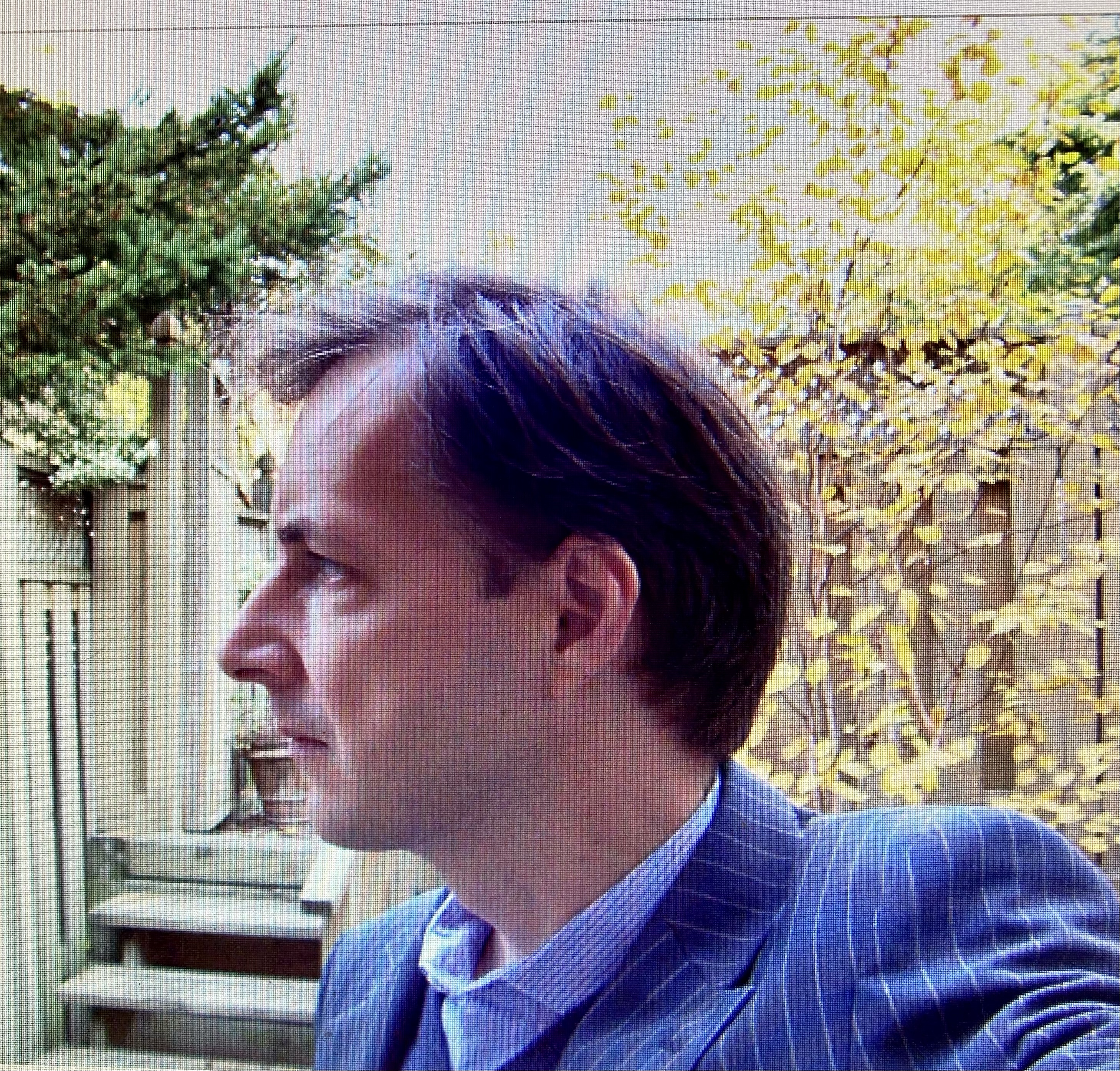
 

My first decade was one of being shy and smart and tall and skinny and bullied. My second decade was one of growth: growing out of everything, from my clothes to my hometown. Cruising into my twenties I became independent and anxious and happy. By my thirties, I became responsible. In my forties, I became lost. In my fifties, I was crushed.

I expected worst things still to fall on me in my sixth decade, and I was surprised instead by things that uplifted me. Where I will land in my seventh decade, I don’t know. On good days I look to remain open, on bad days I hope for a close.

In all that time, with rare exception, I have taken off every day since I started working in the early 80s. Often those free days were filled with simple pleasures. Mixed in with that was some contemplation.

I think two good things to contemplate on this day are these two essays by Oliver Sacks. One was written when he was still vibrant and turning 80: Opinion | The Joy of Old Age. (No Kidding.) in The New York Times. The second one when he was dying of cancer not much more than a year later: Opinion | Oliver Sacks on Learning He Has Terminal Cancer, also The New York Times.

What impression they will leave on will depend on your current perspective. I encourage you to move around, literally and figuratively, to have to best perspective on life that you can have. The days will be what they are, regardless. How you perceive them depends on where you stand and how you look out.

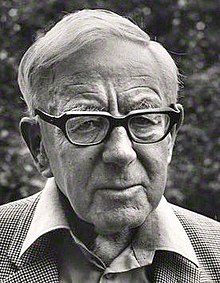
AJP Taylor, on Winston Churchill

So there’s a new article/book critical of Churchill, and like most anti-Churchill work, it fails by emphasizing his faults and diminishing his accomplishments.

Of the many things I’ve read on Churchill, the one thing that convinced me of his greatness despite everything else is this 1974 essay by AJP Taylor: Daddy, what was Winston Churchill? – The New York Times. Taylor’s essay succeeds because he clearly sees Churchill for what he is. He sees a man who goes from an outcast to an unrivaled leader, his people fully behind him. He sees a leader making many mistakes but succeeding on the one essential thing he had to do. He understands how much worse the world would have been if he, and those he led, had failed. And after you read that essay, you should see and understand that too.

The criticisms of Churchill’s many failures are valid. But the one thing, the most important thing he did, leading the defeat of Hitler and Nazi Germany, should never be diminished.

Indeed, as Taylor starts his essay:

On Jan. 24, 1965, there died Winston Spencer Churchill, Knight of the Garter and, if he had not refused the title, Duke of London. Six days later he was given a state funeral in St. Paul’s Cathedral, an honor previously reserved for two great men of war — Admiral Lord Nelson, victor at Trafalgar, and the Duke of Wellington, victor at Waterloo. What brought Churchill into this select company? The men of the time had no doubt as to the answer. He was the savior of his country, the first Englishman to be so hailed since King Alfred the Great.

Perhaps Churchill’s stature will crumble under a constant eroding criticism. It has happened to other leading historical figures of England and it could happen to him. What should not be forgotten or diminished is what he accomplished in a way only he could have accomplished it. It’s an inconvenient truth for some. But it is a truth that will remain.

P.S. That essay also appears in a fine collection of Taylor’s works, Essays in English History. I highly recommend it. Among other things, it has a great cover. Like Cromwell, Churchill will remain relevant for centuries to come. Warts and all.

(Top image from Wikipedia. Bottom image from Goodreads.)