

I’ve been thinking of this commandment, ““taking care of yourself is not optional” ever since I read it on an email from Mike Monteiro’s newsletter. I think that is an important commandment to abide by, especially as you get old.
When you get old, it is temping to think taking care of yourself doesn’t matter. Why bother, you think. You don’t have that many years anyway.Why waste your time on that when I have so little time as it is. Besides, no one cares.
But here’s the thing: people do care. You don’t know how many years you have left, and you never have, even when you were younger and you did take care of yourself. And if you don’t take care of yourself, that little time you have might be miserable due to your neglect of yourself.
If you argue that “I don’t believe in all that self-care goopy nonsense”, consider that taking care of yourself doesn’t have to mean meditation and massages and whatever else new age beliefs you may be rejecting. Taking care of yourself can just be the basics: get some good sleep habits, some good eating habits, add some good hygiene habits, plus a bit of exercise too, even if it is walking regularly. If you have all that going on, then you can extend that out to taking care of the environment you are in and the relationships you have, because that comes back to taking care of yourself, too. Have you been to the doctor lately? If not, get checked out. Dentist? Do that too.
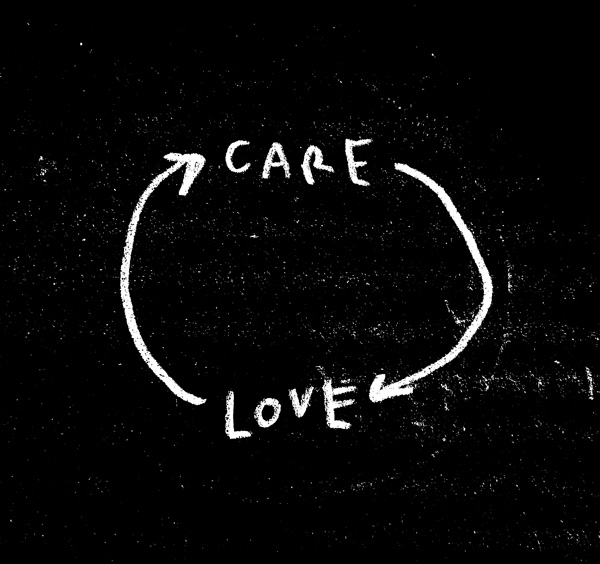
Here’s another thing. Taking care of yourself sends a message, to others and yourself. The message is, you matter. You have value. You are precious, even. So start acting like it.
Start taking care of yourself. It’s not optional.

 Smart People I Know