New analog cameras in a digital world

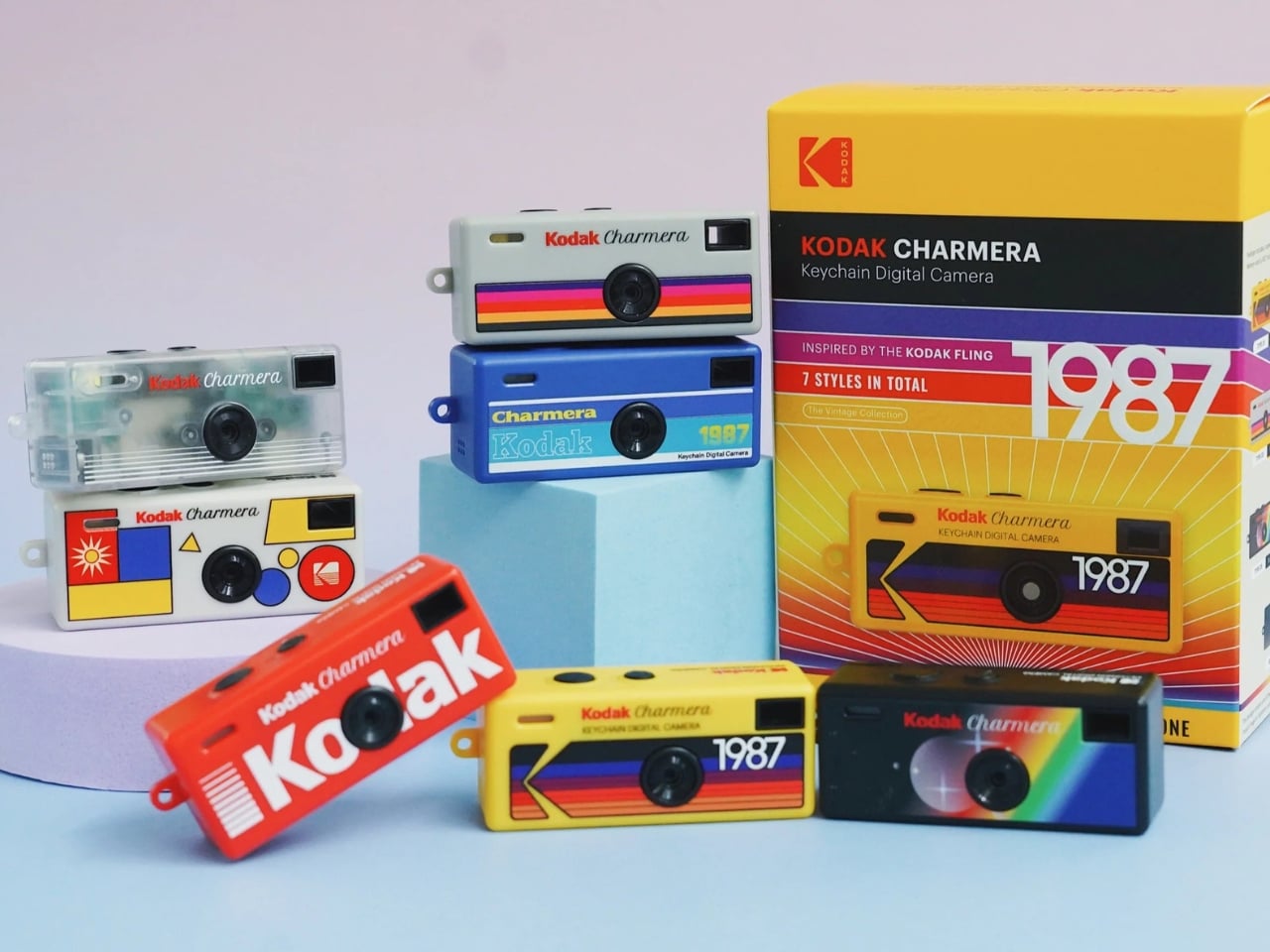
It feels odd to write about analog cameras these days. They seem old fashioned and out of date to someone like me. Perhaps that’s why young people embrace them. If you too would like to embrace them (or at least know more about them), Yanko Design has two recent articles you might want to check out:

  1. a translucent analog camera (very 90s)
  2. a tiny retro camera from Kodak

Kodak even has a translucent one in their mix, because why not.

Do they take good photos? I guess “good” is in the eye of the beholder/photographer. Still, worth a look.

Everything but the Girl, in three times

After 24 years, one of my favorite bands has released a new album. It’s incredible that not only has this happened after a quarter of a century, but that it has managed to do so well. It’s incredible and fantastic.

Leading up to the release, they’ve received some great reviews and lots of good press. You can read some of that here in the New York Times, or in the Guardian (here and here), or Pitchfork.

With the release of this new album, I can think of them as being of three times. One time is Now, of course, in the 2020s. A second time is the 1990s. In that time they were at their peak. Here you can see them performing in 1999, just before what I thought was then end (as no doubt many people did):

The third time – the 1980s – is the time I remember them most fondly. That was the time they were just starting. Here’s some rare footage of them from then:

Pick up Fuse when you can. Meanwhile, if you are a Spotify user, here’s their Complete Discography, I believe. Give Fuse and more a listen, there.

A reminder of how great WiReD magazine was, and how often wrong it was….

A reminder of how great WiReD magazine was — and how often it was wrong — can be found in this fine piece by Dave Karpf: A WIRED compendium.

I bought the first copy of WiReD when it came out, and was a buyer and collector for some time. It was everything I loved in a magazine: smart and stylish and full of ideas.

WiReD was a perfect title for it too. The publication was about how the world was becoming interconnected through the rapid build out of the Internet, but it was also about how our brains were changing as a result of it. It covered both of those areas well.

Dave’s piece also covers some of my favorite things it got wrong, from the promise of PUSH technology (companies HATED Pointcast for flooding their networks and soon worked to shut that it down) to digitally encoded smell (right?? yeah, no) to a cover on how Second Life was the future (hey, I thought that too).

WiReD got plenty right, too. But more than right or wrong, it captured the zeitgeist of the 90s and early 2000s and generally provided insights into how information technology was affecting us.

If you have only read the magazine recently, you might not get what the fuss was all about regarding it. Check out that summary from Dave Karpf: you will get a history lesson and hopefully a glimpse of WiReD and why it was so great.

(For more on it, I also recommend Wikipedia)


On Apple, the Newton, the 90s and me

500

For people in this time, it’s may be hard to imagine Apple as anything other than a tremendously successful company. But in the 90s, it was the opposite. Under John Sculley and others, it was a company in major decline and all but at death’s door before Steve Jobs came back.

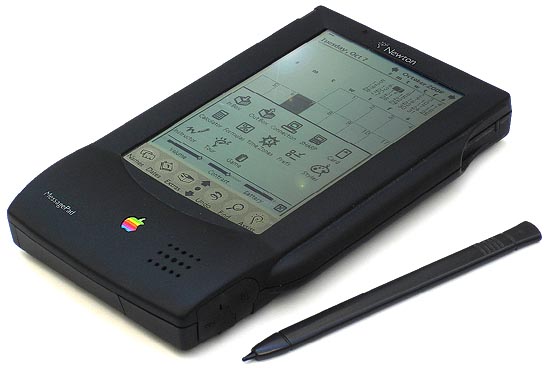
In some ways the Newton you see above was emblematic of that time. It was a device that Apple tried to use to regain the magic that it once had. It failed, but in some ways it was a glorious failure. (The Powerbook also came out at that time and it was a fine machine but the problems of Apple were baked into it.)

I’ve always had a fondness for the Newton, and wanted one for a long time, even though I could not justify getting one. And then Jobs returned and tossed it in the bin like so much crumpled paper. It was a smart decision, but a sad one for me.

That’s why I was really interested to read this recently: The Newton at 30. It’s a great rundown on that device. Reading it, I was happy to see that some of the original ideas found in the Newton later made their way into other mobile products from Apple. Good ideas deserve a home, even if they were never going to find that home in the Newton.

In the 90s I had a small role in developing IBM software that ran on Macs and that allowed our customers to access our IBM Global Network via a Mac. I loved building Apple Software, even if it was a nightmare at times. (Writing software for a rapidly declining company is no easy thing.) At the time I got to work on the Powerbook 1400 and 3400 and hang out at Apple and play around with the emate 300. It was a good time despite the difficulty. I never got a Newton then, thought I got close.

Later in the second decade of the 21st century I finally got to buy my own Newton! Mint condition, from Kijiji. 100+ bucks! Funny, a device that was so cutting edge when it first came out seems so limited now! It was a good reminder how fast technology moves. I was still glad to have it. It’s a wonderfully collectable device.

For more on the Newton, click that link.

Happy Anniversary, Newton. You were truly ahead by a century.

On the passing of filmmaker Alan Parker

Alan Parker just died. If you grew up in the last quarter of the 20th century, odds are very good you’ve seen one of his films, if not several. You may not even realized you did. He wasn’t a fan of the auteur idea of being a director, and that likely resulted in him not making films in a consistent way. Which is fine, since he made many a good film. The New York Times has done a wonderful thing and put together a list of some of his most well known films and where you can watch them online: Where to Stream Alan Parker’s Best Movies – The New York Times.

If you haven’t seen any of his films, now is your chance. Grab that list and go stream. I may rewatch “The Commitments”, one of the more enjoyable films from that time.