Venus if you will (What I find interesting in math and science, May 2025)


Venus

Here’s a number of pieces I’ve gathered in the last few months related to science and math that I found worth sharing. A few of them require deeper knowledge on the topic, but many of them are suitable for anyone to read.

in the area of space and astronomy:

Moving on to biology:

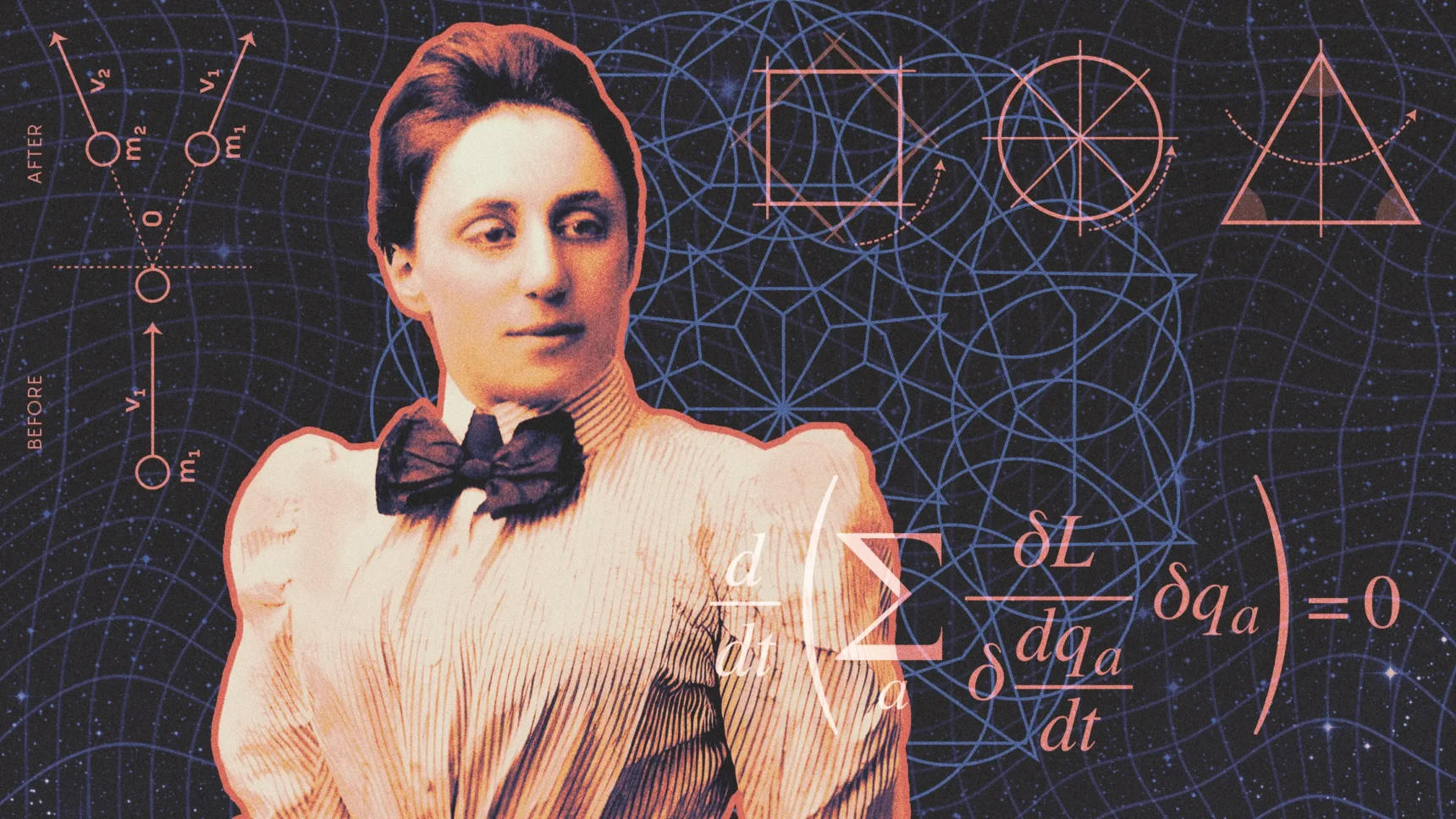
Emmy Noether

Regarding mathematics, physics and more:

(Photos – Venus, seen by NASA’s Mariner 10 spacecraft in 1974.Credit: NASA and Emmy Noether Credit: Kristina Armitage/Quanta Magazine)

Race to the moon! (What I find interesting in math and science, November 2023)

Space: Well there has been plenty of space missions in the last while.

India has made great progress with their space missions, including successfully landing on the moon. The New Times has a piece on their moon launch here. It’s an exciting development! You can read more on it here and here. And India is not just going to the moon: they have mission going to the center of the solar system. Great to see all this activity.

Unlike India, Russia has been less successful, with their spaceship crashing on the moon. More on that, here. Space is hard.

Meanwhile,  Japan is aspiring to be doing work on the moon, too. More on the all the participants in the moon race here.

As for private space exploration, the Times has a piece on an alternative group to SpaceX that are making progress here. Good: we need an alternative to Musk’s company. Speaking of alternatives, here’s more on  Virgin Galatic’s recent progress. And this asks the question: How long will Jeff Bezos continue to subsidize his New Shepard rocket? Maybe if NASA goes with this new way of doing  moon missions with his Blue Origin organization. 

In other space news, here’s something on the new crew for the space station. This is a new theory on galaxy mergers that could shed light on how galaxies evolve.

Other things on space that I loved was this piece:  Our Galaxy Is Home to Trillions of Worlds Gone Rogue. Also this dazzling view of the Milky Way from southern Africa. I love this too:  Microsoft has an introduction to Python programming by taking on assignments inspired by NASA scientists to prepare you for a career in space exploration. A great collaboration.

Here’s some less than loveable space story I read. For instance, this is bad:  Space junk is on the rise, and no one is in charge of cleaning it up. More on that, here. Also not good: what a long term mission in space does to the human body.

Physics: this is a good explainer on quantum entanglement. Relatedly, if you thought quantum mechanics was weird , check out entangled time.

Here’s something on a study combining continuum mechanics with Einstein’s field equations. Worthwhile.

last but not least, if you want to learn or relearn physics, then head over to Susan Rigetti (nee Fowler)’s great site, here.

Math: three good math pieces: 1) a good introduction on lagrangian-mechanics 2) something I liked on Multivariate calculus 3) Also this on mutlivarable calculus.

Biology: I thought this, on our golden age of medicine was good. As was this piece on newly detailed nerve links between brain and other organs  and how it shapes thoughts and memories.

Trips to Uranus! Roundworms with the munchies! And much more! :) (What I find interesting in math and science, May 2023)

I continue to find interesting things in the area of astronomy, math, physics and more. Here are some of the best of them. I hope you like them! (Yes, there will be stoned earthworms, and something about Uranus. :))

Space missions and exploration: I am excited to see so many different countries sending space missions to a wide range of areas and planning more. Europe has sent the mission  Juice to go explore Jupiter.  And yes, NASA wants to explore Uranus. (Although here’s why that won’t happen until the 2040s. Hey, it’s far.)  Japan is trying to get in the game, though their rocket had some recent failure.

Venus is a tough place to explore, though not impossible. Here’s a good piece on how it could be explored using  balloons. In the meantime, NASA is using data from  Magellan to reveal volcanic activity on that hot planet. The more knowledge, the more likely a future visit will be successful.

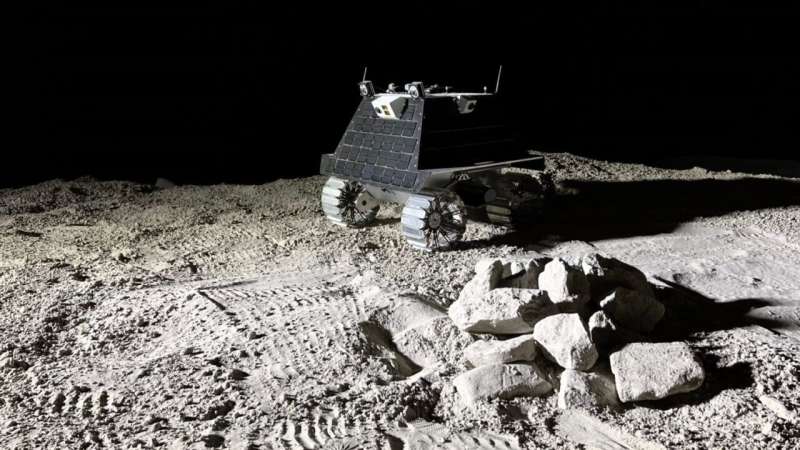
As for other countries, I am glad that Russia will continue to use the international space station for some time. Let’s hope that doesn’t stop. As for my home country, Canada is working on it’s first ever canadian lunar rover! (see below)

Elsewhere in space: while we humans go out into space, space also comes to us. For example:  Asteroid 2023 BU is a space rock that passes closer to us than some satellites. Yikes.

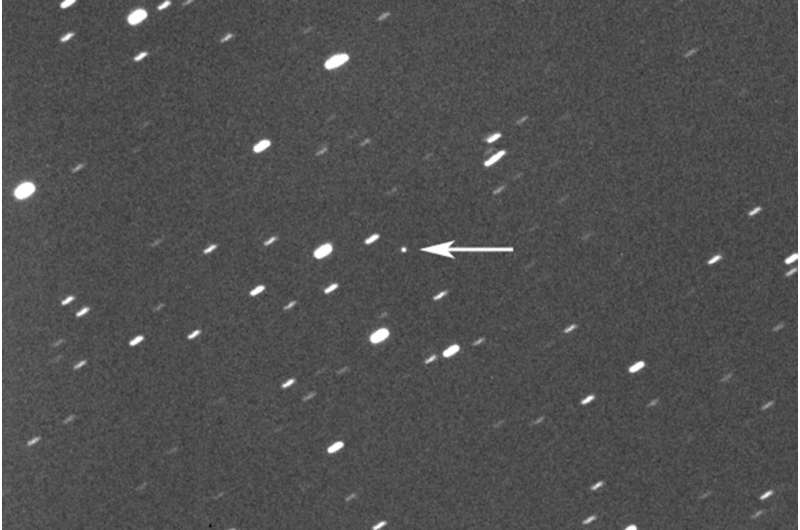
And it’s not the only rock. Above is a photo of another large asteroid passing by.

As for other space objects, here’s two good pieces on black holes:  scientists discover ultramassive black hole 30bn times the mass of the sun plus this typing black holes and dark matter.

This is cool: you can be an amateur astronomer and help the pros. Check it out. Also cool is this piece on how John Glenns basic camera forced NASA to rethink space missions. Plus, here’s a good piece on using  AI in astronomy.

Mind blowing physics: If you are interested in quantum physics, read this: four common misconceptions about quantum physics. This is a good reminder that everything in physics is made up, and that’s ok. Oh, and physicists are starting to think space and time are illusions.

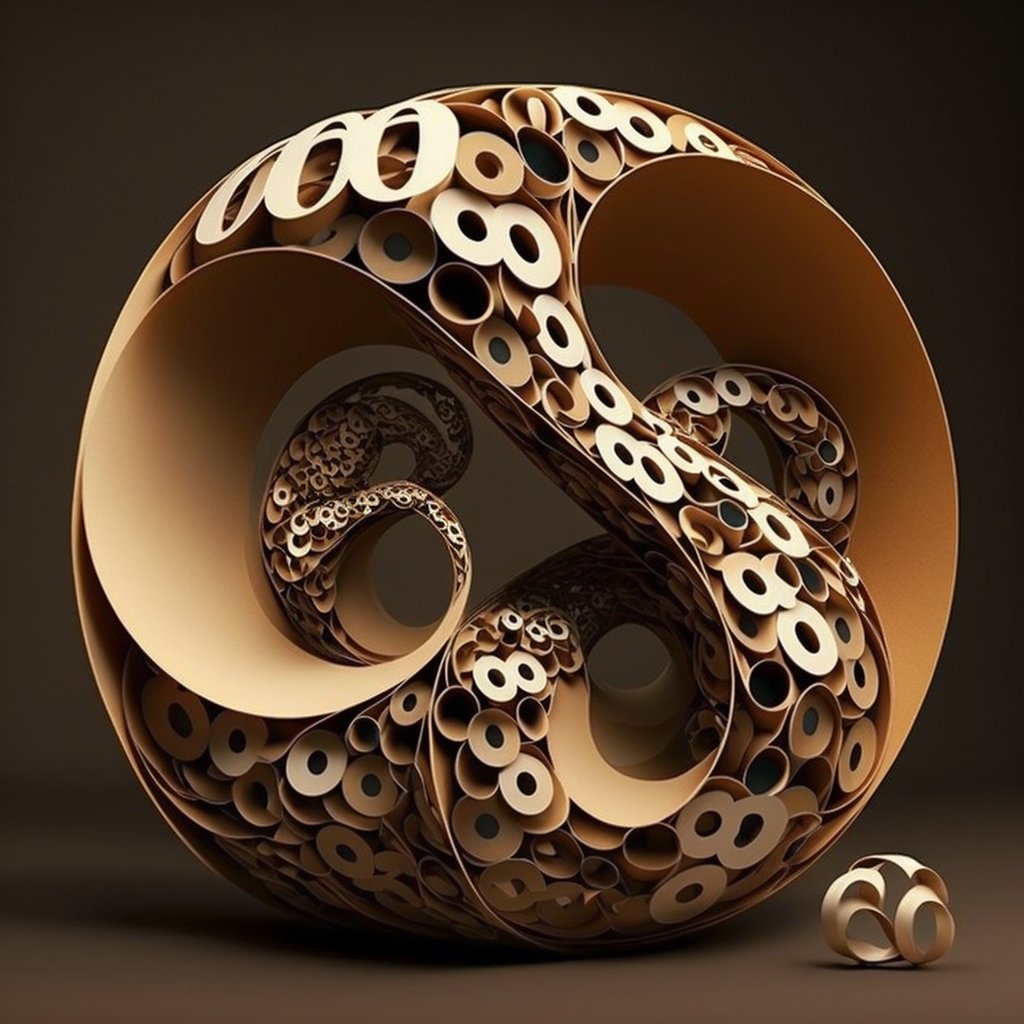
Math: What do you get when you cross math with the AI? Some excellent illustrations, like the one at the top of this post! More here! This is also excellent: Ideas of Calculus in Islam and India. I enjoyed finding out that you can use the lagrangian function in managerial economics. Neat! If you want to learn more math, I highly recommend these No bullshit guides.

Can non-mathematicians learn and appreciate math? This piece looks at some books on  math education that try to do that. The jury is out, though I think it’s possible.

Finally: this is a good reminder that I don’t think we  really understand the nervous system, if you can have memories without brains. Speaking of lower lifeforms:  Roundworms on weed get the muchines.

I hope more people read this on Chien-Shiung Wu and the little known origin story behind the 2022 nobel prize in physics. 

And what’s this?

Just an introduction to the TV show, The National. Back then letters like that indicated The Future. I had to find a place to show them on my blog! 🙂

What I find interesting in math and sciences, March 2022

Here are two pieces on physics that really are also about philosophy. First, in the realm of the very small: On quantum theory and reality. Second, in the realm of the very large: On space and time.

Of all the sciences, those having to do with space are the ones I enjoy reading about the most. I got interested in Lagrange points due to the James Webb Telescope. Here’s something on them: Lagrange points.

I thought this was a good reminder to me of any images we get regarding black holes (something I find fascinating): The Images of Black Holes are Not Photos.

COVID has made me think more and more about biology these days. That’s a good thing. It has me reading things like this: Disease moves like ripples on a pond.

One of my fundamental beliefs is that we don’t think with our brains but that we think with our entire bodies. This makes me interested in anything that makes that connection. This is such a piece: Our nervous system is connected to our organs and shapes our thoughts and our memories.

There was some discussion on racism in mathematics over the last while. I think this is a good discussion to have. Here are two pieces on the topic: Racism in our curriculums isn’t limited to history. It’s in math too and Opinion: Is math racist? Wrong question.

I continue to learn math in an amateurish way. I enjoyed these sources of information on it: Guide to Tensors and The Best Math Books and Statistics Books.

(Photo by Roman Mager on Unsplash)

How to grow gardens in the desert? Jordan has an answer


How to grow gardens in the desert? If you are the country Jordan, you use a combination of salt water and sunshine. Lots of both. To see how this engineering miracle occurs, see: BBC – Future – How to use seawater to grow food – in the desert.

It’s a great story, well told. Here’s to it scaling up in the future.

More ideas for late afternoon: are midlife crises biological?

Yesterday we considered math and infinity. Today, apes and biology.

If you read this, Even apes have ‘midlife crises,’ study finds – Yahoo News, you might conclude “possibly”. What do you think?

My thoughts: I’d push back and say the notion of a midlife crisis is a complex representation of a lot of different things, and being able to tie that back to biology direct doesn’t make sense. It may be possible to find linkages there, though, and through the discovery of these linkages gain a better understanding of how we relate to life as we mature.

Your thoughts?