I am not doing as much study in the area of math and science lately and haven’t written on the topic since last May, but I still found time to note these pieces and wanted to share them. A typical smattering of astronomy, physics, math, biology, what have you….
Here’s a number of pieces I’ve gathered in the last few months related to science and math that I found worth sharing. A few of them require deeper knowledge on the topic, but many of them are suitable for anyone to read.
Space: Well there has been plenty of space missions in the last while.
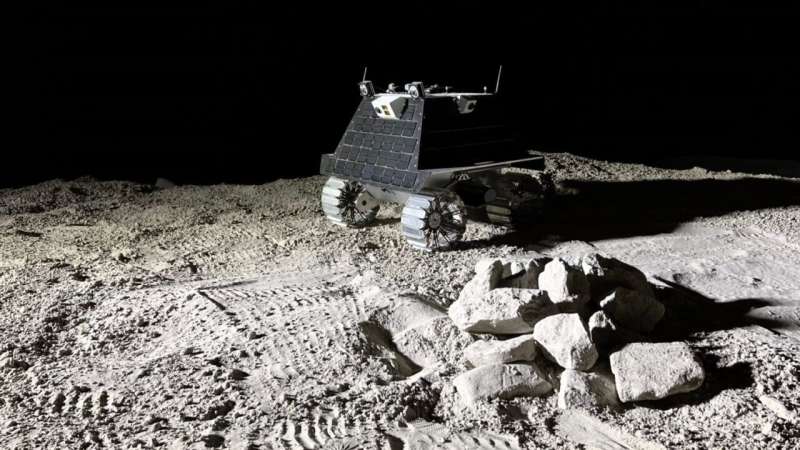
India has made great progress with their space missions, including successfully landing on the moon. The New Times has a piece on their moon launch here. It’s an exciting development! You can read more on it here and here. And India is not just going to the moon: they have mission going to the center of the solar system. Great to see all this activity.
I continue to find interesting things in the area of astronomy, math, physics and more. Here are some of the best of them. I hope you like them! (Yes, there will be stoned earthworms, and something about Uranus. :))
Can non-mathematicians learn and appreciate math? This piece looks at some books on math education that try to do that. The jury is out, though I think it’s possible.
Here are two pieces on physics that really are also about philosophy. First, in the realm of the very small: On quantum theory and reality. Second, in the realm of the very large: On space and time.
Of all the sciences, those having to do with space are the ones I enjoy reading about the most. I got interested in Lagrange points due to the James Webb Telescope. Here’s something on them: Lagrange points.
COVID has made me think more and more about biology these days. That’s a good thing. It has me reading things like this: Disease moves like ripples on a pond.
My thoughts: I’d push back and say the notion of a midlife crisis is a complex representation of a lot of different things, and being able to tie that back to biology direct doesn’t make sense. It may be possible to find linkages there, though, and through the discovery of these linkages gain a better understanding of how we relate to life as we mature.