On Crémant, a great wine that’s terribly under-appreciated

Sure you can celebrate with a bottle of champagne. Or you can pop open some cava or prosecco if you want some every day bubbles. But if you want something in between that’s well priced and delicious, you want a bottle of Crémant. As Food & Wine notes:

Crémant has the unique distinction of being both deeply appreciated by many wine professionals, yet stubbornly under the radar among most consumers. Among the most delicious — and deliciously versatile — sparkling wines in the world, Crémant remains somewhat of a mystery.

In terms of how it compares to champagne and prosecco, F&W says:

At its core, Crémant is a category of French sparkling wines that are produced using the same traditional method as Champagne, yet from other regions, and often leaning on grapes other than the Big Three of the world’s most famous bubbly (Pinot Noir, Chardonnay, and Pinot Meunier)….

Because of the range of terroirs and climates in which Crémants are produced, as well as the different grape varieties, the category represents a wide range of styles and expressions. Still, they are all tied together by their method of production, which involves a secondary fermentation taking place in the bottle — as opposed to in a pressurized tank, as is the case in the Charmat method most famously employed for Prosecco — in order to convert the still wine into sparkling. This lends depth and complexity to the wine, as well as pastry and bakery-like notes from the extended contact with the yeast, which the law stipulates has to occur for a minimum of nine months prior to disgorgement, or clearing the individual bottles of that spent yeast.

If you are shopping around and wonder what makes a Crémant from the Loire different than say one from Alsace:

The main ones you’re likely to see on the market are Crémant d’Alsace (often made from Pinot Blanc or Pinot Gris, and sometimes a grape called Auxerrois, in addition to Pinot Noir and Riesling); Crémant de Bourgogne (Pinot Noir, Gamay); Crémant de Loire (Chenin Blanc, Sauvignon Blanc, and even, unexpectedly, Cabernet Franc); and Crémant de Limoux (Chenin Blanc, Chardonnay, and a local variety called Mauzac). Crémants are also produced in Bordeaux, the Rhône Valley (called Crémant de Die), Jura, and Savoie. There are eight total AOCs in France for Crémant production.

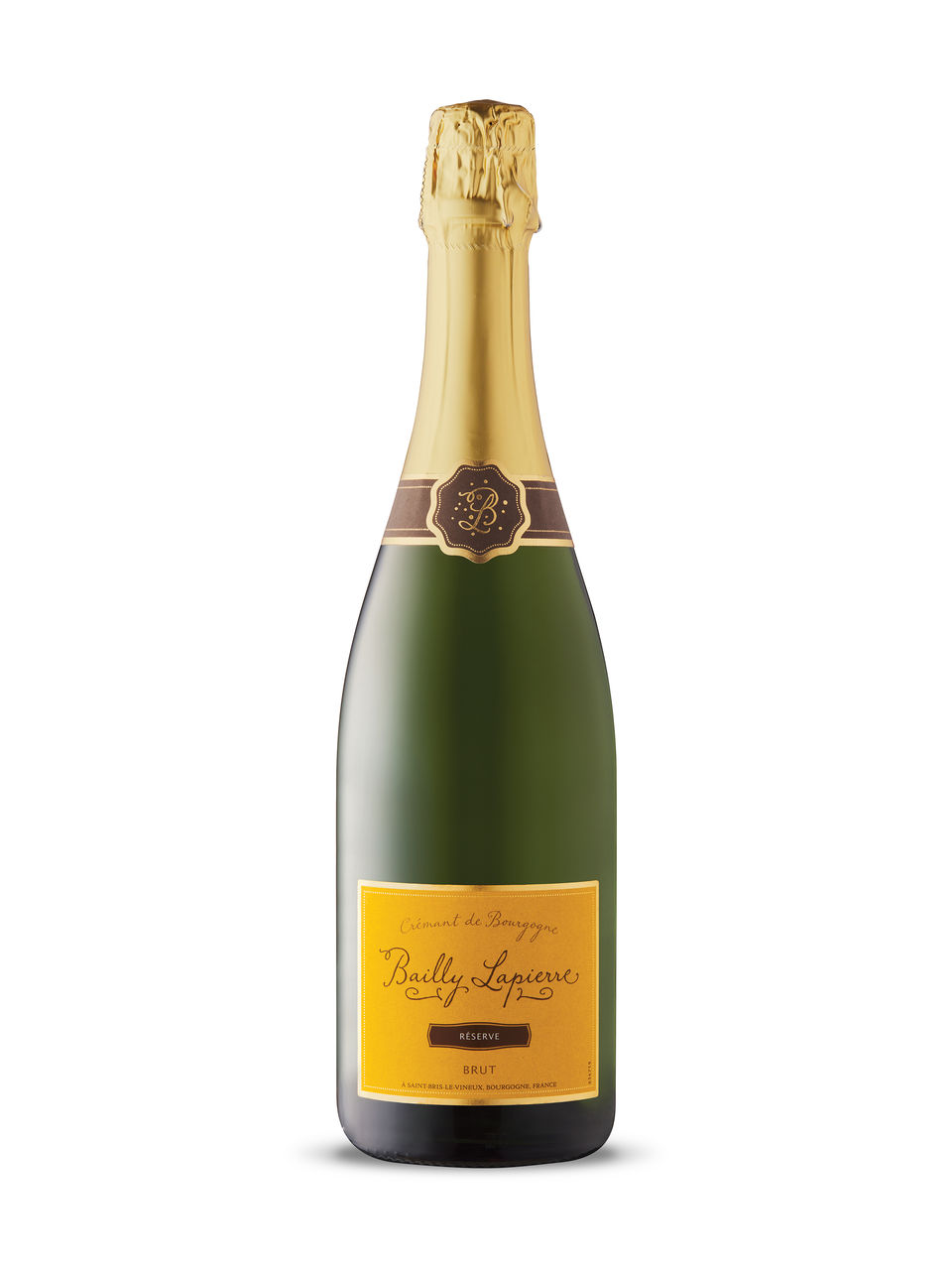
We are fortunate to have over a 100 different kinds of Crémant here in Ontario, including one of my favs, Bailly Lapierre Réserve Brut Crémant de Bourgogne. Next time you are in the LCBO, check both the main section and the Vintages section: in a large enough store, there should be at least a few products in both section. Make sure it has the word “Crémant” on the bottle, since some French sparkling wine is neither Crémant nor Champagne and often not that great. However I have yet to find a bottle of Crémant I did not like in all my years of drinking it here in Canada.

Here’s to more people knowing and drinking one of the best value wines France has to offer. Cheers!

P.S. The golden age for Crémant in Ontario was during the pandemic. I am not sure if the French wine makers were dumping it on the market, but there was a tremendously great selection of the stuff during that time. There’s still a good selection, but the selection at that time was great. Much of the pandemic was like a dark cloud: the abundance of Crémant was a silver lining.
Can you still get a good bottle of wine for under $10 at the LCBO? (or how to find “exceptional” wines of “good value” in 2025)

It is possible to find a really good bottle of wine for under $10 at the LCBO in 2025, but it is very difficult. It’s much easier if instead of “under $10”, you try and find something “under $12” or “under $15”.

To see what I mean, try this search for Exceptional products at the LCBO. You get back 2 750ml bottles of wine under $10:

  1. Adesso Merlot D’Italia
  2. Toro Bravo Tempranillo Merlot

If you search for great value wines, you get the first two plus:

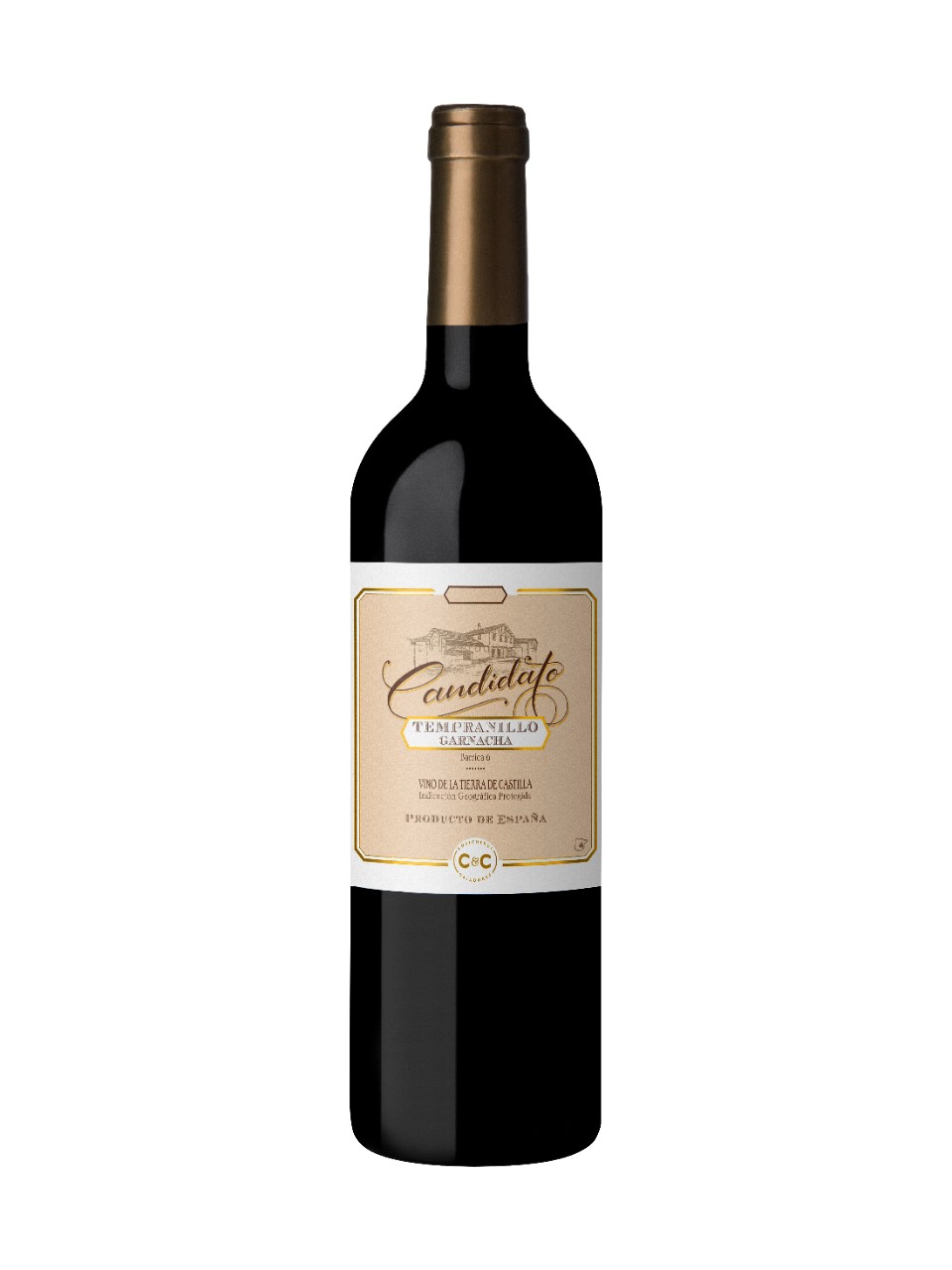
  1. Candidato Oro Tempranillo Garnacha
  2. Santa Carolina Cabernet Sauvignon

All in all, a pretty short list. (Yes, there are wines that may be great value or even exceptional that don’t show up in such searches, but let’s go with this for now.)

If you search for Exceptional wines under $12, you get to add a few more to your list of possibilities:

  1. Fuzion Shiraz Malbec $10.95
  2. Stormy Bay Cabernet Sauvignon $11.45
  3. Fantini Pinot Grigio IGP $11.50
  4. Pelee Island Pinot Grigio $11.95
  5. Caliterra Cabernet Sauvignon Reserva $11.95
  6. Robertson Winery Chenin Blanc $11.95

And if you expand that to under $15, then you have a longer list still:

  1. Misterio Malbec $12.95
  2. Peller Family Reserve Cabernet Merlot VQA $13.95
  3. Straccali Chianti DOCG $12.95
  4. Alaris Trapiche Malbec $12.95
  5. Two Oceans Cabernet Sauvignon Merlot $12.95
  6. Peller Family Vineyards Red $13.25
  7. Argento Estate Bottled Cabernet Sauvignon $13.85
  8. Piekenierskloof Six Hats Shiraz 2022 $13.95
  9. Bodega Norton Barrel Select Malbec $13.95
  10. Santa Carolina Reserva Cabernet Sauvignon $14.00
  11. Reif Estate Riesling VQA $14.75
  12. Six Hats Chenin Blanc 2024 $14.95
  13. Jackson-Triggs Reserve Chardonnay VQA $14.95

As for wines of great value, here’s everything I found under $15:

  1. Pelee Island Shiraz Cabernet $10.95
  2. Stormy Bay Cabernet Sauvignon $11.45
  3. Fantini Chardonnay $11.50
  4. Santa Rita 120 Reserva Especial Cabernet Sauvignon $12.95
  5. Piekenierskloof Six Hats Shiraz 2022 $13.95
  6. Grand Sud Chardonnay VdFrance (PET) $14.50
  7. Famille Fabre Le Cerf et le Vigneron Cabernet Sauvignon 2022 $14.95

All in all, there are 4 bottles of wine under $10 that are great value or exceptional, 10 bottles under $12, and 30 bottles under $15. (Not counting Vintages, which if there are wines there under $15 tend to be good value.)

Note, those are mostly red wines. There are no white wines listed here under $10. There are only 4 under $12. And 7 under $15. Perhaps Toro Bravo Verdejo Sauvignon Blanc should be on the list at $9.95.

Searching for wines that are great value or exceptional is one way to find a good bottle of wine for under $10/$12/$15 at the LCBO. There are other ways, such as looking for wines recommended and rated by noteworthy sources such as “Decanter” or “Wine Enthusiast”. You can also take a chance and assume that if the Santa Rita 120 Reserve Cab Sauv you picked up is good, then other wines by the same producer are also good.

However you go about it, it’s likely the days of good wine under $10 at the LCBO are coming to an end. Inflation hits everything (except this great Bordeaux). Look for exceptional wines of good value, though, and you will be fine.


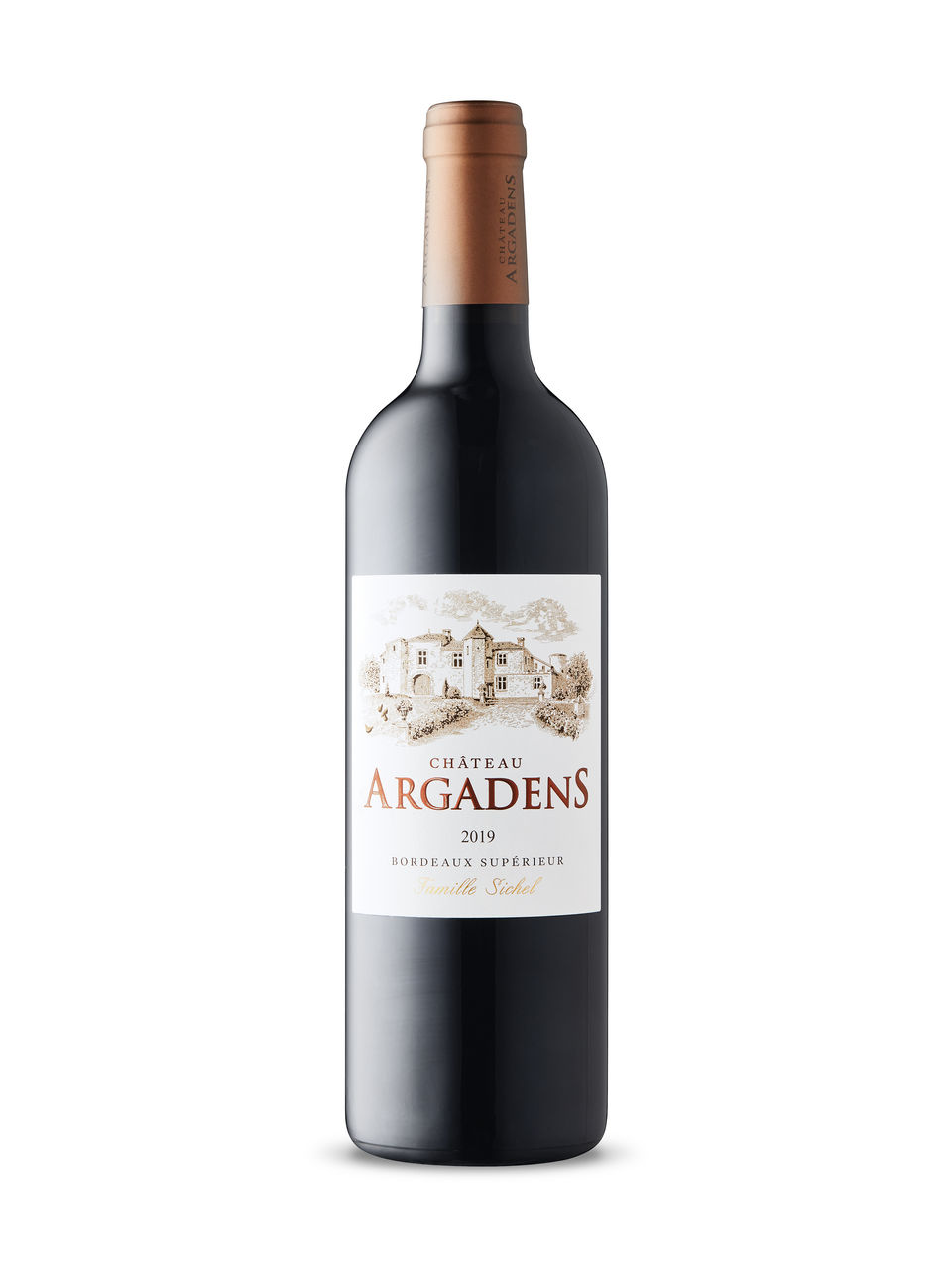
Château Argadens: good and cheap Bordeaux after all these years

I’ve been buying Château Argadens Bordeaux Supérieur since 2008! The LCBO says it has flavours of “Floral, Chocolate, Plum” (true) and goes on to say that this Bordeaux is “a great value” (very true) and “this popular, classically framed blend of Merlot and Cabernet is a great choice for grilled lamb.” (Also true.)

What’s crazy is that it now goes for $17.60. Seventeen years ago it went for…$18.95! How many great products do that?! Practically none.

Grab yourself a bottle or a case when you can. You won’t be disappointed.

P.S. My original post from 2008 is here: Good “cheap” Bordeaux at the LCBO this month | Smart People I Know


The rise and fall of Beaujolais Nouveau Day in Canada

For many Novembers the LCBO and other alcohol distributors in Canada made a big deal of Beaujolais Nouveau Day. In Ontario it started with a few French winemakers and expanded to winemakers in Italy and other countries releasing similar styled wines on that date. I personally thought it was fun and a bit over the top and expected it to grow and get bigger in the future.

That’s why I was surprised to see at the beginning of November that the NSLC in Nova Scotia was dropping the whole thing. No doubt plunging sales had something to do with. Then the LCBO in Ontario dropped it as well. The bubble had burst.

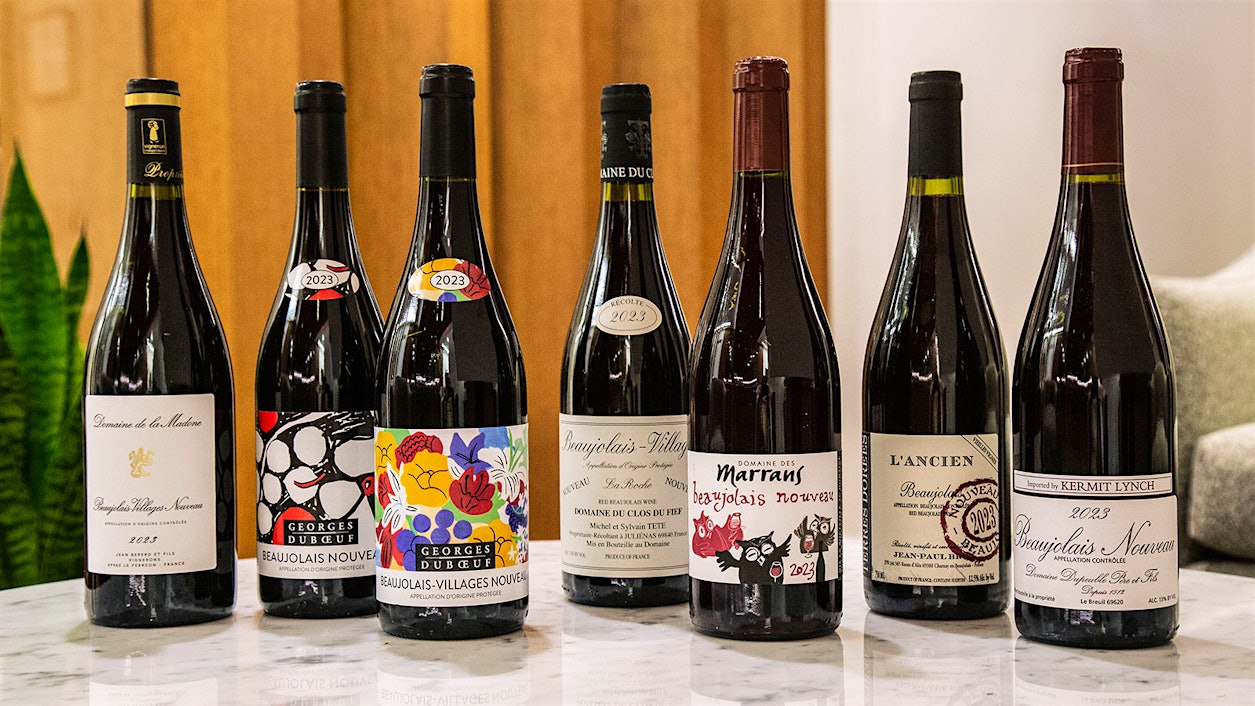
Well. the bubble has burst in Canada, anyway. As far as Wine Spectator is concerned, 2023 is a solid year for fun Beaujolais Nouveau. And winemaker Georges Duboeuf put out a press release to exclaim:

Beaujolais Nouveau Day is not just about uncorking a bottle, it’s about a shared experience—a time when wine lovers around the world unite to raise a glass and celebrate.

So now doubt they are still into it.

If you are in France or elsewhere, grab a bottle and have a fun time. In Canada, you’ll just have to drink the older style of beajolais wine. And there’s nothing wrong with that.

P.S. If you are curious, here’s a piece on  the story behind Beaujolais Nouveau Day.

How to pick a good bottle of wine from your local LCBO with Decanter and one simple trick


I have a rule of thumb when it comes to choosing a bottle of wine for the first time: any wine highly rated by Decanter is good. If you are unsure what to get, look for bottles with a round Decanter sticker on them and you can be confident in your purchase. And  good news: most LCBO stores will have quite a few such bottles.

Alas, not all such wines rated by Decanter bear their sticker. And yes it can be a lot of work trying to find them at all.  Wouldn’t it be great if you could easily find them in the store near you?

Well there is a way you can do that: with your browser. To do this, first go to the LCBO website (lcbo.com) and pick your local store (or a store you plan to go to).

Once you do that, enter the following URL in your browser (from https all the way to [true]):

https://www.lcbo.com/en/catalogsearch/result/#q=decanter%20world&t=Products&sort=relevancy&layout=card&f:@stores_stock=[true]

What you will get back are wines in your local LCBO store rated highly by Decanter magazine. With bigger stores like the one at Yonge and Summerhill in Toronto I got over 30 results back, with many around the $20 price point.

If you are cost conscious, enter this version in your browser:

https://www.lcbo.com/en/catalogsearch/result/#q=decanter%20world&t=Products&sort=%40ec_price%20ascending&layout=card&f:@stores_stock=[true]

It will return the same list but sorted with the lower cost ones listed first.

There are lots of ratings and plenty of ways to find a good wine at the LCBO. I find this way works great for me. Perhaps you find the same thing for you.

P.S. You can play around with other rating groups. For example, Wine Enthusiast is also associated with wine in the LCBO and many of them are at an attractive lower price point. To see what I mean, enter this:


https://www.lcbo.com/en/catalogsearch/result/#q=wine%20enthusiast&t=Products&sort=%40ec_price%20ascending&layout=card

On starter wines, or how to go about learning about wine (if that’s what you want to do)

Wine is like art or food or fashion: you can devote a lot of your time and attention to it and you will get a lot from it. Like many topics, though, not everyone wants to do that. Some people just want to know the basics and leave it there. Both approaches are valid.

If you do want to learn more about wine, one thing to do is pick a starter wine. A starter wine should be one that you can afford and that’s easy to drink and ideally goes well with the food you like to eat. Of course it should also be fairly well made and worth drinking for more than just the fact it contains alcohol. 🙂

If you want to pick a starter wine, I recommend two things: one, this list from Food and Wine to get going: 50 Affordable Wines You Can Always Trust. Two, this book, Wine Simple, by Aldo Sohm, the sommelier at Le Bernardin in NYC.

Both the wine list and the book will get you get started on the path to drinking better wine. For example, let’s say you try some of the listed cabernet sauvignons and  you prefer the first one: the Beringer. That’s a good start. From there you might try more expensive Cabernets from Beringer to see if you can determine what distinguishes them from each other. Maybe you find you prefer one more expensive (or maybe you can’t tell the difference in taste). Or you can compare it to other cab sauvs on the list, like the Penfolds. Perhaps the Californian wine goes better with the food you like and has a taste that you like. While you are considering the wines you try, dip into the book. The book will give you more insight into the wines you are drinking and why you might like it and what types of wine you want to try next.

Wine is something enjoyable, and something you can learn much about. That said, you should enjoy it at the level you want. Just like some people just want to wear jeans and T shirts all the time, other people just want to drink the same thing all the time. And that’s ok. But if you want to learn more about wine, pick a starter wine you are comfortable with and enjoy them and then go from there.

Cheers!

P.S. One thing I like about the list of 50 wines is that they are very easy to find. Most of them can be found all across Canada and certainly in the LCBO.

Also, Food & Wine has a list of affordable whites. Some people have problems with red wine due to tannins (though there are low tannic reds). If that is you, that list is a keeper.

P.S.S. I’ve been meaning to write this after reading this critique of starter wines that I read some time now: The Myth of So-Called “Starter Wine”. It’s written by someone knowledgeable and passionate about wine. I respect that. I don’t agree with it, but I respect it. I recommend you read it and think for yourself.

On the great Billy Munnelly and what he can still teach us about buying wine at the LCBO in 2022


Since the 1980s I’ve been getting expert advice from Billy on how to buy wine at the LCBO. So I was shocked to see he had moved away and he won’t be offering LCBO wine buying tips anymore. It’s great for him, but not so great for folks looking to know what to buy and what to avoid at the LCBO.

But here’s a tip. Go to his blog Billy’s Best Bottles, and with a pen and paper take notes on what wines he likes and what he likes about them. Do you feel like a good summer wine? He has posts on them. Do you feel like a good bistro red to go with your steak frites? He has a wine for that! It doesn’t matter too much about the year (most of the time). Go and seek out those wines he recommends. The prices will have gone up, but most times the quality will be consistent year over year.

There are wines from the 80s he recommended that are still good and recommended today. (I know because I’ve been drinking them all this time.) There are many newer and better ones since then: the LCBO has improved considerably in the last few decades. There is still lots of not so great wine, though, and Billy can help you avoid those.

There are a great many people writing about wine at the LCBO these days. But back in the 1980s such info was rare. Billy had put out a small comic book back then on how to buy wine at the LCBO, and it was my mainstay for many years whenever I needed something for dinner or a special occasion. He eventually moved to the web like the rest of us, but the spirit of that little comic book lives on at Billy’s Best Bottles, Go check it out, then go get some wine.


On buying cheap wine at the LCBO, 2022


Annually various publications in Toronto will publish articles on how to buy cheap wine at the LCBO. BlogTo takes a stab at it here: The top 10 cheap wines at the LCBO.


If you want to buy cheap wine at the LCBO, here’s some things to consider:

  • the wines that appear on these lists often tend to be the same year after year. The price changes, but the wines listed more or less are the same. The wines themselves are consistent too. Hey, these are not handcrafted wine! So a cheap wine list published in 2015 will likely have a list of wines you can still buy now, just with a different price and a different date.
  • Once these wine lists used to be “best wines under $10”, but that price ceiling is outdated now. Most cheap wines are over $10. There are still a few good ones, as the Toronto Star argues, but not many.
  • Once you get up into the $14-15 price point, head over to the Vintages section instead. Wines there generally are good at any price point, and you’ll get something better than the general section, imho.
  • These wine lists will hype up these cheap wines. Note: most of them are limited in quality. Not too much wine in the LCBO is Bad anymore. None of these will be Great either. Most cheap wine is pleasant and drinkable. Something to have at dinner or on an outing. They are not sophisticated. If you can’t taste all the notes of “peaches, nectarines, pears” mentioned in the lists, there’s a reason for that.
  • The “cheap” wines I’ve been drinking lately (under $15) have been Ontario Riesling. They go great with so many foods and are good value, I believe. If you want red, consider a Baco Noir. Many of them are fine and under $15.
  • If you have to go closer to $10, the best bets tend to still be Portugal, Italian and South African.

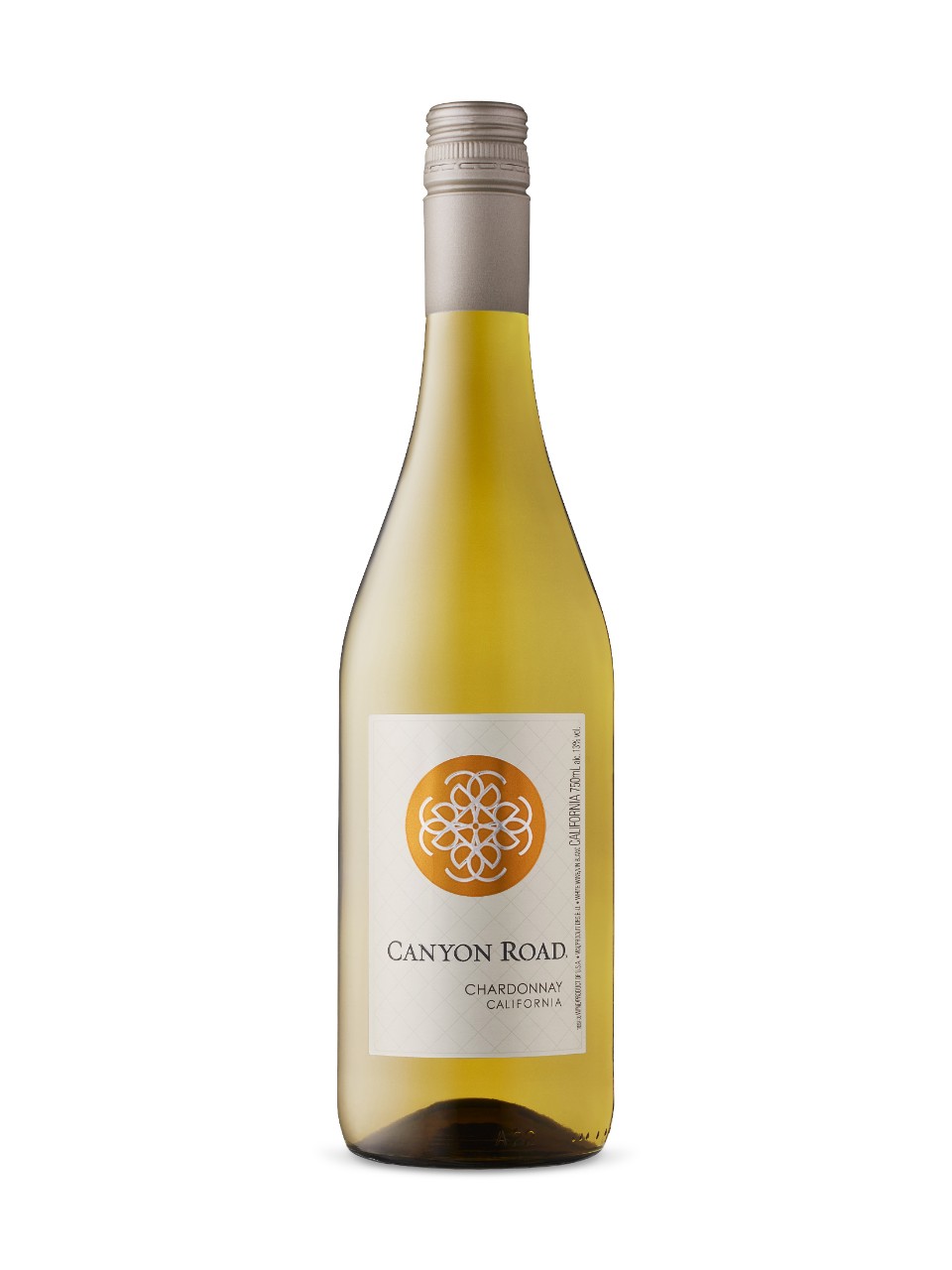
(Image linked to LCBO.com of a Californian Chard that just slips under $10)

Some thoughts on wine in Ontario after shopping for it in the US

Recently I have spent some time in Charleston, S.C. and enjoying many things about that city, including their wine options. These options have given me some insight into wine options in Ontario and has reshaped my thinking of what I am getting.

Before the pandemic, the  way I bought wine was through the LCBO. If I wanted something special, I’d buy it from LCBO’s Vintages section vs the general section. When the pandemic hit, I could buy wine from nearby restaurants as well as other local distributors.  I was glad to have wines options that were varied and weren’t too expensive.

However, as restaurants have been allowed to open,  I’ve noticed their bottle prices outside the LCBO have increased. During the pandemic, I could find such wines for 20-40 dollars easily. Now the prices have all shot back up to what you pay in a restaurant. That may be good for the restaurants, but it’s disappointing for me.

That’s Ontario. Really, Toronto. In contrast, when in Charleston I could visit a number of wine shops that had lots of great wine around $20. Even with exchange rates, that was good. And these shops were as common as LCBOs in Toronto.

The other thing I noticed was that much of the US wine in the Vintages section of the LCBO is “supermarket” wine. I was under the impression that American wine in the LCBO was hard to find wine, but really it is stuff you can find in any store.

That got me thinking: is most of the wine in Vintages simply basic wine made everywhere in the world? Perhaps it is. That doesn’t make it bad: it just makes it everyday.

I think the LCBO still has a great selection in many ways. But I also wish there was another retail option like those in Charleston where I could get small scale wine that is good and affordable.


How to easily buy wine as a gift at the LCBO


You want to buy wine for a gift at the LCBO. Maybe you know nothing about wine. Maybe you only know a little bit. Unless you know a lot, here’s what I recommend. It’s simple.

Go into your local LCBO. Ask for where the Wines of the Month are. Buy as many of those as your budget allows. That’s it.

You can also go to the web site and look for Vintages New Releases. Once on that page, look for Explore our featured products and click on it. Then look for Wines of the Month. Easy peasy.

What’s great about this is you can be sure those wines are very good and carefully selected by staff at the LCBO. Not only that, but most of the time they are around twenty bucks. Want to spent $40? Buy two bottles.  If you want to spend over a $100, you can consider getting a half case or more. Or mix in a bottle of champagne: you can’t go wrong with that.

If you know what the person likes, then you can buy that. If you know wine, then you should pick what you think is best. Otherwise, follow this and you won’t go wrong.


On wine: what you should expect at each price point


I recently read this and I thought it was a great examination of what you should expect at each price point of wine: How to find the sweet spot in the cost of a bottle of wine | The Hub. It’s really aimed at Canadians, but it can apply elsewhere.

I am still a fan of cheap wine, but I find myself drinking closer to the $20 price point now. In Ontario at least, that seems to be the price at which wines are consistently good. There’s nothing wrong with buying wine at all sorts of price points. You should just know what to expect.

Speaking of cheaper wine, this is worth a read: The Science Behind Your Cheap Wine

(Photo by Scott Warman on Unsplash )

Great white wines under $10: Fuzion Alta Torrontés/Pinot Grigio, Argentina

The site Wine of the Weekend has a great description of a delicious wine that is also great value (which is not surprising given it is part of the Fuzion line of wines). It is a superb summer wine, great for sipping by itself or paired with many dishes found in fusion cooking. Pinot Grigio fans should note, however, that is has alot of flavour, including “opulent peach, pear and citrus flavours on the palate”/ I love it, but fans of very subtle wines might find it too much.

See Wine of the Weekend for more information.

Oh, and the price: $8.95 at the LCBO in Ontario.