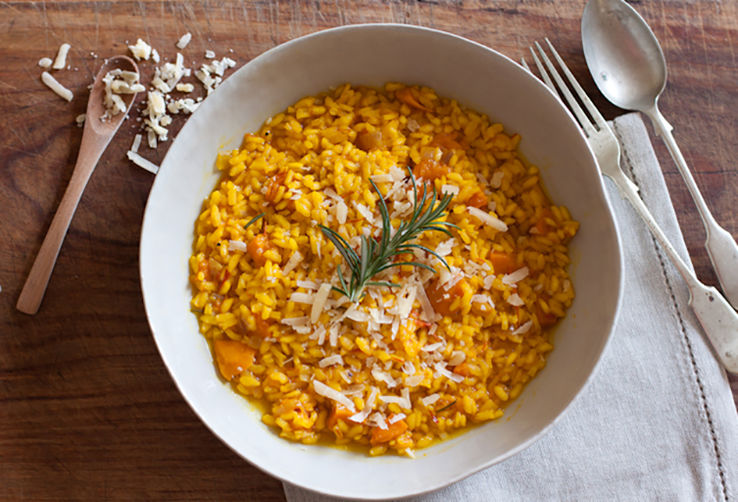
On risotto, a dish no one should fear and everyone should embrace


Everyone should learn to make risotto, and no one should fear it. I was thinking that again recently when I was showing my daughter the best way to make shrimp risotto with peas. 

I first recall risotto becoming a big thing in the 198os. Maybe it was risotto milanese, as this noted. At the time it was presented as a difficult dish that was hard to make and easy to mess up. It has managed to keep that reputation into the 21st century, as this piece shows.

I’m here to tell people to reject that reputation and embrace making risotto. As I wrote on my other blog, it’s a great dish if you make if you want to use up things you have in the kitchen. Plus it’s not hard. There’s just a few simple things to keep in mind:

  1. You just have to be patient when you make it, adding the liquids a 1/2 cup to a whole cup at a time, then stirring the pot as you add the liquid.
  2. You don’t have to stir non stop, but you should stir it every 10-30 seconds until the liquid incorporates into the rice. When you move the rice and you can’t see any liquid on the bottom of the pan, add more liquid.
  3. Stick to medium-low when cooking the rice in the liquid. Give the rice and the liquid time to do the work.
  4. After you add the 3rd cup of liquid, taste the rice. Is it still hard? You want it to be al dente, in my opinion. Do you prefer it softer? Then keep adding more liquid until it is soft. Generally with a cup of risotto rice, you will want four cups of liquid. Whenever I have used a ratio of 1:4 (rice:liquid) I have had success.

Here’s the recipe for Risotto With Shrimp And Peas by Marian Burros from the New York Times. It’s a winner. (My comments are in the parentheses.)

Yield: 2 servings
Ingredients:
  • 4 cups no-salt-added fish or chicken stock (I used chicken and I don’t worry about the salt. Also most recipes call for warmed up stock)
  • 1 tablespoon olive oil ( or any neutral oil)
  • ½ cup chopped onion (shallot or leek is also fine)
  • 1 cup arborio rice
  • ½ cup dry white wine (you can replace with stock but the wine is better)
  • ½ pound fresh peas, shelled to yield about ½ cup (canned peas are fine. Frozen cooked in the stock is also good)
  • ½ pound shelled raw shrimp (I used a bag of mixed shrimp and bay scallops and that was great)
  • Salt and freshly ground black pepper
  • ½ cup grated Parmigiano-Reggiano, optional (at least for fish based risotto)
Preparation
Step 1: In a large saucepan, simmer stock. In a heavy-bottomed pot, heat oil. Add onion, and sauté until it softens. Add rice, and stir to coat. Add the wine, and cook until liquid is absorbed.
Step 2: Add one cup simmering stock to rice. Stirring often, cook over medium-low heat until liquid is absorbed. Repeat with second cup, and continue cooking, stirring often. Repeat with third cup.
Step 3: As rice becomes soft but firm, add last cup of stock. If peas are large, add them and cook about 4 minutes. Then add shrimp. If peas are small and tender, add them along with shrimp. Cook shrimp just 3 or 4 minutes. Season with salt and pepper and serve, with cheese if desired.
P.S. Once you feel you get the hang of that, here’s 19 more risotto recipes you can make, courtesy of Chatelaine magazine. Image is from their recipe for lemony mint and pea risotto. Also check out my blog post for more risotto ideas.

No time to mediate or do other relaxing things? Why not try making risotto?


Yes, making risotto is a highly relaxing thing. It’s a dish I love to make just for the way it calms me down (not to mention it is delicious). You have to be mindful when making risotto. You don’t have to be constantly stirring it, but you do need to be attentive to it. Steam rises off it as you cook it, and that is relaxing. Once you get the hang of it, being mindful of the transformation of the dish is also relaxing.

Need more persuasion? Here’s the chef and owner of the River Cafe who thinks the way I do: A Chef’s Advice for Relaxation: Stir Some Risotto – The New York Times.

If the idea appeals to you, here are 20 Easy Risotto Recipes To Make All Season Long from Chatelaine.

Start off with a classic parmesan risotto and go from there! It’s really not that hard. Plus, as I argue here, it’s a great way to use up veg. Enjoy!

(Image by Roberto Caruso: linked to in the Chatelaine recipe.)


4 p.m.: Wednesday risotto recipes

Risotto had (has still?) a reputation of being difficult. You do have to attend to it, but otherwise it is quite easy. If anything, I find tending to a risotto relaxing, slowly adding to it, stirring it, tasting it. I highly recommend it.

If you haven’t made it, or you want some new ideas, here some recipes to get started. I really liked this Caprese risotto recipe.

A small tip: when adding the garlic, I also added some diced red onion and sliced cooked sausage. I also used spicy vegetable sauce instead of tomato juice, and around 1 tbsp of dried basil as I was adding the liquid.

Here’s a number of other risotto recipes I came across that look appealing: Classic parmesan risotto, Seafood saffron risotto with fennel, Porcini-mushroom risotto, Cheat’s orzo risotto with olives and feta, Asparagus and brown-rice risotto

And if you have left over risotto, then you want to consider making this: Crispy mozzarella risotto cakes

4 p.m. recipe(s): some good meals to make this autumn and winter (soups, salads, and rice)

I was going through my list of recipes I have been collecting, and rather than trickle them out, here are four worth trying this autumn and winter (all via Chatelaine.com):

P.S. I am a fan of recipes from Chatelaine: they are well tested, nutritious and healthy. The recipes aren’t boring, but they are easy to make and it is easy to find ingredients, even if you don’t live in a big city.