The century is a 25% over. Here’s the best books and movies of those 25 years.

It’s hard for me to wrap my head around the idea that the 21st century is 1/4 completed. When I was young, the 21st century was far off in the future. Now so much of it has already past.

Given this milestone, it seems a good time to look at what some of the best books and films have been of this era.

For films, I recommend this essay in the New York Times of the best films of each year from 2000 to 2024.

For books, I recommend this piece from Kircus Reviews.

It’s the weekend. Go do something with your hands

Why? Well according to this: Working With Your Hands Is Good for Your Brain (in The New York Times). It doesn’t matter if it is knitting or gardening or writing or painting. As long as it is not….typing.

It’s not clear why this is so, but studies show it to be true. So put the computer down and go do something manual. You’ll be glad you did.


Scenius, or communal genius (with my own examples)

Scenius, that greater genius that comes from a particular community, is something I have thought about alot. If you haven’t heard of it before, I can recommend the following on it:

Here’s what I think are some great examples of it in the 20th century:

I am sure you can think of many more.

Each are great examples of very smart, very talented people coming together for an extended period of time. When they did, what they produced was special and associated with that community they were associated with. As the cliche goes, the sum was more than the parts.

This doesn’t mean you can only have genius appear communally. You can. If anything, that’s more of the norm. But when you have geniuses associating and working together, you have something really special.

85 or so interesting things I wanted to write about and maybe will some day


Many times I find things I would like to write about but never do. I think people should check out these links though. So I am including them all in this Sunday post to read at your leisure.

Start with this one on mapping data visualisations from Victorian London to today. Or this, on the film Unforgiven and the line, “deserves got nothing to do with it”. I am fascinating by ex-Royals haunting Europe, like Ferdinand Habsburg, who occupies his time racecar driving, so I recommend that. I also loved the story of  Jenny Nguyen and the sports bar she opened just for women’s sports, The Sports Bra.

This is good: how to help your kids find happiness.

Are these the best movies ever made? Possibly. Do I know why old man Robert de Niro is having a 7th kid? Nope.

I wanted to say something/something more about  Ted Lasso, The_Blues_Brothers, bad artists, David_Shrigley, or ska, but I could not. I don’t even have anything clever to say about the Wakefield amazonian love god statue, other than you should check it out. (Seen above.)

I recommend you also check out this amazing Maine home, this Manual Coffeemaker (seen below) and this piece on the Amazon Halo Rise. Even this desk lamp, which is the visual motivation youll need to start your day. Or this cool utility shelf , or this Concept TV, or even these linen sheets.

If you need some advice, read about the move out method of organizing or read this for anxiety reduction. I do believe writing make you healthier. This can tell you how to retire when you have basically nothing saved. Consider this more radical and practical than stoicism (shugendo).

When it comes to health and fitness, here’s a good piece on Kipchoge’s boston marathon pace. It’s VERY Fast. This guy is not fast but he is a cheat: Joasia Zakrzewski at the ultramarathon. A different form of cheating:  how one man ate cheat meals which helped him lose weight. I was going to write about the mediterranean diet and Kettlebell exercises and how kettlebell workouts burn 20 calories / minute, but didn’t. I didn’t know what to say about this article that was a grim reflection on a life of drinking. Nor did I know what to write on how depression rates are reaching new highs.

This is an interesting story about Carmelite nuns abandoning their nest in Brooklyn. A good piece on  riding  the New York subway in the 70s. Speaking of the craziness of the 70s, here’s a story on cocaine and cooking at Chez Panisse. All worthy of a post some day.

I once wanted to write about the red shoes of Pope Benedict XVI and their many hidden meanings but I passed. Related in a fashion sense, here’s something on GQ’s outfit of the week. And from a religious POV, I’ve always been fascinated by the story of France’s eminence grise. Not to mention forgotten masses like Childermas!

Here’s some LISS links I never could make anything of: What Makes Fascism Fascist? – by John Ganz, how Nazis are not socialists, and Why Paul Ehrlich got everything wrong. Then this is this piece on who will sell the books. Plus Horizontal History on Wait But Why this? A cautionary tale: The Dangerous Decline of the Historical Profession. Quasi-historical: on Raiders of the Lost Ark. Strangely historical: It’s not a darning tool it’s a very naughty toy – Roman dildo found.

Some clippings from out east where I come from: on the East Coast Kitchen. Here’s 2 things on the international student housing crisis in Cape Breton, including how medical residents moving to cape breton are struggling to find housing. The famous nscad university is moving to the Halifax seaport. Also worthy of fame, Kate Beaton’s affecting ducks dives into the lonely life of labour in Alberta’s oil sands. Lastly, Food truck diner experience helped relaunch Zellers brand.

I didn’t know what to do about  Linda McCartney’s photos, or why art installations make people angry, or this piece on Vermont and the law and art and slavery, but they are all interesting. Go check them out.

For some time I was going to write a defence on consultants after reading this and this and this and this and this. Even this and this. Most of them insinuating that consultants are all powerful and manipulative and evil, like this: Opinion: The Trudeau government seems awfully cozy with McKinsey. In the end I didn’t have the energy or the interest.

I thought this piece, you can’t say that in the 1930s which relates to this, Agatha Christie novels reworked to remove potentially offensive language was worthwhile. Likewise, this, on Black Panther 2’s Namor casting and how it opens up a Latino colorism debate.

I found these social media leaks disturbing and a caution as to what to share and not share: alcohol counseling patient data leak and discord document leak tiktok.

Here’s two things on Samuel Alito, whom I find especially terrible: here and here. Also terrible, those doing child labor lobbying in the USA.

Last, I was going to write something on the bystander effect, on some blogging myths, on happy warriors, on Maiden Lane Transactions, on the CBC Massey lectures archives, on driving a Lyft, and on college and students and success. Someday, perhaps.


As always, thanks for reading this blog. I deeply appreciate it. I hope you found a link or two above worthwhile.


Is everything political? What is wrong about thinking that way?

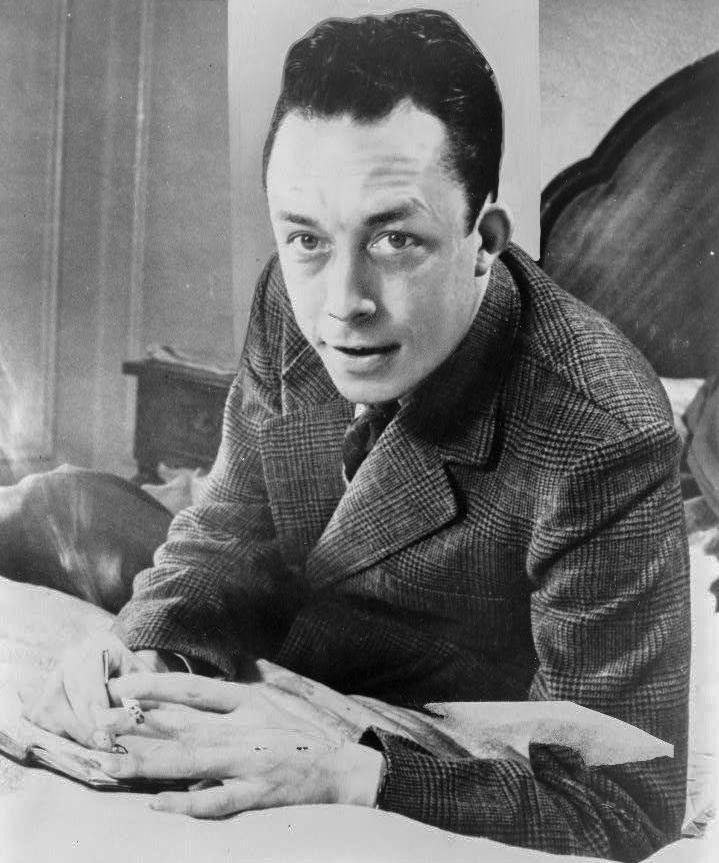
Albert Camus, gagnant de prix Nobel, portrait en buste, posé au bureau, faisant face à gauche, cigarette de tabagisme.jpg

I was thinking this when reading this quote from Orwell: “The opinion that art should have nothing to do with politics is itself a political attitude.” The idea, implied by this quote, is that everything is political. This idea springs like a trap on people who want to escape from politics and focus on other areas of human concern, like arts or sports or science.

Is this trap avoidable? There is an argument, found here, Only a Game: The Activist’s Argument (Everything is Political), that says that saying “everything is political” renders it meaningless. It’s worthwhile reading the piece, but I don’t think the argument that the statement is meaningless holds true.

Instead, I would first accept it and I would expand the notion of “everything is political” to say that

  • everything is political
  • everything is scientific
  • everything is religious
  • everything is philosophical
  • everything is art

For if you can make the case that everything is political, you can also make the case that everything is scientific, religious, and so on. (In fact, you can extend this list to other areas of human thought and human interest.) But how can everything be all of those things at the same time? To see how that can be the case, that I would refine the statements above and replace “everything is” with “everything can be viewed through the lens of”, as in:

  • everything can be viewed through the lens of politics
  • everything can be viewed through the lens of science
  • everything can be viewed through the lens of religion
  • etc.

More than that, everything can be viewed from each of those lens at the same time. For example, if I go see a film about Alan Turing, I can view it through the lens of science and I can view it through the lens of politics or the lens of art. The film has political and artistic and scientific themes and ideas, and anyone watching it can view it from those differing viewpoints. You may not care to do so, but it is possible to do so.

Now take the list and change it to read this way:

  • everything should be viewed through a political lens
  • everything should be viewed through a scientific lens
  • everything should be viewed through a religious lens
  • everything should be viewed through a philosophical lens
  • everything should be viewed through an artistic lens
  • etc.

For some political activists, the phrases “everything is political” and “everything should be viewed through a political lens” are practically the same. Their worldview is a political worldview and they think everyone should have this worldview too. The same can be said for scientists, artists, philosophers, etc.

I disagree that everything should be viewed through only one lens or mainly one lens. For example, if a crowd is watching a film, they may watch it through any or all of these lens, or none of them. If asked later if the film she made is mainly political, the director may agree that there is a political aspect to it, but the main themes and elements of the film for her could be religious or aesthetic or scientific. The film may have something to do with politics, but if you see it only or mainly as political, you miss out on the other aspects of the film.

What is true of a film is also true of our lives. Our lives, and the things that matter to us in our lives, can be seen through a political lens, and a religious lens, and many other lens we may pick up. Sticking with only one such lens provides us with such a restricted view. It is better to look at our lives and the lives of others with as many lenses as possible. We will see more that way. We will hopefully understand ourselves better. And we will acquire a view and a wisdom that those stuck to peering through only one lens will never achieve.

(Image is not of Orwell but Albert Camus, which I felt to be more appropriate. Photograph by UPI –  image  from the United States Library of Congress‘s Prints and Photographs division under the digital ID cph.3c08028.
http://www.loc.gov/pictures/item/93507512/ and Wikipedia)

You want to take better photos with your digital camera? Henri Cartier-Bresson has 10 tips for you

Ok, it’s not advice directly from the Master. However, the author of this piece, 10 Things Henri Cartier-Bresson Can Teach You About Street Photography, has distilled 10 lessons from Cartier-Bresson’s photography that easily applies to digital photography. Anyone looking to take better digital pictures can benefit from this lessons, especially the last one:

 Always strive for more