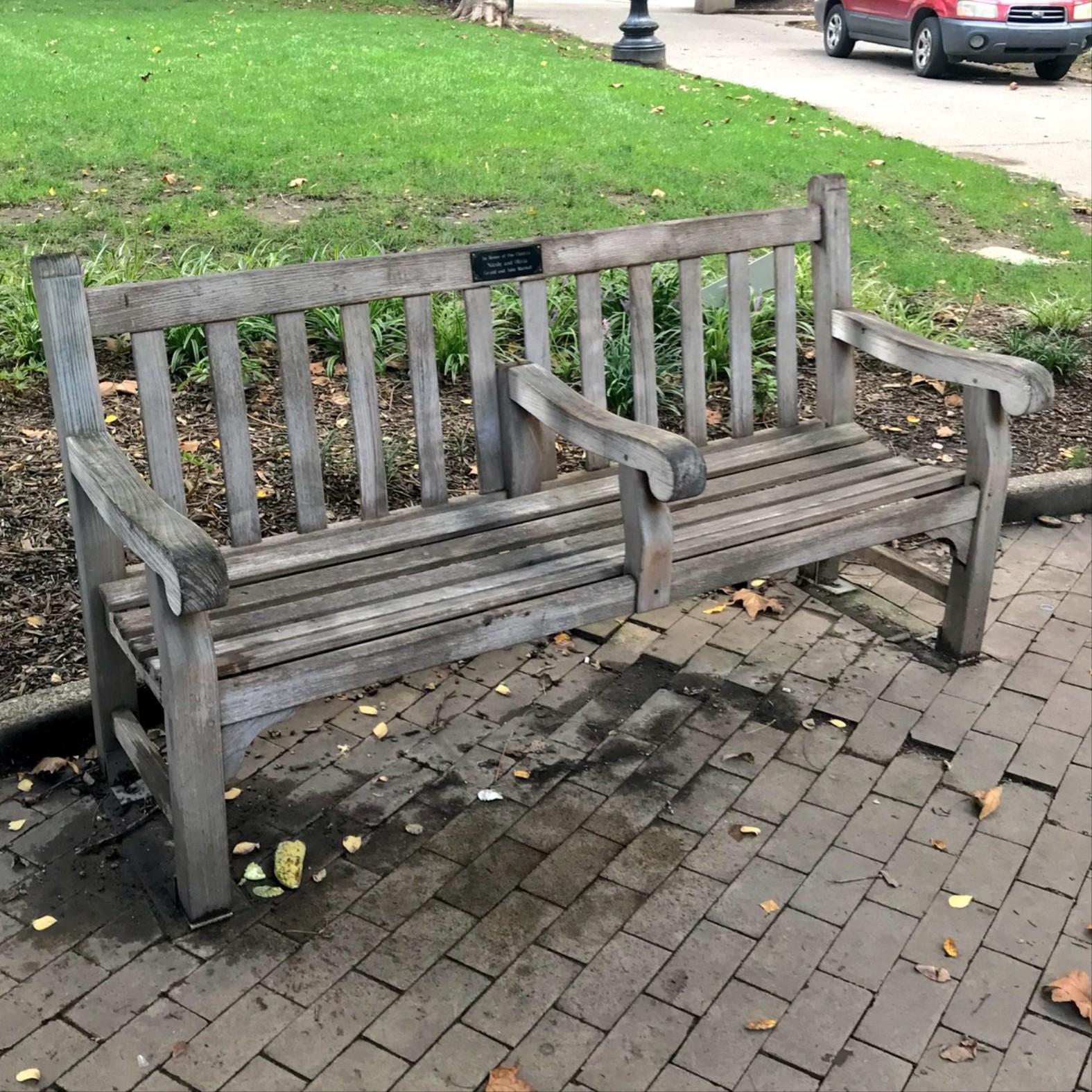
Just because you don’t want to see poverty, doesn’t mean it has gone away

It is easy to forget the poor. When you have enough of your own problems, or when other world problems loom large, the problem of the homeless and destitute tend to fall out of focus. So it’s understandable that people’a attention goes elsewhere. I’d like to bring your attention back to it for a moment with this post with links to stories on it. Thanks for taking the time to do so.

Homelessness and poverty in Nova Scotia and elsewhere


Nova Scotia: like many places in the world, Nova Scotia is struggling to deal with homelessness and poverty. There were a number of homeless encampments in Halifax, and the government took steps to deal with this, although not always successfully. The stories I have been following were around building new places to live and getting rid of the encampments, like these:


The rest of the world: while I was focused on what was being done in Nova Scotia, I also have been following stories on poverty and homelessness in the rest of the world

Finally: VOX had a good piece on how you can help others suffering  homelessness. And the New York Times has a section called Headway which is Exploring the world’s challenges through the lens of progress and touches on homelessness and other social issues.

P.S. Remember, the problems of poverty are simple and solvable. Also, homelessness is a concurrent disorder.

The problems of poverty are solvable and simple. But instead….

The problems of homelessness and poverty are solvable and simple. They take money, and they take concentrated effort. Doug Saunders explains how London solved its homeless problem doing just that. But eliminating homelessness isn’t enough. Once people are housed, then they need support to eliminate their poverty. Such support is worth it. Studies like this show that public guaranteed child support programs help reduce poverty worldwide. Or these studies like this one in Nature on the positive effects of cash transfers on adult and child mortality in low- and middle-income countries, Or this piece on how CERB training programs during the pandemic helped people find better jobs which also reduces poverty.

It all makes sense to me. That’s why I find it deplorable when I read that the American federal policy on homelessness is becoming a new target of the right. Or that the GOP is striving to cut SNAP benefits and are trying to make it more difficult for people to access social assistance.

After all, the United States is the wealthiest country in the world. If any place could eliminate the problems of poverty, they could. But rather than putting in the effort into helping the homeless, their cities are demolishing  homeless camps and forcing people out of hotels homeless people were using during the pandemic.  (More on that, here).

Canada is not much better. We also are wealthy. We could also eliminate poverty. But we have also demolished our homeless camps and forced people out of hotels that they stayed in during the pandemic.

It’s easy to fall into despair. When I do, I try to read stories like this one on  Nashville’s Father Strobel. Also good is this piece on how  ending chronic homelessness is a mission of love. Or this on  shelter and palliative care for the homeless.

We need to do better. We need to be more like London, less like so many other places. It’s simple. It’s just not easy.


Falling

We don’t talk much about poverty anymore. We talk about the middle class a lot. We don’t talk about the upper class or the rich anymore: instead we talk about them in terms of percentage points. And we don’t talk about the poor as much as we talk about those who are homeless. But there are still poor people in our society, and one member of that group wrote about it here: Falling.

He has a home, he was middleclass, and now he is poor. The story is sad but not exceptional.

I don’t know why we don’t talk about the poor so much any more. Perhaps we see poverty as shameful, not for the people who are poor, but shameful for people who don’t see themselves as poor. I don’t know. I think we do need to talk about it and the spectrum of financial status, and I think we need to work towards a fairer and more equitable society. First, we need to look and talk about it more clearly.

When the homeless man is your son

I have read this often and think of it frequently, especially given my current status:  First Person: When the homeless man is your son – Orange County Register.

It’s a really good piece, and something you either don’t think about or don’t want to think about as a parent. Sometimes the world chews up the thing you love and try to care for, a tornado that comes through and destroys what you love, despite your best efforts. Tornados and other tragedies know nothing of your virtues and care nothing for the love you show.

What is hostile architecture?

You can find a description of hostile architecture here, but the best way to describe it is to show it, as Vice does here: Photos of the Most Egregious ‘Anti-Homeless’ Architecture – VICE. Once you see these photos, you will find you see examples of it everywhere in the places you frequent.

Most hostile architecture is aimed at homeless people. Sometimes it is obvious, like spikes installed on flat surfaces. Other times, it’s more subtle, like arm rests in the middle of benches. (Prevents homeless people from lying down on them.)

One of the problems with hostile architecture is that it allows us to pretend homeless doesn’t exist. If we don’t see homeless people, it’s easier to image they aren’t there. A lesser problem is that cities become more unliveable for all, because hostile architecture for anyone is hostile architecture for everyone.

We need more livable cities. And we need more support for homeless people. Hostile architecture is not the solution.

P.S. Not all hostile architecture is aimed at people. Some of it, like spikes on top of outdoor ledges, is aimed at pigeons. I’ll leave that for another post.

Resources to help the homeless deal with the cold in Toronto

If you see someone in Toronto who appears to need help in dealing with this cold weather, and you aren’t sure what you can do,  this page is worth reviewing: the City of Toronto’s Extreme Cold Weather Alerts page. It has numbers you can call and other information, including links to TTC Token Distribution Locations and information on 24-hour drop-ins available during extreme cold weather alerts.

Beyond resources related to cold weather, the city of Toronto has additional material on how to get involved to with the problem with homelessness in Toronto.

Obviously there are many more ways to help the homeless in Toronto throughout the year. These links are just a starting point if you are looking for information.