
On Ponzi Schemes

Charles Ponzi

Over on his Substack, Paul Krugman makes the case for Elon Musk being a Ponzi Scheme. He says: “We have a term for enterprises that look successful because they keep drawing in new investors and keep drawing in new investors because they look successful. They’re called Ponzi schemes. And Elon Musk is basically a human Ponzi scheme.”

I don’t know. Musk is many bad things, but I think he is more than a Ponzi scheme, based on this entry in Wikipedia. Now Bernie Madoff: his enterprise was a Ponzi scheme. But I think there is still some substance behind the enterprises that Musk is running.

Paul Krugman obviously know economics, but I think he is stretching things to insult Musk. Check out these linked pieces and decide for yourself.

P.S. Elon Musk and his companies may not be a Ponzi scheme, but this piece in Techdirt makes the case for how they are a scam, in particular SpaceX.

(Image of Charles Ponzi from Wikipedia)
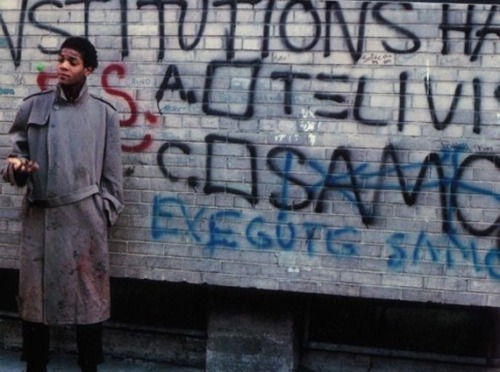
On Basquiat and Recent Crimes

Basquiat has been in the news this week on account of two alleged crimes: theft and fraud. In the first instance, this “Brazen” Couple Tries to Walk Out of Manhattan Gallery With a Basquiat. Nice try, brazen couple.

The other alleged crime is fraud, although the owners of these works deny that in this instance: Is the Orlando Museum of Art Displaying Fake Basquiats?

All I can say is to anyone buying these “new” Basquiats: caveat emptor.

(Image from this tumblr, which has quite a few good images of the man, including the one above.)

July 1, 2022: update. Looks like the FBI have decided to step in and deal with the works at the Orlando Museum. You can read about that here and here.

You likely know about phishing. But do you know about smishing?

Sorry, yes, there is a new form of fraud coming to get you. It’s called “smishing”. What is it?

“smishing” scams (the word combines SMS, the technical format for texting, and phishing) have become increasingly common. Fraudsters often create realistic-looking texts from seemingly reputable sources, such as FedEx or Amazon, which are then used to extract personal information: passwords, Social Security numbers, bank account or credit card numbers.

So, yeah, be careful about responding to text from people you don’t know and especially from organizations who may or may not be the real deal. For more on this, see: FedEx didn’t send that text about a package. It’s a scam. – The Washington Post