The New Dark. A glimmer of good thoughts in a bleak time plus the usual ramblings (i.e. the December 2024 edition of my not-a-newsletter newsletter)

It’s the time of year when it’s darkest in the Northern hemisphere. In my area the sun goes down before five o’ clock. It’s just getting started with Winter, as well. Not a hopeful time, but a time to do what we can. Likewise, I’ll try to do what I can and point out the bright stars in the night sky, so to speak.

When I started writing this not-a-newsletter newsletter in 2020, Trump was ending his presidency and the pandemic was starting. Four years later, the pandemic is done, and he will take over the White House and begin his second term as President.

It’s hard to believe he won. Many people tried to make sense of it, two examples being here and here. Did it matter that Trump is still an incredible liar? Nope. Did it matter that so many people talked about Trump being a fascist? Not enough. Maybe all that mattered was that voters wanted to punish incumbents everywhere over the suffering of the pandemic, and in this case, the incumbent was Joe Biden (and Kamala Harris). CNN seems to agree.

It would be some form of irony if after stomping out inflation due to the pandemic, Trump brought in new forms of inflation due to tariffs. My own belief is Trump will mainly use tariffs to shake down other countries and enrich himself, but one can never be too sure with him. (For more on tariffs and their effects, read this.)

It would be another form of irony if after vanquishing COVID due to vaccines, we suffered a resurgence of other diseases due to Trump and his disastrous pick, RFK Jr. (If you aren’t a supporter of or skeptical of vaccines, read this or this. Or read more on the addled thoughts of  RFK Jr. And by the way if you think Canada is immune to that form of thinking, read about how the town of New Glasgow is about to stop adding fluoride to water.)

RFK Jr. is just one of the many terrible actors Trump is raising up on the world stage. Elon Musk is another. In 2021 Musk was Time Man of the Year. In 2022 he bought Twitter, zombified it into X and his own personal megaphone, and now in 2024, after spending $250 million to help Trump, is being spoken of as co-president. I think this will all end badly, but that is going to be a way of describing the next four years in general.

Will Trump bring an end to the Russia-Ukraine war? Will there be peace in the Middle East? Possibly, though I suspect Trump will be used as a tool by others to bring it about, if anything. Maybe crypto will return from the dead? Perhaps the US will annex Canada?? Anything is possible. (Though what is most likely is Trump will waddle back to Mar-a-Lago for golf and personal enrichment and partying with sycophants and leave the governing to others.)

Anyway, enough with focusing on the dark. In bright spots, since the pandemic began, we have seen inflation come down, unemployment go low and the stock market hit a 10 Year high. That’s all good. So is the investment Biden and the US made in infrastructure. And I would be remiss in noting that we mostly have forgetten about COVID-19 because while it is serious, it is manageable, like the flu is manageable.

In other bright spots, Mexico elected the first president who is Jewish and a woman, Claudia Sheinbaum. Rebels in Syria overthrew the regime of Bashar al-Assad. And despite all the fear mongering on the right when it comes to trans issues, Americans elected their first transgender representative, Sarah McBride.

2024 finally saw the end of Taylor Swift‘s ginormous Eras tour. The tour brought a lot of happiness to Swifties everywhere. It brought a lot of money to the cities it visited, too.

Taylor Swift was not the only female pop star excelling this year. Us Weekly asked the question: Was 2024 the Biggest Year Ever for Female Pop Stars? I think the answer is “yes”. Grab that bag, ladies.

Not everyone who grabbed that bag felt like a winner. Proof once again that money doesn’t make you happy is the news that despite winning $20 million for this, Mike Tyson still seems heartbroken following the Jake Paul fight. (Although Mike seems bleak, generally.)

Let’s be less like Mike, less bleak, and more optimistic about the future. There’s lots of darkness in front of us, but lots of starlight too. Let’s keep an eye out for that as we head into ….

What you should have with you if you are in the hospital for a few days (and other tips)

Untitled

Based on my experience of being in the main part of the hospital as well as the ICU, I recommend that if you are going to be there a few days, ask someone to bring you the following:

Phone and phone charger: this is a must. You need to be able to keep in touch with people, and your phone is the best way to do that. Plus it can be a source of other information and entertainment.

(If you are conscious and not in too much pain, you will find the hospital very boring. Also the one time I did not have my phone I was left in a hallway and unable to move for over an hour until a porter came and got me. It sucked big time. You want to avoid that.)

Earplugs / noise reduction headphones / headphones: it is hard to get rest in the hospital. Even in the middle of the night it is a busy place, and staff are always about and not quiet. Earplugs and noise reducing headphones can help you defeat that noise.

Also, headphones (noise reducing or no) mean you can listen to your phone for entertainment and news.

Sleep mask: it can be hard to sleep in the hospital. Especially in the ICU, nurses are waking you all the time for checks and tests, which means you need to grab some sleep any time you can. Sometimes the best time to sleep is between breakfast and lunch. A mask can help you sleep any time of day.

Toothbrush, hairbrush and grooming supplies: unless you don’t care how you look, being able to take care of yourself can make you feel a bit better. I was able to have a shower after 5 days in the ICU and being able to clean up and brush my hair and look better made me feel better about my current state.

Blanket and pillows: if you can, have someone bring you a comforting pillow and blanket…maybe a nice sweater. Such things can make you feel good and even help you sleep and get more rest. You’ll need that, and you aren’t going to get too much comfort from the bedclothes the hospital provides. (Also if you are cold, you can ask the nurses for more blankets.)

Water bottle: it can be dry in the hospital. Having a source of water you can drink any time helps with that (assuming you can drink water). It can also help with coughing and if you have meds to swallow, having water can help with that.

Snacks: Often you may not want to eat the hospital food. Having acceptable snacks to eat mean you won’t have to deal with being hungry on top of everything else.

Other tips:

  • Go vegetarian: while I am not a vegetarian, I found going with a vegetarian diet helped. The food tended to be more flavourful and less disgusting than the meat dishes I was initially eating.
  • Move around: if you can, move around. Even getting out of the bed and walking around the room was a big lift for me. Have someone accompany you as you got down the hallway. I got to go to the shopping area in Sunnybrook after being in the ICU and ward for seven days, and it was delightful. Don’t let the bed trap you.
  • Always ask for more: don’t settle for what is provided. Ask if you can move around. Ask if people can bring you food. Ask the nurses for more food if you are hungry. Ask if you can go to the bathroom by yourself. Ask to see the doctor. Ask when you can go home. Don’t accept the status quo. Everyone in the hospital is busy or preoccupied. If you don’t ask, you may be unnecessarily making things worse for yourself.
  • Ask different nurses for advice: Once I was lucky to get a nurse who offered me different treatment than the other nurses and that improved my condition and my stay immensely. Don’t forget: every nurse is different. Some have a better bed side manner, others are technically better…occasionally you may get one who should take up a different profession. Regardless, don’t assume they are all the same.
  • Know your medication schedule and track it: a few times in the hospital I didn’t get the medication I needed when I needed it and I was too unsure to ask, and that led to needless suffering. Know when you should get your meds, especially those for pain relief, and ring the nurses if they are late. (They may be late because they are busy but they just may have lost track of time.)
  • If the medication doesn’t seem to be working, say so: don’t assume you don’t have options. If the medication isn’t helping you, ask if there alternatives and ask for the pros and cons of them.
  • Be appreciative of those who are helping you: it is difficult for them too, even if you are the one who is ill. Do what you can to make it easier for them and make sure they know how thankful you are for what they are doing for you, whatever it is. This also goes for the staff. Healthcare can be a hard job: you can make it easier for the people working in the hospital by being kind.

Does participating on social media contribute in a positive way to your life?


Does participating on social media contribute in a positive way to your life? I came across a form of that question today. I think it sometimes can. And because it sometimes can, I think we are led to continue to participate. But even in that case, is the occasional positive contribution enough to keep reading various feeds every day? Is it enough to keep creating user generated content? I don’t know the answers to those questions these days.

This post, for example: I think the positive thing about it is it allows me to set a marker for myself. Such markers, in a sense, are a way of contributing to my future self in a positive way.

On the whole, though, is my participation in social media a positive thing? It’s something I am going to be thinking about in the new year. Perhaps you will too.

Boxing day advice, recycled

Rather than write something new for Boxing Day, I thought I would recycle some of my old posts, such as:

Ten good pieces of good advice

Untitled

  1. Here’s some simple advice for personal finance.
  2. Something to think about after the holidays: Paul Graham on Work.
  3. For small home lovers:  How to downsize before you move into a small home.
  4. Relatedly, here’s the difference between Peter Walsh and Marie Kondo’s decluttering methods.
  5. Here’s Martha on things that make your home look messy.
  6. For those feeling hopeless: the joy was leaking out of my life… talking to a friend saved me.
  7. In case you are feeling down, here’s a mental health wellbeing check in.
  8. A good list: 50 things I know.
  9. Also good: to lead a meaningful life become your own hero, perhaps.
  10. I don’t agree with this, but it’s interesting: saving seconds is better than hours.

The Christmas Trees of NYC

peninsula hotel xmas tree

There are many reasons why Christmas in New York is special. One reason is that New Yorkers go all out when it comes to decorations. Especially when it comes to Christmas trees. Sure, the Christmas tree in Rockefeller Center is great, but you’d be missing out if you went to Manhattan and only saw that one. There are at least 15 Christmas Trees in NYC that are great and not in Rockefeller Center, as that link will prove. Check some/all of them out. You’ll be glad you did.

On making paper snowflakes for Christmas (and other great Christmas advice from Martha and others)

paper snowflake

If you are looking for a low key, low cost Christmas craft to help decorate your place, I highly recommend making paper snowflakes. If you have kids who are getting under your feet while you are doing other things, teach them how to make snowflakes and get them to make a bunch. Then gently tape them to the wall or hang them with some thread. Your place will look more Christmas-y for sure.

If you don’t recall how to make snowflakes, here are three places to go for advice on them: One Little Project and A Piece Of Rainbow and Martha Stewart.

Of course Martha has more than good advice on how to make paper snowflakes. She has a section of her site devoted to holiday crafts and Christmas. So if you feel you need some inspiration on how to make your home life more festive, check out those links.


On the value of keeping a Christmas list (and why you might want to do so)

Back in 2005 I created a Microsoft Word document titled Christmas 2005. I did this because it seemed like Christmas was becoming a project in itself, with milestones and deliverables, and having such a document helped me keep on top of things. The document had a calendar, breakdown of things to do (e.g. get gifts for A and B, prepare food Y on date Z), and eventually it had lessons learned. (Hey, I’ve done a fair bit of project planning over my career…it’s a skill you tend to apply to everything.) Every year since 2005, I would take the previous year’s list, duplicate it, and modify the duplicate for the new year. Voila: new list!

But I kept the old lists, and I’m glad I did. I can see my life change year over year. People come and go. The gifts you buy for people change, especially kids.  Technologies change (no more need to buy VCR tapes to record the kids). Traditions evolve. Even details like the price of Christmas trees over the years makes an impression viewed over time. The list remains the same, but the content changes, sometimes dramatically.

I encourage you to keep your own such records for Christmas and other special events over the years. At first it might not seem like much, but if you keep at it, you will have a special journal of an event that meant much to you over time.

Everyone has their own way of planning special events, from structured plans like me to having it all in their head. However you do it, try keeping a record of it. This year. And next year. And the next.

Merry Christmas. Did you get all those things done you said you were going to? No? Better write it down and get to it. 🙂

Lessons learned from working on my Raspberry Pi devices (and Raspberry Picos too)

This week I successfully set up five Raspberry Pi devices at home: 3 Pi Zeros, 1 Pi 400, and 1 Pi original. Plus I have two old C.H.I.P. computers that work. I had struggled with using them in the past, but this time it was a breeze due to the lessons I’ve learned. Here’s some of these lessons:

Get wireless ones: I originally had Pi Zeros and Picos without wireless capability. And that can be fine if you know you don’t need it. But it is helpful to be able to have them communicate wirelessly and it gives you more flexibility, even if it costs a few more bucks.

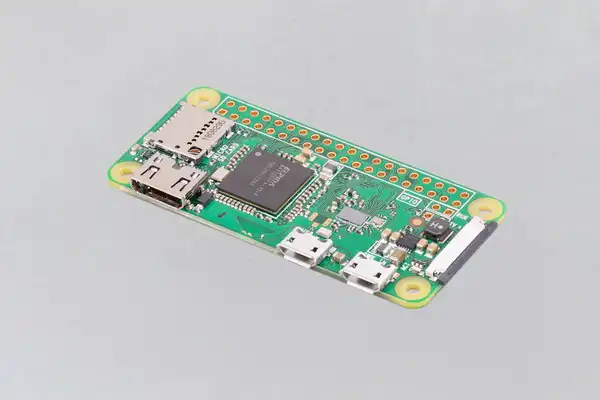
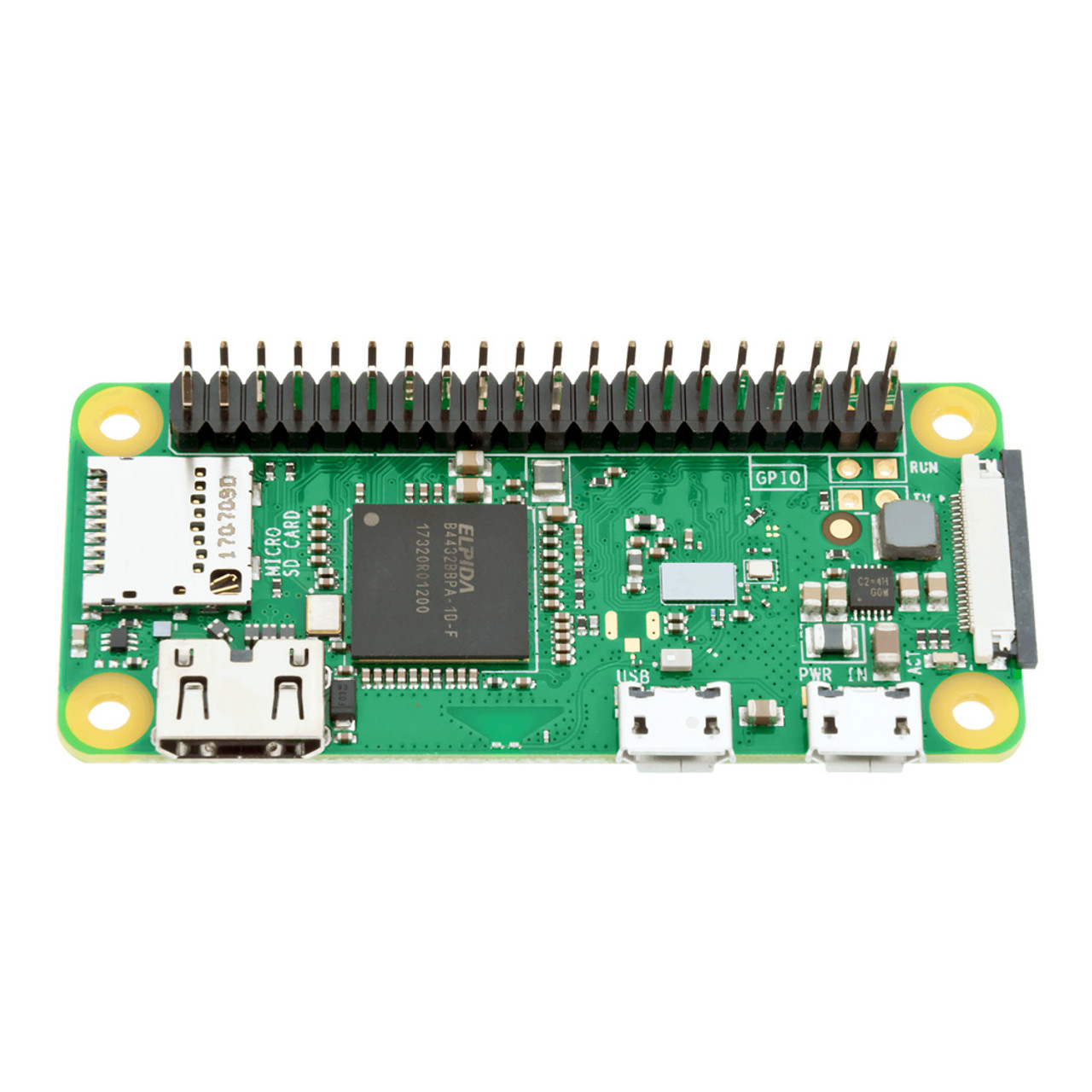
Get headers: again, I had some Pi Zeros and Picos without headers. Unless you are good with soldering, get the ones with headers. It just makes it easier physically  connect them to other technology. The Pi Zero above has no headers, the one below does.

Keep track of all the connectors you need and kept them handy: With the Pi Zeroes, I have a set of adapters that allow me to connect it to power, USB and HDMI. Once I have it set up, I just need a cable to provide power and I run it in headless mode (which I can do because of wireless). I have a special box for all that stuff so I can easily find it.

Give your Pis unique hostnames: if you are going to be connecting to them via ssh or scp, then give them a unique host name. You can do this when you set them up. What’s nice about that is once they connect to the wireless network, I can easily identify them. For example, I can ping pizero1 or I can ssh myuserid@pizero2 versus trying to find out their IP address of 192.168.0.??

Designate a machine for setting up the Pis: for me, I have a Pi 400 that I use to program the Picos. And I have a Ubuntu machine to format the SD cards. But you do what works best for you.Having a consistent environment means when you run into problems, the problem is likely not with your environment but with the SD card or the Pico.

Avoid obsolete or tricky technology: in the past I got discouraged by trying to get old or tricky technology to work. I had old dongles that gave me errors when trying to build the SD cards properly; I had old unsupported Digispark devices that would not work at all; and I had some Adafruit devices that were cool but the path to success with them was challenging. In the future, I am sticking with tried and true technology from Arduino and Pi. Don’t make working with such devices any harder than it has to be.

Get cases for your Pis: if you are going to use them on the regular, get a case. Even a cheap case make it look like a finished and working device and not some hack. Not only does it look better, but it will likely work better (i.e. the cables will not move around and lose a connection). And make sure the case you get is made for your device so it will fit properly.

Document as you go: keep some log of what worked and what didn’t. Take photos of successful set ups. Save all the good web sites that helped out. Better still, blog about it. (If you search this blog for “raspberrypi” you will find the things I have found and written about.)

Good luck with your projects. May they go smoothly.

In praise of this 37 in 1 Sensors Starter Kit

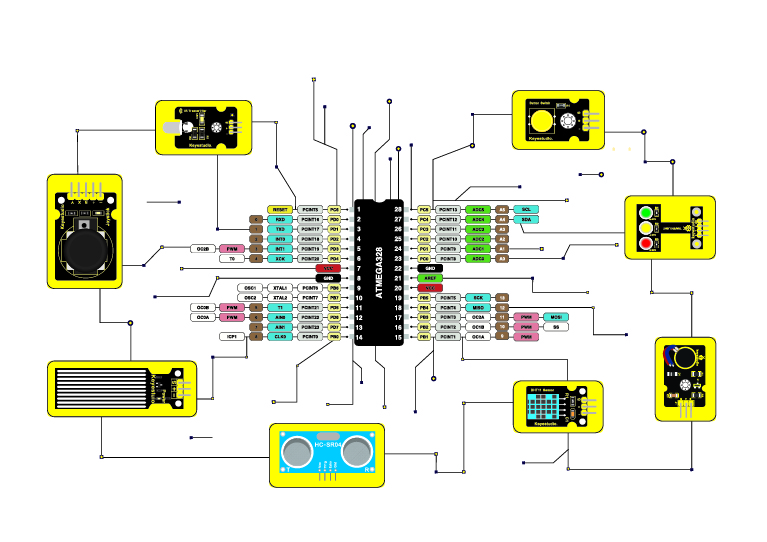
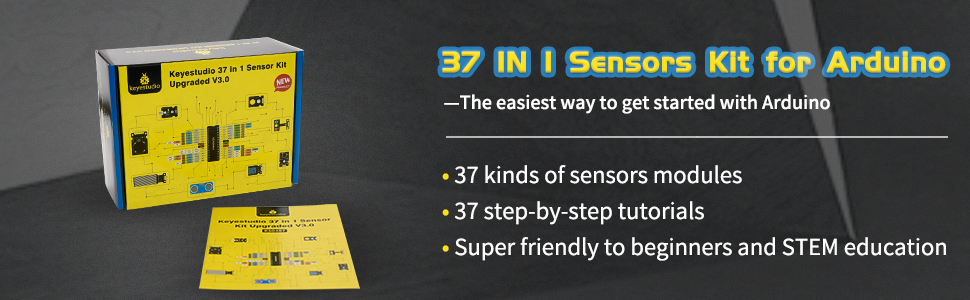
If you’re like me and you’re doing work with an Arduino or a Raspberry Pi, you are going to want to hook it up to something. Now the something might just be a simple button or an LED, or it might be more sophisticated like an infrared receiver or a heat sensor. If that’s you, then you want to consider getting this:  KEYESTUDIO 37 in 1 Sensors Starter Kit for Arduino Mega R3 Nano Raspberry Pi Projects (on amazon.ca).

It says Sensors starter kit, but it has a nice collection of LEDs and buttons, too. Each of the 37 items are easy to plug into a breadboard or you can connect them to your Pi or Arduino with wires.

Other great things:

  • the sensors are all labelled. That means you won’t be pick one up months from now and asking yourself: what does this do?
  • their documentation is really good. It’s online, here. (Note, their site is slow: I printed the long web page into a PDF that I can quickly refer to.)
  • The sensors have their own resistors built in. That way you don’t have to put your own resistors between the Pi and an LED, for example.
  • there is a wide variety of sensors in this kit. You will be able to do many a project with all these sensors.

I’ve purchased sensors in the past, and the problems I’ve had with them are gone due to this kit. I’m glad I bought it.


In praise of the Philips Hue lighting

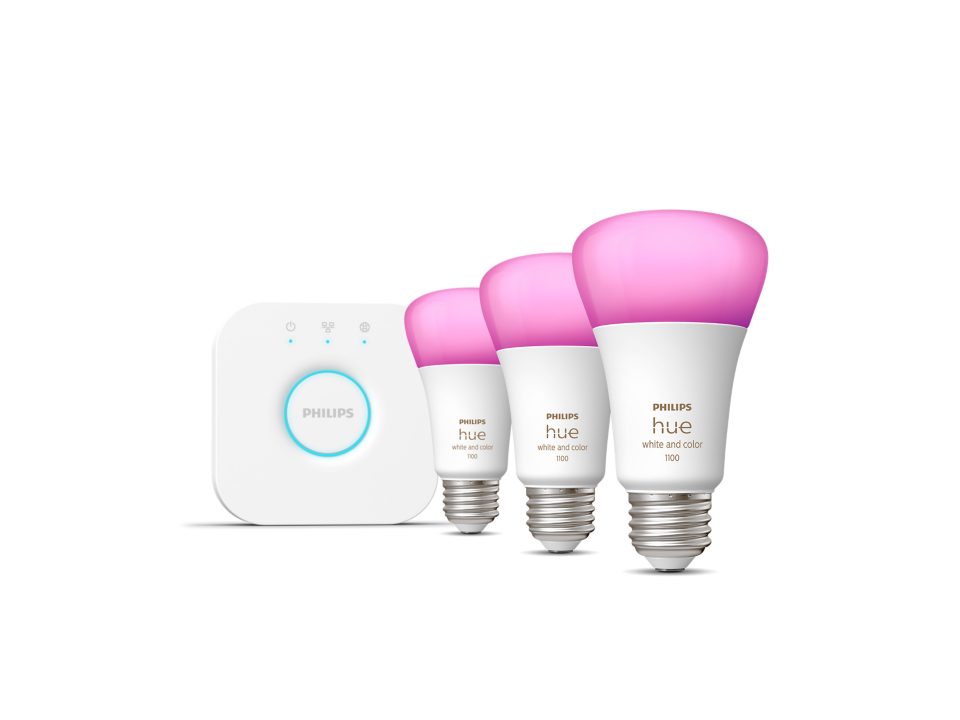
If you are curious about the Philips Hue lighting system, I highly recommend it. I have two white bulbs, four coloured bulbs, two Go lights, a switch, a smart plug and a bridge. I’ve had them for over seven years now and they are still going strong. The white bulbs are in the basement where I just need basic light, while the coloured ones are on the main floor and give me lots of lighting options. The Go lights are great because once charged you can move them around to give you just the lighting you want where you want it. Finally the smart plug is for a lamp that doesn’t take their bulbs.

The technology is easy to set up. I bought the plug just last week and plugged it into the wall and plugged the lamp into it. Then I opened the app, told it to find the plug (which it did), then I added it as a light in that room. (By doing that, I can turn out all lights in the room easily.) You have a lot of control using the Hue app, and it’s easy to use.

Besides being easy to set up and use, they also integrate with the web site IFTTT.com. That allows me to do things like turn on at dusk, or have them turn a certain colour if the weather is going to suddenly change. I even have it so a raspberry pi flicker them when an event it is monitoring occurs, so I don’t forget about it.

Some people find the bulbs expensive, which I get. But they do last a very long time, and they provide me with capabilities not found with other lights (although I know other manufacturers are out there).

You can find out more about it, here. I’d recommend one of the starter kits and then go from there. You need to have a bridge, so if you just buy the bulbs separately, it won’t work.

On holding these three thoughts in mind at once: The world is awful. The world is much better. The world can be much better


Over at the site, Our World in Data, they make the case that:

The world is awful. The world is much better. The world can be much better. All three statements are true at the same time.

There are people who only want you to believe only one of those statements is true. Strong minds can hold on to all three at once. Be one of those minds.

From RAG to riches (What I find interesting in AI, Dec. 2024)


Here’s my latest post on AI with 60+ worthwhile links found since my last post on it in June. It comes in three sections: the first section is about AI technology, the middle section is on AI in the news and the oped pages, and at the end there’s a good but odd bunch worth a look. Enjoy!

Technology – LLMs:

Technology – Ollama / Flowise:

Technology – RAG:

Technology – watsonx.ai:

AI in the news / oped sections:

Last but not least: