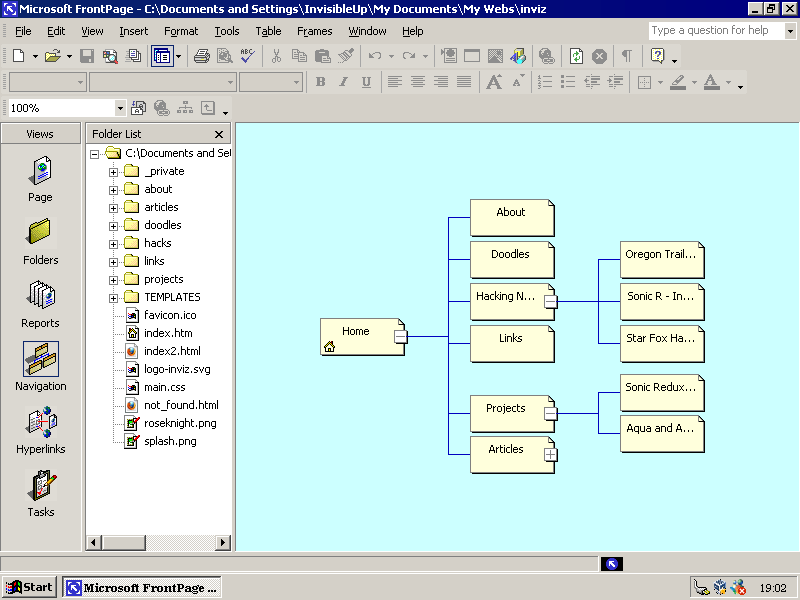
It seems like a century ago, but when the web (or WWW for world wide web) first started in the 90s, web sites were fun. There were no standards and very few rules, which meant people were free to do what they wanted within the restrictions that HTML and web servers put on them. As a result, you never knew what you might get when you first went to a new URL. And if you followed sites that highlighted other noteworthy sites, you were sure to find something cool or fun or even mind-blowing.
Nowadays, most web sites are anything but that. Informative, yes. Useful, mostly. But fun, rarely.
If you yearn for fun web sites again, I’d like to point you to this site: Tiny Awards. That particular page shows you the sites up for the honour of Best Tiny Web Site for 2026. These listed sites might not be informative or useful, but they are fun. Better still, the finalists and winners for previous years are down at the bottom of that page. So you have plenty of fun sites to browse.
Check out Tiny Awards and all the sites listed. Also consider digging around. I noticed one site had a URL of https://neal.fun/cursor-camp/ so out of curiosity I went to https://neal.fun and much to my delight I found out that Neal has plenty more fun sites.
Enjoy. Have fun!
P.S. I was reminded again of how in the beginning, all websites started with www (e.g. http://www.cnn.com). This made sense at the time from a technical point of view. Also sometimes people would enter http://www.siteabc.com:80 to tell the server you wanted to get information from port 80. These days most servers send information over port 443 and don’t need the www any more. The things you forget!
 Once upon a time, web sites were simple. Now they are complicated and sometimes bloated. Just go to the web site of news organizations like CNN or the New York Times and you will know what I mean.