
Do you assume that workload automation = loss of jobs? If so, I want to share my experiences as an automation specialist many years ago. The technology has changed, but the approach still holds.
There were two projects in particular I want to talk about to show how automation can be done. In project #1, there was a large amount of operations work to do, but only a budget for a small subset of it. My role was to automate activities that we wanted to do but didn’t have budget for. In the end I automated the equivalent of 10 full time employees. No one lost their job. You might counter: well, no one lost their job, but 10 people that could have done the job were not hired. The problem with that counter argument is that my organization did not have enough money to hire for that work. The automation meant that the quality of our work improved, and the people doing the budgeted work continued to be able to do their work.
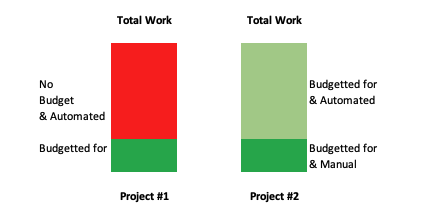
On project #2, there were 2 people responsible for reviewing digital requests for mainframe access. After automating 90% of the review process, the two people continued to work on reviewing requests. The difference was twofold: people got their requests approved much faster and the two people focused on more complex requests that the automation couldn’t deal with.
In both projects, there were improvements in both the quantity of work able to be done and the quality of work done. Not only that, but the people whose work was automated were able to focus on the tasks that required more thought.
Workload automation can result in retaining staff and can also result in higher quality work and more productive work. It even can result in staff having more fulfilling work. That’s the way I believe workload automation should be done.
P.S. I wrote about workload automation 10 years ago! Back then the fear was kiosks were taking away jobs, now it’s A.I. causing the fear.

