The WFH wars and other work related ideas

Zoom — yes, that Zoom — was in the news lately due to their mandate forcing people to work in the office. Here’s just one of many pieces on it. Buried at the bottom of that piece was this:

Zoom (ZM) has had its own difficulties as demand wanes following a pandemic-fueled surge. In February, Zoom (ZM) cut approximately 15% of its staff, amounting to about 1,300 employees, after growing too quickly. Members of the executive leadership team also reduced their base salaries by 20% for the coming fiscal year and forfeited their fiscal year 2023 bonuses.

Relatedly, a union drive is underway at Grindr. So what does Grindr management do? Try to force employees back into the office too. See here for details.

Look, management can have many reasons for having people come back to the office. While those reasons are often portrayed as positive, they might not be. Want to shed employees because business is bad but don’t want to have to lay them off? Then force them to come into the office like Zoom. For some it will be impractical or undesirable and they will leave. Voila: workplace reduction achieved. Want to make it difficult for employees to organize a union? Make them come to work where you can monitor them closely. None of these things are about employees being more productive, etc….they are about using the office as a weapon to manage your business woes.

I suspect these WFH (work from home) battles will be ongoing for a few more years, until leases come up for renewal. I could be wrong, but once that happens, I suspect more and more companies will eliminate costly office real estate from their assets and working from home (or temp offices) will become the norm. That’s going to occur over the next few years though, not immediately.

Meanwhile expect more WFH stories as employees and management adjust to our post-pandemic work life. Stories like this: some executives are finding  forcing workers to come into the office is a big mistake. Or like this piece that argues the way to get employees to come to the offices is by giving everyone their own office. (I personally think that’s a nonstarter.)

Regardless of where you are working, here’s some tips on balancing work and life I recommend you read. And if you do have to go to the office, read this good piece on how leaving the office at five is not a moral failing,

To close off, here’s three pieces on badness at work:


Work outside kinda! The desk/office leaves the building


I love a good place to work. While for many those are found within the home or in an office space, there are some found in neither.

Case in point is this very cool portable affordable micro office that can be placed in your backyard or out in public (above). It can go inside, but it works great in a backyard or an office patio.

Now if you want to get out of the house because it is making you claustrophobic, you can work outside all year long with this unit (below).

It looks like a shed in that photo, but if you click through, you can see just how attractive and unshed like it is.

Finally, if you yearn for something really deluxe, then  these 3d printed pods that are sustainable personal offices that you can subscribe to just like netflix might be just the thing you need (below).

All three links have plenty of additional detail on these great person workspaces. Check em out.

Up and at ’em! Here’s some good stuff on remote work, office work, quiet firing and more


Hey, welcome back to work. Here’s some things to think about as you start (postpone?) your work day and work week:

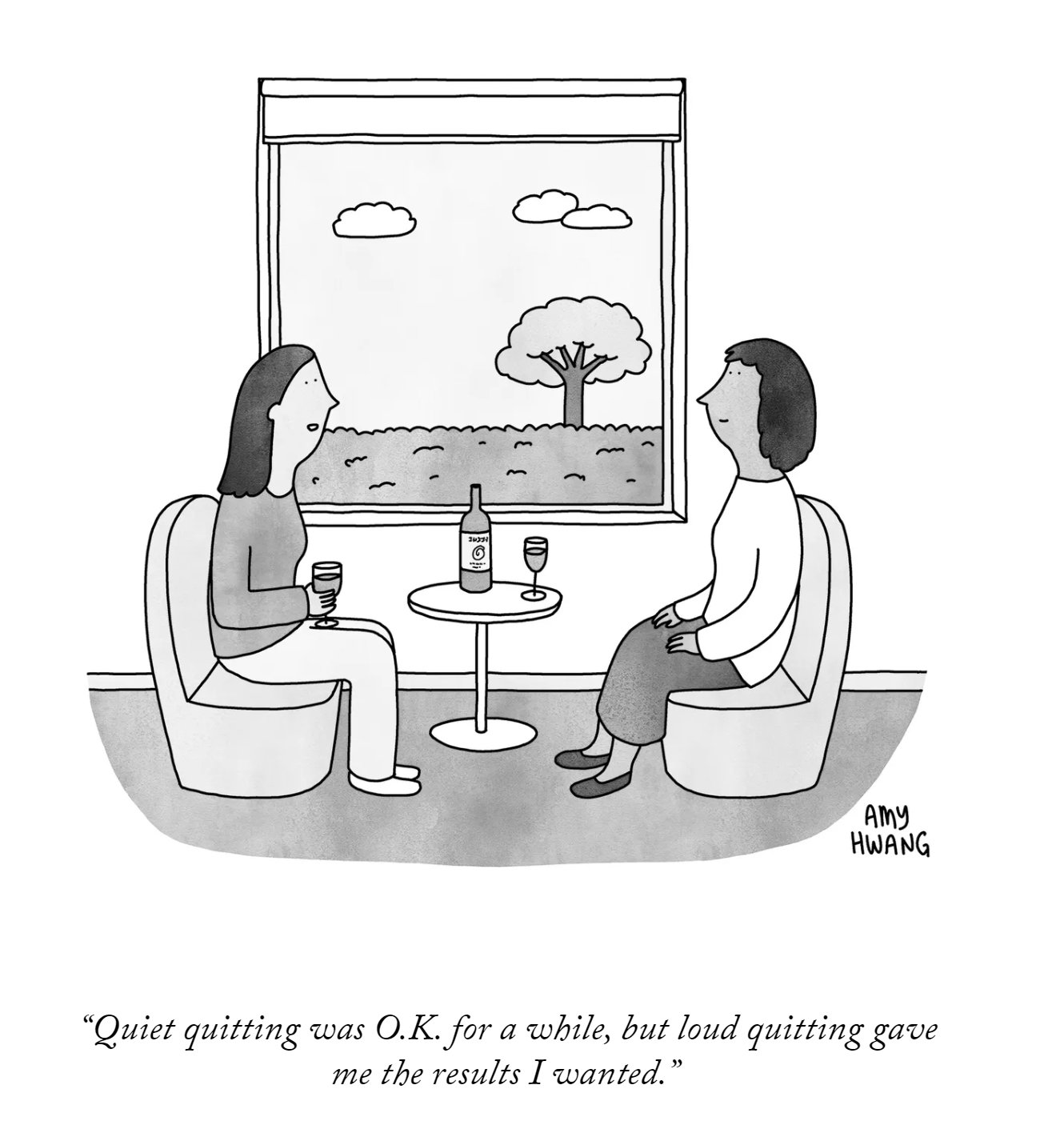
Quiet Firing: first there was a trend about quiet quitting. Now there is a new thing: quiet firing. You can read about it here at huffpost and life hacker. I don’t know if this is a real trend or just something the next gen of workers are noticing. My take: if you are being sidelined or ignored, look for ways to discuss it with your boss or your HR people. You are responsible ultimately for your career, but you should also be getting the support you need to succeed. If you aren’t getting that support, you need to take action.

Remote work: One form of action you can take is to go and work some place else. If you want to remain a remote worker, consider these 10 companies that will let you work from anywhere and are hiring now . Or review this list of most in demand work from anywhere jobs. You are going to get pressured to go back to the office because …spurious reasons. Consider your options.

Office work: if you are looking forward to going back into the office, don’t forget: open office plans are awful and this piece reminds you why. Even if you work in a good location, you also need to consider how to deal (once again) with work distractions . You can’t ignore the coworker who sits in your workspace the way you can ignore you coworkers on Slack, I’m sorry to say.

Side-hustles: Maybe you plan to start up a side hustle? If so, read this, how to successfully bootstrap your startup , and this, is your side hustle is causing burnout? What to do before you quit.

In general: consider this,  is work intrinsically good?. Remember what Toni Morrison said about work. And finally, update your LinkedIn work profile.

Go get ’em.

If you want to recreate a cubicle in your home, you can (but why would you??)

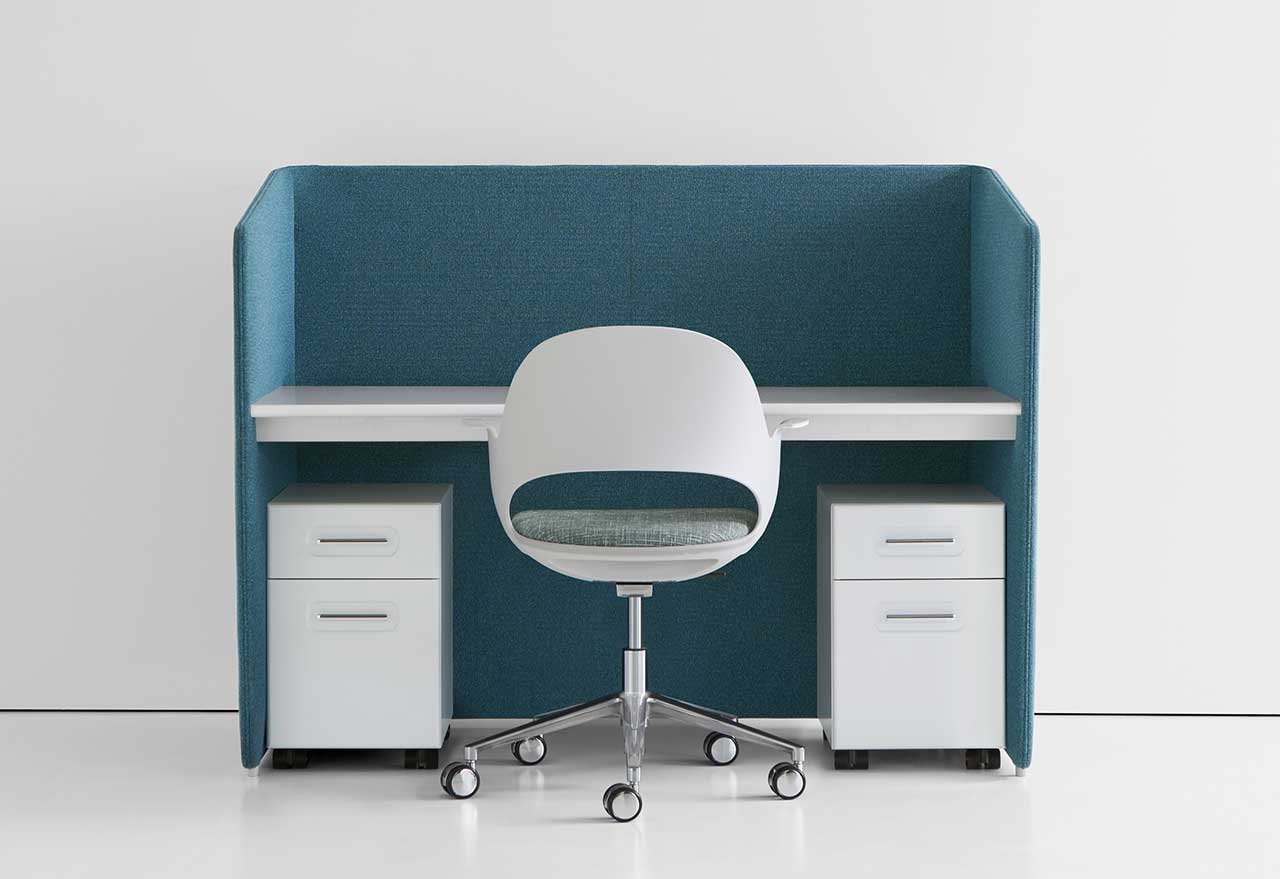
Hey, if you are really really really missing your office cubicle (why?) and you want to recreate that at home (why??), you can, with this:

Cubicle at home

It’s called the Hug desk, and you can read about it, here.

Please try and make a nice work place in your home instead. I wrote about home offices to die for, here.  These are much better to recreate, imho.


On the difficulty of meaningless work

I thought this piece was  insightful and worth reading:  Too Many Jobs Feel Meaningless Because They Are.

One of the examples from the piece was especially insightful:

Consider the case of Eric, a history graduate hired to oversee a software project ostensibly intended to improve the coordination of different groups in a large firm. Eric only discovered after several years on the job that one of the firm’s partners had initiated the project, but that several others were against it and were acting to sabotage its success. His job — and that of a large staff hired beneath him — was a meaningless effort to put into place a change that most of the company didn’t want.

This is not to imply that all companies are like this. Companies can be efficient and well aligned and the vast majority of the people in it can feel like the work they are doing make a difference most of the time. However there are also companies which are not well aligned and there are conflicts within the organization. When that happens, the work being done may be meaningless, despite the fact that someone wants it done.

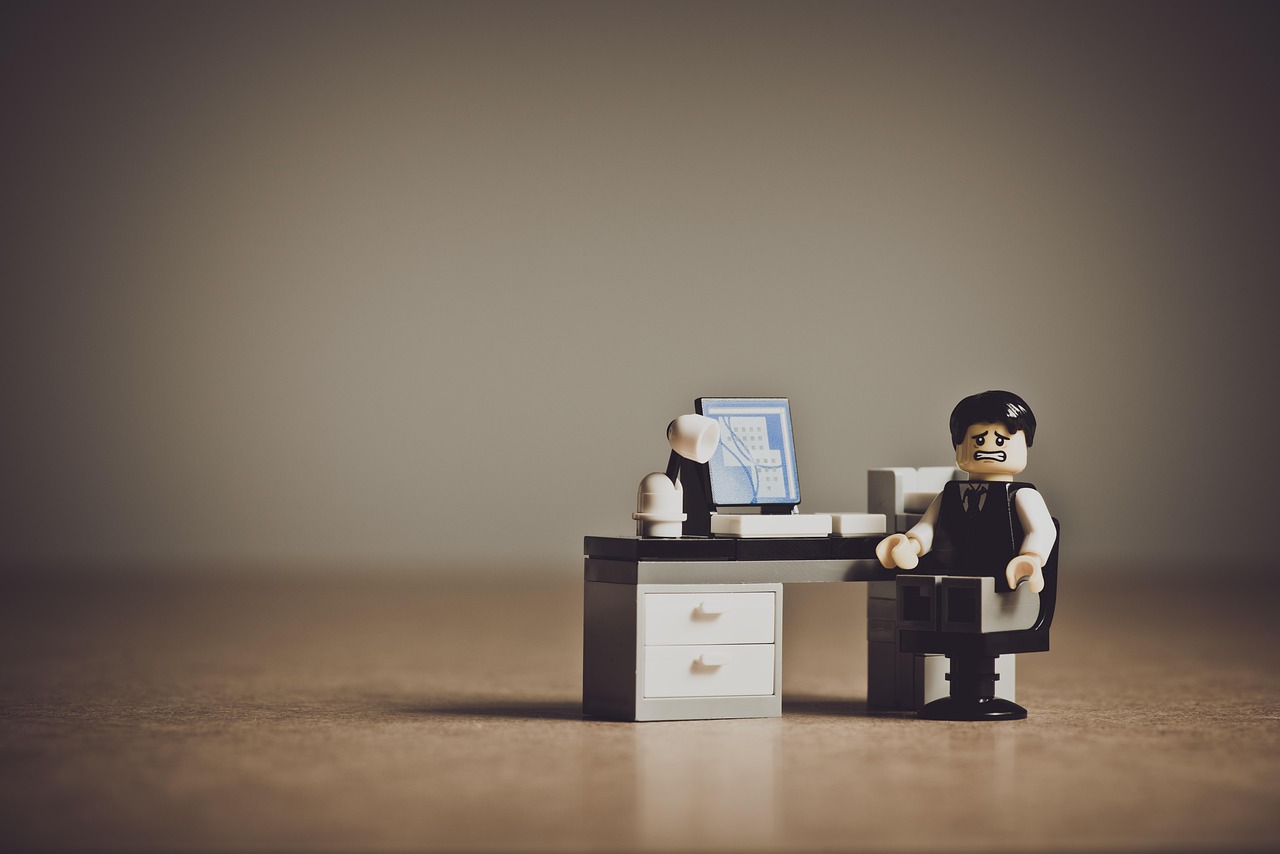
Work can be hard for a number of reasons: too much of it,  difficult people to work with, etc. But it can also be hard if it is meaningless, even if everything else is good.

LARPing your job: a guide to thinking about how we work now


The nature of work is always changing, and if you want to think about how we work now, I recommend this piece: LARPing your job.

Work has always been performative. With more flexibility and less well defined jobs, this becomes more and more important. How do you show your value? How do you demonstrate you are working hard (or working at all)? That piece addresses that. As for the title, if you want to know what LARPing is, you’ll have to read the piece. 🙂

Is Slack the end of email?

Slack may not be the end of email, but some version of it is likely going to result in a decline in email. If it won’t be slack, it might be one of the ones mentioned here:

Speaking of Google, the company has a Slack alternative of its own, called Hangouts Chat, as does Facebook, in Workplace. Microsoft has Teams, which is bundled with its Office software and which the company says is being used by more than 500,000 organizations. This multi-front attack on email is just beginning, but a wartime narrative already dominates: The universally despised office culture of replies and forwards and mass CCs and “looping in” and “circling back” is on its way out, and it’s going to be replaced by chat apps.

I doubt email will go away forever: that’ not how tech works. Dominant tech tends to fade away rather than outright collapse. That’s likely what will happen with email.

Will Slack et all be better? Good lord, no. Just different. Some aspects of it are better, and many aspects will be worse than email.

For the curious, here’s more on this idea:  Slack Wants to Replace Email. Is That What We Want? – The New York Times

Why I think Microsoft Office for the iPad is a big deal

Microsoft is providing Office for the iPad, starting today (See this for some of the highlights: Microsoft Office For iPad Launches Today).

This is one of those milestone events in the history of Microsoft and Apple, and the computing industry in general. Back in 1997, after Steve Jobs returned to Apple, there was the big news of Microsoft investing $150 million in Apple (CNET News).  And not just money…

Microsoft chairman Bill Gates said today that the software giant will invest $150 million in Apple and will develop and ship future versions of its Microsoft Office, Internet Explorer, and development tools for the Macintosh

Back in 1997, Microsoft was dominant and Apple was dramatically regrouping. Apple needed Microsoft, especially their software. Now Microsoft is trying to pivot from the PC market (which is rapidly declining) to the future, which is mobile and cloud based. A future where Apple is currently one of the dominant players, and Microsoft is struggling. Microsoft needs Apple’s hardware, just like once Apple needed Microsoft’s software.

It is hard to say if this is going to change things around for Microsoft. I never count them out, ever. In the meantime, this is another sign that their transition is still a work in progress.

If you want to get it, you can get it here: Buy Office 365 Home Premium – Microsoft Store