
S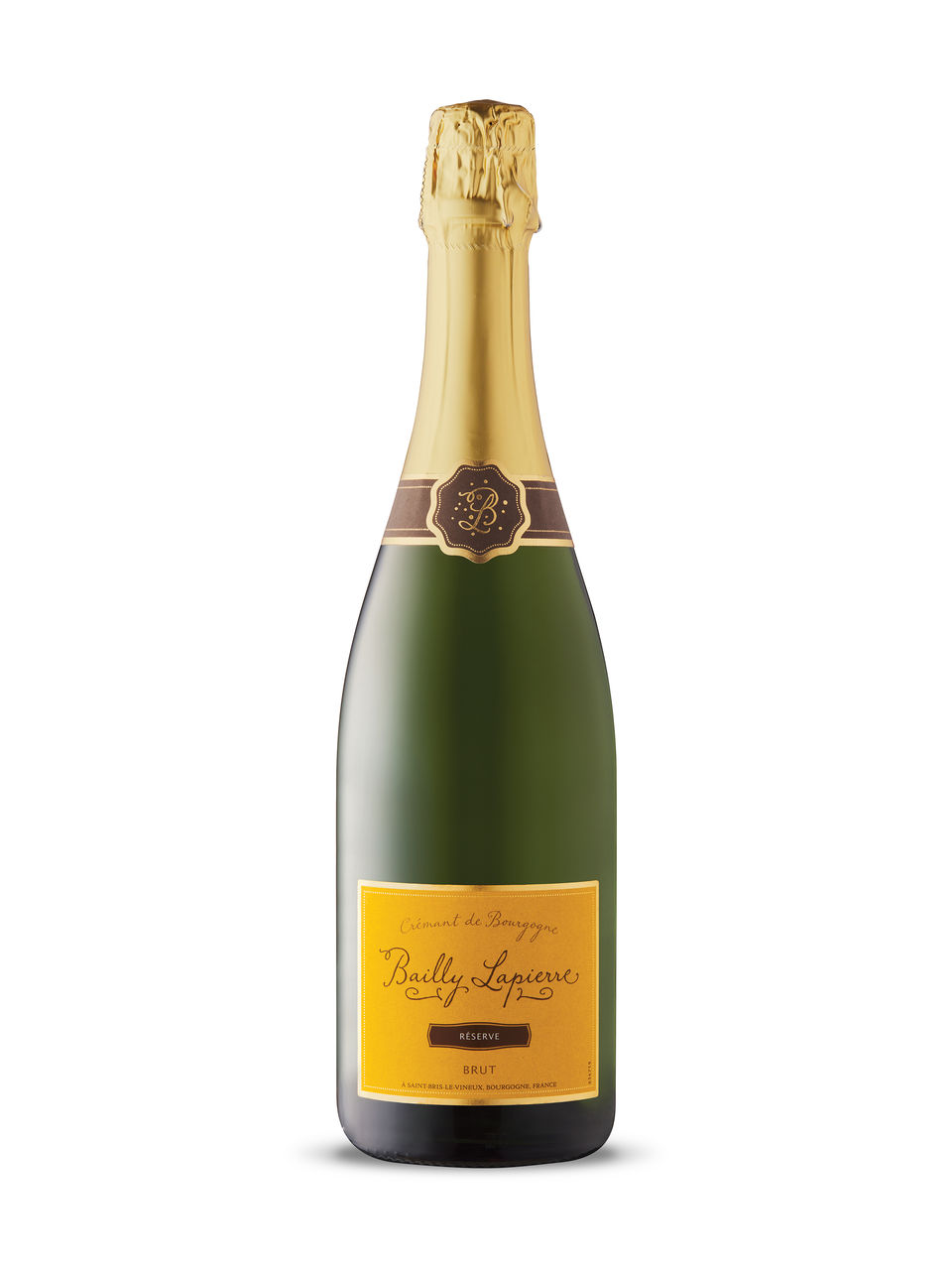 ure you can celebrate with a bottle of champagne. Or you can pop open some cava or prosecco if you want some every day bubbles. But if you want something in between that’s well priced and delicious, you want a bottle of Crémant. As Food & Wine notes:
Crémant has the unique distinction of being both deeply appreciated by many wine professionals, yet stubbornly under the radar among most consumers. Among the most delicious — and deliciously versatile — sparkling wines in the world, Crémant remains somewhat of a mystery.
In terms of how it compares to champagne and prosecco, F&W says:
At its core, Crémant is a category of French sparkling wines that are produced using the same traditional method as Champagne, yet from other regions, and often leaning on grapes other than the Big Three of the world’s most famous bubbly (Pinot Noir, Chardonnay, and Pinot Meunier)….
Because of the range of terroirs and climates in which Crémants are produced, as well as the different grape varieties, the category represents a wide range of styles and expressions. Still, they are all tied together by their method of production, which involves a secondary fermentation taking place in the bottle — as opposed to in a pressurized tank, as is the case in the Charmat method most famously employed for Prosecco — in order to convert the still wine into sparkling. This lends depth and complexity to the wine, as well as pastry and bakery-like notes from the extended contact with the yeast, which the law stipulates has to occur for a minimum of nine months prior to disgorgement, or clearing the individual bottles of that spent yeast.
If you are shopping around and wonder what makes a Crémant from the Loire different than say one from Alsace:
The main ones you’re likely to see on the market are Crémant d’Alsace (often made from Pinot Blanc or Pinot Gris, and sometimes a grape called Auxerrois, in addition to Pinot Noir and Riesling); Crémant de Bourgogne (Pinot Noir, Gamay); Crémant de Loire (Chenin Blanc, Sauvignon Blanc, and even, unexpectedly, Cabernet Franc); and Crémant de Limoux (Chenin Blanc, Chardonnay, and a local variety called Mauzac). Crémants are also produced in Bordeaux, the Rhône Valley (called Crémant de Die), Jura, and Savoie. There are eight total AOCs in France for Crémant production.
We are fortunate to have over a 100 different kinds of Crémant here in Ontario, including one of my favs, Bailly Lapierre Réserve Brut Crémant de Bourgogne. Next time you are in the LCBO, check both the main section and the Vintages section: in a large enough store, there should be at least a few products in both section. Make sure it has the word “Crémant” on the bottle, since some French sparkling wine is neither Crémant nor Champagne and often not that great. However I have yet to find a bottle of Crémant I did not like in all my years of drinking it here in Canada.
Here’s to more people knowing and drinking one of the best value wines France has to offer. Cheers!
P.S. The golden age for Crémant in Ontario was during the pandemic. I am not sure if the French wine makers were dumping it on the market, but there was a tremendously great selection of the stuff during that time. There’s still a good selection, but the selection at that time was great. Much of the pandemic was like a dark cloud: the abundance of Crémant was a silver lining.
 I’ve been buying
 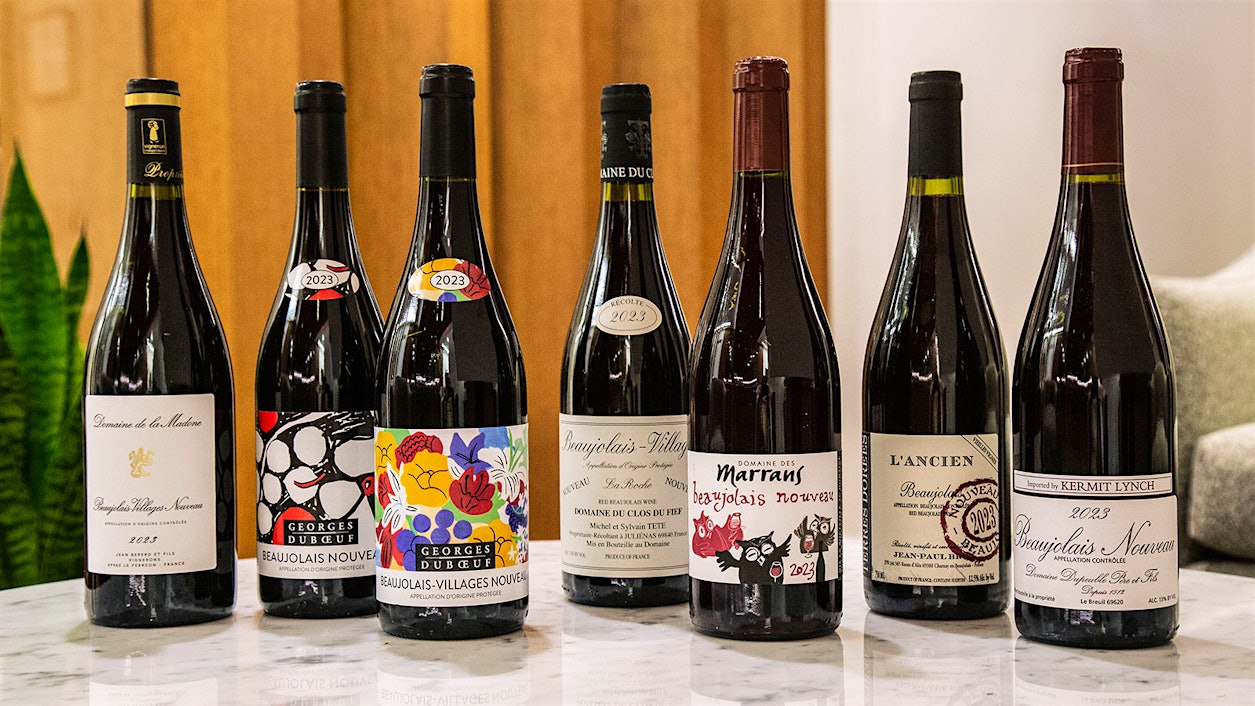 For many Novembers the LCBO and other alcohol distributors in Canada made a big deal of Beaujolais Nouveau Day. In Ontario it started with a few French winemakers and expanded to winemakers in Italy and other countries releasing similar styled wines on that date. I personally thought it was fun and a bit over the top and expected it to grow and get bigger in the future.
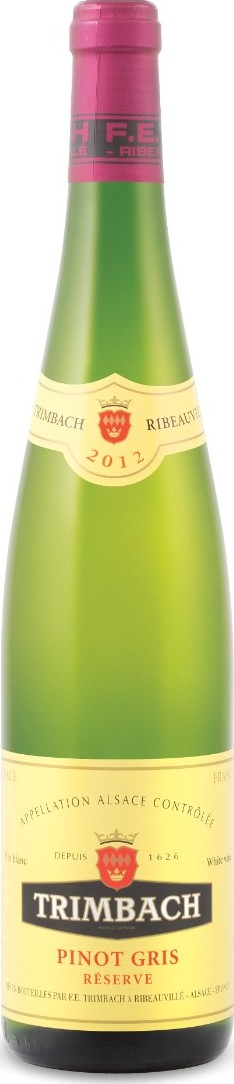 I have been a long time non-lover of pinot grigio. (See
 :max_bytes(150000):strip_icc():format(webp)/Our-Favorite-Bars-Paris-XL-MAG0922-2000-a5f0b1cce1d041b9ad3aa7914da250a6.jpg)


:max_bytes(150000):strip_icc():format(webp)/louis-jadot-macon-villages-best-affordable-wines-FT-SS0617-be8f0d0eb6a94311abb4feabe6170c55.jpg)
:max_bytes(150000):strip_icc():format(webp)/__opt__aboutcom__coeus__resources__content_migration__liquor__2019__01__10072454__gimlet-720x720-recipe-a0d317f2ce7b4818a0fdbd2bbaaaf2c9.jpg)
 Fred Franzia, the creator of two-buck Chuck, has died. He was quite the maverick in the wine industry. Heck, his company was called Bronco Wines. While he did much to strengthen the idea that wine should be more affordable and accessible, I tend to agree with Eric Asimov in his assessment of his product. I think there is a better middle ground, and his Charles Shaw wine did not occupy it. But like all things, taste is subjective.






:format(webp)/cdn.vox-cdn.com/uploads/chorus_image/image/66306749/la_buvette_paris.0.jpg)


 The site


 Smart People I Know