The folks at the Thrillist have a great list, here, including images such as the one above.
It would be great to go to NYC again just to visit some or all of these.

The folks at the Thrillist have a great list, here, including images such as the one above.
It would be great to go to NYC again just to visit some or all of these.

Meanwhile a bold maximalism is achieved here, not so much by the amount of items as by the amount of bold colours and prints used throughout the place. It’s still not a big place, but it feels right. I guess that is all relative, but I love this.
For more, see This Manhattan Home Feels Like a Jewel Box | A Cup of Jo
(Image a link from the above article in A Cup of Jo)

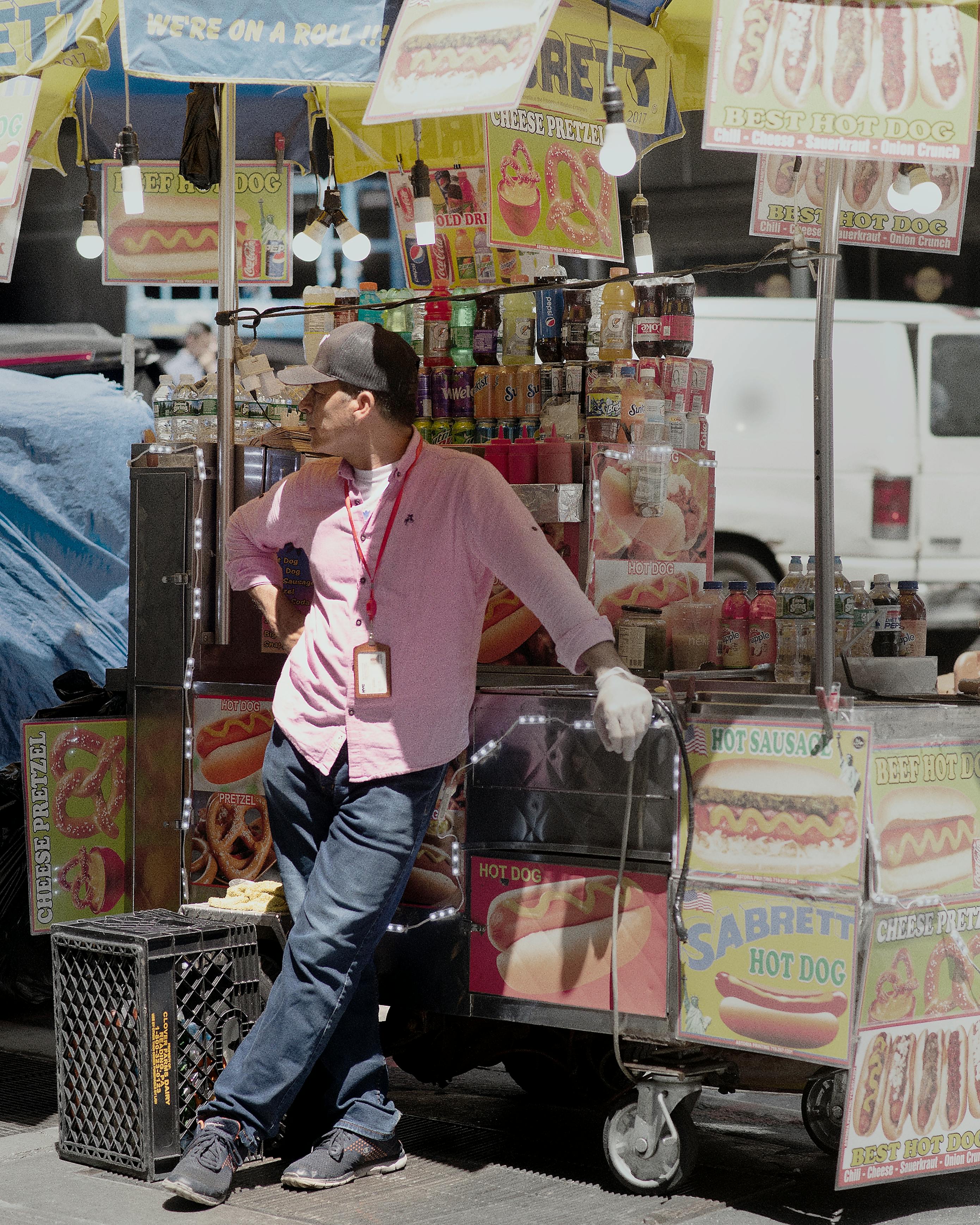
This is great: A Field Guide to New York Workers – People in NYC | Topic.
All the people you typically see in NYC. Well worth a look.

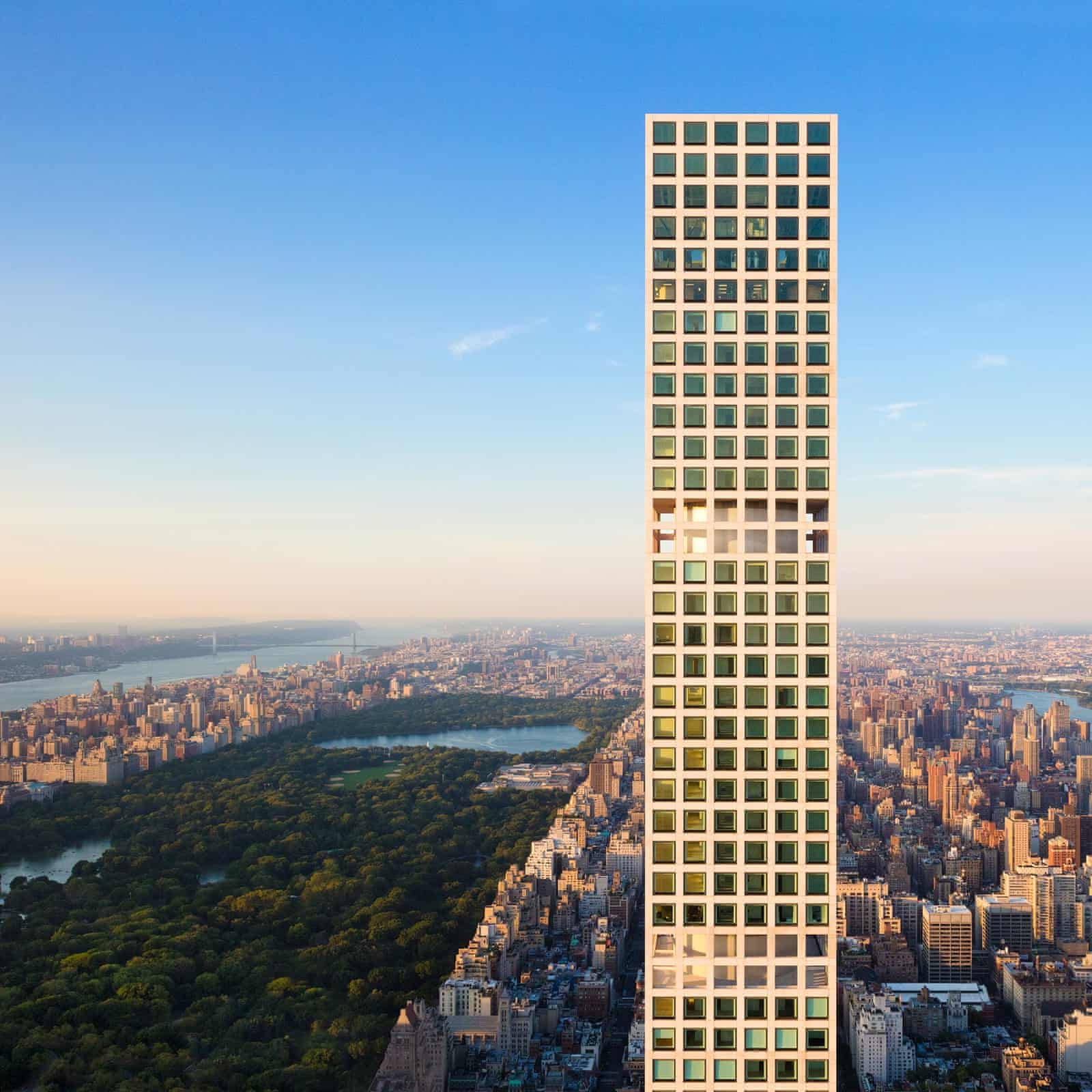
New York City has had skyscrapers for a long time. A new twist on the skyscraper is the super skinny ones popping up all over Manhattan. There’s plenty of reasons for that, and the Guardian well documents that, here: Super-tall, super-skinny, super-expensive: the ‘pencil towers’ of New York’s super-rich | Cities | The Guardian.
I don’t particularly like them, but like all buildings, I am sure they will grow on me over time. They seem too featureless. Their main feature seems to be the thinness. That hardly puts them in the same class as the Chrysler Building or the Empire State Building.
Regardless of your thoughts on them, the article in the Guardian is good.
Bad news for Barneys, the premiere merchant in NYC. On one hand they are getting hit with a huge rent increase, and on the other, people’s shopping habits are changing. Could this be the end? It seems so.
See this for more: Bankruptcy for Barneys? Symbol of New York luxe faces uncertain future | US news | The Guardian

For fans of NY back when, or people just curious about a very different New York then the current one, here’s a bunch of links worth reading:

This is a fascinating story: The famous tea water pumps of 1700s New York | Ephemeral New York.
Hard to imagine now, if you’ve seen NYC, to think of water being drawn this way. Good weekend morning reading!
![]()
This is a great read: The Widows of the Plaza Hotel – The New York Times.
If you love New York, hotels, stories of odd balls, and people sticking it to Donald Trump, you will want to read that story. I ate it up! 🙂
(Image hotels.com)
![]()
I’ve read a number of articles talking about the demise of New York due to rising rents and gentrification. After reading them, tt’s easy to feel hopeless about New York and cities in general. Which is why I was glad to read this: New York City Reveals the Future of American Retail – The Atlantic. It’s true, there are big changes in New York, just like there are big changes in other cities. And it’s true that many beloved retail stores are disappearing in cities everywhere. But it’s untrue that vacancy rates are shooting up and it’s untrue that it’s only big chains taking over. While retail stores threatened by Amazon are closing, places like restaurants and fitness locations are filling the gap.
You can argue that a city needs more than this new world of cafes and restaurants and gyms. The article points out to ways cities can encourage that. Specifically:
According to Jeremiah Moss, specific policies caused the disappearance of old New York—like tax breaks for big businesses, which have been a hallmark of city governance since the Ed Koch days (and up through HQ2). Moss says that several new policies could fix the problem. First, he is an advocate of the Small Business Jobs Survival Act, which would make it easier for small retailers to extend their lease in neighborhoods with rising rents. Second, he favors zoning laws that would limit the density of chain stores. He and others have also called for “vacancy taxes” that punish landlords who sit on empty storefronts for months at a time. All of these policies could help small businesses push back against the blandification of New York and the broader country.
Cities thrive when there is a mix of establishments servicing the wants and needs of its occupants. After reading this article, I think cities, New York and elswhere, are doing well and have a viable path to get better.
Well worth a visit to see them here: nyti.ms/2JgMZwR. The photos are great and how he goes about taking them is also a good read.
The Met Gala recently completed as it does every year, and it seems to draw more and more attention. Part charity event, part costume spectacle, it is a parade of fame and fortune and costume.
Yet even if you could afford the $30,000 for one ticket, you can’t necessarily get one. As this piece illustrates, there’s alot more to it than that.
Sure if you are Rhianna, you pretty much get to go the front of the line. For anyone else, reading the article in the New York Times will tell you all you need to know about this event.

If you ever though of visiting New York City in winter, then I recommend this:
A Winter Guide to NYC | A Cup of Jo. After you read it, you’ll want to head there before Spring.
I have been to NYC many different times of the year, and I found being there in December to be one of the best times to visit. In addition, going in January and February would be among the least expensive times to go. If you had planned to go mainly to see museums and shows and do indoor activities, then it could be the perfect time to visit. Of course you don’t just have to do indoor activities, as that lovely photo of people walking in Central Park in winter shows.
New York is great any time of year, but it can be especially so in winter. You should go.

Fortunate souls walking along New York’s High Line can catch a glimpse of the magnificent building pictured above. Now, thanks to Design Milk, you can get to see what it looks like inside by going here: 520 West 28th Condominium Residence by Zaha Hadid – Design Milk.
Not surprisingly, it is as gorgeous on the inside as it is on the outside. I would love to live there. Take a peek inside and you’ll see why.

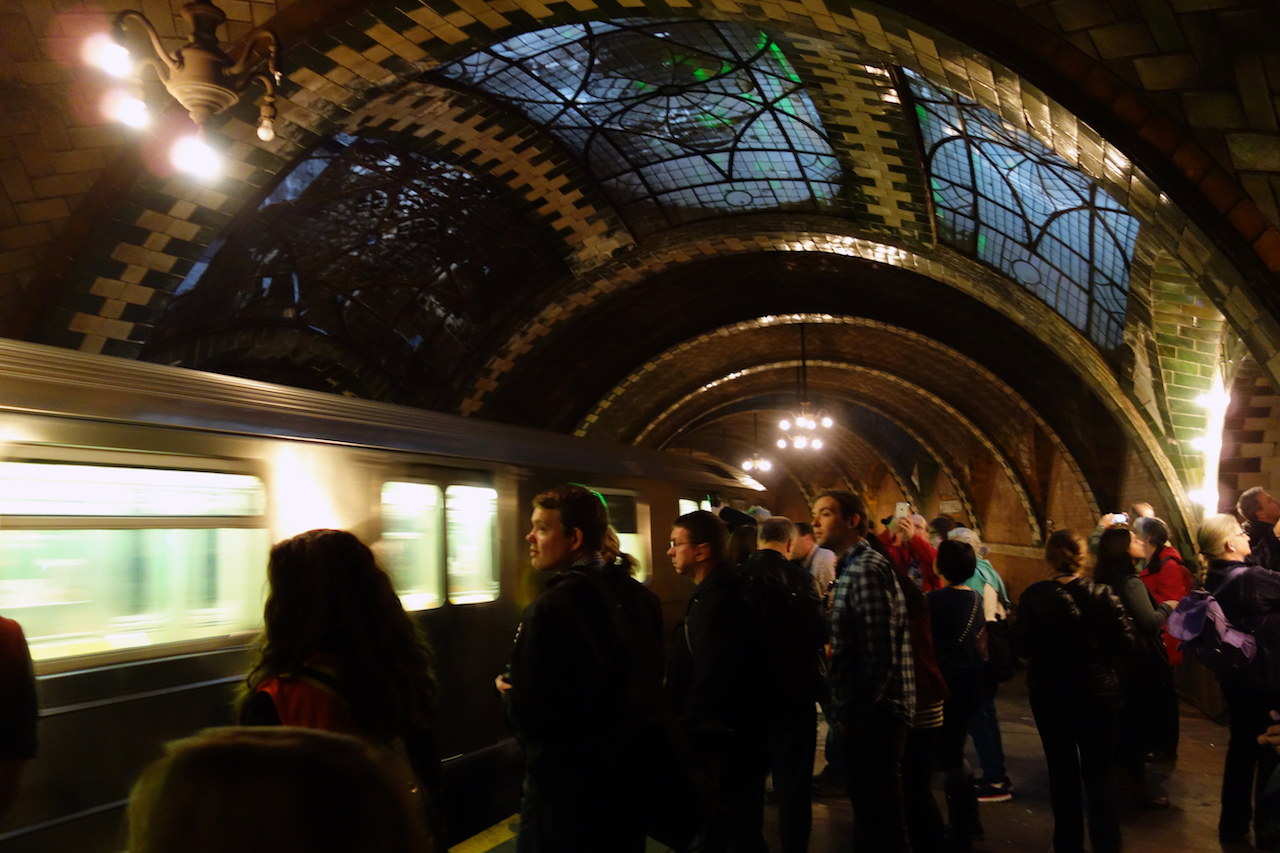
The site Hyperallegic has a great piece on the abandoned City Hall subway station in NYC that is worth visiting. Beautiful stuff.

While no longer in use, there seems to be a chance you can tour the station from time to time. Read the piece, then make your plans to see the actual station.
(Images linked to from the piece. Many more great images in the piece you’ll want to see).
Two stories worth reading about New York City, one set in 1981, one set in 2017. Read Jonathan Franzen’s recollection of being Hard Up in New York (The New Yorker) first, then read about the current state of the city in Why the Upper East Side Is Now Cooler Than Brooklyn. What struck me was not that New York has become wealthier and gentrified, but that it has gone from being a place that was unlivable in one sense to being unlivable in a very different sense. Once you avoided parts of New York because of the danger: now you avoid parts because they are too expensive.
Of course New York is a massive city, and there are people that live in parts of it that can be still considered dangerous while there are other parts that could still be considered affordable. But NYC has changed dramatically since the 80s, and these articles — especially the one by Franzen — highlight this well. It’s hard to imagine Manhattan ever declining to the state it was in the 1970s and 80s, but in the 80s it would be hard to imagine it being as gentrified as it is now.
P.S. If 70s and 80s New York is your thing, I also recommend this.

Then you need to read this: The Thrill of Losing Money by Investing in a Manhattan Restaurant | The New Yorker
It is a wonderful read of a terrible experience.
Besides that, though, it is an entertaining but damning analysis of the restaurant business in cities like New York. (I imagine it is the same for most cities.) I think at some point there will be fewer and fewer fine dining experiences in cities, and the best food will come from places that are small and have very low overhead. And all those large spaces that were once filled with large restaurants will close.
If you still want to own a restaurant after all that, don’t say you weren’t warned! 🙂
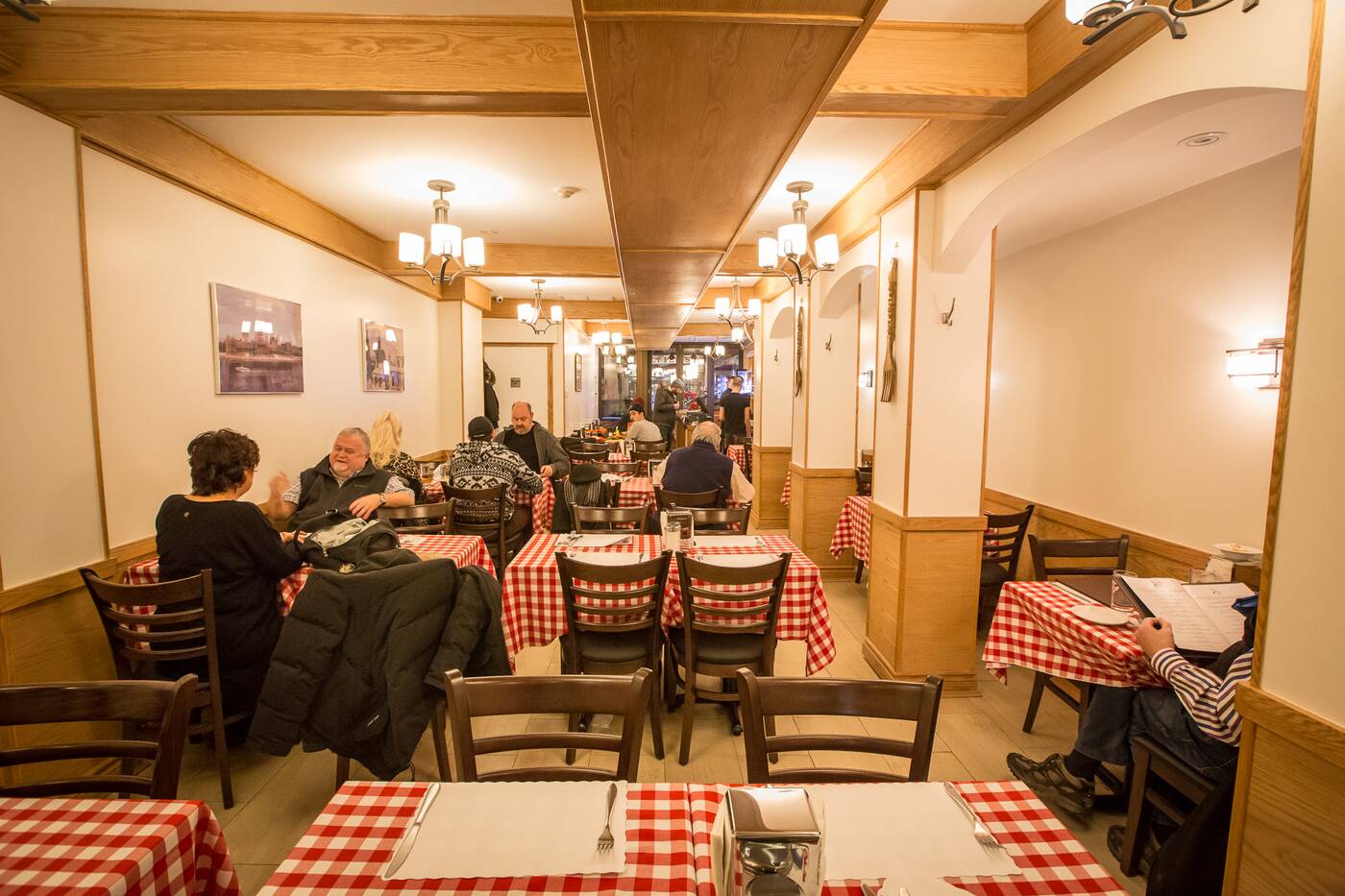
(Image is of Prune, one of my favourite NYC restaurants. If fine dining is to have a model in the future, it is likely to come more from places like this, imho.)

The story of Bleecker Street’s Swerve From Luxe Shops to Vacant Stores in the NYTimes is one playing out in many cities throughout the world, though perhaps not as extreme as this. It’s a big problem when money comes flooding into neighborhoods and cities, disrupting the people that live there, and making those areas unlivable in some cases. Most people need somewhat stable places to live, but unstable social systems (capitalist or otherwise) can make that difficult unless other social systems (like local governments) come in and press back against such instability. As more of the world moves from rural to urban areas, the tools to make streets and cities livable need to be developed and put to use.
Anyone living in a growing city needs to read this piece. Recommended.
(PHOTOGRAPHS BY CHRIS MOTTALINI FOR THE NEW YORK TIMES)

It seems commonplace now, but the idea of hotels having the same cachet as a nightclub seem to me to come about in the 1980s with the rise of Ian Schrager as a hotelier. While he collaborated with others, the partnership he formed with Philippe Starck resulted in some really fantastic hotels, as can be seen in this post: The 21st Century Interior – Case studies – Philippe Starck/Ian Schrager: Designer Hotels – Blog – APID.

Nowadays many of these hotels have changed, but in the latter part of the 20th century they were opening with all the excitement of a new nightclub, which in some ways they resembled. I remember hanging out in the lobby of The Royalton as it was just getting ready to open, talking to the staff in their Hugo Boss suits, marvelling over the designs of Starck, thinking of how the blue carpet made one feel as glamorous as anyone in the city. Later on I stayed at the Paramount and Morgan’s, each visit made Manhattan that much better.
Recently the hotels have been changing as they have been upgraded. Only The Hudson seems to have retained that earlier quality, it seems. Soon even that will transform into whatever brings in the guests. I haven’t been to The Hudson yet: I must get their before it is too late.
I am not sure if there is a history of great hotels, but if there ever is, I expect some of these places will find their place in it. Meanwhile, read the post on these hotels, and check out The Hudson in NYC while you can.
(Top photo of the Royalton, bedroom photo from the Paramount. Both linked to from the post, which has more great photos.)
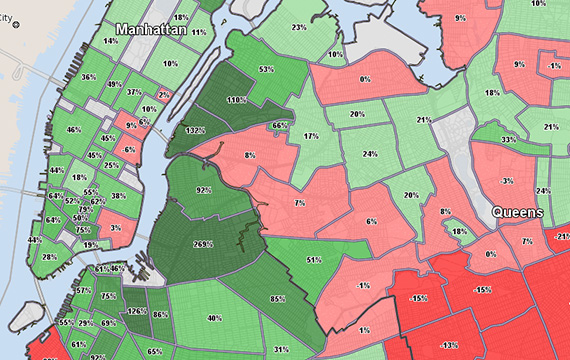
Home prices in some of the city’s neighborhoods have not just climbed over the last decade, they’ve blasted off, landed on Mars and found water.
Why? Well, look at where the growth is, and then look at this map of the NYC Subway:

More than other factors, the price of real estate seems is tied to how easy it is to get back and forth from Manhattan.
That said, I’d be interested to know the story behind the areas of Manhattan that are stagnating.
NYC is never boring.
Source: New York Home Prices | New York Real Estate Price History
Is Eleven Madison Park the best restaurant in NYC? If you read this, Restaurant Review: Eleven Madison Park in Midtown South – NYTimes.com, you’d be inclined to think so. Regardless, it is excellent and worthy of considering a visit.
But what if you want to experience the place without having to go through the tasting menu? Worse, what if you don’t have a reservation. Well then, you need this: How to Eat at Eleven Madison Park With No Reservation and No Tasting Menu — Grub Street.
I can’t promise that will work, but it is worth considering if you want to casually experience some of the best Manhattan has to offer.
There is so much good about this piece by Zadie Smith that if I started pulling in quotes from it, I would essentially replicate it. It’s an effortless read, and yet even as I was reading it, I could feel how great it is. I had the feeling of racing down a high mountain on skis, exhilarated and impressed by the beauty and amazed how fast I am going and then it is done.
So, yes, I recommend you read: Find Your Beach by Zadie Smith | The New York Review of Books.
This nuclear reactor:
…sat in Kodak Park, in Rochester, NY, for over 20 years before being wound down in 2007. Facinating. The Democrat and Chronicle – (democratandchronicle.com) has the story on what it was like and what Kodak used it for, and why they finally had to shut it down.

New York City has a good problem to have: it’s getting increasingly more expensive to live there. In the second half of the 20th century, it had the opposite problem and the question was would anyone want to live in all but small parts of it. Those days are gone, so much so that Manhattan became too expensive for most, which partially led to people moving to Brooklyn. Now even Brooklyn is getting too expensive, according to this: Moving Out of Brooklyn Because of High Prices – NYTimes.com.
It’s not surprising to me: NYC is more desirable than ever to move to. Yet the parts of Manhattan and now Brooklyn that people find too pricey are not the whole city. I expect in a few years from now people will be talking about great spots in Queens and the Bronx and how they too are becoming more expensive.
Globally populations are leaving small towns and rural areas and moving to cities. Cities like New York will be the beneficiaries of this, and will grow accordingly. Assuming they are well run cities, they will find ways to accomodate newcomers, and the parts that were cheaper will rise in value.
I don’t see NYC getting cheaper any time soon. It will be more what parts of it people live in, and what the housing will look like. I expect you will see more high rises built in places where none were before, and more and more neighborhoods being gentrified.
Here’s to a growing New York.
This NYTimes.com article is older (2010), but that just means that these places may be easier to get into now: Budget Boutiques in New York City – Interactive Map – NYTimes.com. (It could also mean that some of these places have come and gone.)
Boutique hotels have a feel of the city that you are in: it’s a feeling that large scale hotels rarely have. I’d recommend checking out this list if you are thinking of heading to New York. Any money you save on accommodation can easily be spent elsewhere. 🙂