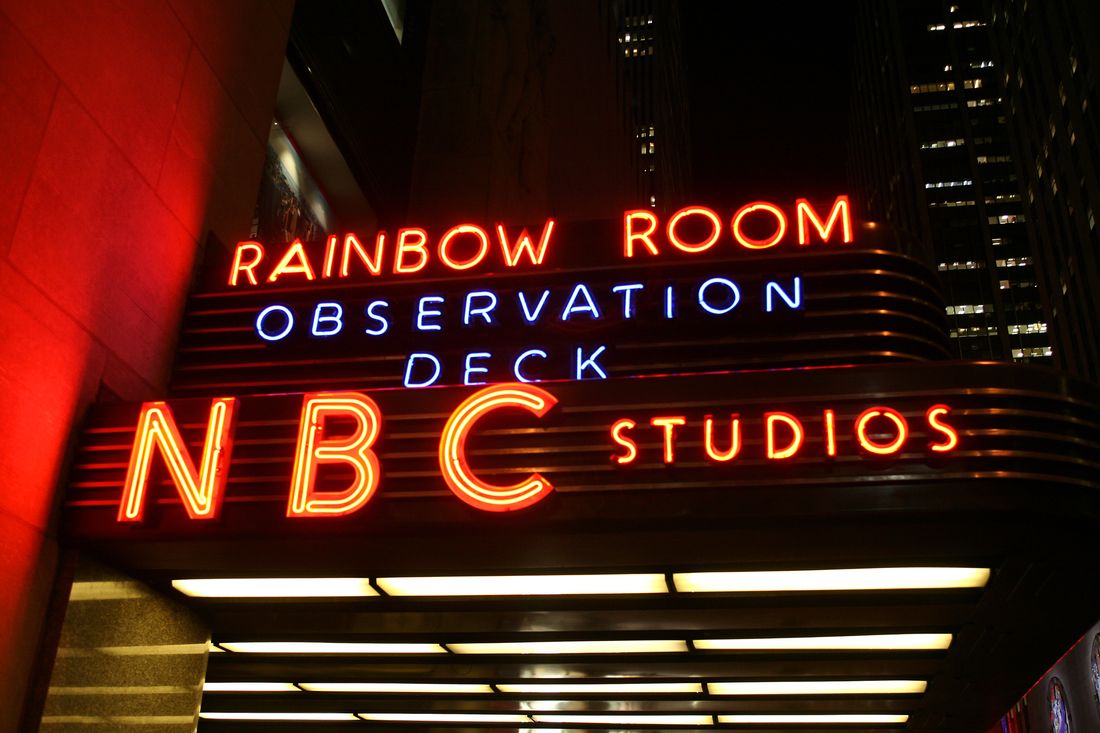
New York is great, near or far

It’s been a year since I’ve visited or wrote about New York City. I miss it. Alas I don’t think I’ll be going to the States / NYC any time soon for a number of reasons. There are many in the same situation, so much that it seems to be having an impact. (Although it didn’t seem to limit Paul McCartney, who played a few surprise concerts in NYC in the last year. The man is everywhere.)

In the meantime, I’ve been following along with what’s been happening in the city, especially on the dining scene. After four years of a vegan menu, meat is back on at Eleven Madison Park restaurant. A place once impossible to get into seems less so: hence the addition of meat.

In other restaurant news, it seems there’s been a resurgence of new restaurants since the pandemic. That’s good to see. Also, it turns out young chefs are saving old school diners. Good for them.

One thing that came about during the pandemic was outdoor dining, but now that the pandemic is long gone, people are wondering: is outdoor dining dying off? I suspect it won’t. New Yorkers remain resilient and resourceful despite difficulties. I mean, you have restaurants thriving without kitchens there. I suspect restaurants will hold on to outdoor dining for some time, too.

Dining experiences in New York are about the Old as much as they are about the New. To show you what I mean, check out Resy’s great guide to New York’s New Old-School Restaurants. You’ll want to hit up some of them on your next visit. Maybe you’ll go to one of the greatest of old school establishments, Keens steakhouse, beloved by old and young diners alike.

Thinking of old school dining got me going down a rabbit hole of Manhattan nostalgia recently. Perhaps it was all the pieces I read about Lutèce after the great chef André Soltner died. Pieces like this and this and this. Those pieces lead me to read this: Reliving The 1980s: 10 Iconic New York Dining Moments That Defined Decadence. And then this: the 50 year club (i.e. the oldest upper west side shops and restaurants still in business). Which finally led me to this article on the battle for Bryant Park Grill, a famous restaurant which also happens to be a great piece of real estate.

Speaking of real estate, here’s a good story about my favorite building: cooper union is taking back the Chrysler building.

While ostensibly about the artists, this piece on the NYC apartment of Jean and Jean Claude Christo’s apartment got me thinking about living in downtown Manhattan when it was grittier. Perhaps that’s why I watched this not too long ago: ‘On the Bowery’. Very gritty indeed.

The Lower East Side is my favourite part of the city, which is why I was happy to read about the efforts to save the dive bar Lucy’s in the East Village. Meanwhile for Brooklyn fans, check out this hot pink building there. Or this Maximalist Brooklyn apartment. It’s not all light in that borough though. Check out as this grim piece on Brooklyn deaths possibly due to a serial killer. NYC is not without its dangers.

Like many people, I sometimes want New York to never change, though change it will. This year congestion pricing went in, and it turns out it’s a hit. That was fast. Not so fast is the adoption of trash bins. It boggles my mind, especially since a) no one likes all the rats b) bins wipe out rat populations. Go figure. Another antique thing that should change is the New York’s subway system. Good luck with that Herculean task. That said, they recently retired some of their  old subway cars. So even the subway system can adopt.

As for other changes, this piece on  the slow death of neon signage in New York made me wonder what the town would look like without bright neon. I can’t imagine it.

To close out, here’s a fun piece on the hardest working font in NYC. It looks like the NYPD is having a hard time recruiting cops. And the city is having a hard time figuring out how to bring people back to NYC. New York is never without challenges, no mater how much it changes.This piece by Naomi Fry writing about the famous piece by Jay McInerney on Chloe Sevigny in the New Yorker was very meta. Did I love this piece Jeannette Montgomery Barron’s black and white portraits of artists in Downtown New York in the 1980s? You know I did. Included in it is this photo of John Lurie, taken in 1982. Cool, like the city he was in.

Thanks for taking the time to read this. See you in a year when I post my annual appreciation of the greatest city in the world.
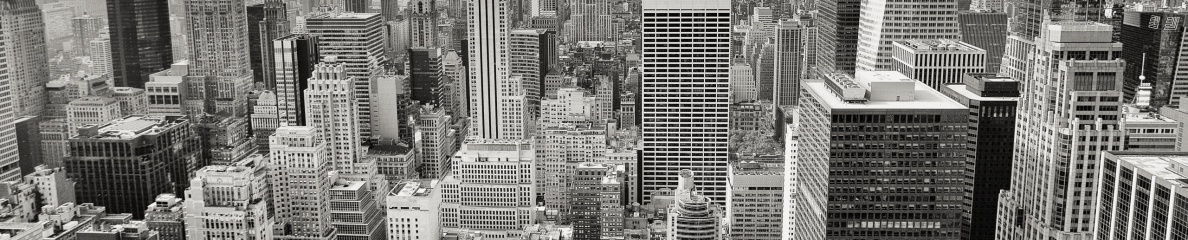
What do Paris and London and Detroit have in common?

What they all have in common is they are included in the links below (plus something on Venice and Budapest too).

Here’s a story on the secret vineyard in the middle of Paris where the wine has ‘an air of mystery’.

Fans of Parisian cafes will want to read this: Parisian cafés are a cherished part of French culture. Here’s why they might be in trouble.

I once wanted to go here very badly, but I no longer do. For those that feel otherwise, here’s an old piece in Vanity Fair on L’Ami Louis.

I would not mind checking out Paris’ Hôtel Balzac, which has reopened its doors following a 1930s-inspired renovation.

For the less rich – of which I am one – here’s a good piece on where to eat in Paris on a budget.

Finally, as a Torontonian, my first thought was, “was that all it costs??”: Karl Lagerfeld’s futuristic paris apartment sells for 10m euros.

Swtiching from Paris to London, here’s a good run down on London’s Smithfield meat market which will close after 850 years in operation.

Meanwhile, over in Milan, we have this detailed story on the famed La scala opera opening night.

As for Venice, Budapest and Detroit, here’s three guides from the New York Times on….

On the inconspicuous data centres of Toronto’s

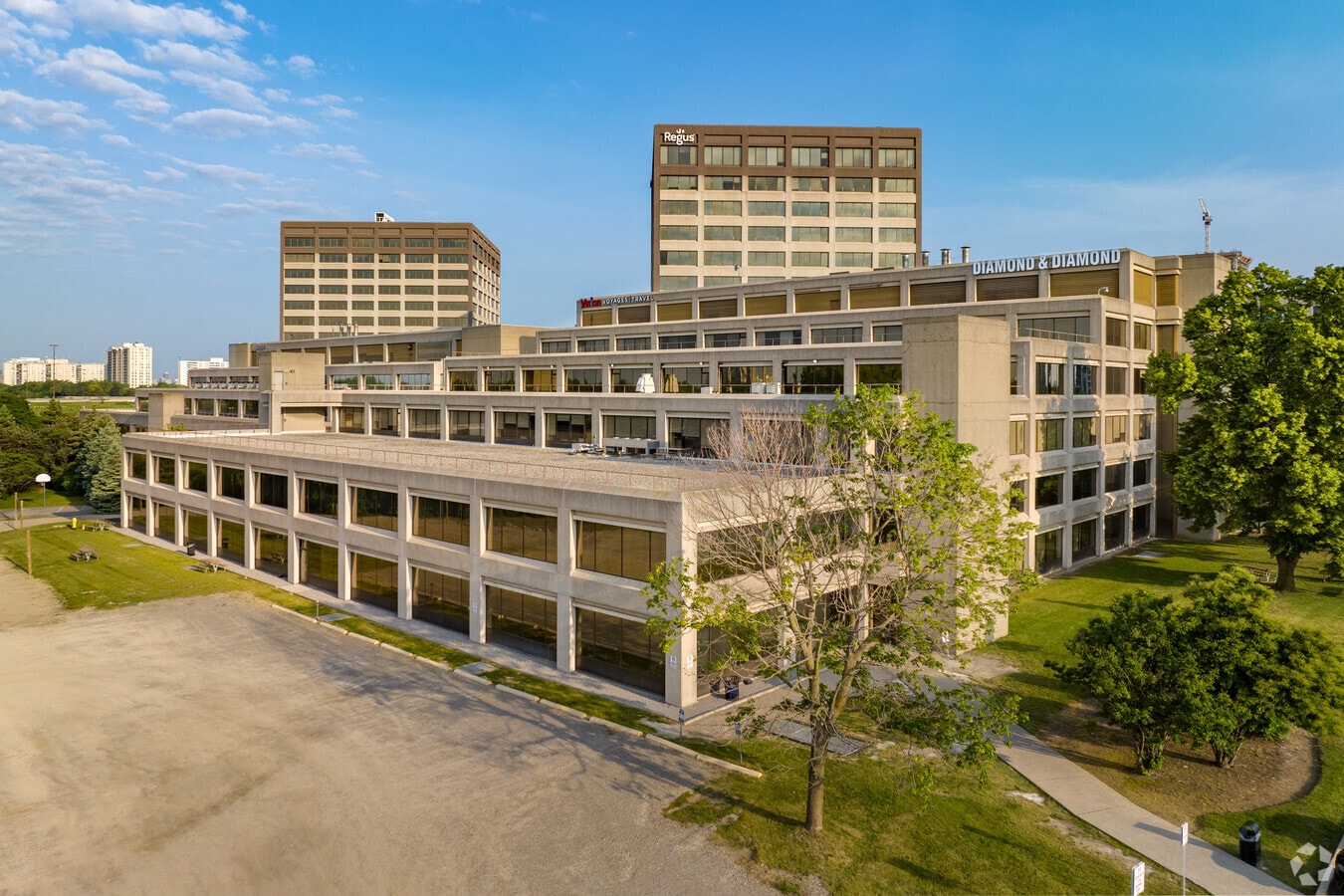
Unlike skyscrapers or shopping malls, most people pass by data centres and not realize that they are there. There’s rarely a sign denoting their identity. Sometimes there are clues, like the lack of windows in my favorite data center at 45 Parliament Street (shown above). But mainly they are inconspicuous.

If you were to check out the data centres here, Toronto Data Centers, there’s a good chance you’ve passed these buildings and haven’t even noticed them. Same is true for these buildings listed by CDML Consulting Ltd. Data centres are special on the inside, but on the outside they tend to look like many other buildings.

As for what they look like inside, I wrote a piece in 2013 about that. Even though that piece is 12 years old, I suspect they haven’t changed much on the inside, other than for the type of IT housed there.

I started working for IBM in this data centre at 245 Consumers Road in 1983 (seen below). I suspect it is still housing IT.

Data centres are something people are worried about lately. It’s understandable. But if they were more familiar with them, I would hope that worry would subside somewhat. Perhaps this post can help with that.

The importance of the Great Good Place

Cities need third places and citizens who live there need to fight for them. A book that makes the case for them is this one: The Great Good Place. As the blurb for the book explains:

In The Great Good Place, Ray Oldenburg gave the term “third places,” where people gather for the pleasure of good company and conversation, and explained just how important they are.

  • Discover the benefits of informal public and civic life and how it contributes to community health and individual well-being.
  • Explore how third places have been, and still are, vital to grassroots democracy.
  • Experience the power of third places and how they bring people together, fostering a sense of belonging and connection.
  • Allow this book to inspire you to create and revitalize your own third places, from coffee houses to community centers, and make a positive impact on your community.
  • Learn from real-life examples around the world, and see how third places have transformed and revitalized communities.
  • Gain a deeper understanding of the history and evolution of third places, from coffee houses to bookstores, and how they continue to play a vital role in our society.
  • Discover the power and potential of third places and how they can change your community and your life.

Reading that, it makes you want to send a copy of the book to the head of Starbucks, a company that’s been destroying third places in neighbourhoods by opening up coffee shops that have no seating. It’s not the only reason that the company has been doing poorly, but it no doubt contributes to it. Indeed, I walked by a new Starbucks last night with no seating and a Tim Horton’s with seating: the former was empty and the latter was not.

There has been a struggle to build better cities since the pandemic hit. Great third places are part of what will make cities better, but they don’t just show up. They need people like you to support them. So take the time to understand that and find out what you can do to help: talk to your local politicians, lobby community groups, share things with your friends, patronize good third places (and not grab and go food places). Perhaps read that book, so you can better express these ideas. If you want to get a copy, one place is here on Amazon: The Great Good Place: Cafes, Coffee Shops, Bookstores, Bars, Hair Salons, and Other Hangouts at the Heart of a Community. Better still, go find if your local bookstore can get you a copy, for bookstores can be good third places, too.

If you want to make a case for getting rid of cars out of public spaces….

If you want to make a case for removing cars from public spaces, I highly recommend you read this piece on Europe’s car-free plazas in Politico.

The pictures alone are striking — seeing these famous plazas jammed with cars instead of open and pulsing with pedestrians seems unbelievable at first. The article also illustrates the path these cities took to achieve these now great spaces (hint: it wasn’t easy at first).

For people who crave better cities, I highly recommend that piece.

New York in August – hot time in a hot city

Untitled

New York is always great to revisit, and revisit it again I did last week. Like my visit in March, I stayed with my girlfriend in the Lower East Side, eating and walking around and even taking in a Broadway show (“Illinoise”).  We hit up Freeman’s Alley and Lafayette for the breakfast, because they are always good. Plus Clinton Street Baking Company. We also dined at WildAir and King. The best of the lot, though, was Via Carota (seen above). Is it New York’s most perfect restaurant? This piece argues it is. It’s hard to disagree, although it is a bold claim, since New York has so many great restaurants. Not just now, but in it’s entire history. Read this piece on the social history of the city, told entirely through its restaurants, to see what I mean.

During the pandemic New York adopted outdoor dining and many places like Via Carota set up a big outdoor area to serve people. It’s still going strong, although the city is cracking down on outdoor dining. If you like that kinda thing, you may want to do it while you can.

Speaking of New York City post pandemic stories, here are two: this one on a 23 floor midtown Manhattan office building going for a 97.5% discount. (Practically free). And this one about how people are returning to the Met Opera, but selectively.

Here’s three good stories on NYC history: 1) a fascinating history of  Lincoln Center you might not know about, 2) the abandoned islands of New York in pictures, and 3) a bio on Lorne Michaels.  Hey, when I think of the recent history of New York, Michaels figures prominently in it.

When we were visiting, New Yorkers were talking about an impromptu goldfish pond set up outside a leaking hydrant in Bedstuy. (See above.) It was all going well until an animal lover thought she was doing the right thing by freeing fish from the pit. The man who created the pond saw it differently. Mayhem ensued.

I am not sure who thought it would be a good idea to put up a Portal between New York and Dublin, but they did. More mayhem ensued.

Finally a non-story about how the M.T.A. wanted runners of the New York City Marathon to pay bridge tolls. Needless to say, this did not happen.

Detroit returns, happily

This is a great news story: Once a symbol of Detroit’s downturn, the iconic Michigan Central Station reopens its doors at CBC News. It has come a long way since I wrote about it back in 2008: Detroit: the future sadly (Smart People I Know). A building once waterlogged and crusted with graffiti has been restored to its former beauty and glory.

The CBC news story has more on it including some inside shots. It makes me glad to see them. Here’s to a resurgent Detroit.

A new form of hostile architecture: the chairless cafe / restaurant

According to wikipedia, “hostile architecture is an urban-design strategy that uses elements of the built environment to purposefully guide behavior. It often targets people who use or rely on public space more than others, such as youth, poor people, and homeless people, by restricting the physical behaviours they can engage in”.  Examples of this are ledges in cities with spikes or bumps on them so people cannot sit on them, or benches with extra dividers so people can’t sleep on them.

There’s a new form of hostile architecture that is subtler. I’ve noticed it has occurred after the pandemic. It comes in the form of fast food restaurants and cafes that make it impossible to sit and stay. As I noted in the photo taken above, Starbucks has returned to my area after closing up during the pandemic, but they have set up so it is next to impossible to sit and stay. They used to have similar places nearby that did have seating, but they’re all gone.

And it not just limited to Starbucks. A nearby McDonald’s had a place with seating and they stripped it all out and limited it to just a few stools. Likewise with the new Popeyes in the area.

What all these places want is take your money and move you along. While this may be good for them, the result is less places to get out and take a break in the neighborhood. Cities need more of these places, not less. Just like cities need benches to sit down on, cities need cafes and low cost restaurants that people can use to get out and see people and get a change in their environment.

I would advise you to patronize places that provide that experience and avoid places that do not. We need less hostile architecture in our cities, not more.


It’s a miracle! Gaudi’s Sagrada Familia will be completed! In 2026

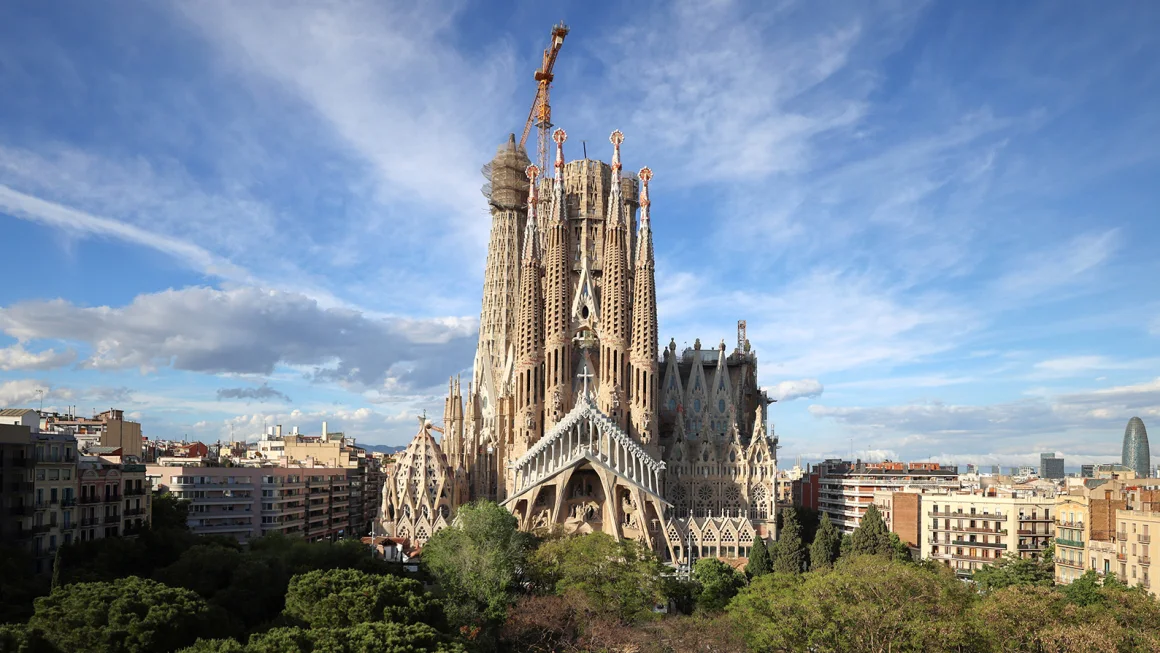
According to CNN, Barcelona’s famous Sagrada Familia will finally be completed in 2026. That’s amazing. Miraculous, in fact. For much of the 20th century it was in a state of semi completion. I went there as a young man in the early 90s and even then it was taken as a fact that it would NEVER be completed. But that was not a fact at all, thank heavens.

Barcelona is an amazing city to visit: it’s going to be even more so once the church is done. Go see it if you can.

Back to New York – a tale of eating and walking

After being away for awhile, I recently spent a long weekend in New York. Not surprising, it was great! I stayed in the Lower East Side and as usual, I went and ate at a number of good places. If that sounds like your idea of a good time, this is a good intro to eating well in the Lower East Side (LES). P.S. I would add Wildair to this list.

I had gone to many of the places on that list, so this time I branched out. I went to Freeman’s Alley, Lafayette, and Claud. All good. But the best place I went to was Libertine. More on it here. (Photo of it, above.)

But hey, that’s just me. If you would prefer to know where others dine in NY…for example…Taylor Swift…then you want to read this.

It wasn’t all just eating. I got to walk around a fair bit because Manhattan in particular is good for that. While I walked all over, on one walk downtown, I crossed over Great Jones Street to where Basquiat lived in the 80s. Since then, Angelina Jolie has taken it over. You can read about all that, here.

I’ve loved so many parts of this great city over the years, but the Lower East Side has always been one of my favorite parts. This is a fascinating story on how the city and that area has changed over the years. It has everything, as they used to say on SNL.

Speaking of good NY stories, this is a good one of how working for a dog shelter did a world of good for one New Yorker. Another good story, this time on old New York, is this: The Luncheonette Serving New York’s Best Egg Creams. Finally, this is a fascinating story on the Crown Heights Tunnels at the Tzfat Chabad Lubavitch synagogue. I’ve seen a number of stories on it, but this one in the Guardian was the best.

In NYC news, Flaco the owl has died after the year of freedom in Central Park and elsewhere. Sad. More on Flaco here. Also, this was no surprise: after a brief tour of duty, the NYPD subway robot has retired. It’s spring now, but this winter the city tried to have a remote school snow day at short notice. It did not go well, according to this.

Finally, how is the mayor of NYC doing? Not great, according to this. People in the city are not doing well either, according to this. That’s too bad. New York has made great strides to recover since it was hammered by COVID at the start of the decade. I hope it can pick its chin up, soon.


The limits of YIMBYism, even for proponents of it like me

I am in favor of making improvement to all neighborhoods, of Yes In My Back Yard (YIMBY). That especially goes for my own. However, I know YIMBYism is a battle, that NIMBYism (not in my backyard) tends to be stronger. To support change, I believe change needs to be done in a controlled and limited way to dampen down NIMBYism and support YIMBYism.

That type of change is not what is happening for my area, at Yonge and Eglinton. First off, there are very large condos going up regularly. Second, we have the wholesale destruction of the area for the new Eglinton LRT line. Before that we had the destruction of the local Yonge and Eglinton center while it was upgraded. Now they plan to tear up the park to make improvements. It’s just constant upheaval and destruction, as much as it is construction.

I am a big proponent of growth and improvement. However even I am reaching my limit.  And if I am reaching my limit, I am sure many others are as well. It does not make for a good neighborhood or environment to have everything being torn up all the time. I would not recommend anyone live here if they can help it. Find a neighborhood you enjoy being in, not one that resembles a construction zone. I am sure it will be a great area in a decade or so. But I’ve lived her a long time and I regret it. It’s not a livable place. 

(Images: my own. Of Yonge and Eglinton, 2022)

Homelessness and how it is being dealt with in some places

I believe in the future we will no longer have homelessness problems. We are not there yet. Some cities, like Houston are making progress, as this piece explains: How Houston Moved 25 000 People From the Streets Into Homes of Their Own. Other cities, like San Diego, are taking initiative. Much has to do with the city. NYC, for example. This is a piece discussing their failure:  City targeted same homeless New Yorkers over and over in encampment sweeps. But at least some people are looking into new ideas, as this shows: What Would It Take to Move Street Homeless New Yorkers into Housing?

Meanwhile in Canada, there are small scale initiatives being tried, as this piece,   Shower project, and this piece, Man forced to stop building tiny homes for Toronto’s homeless now has a new project, illustrate. The solution is proper housing. Stop gap measures are just that: stop gaps.

If you want to deal with homelessness, you need to know roughly how many  people are homeless. This explains how many there in Toronto.

Finally, here are some pieces that are related to the issue:  Is Our Homelessness Crisis Really a Drug Problem?, and “Maid” author Stephanie Land on what it feels like to be shamed for being poor, and teen transitions to sobriety and higher education.

I think about homelessness all the time. Hence these links and these pieces.


On smarter cities/better cities and the death of certain visions of the city

I am a fan of smarter cities. I was actually part of a group of technologists from IBM who wrote a detailed guide on how to design well performing systems for smarter cities. I was hopeful at the time that we could help governments make lives better for their citizens by using technologies wisely.
I think that is key: the technologies should help governments, not restrict them; the technologies should make the lives of citizens better, not worse. That key idea is what I thought of when I read this piece, Toronto wants to kill the smart city forever in MIT Technology Review. I don’t think Google had that as their key idea: if they did, they didn’t communicate it effectively. As a result, their vision of the future died, at least in Toronto.

Another vision of the cities that is dying is the suburban office park. There are many of them on the outskirts of places everywhere. The story of this one in particular is likely true for any park you encounter as you drive on the edge of a city like Toronto: Lonely Last Days in the Suburban Office Park – The New York Times.

As for other visions of future, WeWork is still hanging on in major cities. Perhaps that vision — of young professionals living and working in the downtown core –will endure for a while. To read publications like BlogTO, you would think so. We shall see.


The beauty of Charleston

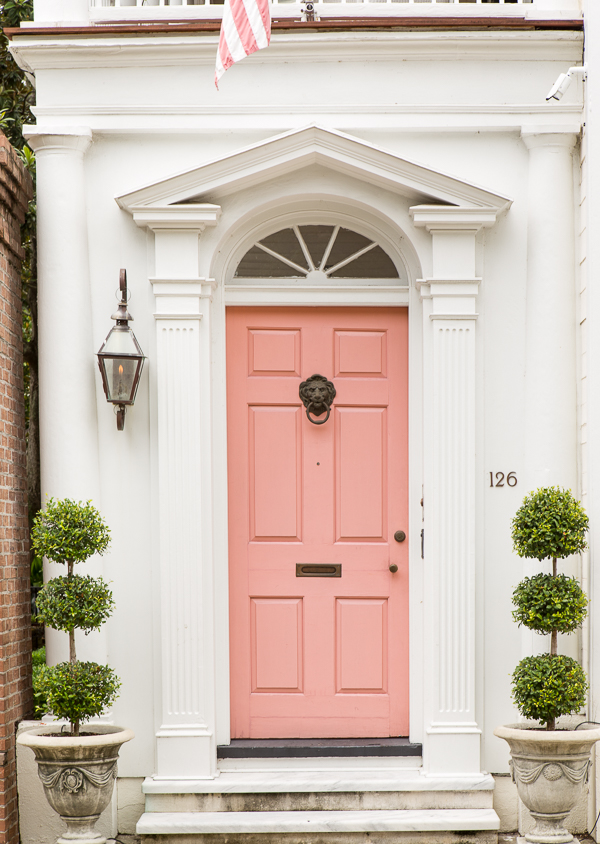
I suppose I should specify which Charleston, but to me there is only one, and that one is in South Carolina. It really is filled with beauty and color. Like that door you see above.

I came across this blog, Just a Girl Blog, and she has posted some wonderful views of the city here Best of Charleston: Doors and here: Best of Charleston: Gardens. Someday I’ll post my photos of that wonderful city and put them a link to them here. Meanwhile, go and enjoy those. Better yet, make a trip there and see them for yourself.

(Image a link to Just a Girl Blog.)

The High Line, or why it is important to push for improvements in your city


There are lots of reasons to push for improvements in your city but one of them is it can have a cascading effect elsewhere. Case in point is New York’s High Line.

As this article Manhattan makeover for London with floating green walkway plan | London | The Guardian), shows:

New York was revitalised by the High Line, a ribbon of parkland floating above Manhattan on a disused elevated railway that has become one of the city’s biggest tourist attractions. Now the High Line’s designer hopes to give London its own green thread, after being chosen to create the Camden Highline.

James Corner was picked last week as the lead landscape architect for the structure, a linear park on three-quarters of a mile of railway viaducts running from Camden to Kings Cross, which he believes will give London a similar boost after the trials of Covid and Brexit.

For more on the Camden highline, go here. More on the New York version here.

Iowa shows why the move from big cities may be only temporary

Brooklyn
One thing that happened during the pandemic is that big cities like New York vacated to some degree. When they did, there was talk about how in the future more people would continue to work from home, and if they did, they might go to smaller and more affordable cities, like Des Moines, Iowa. Indeed, places like Des Moines has been recruiting people.

The problem these cities have, though, is that they are missing part of the puzzle. People in big cities like NYC and San Francisco live there for a lot of reasons. One of those is the freedom and rights that come with living there.  The respect those places have for progressive values are a big draw. Unfortunately, as this really good piece shows, Iowa (and likely other conservative cities and states) can’t and won’t provide that any time soon.

After reading that piece, I thought: yeah, even if the majority of people can still work from home, the mass exodus from Brooklyn to Des Moines is not going to be happening. Some will, for sure. But when the pandemic is over, people are going to head back to the major cities. They have more to offer than  affordability.

(Photo by Julian Myles on Unsplash)


What is Shibam Hadramawt?

I came across this place the other day and thought it was fantastic. According to Wikipedia:

Shibam Haḍramawt (Arabic: شِـبَـام حَـضْـرَمَـوْت‎)[2][3] is a town in Yemen. With about 7,000 inhabitants, it is the seat of the District of Shibam[1] in the Governorate of Hadhramaut. Known for its mudbrick-made high-rise buildings, it is referred to as the “Chicago of the Desert” (Arabic: شِـيـكَاغـو ٱلـصَّـحْـرَاء‎),[2] or “Manhattan of the Desert” (Arabic: مَـانْـهَـاتَـن ٱلـصَّـحْـرَاء‎).[4]

Shibam Hadramawt – Wikipedia

Here is just one great shot of it. It’s fascinating:

Check out the Wikipedia page for more information and better sized images of this place.

(Embedded image taken by Jialiang Gao http://www.peace-on-earth.org – Original Photograph, CC BY-SA 3.0, https://commons.wikimedia.org/w/index.php?curid=1450126)


Invisible cities: the eruv of Manhattan

What’s the eruv of Manhattan? Well according to the article below:

The eruv encircles much of Manhattan, acting as a symbolic boundary that turns the very public streets of the city into a private space, much like one’s own home. This allows people to freely communicate and socialize on the Sabbath—and carry whatever they please—without having to worry about breaking Jewish law.

Here’s a map of it:

You might think that it is hard to believe such a thing could last for long, but as this piece shows, it is diligently maintained.

I found this fascinating. There’s many interesting aspects of New York, but this is one of the better ones. For more on this, read: There’s a Wire Above Manhattan That You’ve Probably Never Noticed

How living in a poor neighborhood changes everything about your life (and this was before the pandemic)


This is a really good explanation piece on how living in a poor neighborhood changes everything about your life (Vox).

It is focused on the United States, but is not unique to it. Well worth reading. It can also explain why people who live in poorer neighborhoods are more likely to suffer the effects of the pandemic.

In Detroit, Tiny Homes are in vogue (and for good reason)


This is a fascinating article on the use of tiny homes to help those without a place to call their own: In Detroit, Tiny Homes Are More Than a Lifestyle Trend – POLITICO Magazine

I think for many cities, apartment buildings are the way to go. More importantly, I think cities need to wake up to the problem of unaffordable housing and strive to make living in the city achievable and satisying for those that live there. If that means high rises in one city and tiny homes in another, then what works best is what should be aimed for. Here’s to livable and affordable places to live.

(Image from the article. It’s a nice place. Very IKEA, but that’s ok.)

How climate change is going to benefit Buffalo

Lloyd Alter makes the case here: Boosting Buffalo as a climate change haven | TreeHugger

I have to admit that Buffalo is primed for people who will try to escape both the effects of climate change and do so in a way that doesn’t cost them a fortune. Buffalo will offer all of that. But so do other Rust Belt cities. It will be interesting to see which if any of them truly do see a resurgence as climatic problems plague other cities. I’m hopeful for Buffalo that it is one of them.

You’ve heard of Pompeii and Troy, but have you heard of the lost city of Merv?


If not, then you might want to read of the city that was wiped out by Genghis Khan with the result of 700,000 deaths. That’s a gruesome statistic, but this is a fascinating story:  Lost cities #5: how the magnificent city of Merv was razed – and never recovered | Cities | The Guardian.

It’s part of a series on Lost Cities, which includes Troy and Pompeii and much more.

How Toronto looks from the City of Buffalo

Torontoians will find this interesting: Toronto’s astonishing growth: Will it matter to Buffalo? – The Buffalo News.

This was a key passage:

For Buffalo, the question now is whether Toronto’s “reimagining” might seep south of the border, as well. Smaller cities in Ontario’s Golden Horseshoe are booming, too, thanks in part to Toronto’s spillover. And Toronto and Buffalo, incorporated two years and 100 miles apart, kept pace with each other until the 1950s, said the University of Toronto’s Bourne, who used to assign a project comparing the cities’ trajectories to his undergraduate students.

That history is interesting, Bourne said, because while Buffalo and Toronto share important characteristics, they suffered opposite fates: Buffalo shrinking with the sunset of the Erie Canal and Rust Belt manufacturing, and Toronto swelling when the Quebec separatist movement made it the favored home for Canada’s banks.

As late as the 1970s, Torontonians considered Buffalo a nightlife destination. Many of their restaurants still closed on Sundays and maintained separate male and female entrances.

Torontonians “would come to shop, they would come for jazz – Buffalo was the hive,” said UB’s Foster, who lived in Toronto for more than three decades. “But then people started going the other way, and that hasn’t changed.”

Years ago going to Buffalo for shopping was still a thing in Toronto: not sure it is now. Perhaps some people still go to watch the Buffalo Sabers play hockey. Perhaps the linkages between the two cities will become stronger over time and there will be a good proportion of Torontoians making Buffalo a destination again.

For Torontoians considering going to Buffalo, I recommend this piece in the New York Times.

(Image linked to the New York Times piece)

The limits of minimalism…

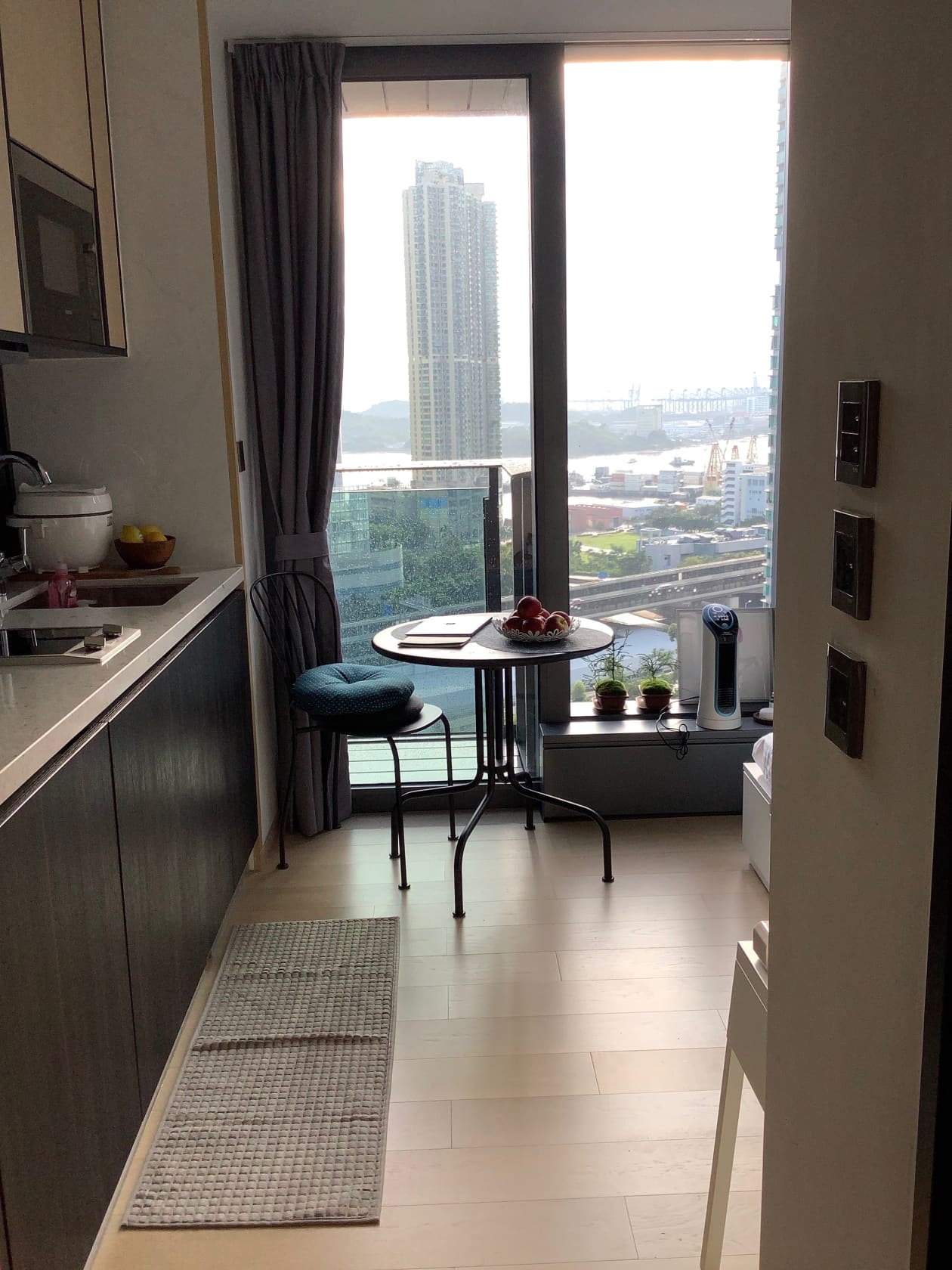
Might be here: Under 200 Square Foot Studio Apartment in Hong Kong | Apartment Therapy.

Cozy and minimal is fine, but this is basically the space you find in a big camping tent. I am sure some people can adopt just fine, but I don’t know if I could live in such a space for long. I also wonder if this is the direction we are heading for cities other than Hong Kong. Higher property costs and lower incomes might cause this to happen in other cities. I don’t look forward to that.

What is hostile architecture?

You can find a description of hostile architecture here, but the best way to describe it is to show it, as Vice does here: Photos of the Most Egregious ‘Anti-Homeless’ Architecture – VICE. Once you see these photos, you will find you see examples of it everywhere in the places you frequent.

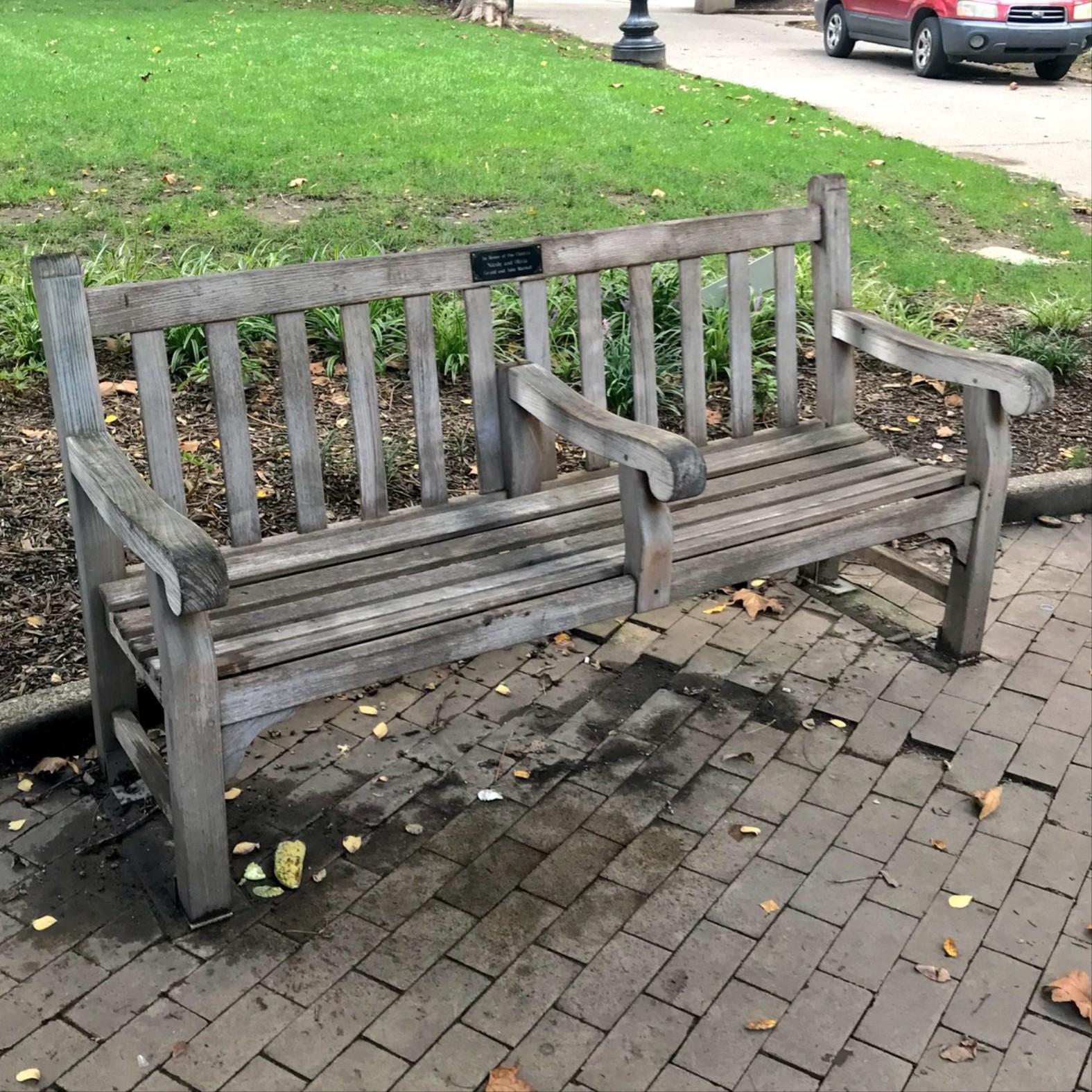
Most hostile architecture is aimed at homeless people. Sometimes it is obvious, like spikes installed on flat surfaces. Other times, it’s more subtle, like arm rests in the middle of benches. (Prevents homeless people from lying down on them.)

One of the problems with hostile architecture is that it allows us to pretend homeless doesn’t exist. If we don’t see homeless people, it’s easier to image they aren’t there. A lesser problem is that cities become more unliveable for all, because hostile architecture for anyone is hostile architecture for everyone.

We need more livable cities. And we need more support for homeless people. Hostile architecture is not the solution.

P.S. Not all hostile architecture is aimed at people. Some of it, like spikes on top of outdoor ledges, is aimed at pigeons. I’ll leave that for another post.

On superurbanization

Urbanization is an increase in cities  through their growth, either in more cities being created or growth within cities. Superurbanization is a new idea. It’s how some cities get the lion share of growth at the expense of other cities.

To see what I mean, look at this chart: A chart showing the growth of tech in US cities

Source: Tech is divergent | TechCrunch

Cities are growing everywhere, as people move from rural areas. But some cities are growing much more than others.

Smaller cities are trying to do something about it, as this article shows. But in the end, we may end up with more and more supercities, and smaller cities may suffer in the same way rural areas are suffering now.

Can cities be affordable?


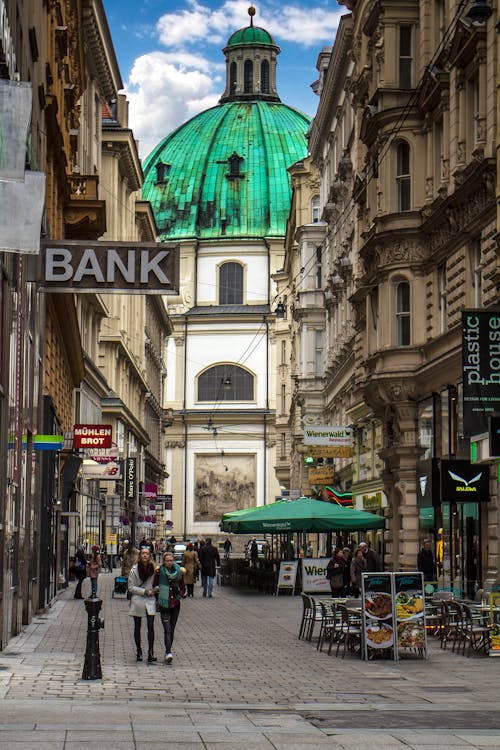
If you read articles like this, Why Homes in Major U.S. Cities Are Nearly Impossible To Afford – Curbed, it can be hard to believe than any city not on the decline can be affordable. But there are exceptions, and it is good to know about them and why they are. One such city is Vienna, and this piece has a good explanation on why it is.

If you are concerned about cities being affordable, I recommend the piece on Vienna. Affordable cities is going to be one of the big challenges of the 21st century. We need good ideas to deal with this.

(Image via pexels.com)

On cities and digital technology and loneliness

This is a good piece: How to redesign cities to fight loneliness.

It talks about how cities and services can be changed to fight loneliness. This is good. The flipside of it, though, is that cities are designed and have evolved to promote loneliness. One of the reasons people come to cities is to get away from things. The cost of that is often loneliness.

Cities are not the only contributor. Digital technology also can contribute to loneliness. But like cities, digital technology can also help to assist those struggling with being alone.

The bigger problem is loneliness in general. Cities and digital technologies can help there. But there are bigger social and cultural issues in the mix, and those need to be addressed as well.


New York City and the future of retail in cities


I’ve read a number of articles talking about the demise of New York due to rising rents and gentrification. After reading them, tt’s easy to feel hopeless about New York and cities in general. Which is why I was glad to read this: New York City Reveals the Future of American Retail – The Atlantic. It’s true, there are big changes in New York, just like there are big changes in other cities. And it’s true that many beloved retail stores are disappearing in cities everywhere. But it’s untrue that vacancy rates are shooting up and it’s untrue that it’s only big chains taking over. While retail stores threatened by Amazon are closing, places like restaurants and fitness locations are filling the gap.

You can argue that a city needs more than this new world of cafes and restaurants and gyms. The article points out to ways cities can encourage that. Specifically:

According to Jeremiah Moss, specific policies caused the disappearance of old New York—like tax breaks for big businesses, which have been a hallmark of city governance since the Ed Koch days (and up through HQ2). Moss says that several new policies could fix the problem. First, he is an advocate of the Small Business Jobs Survival Act, which would make it easier for small retailers to extend their lease in neighborhoods with rising rents. Second, he favors zoning laws that would limit the density of chain stores. He and others have also called for “vacancy taxes” that punish landlords who sit on empty storefronts for months at a time. All of these policies could help small businesses push back against the blandification of New York and the broader country.

Cities thrive when there is a mix of establishments servicing the wants and needs of its occupants. After reading this article, I think cities, New York and elswhere, are doing well and have a viable path to get better.

The greatness of what College Park in Toronto could have been

Sigh.

I love College Park in Toronto. I wish it were more of a destination spot for visitors. Perhaps if it had been built out like this photo, it would have. Instead, it was built out to the area outlined in white.  Still a lovely building, but it could have been a phenomenon.

What could have been.

Via The half-built relics of nixed Toronto skyscrapers – Spacing Toronto

Can housing be affordable?

Based on many affluent cities currently, the answer is “no”. But there are exceptions we can learn from like Vienna. As this piece shows,  Vienna’s Affordable Housing Paradise | HuffPost, it’s possible even in affluent cities and countries to have affordable housing under the right conditions.

Well worth reading that if you are feeling it is impossible to have affordable housing these days.

San Francisco puts delivery robots on a lease. Good.

According to CNET: Delivery robots face strict rules in San Francisco.

I like that picture above. Often when I see delivery robots in photos, they are by themselves on an uncrowded street. In the photo above, you can get a better sense of how it will be a problem if swarms of these things start taking over the sidewalk. The idea of sidewalks becoming more crowded by these tiny vehicles is a maddening one.

I’d be fine with them if city planners can come up with a way these robots can roll around and not impede better uses of the streets such as walking and cycling and public transit. Until then, the less robots crowding the sidewalks, the better.

Like drones in the air and autonomous cars on the roads, robots are coming to the sidewalks. City planners need to start planning for that now.

Montreal’s low rents are a lesson for any city suffering the opposite

Le Plateau in Montreal

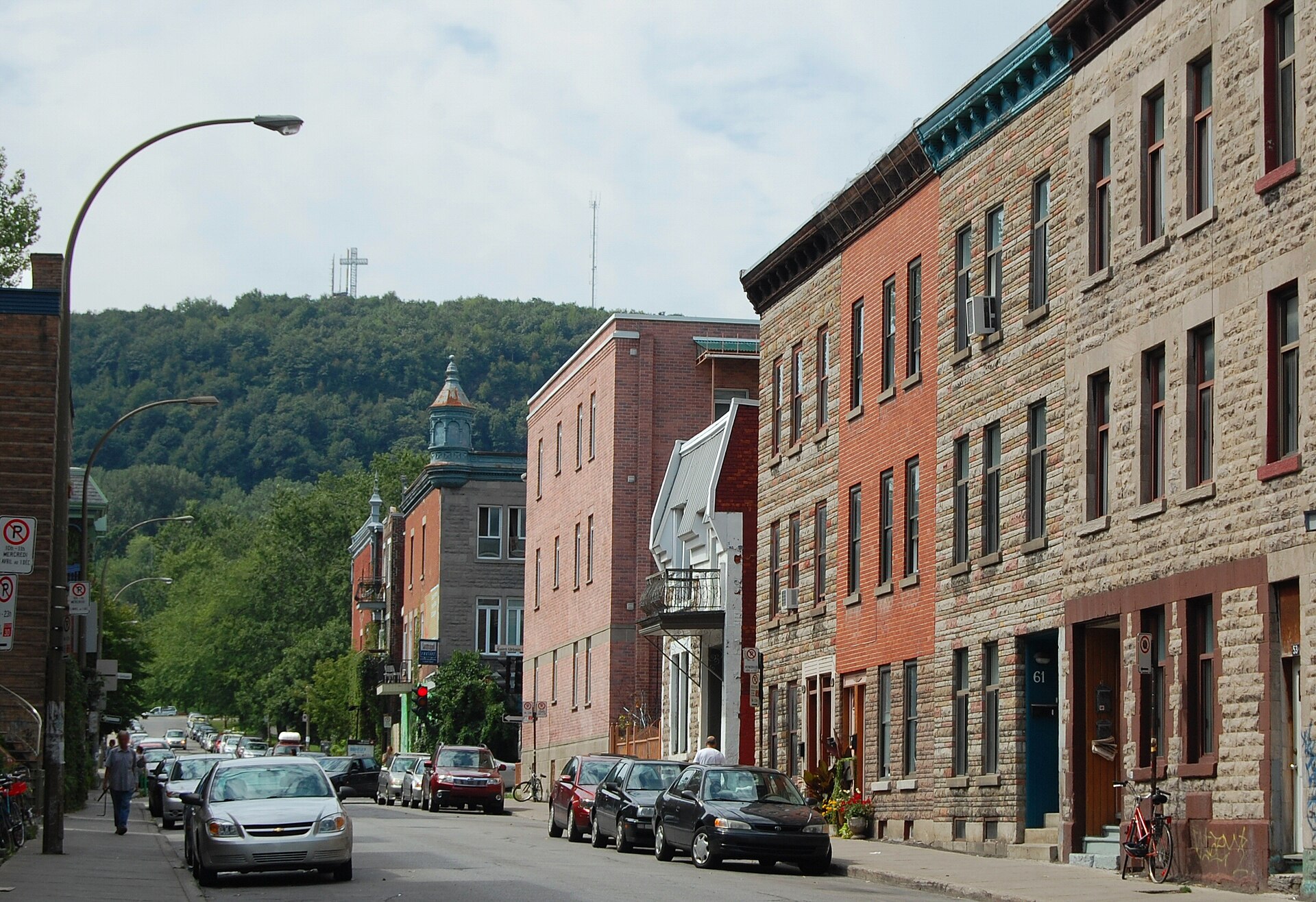
Rents in many cities are high and rental properties are becoming increasingly difficult to afford. One exception to this is Montreal, where “average rent for a two-bedroom apartment in the Montreal metro area is $760. The Toronto average is $1,288. In Vancouver, it’s $1,368.” Why is that? Well there are a number of reasons, but as this The Globe and Mail point out, a key reason is the basic economics of supply and demand. But there is more to it that just that, and I’d recommend you read the piece to find out why.

I’m not sure if other expensive cities can replicate this, but it’s worth knowing it can be done and using this knowledge in cities where politicians and others try to limit rental stock.

The migration from rural to urban areas is going to continue for some time. People need more places to live. Let’s hope other cities can learn from Montreal.

(Quote from the article, image from Wikipedia)

Another cautionary tale: this time regarding Bleecker Street in NYC

The story of Bleecker Street’s Swerve From Luxe Shops to Vacant Stores in the  NYTimes is one playing out in many cities throughout the world, though perhaps not as extreme as this. It’s a big problem when money comes flooding into neighborhoods and cities, disrupting the people that live there, and making those areas unlivable in some cases. Most people need somewhat stable places to live, but unstable social systems (capitalist or otherwise) can make that difficult unless other social systems (like local governments) come in and press back against such instability. As more of the world moves from rural to urban areas, the tools to make streets and cities livable need to be developed and put to use.

Anyone living in a growing city needs to read this piece. Recommended.

(PHOTOGRAPHS BY CHRIS MOTTALINI FOR THE NEW YORK TIMES)