Is there any cocktail abused more than the martini?

It must be the glass, because no cocktail is abused more than the martini. If you make up a cocktail and put it in an old fashioned/whisky glass or even a Nick and Nora glass, it will only get so much attention. But that changes when you put it in a martini glass. Suddenly you have the drink du jour.
I thought of that when I read this in the New York Times: How Much Dirtier Can the Dirty Martini Get? I am not a fan of a dirty martini or really any drink with “-tini” added to the end of it. Ugh. I’ve had enough dirty martinis to know that they are a terrible drink. I honestly am happy to let people drink whatever concoction a bartender can make, but I draw the line at those.

As for me, I’d recommend a straightforward wet martini. Other slight variations of that are fine, including the 50/50 martini  and even a freezer martini. But dirty martinis? No thanks.

McRib lovers! Here’s how you can have a McRib any time

If you are a McRib lover like me, you know how hard it is to get the McRib. Really really hard. Heck, people have built websites just to track them worldwide! And even when they do show up — finally! —  it’s for a limited time. What’s a person to do if you want to eat them more frequently?

I have a simple suggestion. First, get yourself some pickles, some chopped raw onions, and a sub bun like the one for the McRib (pictures are everywhere on the Internet if you need a reference). Then go to your national grocer (e.g., Loblaws, or my choice Walmart) and look for a box of BBQ pork back ribs. Cook the ribs as recommended on the box. Then take them out of the oven and while it is cooling a bit, assemble your sandwich. For the ribs, chop the meat off the bone and add it to the rest of the sandwich. Voila! You have a very good McRib like sandwich! You might be skeptical, but honestly you’ll feel like you’re sitting in your local McDonald’s eating one of their  McRib sandwiches.

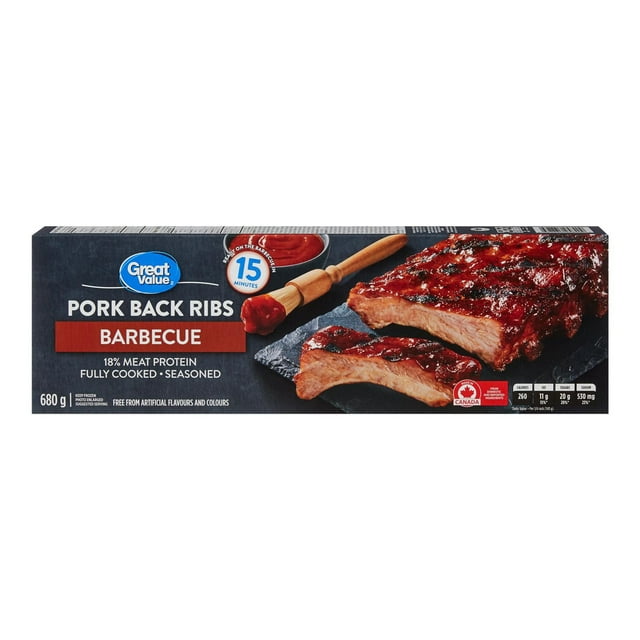
I have not tried it with various boxed BBQ ribs, but Walmart’s Great Value Barbecue Pork Back Ribs resemble the saucy pork meat in the McRib to a very high degree. I say this as someone who has been eating McRibs for years and years. And even if it doesn’t quite match your expectations, you get a good tradeoff in that you can have these every day if you want.

Give it a try. Anytime you want. You’ll be glad you did.

P.S. For more on my McRib writing — hey, I love them! — check these out.

P.S.S. Obviously you need the Barbecue Pork Back Ribs, and not other kinds like the Honey Garlic Ribs if you want to make a sandwich like the McRib. But you could make some pretty amazing sandwiches by playing around with the ingredients and the flavoring of the ribs. Honey Garlic ribs on a bun with cilantro, pickled veg and hot sauce could make something like a bahn mi sandwich. Or the BBQ ribs with ham and pickles and swiss cheese and mustard could make something like a Cuban. Really so many ways to make a great sandwich with these ribs on a bun.

Restaurants loved and living: Côte de Boeuf


I love casual French restaurants. And my favourite thing to order in causal French restaurants is steak frites. That’s why  Côte De Boeuf is one of my Loved and Living restaurants. Ever since I left the sidewalks of Ossington Street to step inside, I’ve been a huge fan. I’ve lost track of how many times I’ve been there since that first time many years ago.

It’s a perfect little restaurant/grocer. You can stop and just purchase some of the beautiful meats they have in the window. During the pandemic, I would at least do that. But my preference is to go and grab one of their tiny tables along the wall with barely enough room for a plate and a glass and a single votive.

And what good plates and glasses of wines they have! While they do many things well, from oyster to charc’ to dessert,  I cannot resist ordering their steak frites. The fries are wonderfully prepared, and their steak is top notch.  Even when their steak prices leapt up, I still kept going, it was that good and worth the trip. Their wines? French, of course, and a perfect accompaniment for any thing you order.

If I lived nearby I’d go once a week. Alas, in recent years I have not  gone at all, due to it being overwhelmed with guests. Even in summer when they have a patio, it can take a long time to get in, if you can get in at all. And no they don’t have reservations. There’s nothing causal about that, I am sad to say.

This week my sadness turned to delight when I heard that they are creating a sister restaurant in my favorite neighbourhood in Toronto, the Annex. Even better, they’ll be taking over the space left by the closing of the By the Way cafe. That means more seating and more chances for me to go. I don’t think it will be once a week, but it will be with some frequency, that’s for sure.

Here’s hoping the new sister restaurant will be open come December. I can’t wait to go, no matter how big or small their table tops are. All I need is enough room from a plate, a glass, and a single votive.

"Steak

On Crémant, a great wine that’s terribly under-appreciated

Sure you can celebrate with a bottle of champagne. Or you can pop open some cava or prosecco if you want some every day bubbles. But if you want something in between that’s well priced and delicious, you want a bottle of Crémant. As Food & Wine notes:

Crémant has the unique distinction of being both deeply appreciated by many wine professionals, yet stubbornly under the radar among most consumers. Among the most delicious — and deliciously versatile — sparkling wines in the world, Crémant remains somewhat of a mystery.

In terms of how it compares to champagne and prosecco, F&W says:

At its core, Crémant is a category of French sparkling wines that are produced using the same traditional method as Champagne, yet from other regions, and often leaning on grapes other than the Big Three of the world’s most famous bubbly (Pinot Noir, Chardonnay, and Pinot Meunier)….

Because of the range of terroirs and climates in which Crémants are produced, as well as the different grape varieties, the category represents a wide range of styles and expressions. Still, they are all tied together by their method of production, which involves a secondary fermentation taking place in the bottle — as opposed to in a pressurized tank, as is the case in the Charmat method most famously employed for Prosecco — in order to convert the still wine into sparkling. This lends depth and complexity to the wine, as well as pastry and bakery-like notes from the extended contact with the yeast, which the law stipulates has to occur for a minimum of nine months prior to disgorgement, or clearing the individual bottles of that spent yeast.

If you are shopping around and wonder what makes a Crémant from the Loire different than say one from Alsace:

The main ones you’re likely to see on the market are Crémant d’Alsace (often made from Pinot Blanc or Pinot Gris, and sometimes a grape called Auxerrois, in addition to Pinot Noir and Riesling); Crémant de Bourgogne (Pinot Noir, Gamay); Crémant de Loire (Chenin Blanc, Sauvignon Blanc, and even, unexpectedly, Cabernet Franc); and Crémant de Limoux (Chenin Blanc, Chardonnay, and a local variety called Mauzac). Crémants are also produced in Bordeaux, the Rhône Valley (called Crémant de Die), Jura, and Savoie. There are eight total AOCs in France for Crémant production.

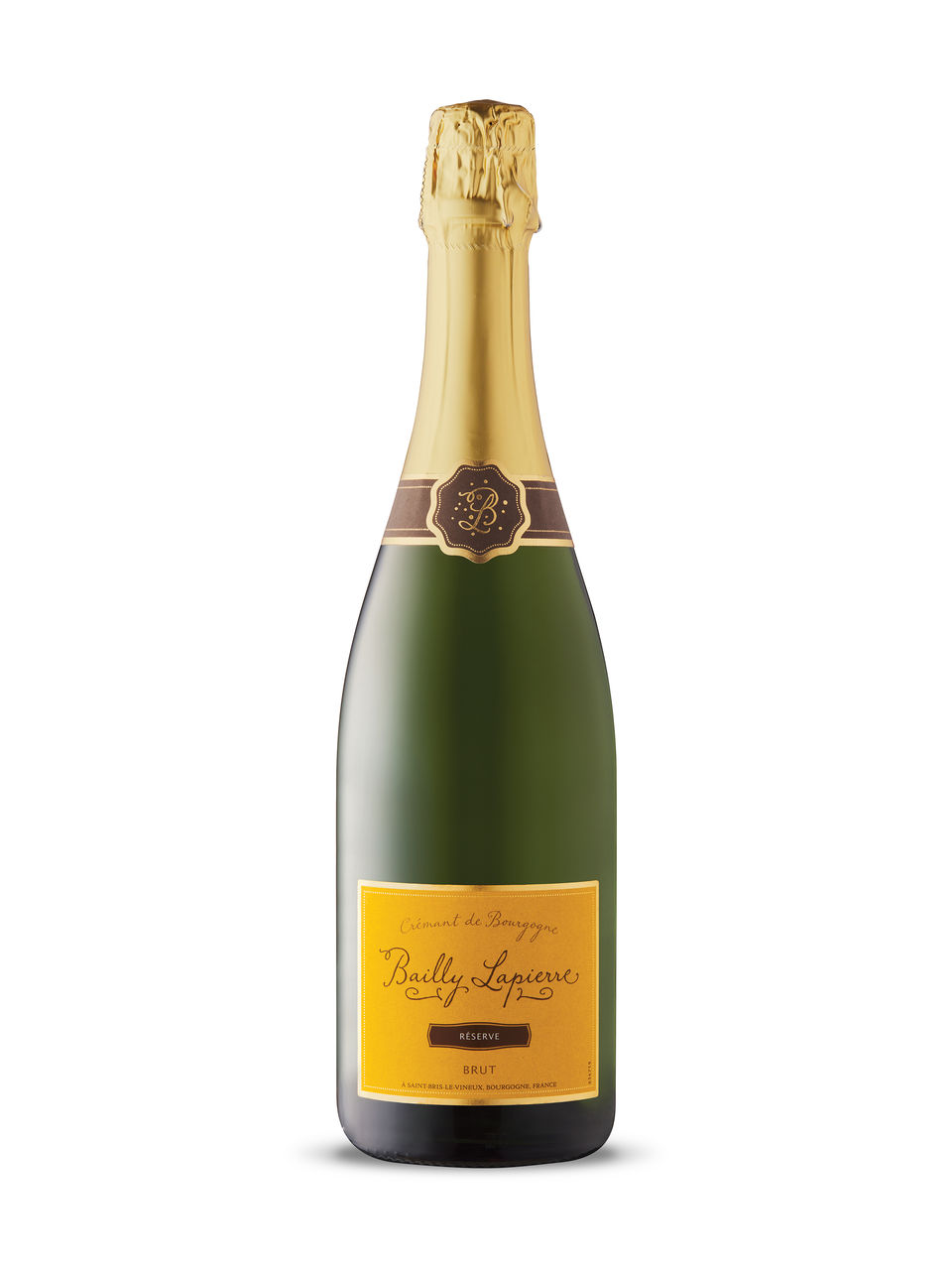
We are fortunate to have over a 100 different kinds of Crémant here in Ontario, including one of my favs, Bailly Lapierre Réserve Brut Crémant de Bourgogne. Next time you are in the LCBO, check both the main section and the Vintages section: in a large enough store, there should be at least a few products in both section. Make sure it has the word “Crémant” on the bottle, since some French sparkling wine is neither Crémant nor Champagne and often not that great. However I have yet to find a bottle of Crémant I did not like in all my years of drinking it here in Canada.

Here’s to more people knowing and drinking one of the best value wines France has to offer. Cheers!

P.S. The golden age for Crémant in Ontario was during the pandemic. I am not sure if the French wine makers were dumping it on the market, but there was a tremendously great selection of the stuff during that time. There’s still a good selection, but the selection at that time was great. Much of the pandemic was like a dark cloud: the abundance of Crémant was a silver lining.

On risotto, a dish no one should fear and everyone should embrace


Everyone should learn to make risotto, and no one should fear it. I was thinking that again recently when I was showing my daughter the best way to make shrimp risotto with peas. 

I first recall risotto becoming a big thing in the 198os. Maybe it was risotto milanese, as this noted. At the time it was presented as a difficult dish that was hard to make and easy to mess up. It has managed to keep that reputation into the 21st century, as this piece shows.

I’m here to tell people to reject that reputation and embrace making risotto. As I wrote on my other blog, it’s a great dish if you make if you want to use up things you have in the kitchen. Plus it’s not hard. There’s just a few simple things to keep in mind:

  1. You just have to be patient when you make it, adding the liquids a 1/2 cup to a whole cup at a time, then stirring the pot as you add the liquid.
  2. You don’t have to stir non stop, but you should stir it every 10-30 seconds until the liquid incorporates into the rice. When you move the rice and you can’t see any liquid on the bottom of the pan, add more liquid.
  3. Stick to medium-low when cooking the rice in the liquid. Give the rice and the liquid time to do the work.
  4. After you add the 3rd cup of liquid, taste the rice. Is it still hard? You want it to be al dente, in my opinion. Do you prefer it softer? Then keep adding more liquid until it is soft. Generally with a cup of risotto rice, you will want four cups of liquid. Whenever I have used a ratio of 1:4 (rice:liquid) I have had success.

Here’s the recipe for Risotto With Shrimp And Peas by Marian Burros from the New York Times. It’s a winner. (My comments are in the parentheses.)

Yield: 2 servings
Ingredients:
  • 4 cups no-salt-added fish or chicken stock (I used chicken and I don’t worry about the salt. Also most recipes call for warmed up stock)
  • 1 tablespoon olive oil ( or any neutral oil)
  • ½ cup chopped onion (shallot or leek is also fine)
  • 1 cup arborio rice
  • ½ cup dry white wine (you can replace with stock but the wine is better)
  • ½ pound fresh peas, shelled to yield about ½ cup (canned peas are fine. Frozen cooked in the stock is also good)
  • ½ pound shelled raw shrimp (I used a bag of mixed shrimp and bay scallops and that was great)
  • Salt and freshly ground black pepper
  • ½ cup grated Parmigiano-Reggiano, optional (at least for fish based risotto)
Preparation
Step 1: In a large saucepan, simmer stock. In a heavy-bottomed pot, heat oil. Add onion, and sauté until it softens. Add rice, and stir to coat. Add the wine, and cook until liquid is absorbed.
Step 2: Add one cup simmering stock to rice. Stirring often, cook over medium-low heat until liquid is absorbed. Repeat with second cup, and continue cooking, stirring often. Repeat with third cup.
Step 3: As rice becomes soft but firm, add last cup of stock. If peas are large, add them and cook about 4 minutes. Then add shrimp. If peas are small and tender, add them along with shrimp. Cook shrimp just 3 or 4 minutes. Season with salt and pepper and serve, with cheese if desired.
P.S. Once you feel you get the hang of that, here’s 19 more risotto recipes you can make, courtesy of Chatelaine magazine. Image is from their recipe for lemony mint and pea risotto. Also check out my blog post for more risotto ideas.

On the end of Jersey Milk and Cherry Blossom chocolate “bars”

Sad to hear that another Canadian chocolate icon, the Jersey Milk bar, is being discontinued. The company that owns it, Mondelez, said there was more demand for it’s other products. Hence, the discontinuance. Hey, I get that. It’s still sad to see part of one’s youthful experiences disappear. I really used to like Jersey Milk chocolate. It was different and dare I say better than other chocolate only bars.

Sad too was the demise of a “bar” I loved that many didn’t: Cherry Blossom. It wasn’t a bar so much as it was a mound of chocolate with a cherry filling. It was also a candy that brought up strong feelings, with many saying they hated it. What did they know: I thought it was unique and excellent.

Restaurants loved and living: L’Express

L’Express restaurant: just the thought of being there again makes me happy. I’ve gone countless times in the last few decades. Whenever I am in Montreal, even if just for a day, I dine there. Everything about it is great: the bistro food, the great value French wine, the superb waiters, the classic decor, and especially the big jars of cornichons. I love the ravioli and the hanger steak, followed by one scoop of ice cream (preferably maple),  but I have never been disappointed with whatever is served.

I was worried about it during the pandemic, but they seem to have muscled through those lean times. No doubt because of its many fans who have been there since 1980, and who no doubt will still be going in 2080.

I suspect they will have even more fans now that Michelin has arrived in Quebec and awarded it a Bib Gourmand. While I am agree with Leslie Chesterman that Michelin got things wrong on their first swing at Quebec, the tire people did right awarding a Bib to L’Express. It truly is “good quality, good value cooking”.

So the next time you are in Montreal strolling the great street of St. Denis, pop in to L’Express, either to have some wine (it’s also a great wine bar) or better yet find a table, scan the wonderfully printed menu, and settle into a plate of savoury bistro food. You won’t be sorry.

For more on L’Express and it’s history, check out this piece in the New York Times.

(Photos here from the Times piece. For more restaurants loved and living, see here.)

Some thoughts on using chatGPT to write a program to determine which foods are fresh in Ontario

It is easy to find out which foods are fresh in Ontario. There are several guides, including this one from Foodland Ontario, that can help you with this. However, I wanted a particular guide that would list for me all the fresh foods for a given month only.  And since I couldn’t find a guide like that, I decide to write a python program to make such a guide.

In the past, to write a program like that, I would go through sample code I have, pull out bits of code that were good, and cobble together something from all these bits. Lately, though, I simply ask a service like ChatGPT or others to write the code for me. I find nowadays it’s just so much faster to go that route. Call me lazy. 🙂

Since I wanted this done quickly, I pointed chatGPT at the Foodland Ontario guide and asked it to do the following:

Write a python program that strips out the text on this page https://www.ontario.ca/foodland/page/availability-guide?gad_campaignid=22412095602
and leaves just the foods and the month they are grown on. Include all food that states that is Year Round.

Did ChatGPT do that? Yes, it did. Was the program any good? No, it was not! It somehow looked at that web page and decided the values were stored in a table, even though they were not. The web page is more complex than that and so the program was a pretty failure.

After many prompts, I gave up and took an alternative approach. For this new approach, I stripped out the data manually and created a simple CSV file. I then asked ChatGPT to write a program to process the CSV file. Since it is a simpler file, ChatGPT was able to produce a workable Python program that was able to process the CSV file and output the information I needed.

Perhaps a more skilled prompt engineer could have written a better prompt to process the code. I dunno. I am finding that LLMs — not just ChatGPT — are fine with writing some straightforward code based on non-complex inputs and outputs. They are not so fine once the inputs or outputs get complex. But that’s just my experience. YMMV.

I have also concluded that even warmer months like May in Ontario do not have much in the way of fresh food. No wonder there are so many food stories on asparagus and rhubarb! 🙂 You really need to hit June or later before you get into a cornucopia of fresh produce.

If you’d like to see the end result of my coding, go here to this repo: https://github.com/blm849/ontfoods


Restaurants loved and living: The Senator

Like Okonomi House and Le Paradis, the Senator restaurant is a much loved restaurant I’ve been going to for a long time (the 1980s), though it predates that era by many years. It has the same 1930s ambiance of Le Swan and The Lakeview, two other Toronto restaurants I love. And while it has many fine things on the menu, the one reason I go there for is the breakfast.

The last time I went I splurged and got the steak and eggs (seen above), as opposed to the bacon and eggs, which was my Usual. Either dish is excellent. Also excellent: their coffee. Make sure when you go there to get some of their excellent brew: it’s hot and tasty and endless and served up in an old school diner mug.

When the pandemic hit I feared it would be one of the places to go under. Fortunately it held on, and the last time I went for brunch on a Sunday, it was packed with theatre people who planned to go to the Ed Mirvish show next door once they had their fill. That busyness was great to see.

When I was younger I would make my birthday a vacation day and I would start it with a trip to the Senator. I did that for decades. In all that time, the food and coffee and decor has been consistent and great. While they seem to no longer offer breakfast dishes on the week days, you can still get that and more if you hit them up for brunch on the weekend.

Whenever you go to the Senator, by all means go and soak up all that 1930s diner goodness. Get some coffee too. You’ll be glad you did.

On the No-Recipe Recipes cookbook from the New York Times

I want to recommend the cookbook above, one of my favorites.  The blurb for it says:

You don’t need a recipe. Really, you don’t. Sam Sifton, founding editor of New York Times Cooking, makes improvisational cooking easier than you think. In this compact, handy book of ideas, Sifton delivers 100 no-recipe recipes — each gloriously photographed — to make with the ingredients you have on hand or could pick up on a quick trip to the store. You’ll see how to make these meals as big or as small as you like, substituting ingredients as you go.

For experienced cooks, it’s a great book. For most others, I think you kinda need more detailed recipes, unless you are adventurous. If nothing else, it’s a fun book to read: Sam Sifton is a great food writer and every time I read him, I am inspired to cook.

Before you rush out and get it, take a look at this: You Don’t Need a Recipe – The New York Times. It’s a beautiful representation of the book. You can also get many of the recipes list here. I am a big fan of the pasta amatriciana on the fly and the pasta with chickpeas and a negroni! And you can’t go wrong with Italian subs with sausage and peppers.

If making a few recipes gets you wanting more, you can buy the book here: Cooking No-Recipe Recipes – The New York Times Store


Tipping is dead (and some other thoughts about restaurants)

Two things killed tipping: the pandemic and the handheld payment device (show in the picture above).

For decades before the pandemic, the standard tip was 15%. It was something you figured out yourself, and you either added it to the amount on your credit card or you might even pay in cash.

During the pandemic, patrons were asked to contribute more the usual 15% because everyone was struggling during the pandemic and this was especially true of restaurant workers. So people would tip sometimes 20% or more.

Also around this time the handheld payment devices became ubiquitous with default payment amounts. Unlike the one shown above, 18% became the lowest amount in many places, although I’ve seen some places have 20% and some with the audacity to make the lowest 22%. The pandemic ended, but rarely do I see 15% any more.

It’s true, for some places the device provides you an option to put in another amount. But you have to press several buttons and do your own calculation of the tip. And I am sure people do that and it’s fine. Most people I dine with, though, just go with one of the preselected picks of 18% or more.

This got me to conclude that the tip is no longer a tip. It’s just a service fee. Indeed I’ve seen some restaurants recently come out and say that on their bills. We are becoming more like Europe, where service is included but you throw in a bit more if the service is really good. I am not a fan of this.

This forced tipping is part of what I don’t like about restaurants and fine dining any more. I dislike the rushed service where they bring out all your food within 20 or 30 minutes of sitting down (if I want fast food I’ll go to a fast food restaurant).  Or bringing out the first food while I am enjoying a pre-dinner cocktail (I’ve pretty much given up on ordering them because of that). Or the smaller menus. Or surly and inflexible front of house who insist you sit in the table they’ve assigned you because that’s what’s on the iPad at their station. Or the waiters telling you that you have to be done by a certain time as soon as you sit down. And finally the payment device with a hardcoded 20% coded in handed to you by a hovering waiter. Bah humbug to all of that. I feel like I am renting a table, as opposed to being a guest.

I’m not the only one who is unhappy about it. Before he retired from the New York Times, Pete Wells wrote about how restaurants have changed and not for the better. I have to agree with him.

Maybe there are too many places chasing the fine dining experience but unable to provide it. I understand that: it’s hard to do. I mean, even the the French Laundry hasn’t aged well, according to Melissa Clark (also of the Times).

Perhaps we need to go back in time to when chefs (according to Jacques Pepin) were more like labourers and less like the rock stars you see in the bear season 3 with it’s chef cameos. I’m not sure that’s even possible any more. Everyone in the kitchen want to be Thomas Keller or Gordon Ramsey or Matty Matheson. No one wants to be Anthony Bourdain before he was famous.

I still love going out to restaurants, and there are a few places that offer great service, delicious food and fine ambience. It’s never a given you will get all three though, no matter what the prices on the menu say.

P.S. For more on how tipping has gotten out of control, check out these pieces: Tip-flation has some restaurants asking for up to 30% in tips and More and more places are asking for tips. Hidden cameras reveal who is and isn’t getting them and finally  Tipping Isn’t about Service – It’s a Psychological Con Job and Waymo may let you tip — but there’s a catch in The Verge.


Meat is good. Delivery is good. But meat delivery from Sanagan’s in Toronto is great. Here’s eight good reasons why you should order from them

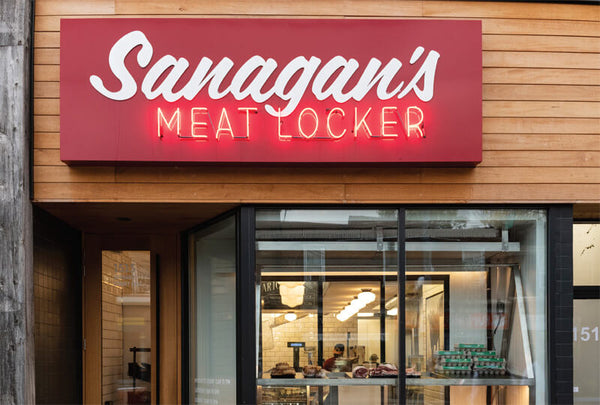
If you love good meat, then I highly recommend you get it from Sanagan’s Meat Locker in Toronto. If you can get to one of their locations — my fav is in Kensington — you should. But if you can’t, I highly recommend their delivery.

First off, their delivery rate, which was good before, is going lower, starting at $5. That less than the cost of commuting there. Spend over $150, and delivery is free.

Second, the quality of their meats and other goods is great. When I get a steak from Sanagan’s, it tastes like something and that something is delicious. So often meats from other places taste like nothing.

Third, the prices are reasonable. For example, here is what I paid recently:

  • Sliced Roast Beef × 1 – $4.89
    Duck and Green Peppercorn Terrine × 1 – $6.99
  • Metzger: Westphalian Ham × 1 – $5.20
  • Jambon de Paris × 1 – $5.69
  • Lamb Merguez Sausage × 1 – $9.99
  • Lamb Leg Steaks × 1 – $15.79
  • Paleron × 1 – $7.99
  • Flank Steak × 1 – $11.49
  • Pork Rib Chops × 2 – $11.98
  • Flat-Iron Steak × 1 – $9.79
  • Refundable Credit Card Hold For Overweight Products – $30.00

Those are as good if not better than the prices for comparable products at places like Loblaws or Metro.

Fourth, the selection is great. I can get cuts I can’t always get at the big grocery stores. Flank, paleron, tritip, and more. I didn’t get it last time, but I love getting their hanger steak and making myself a classic steak frites with it.

Fifth, you get points for every order which you can cash in and use on your next order.

Sixth, if you are a fan of charcuterie, they have everything you need for a great platter.

Seventh, they have lots of other great products too, from superb butters to great sauces, to mustards.

Eighth, they carry Blackbird bread, arguably the finest bread in Toronto and very hard to get (it sells out fast). I love that.

Ok, you get the idea. Sanagan’s is great, and their delivery is great. Check them out. You’ll be glad you did.


On Ina Garten (a few thoughts)

Ina Garten has a new memoir out that’s generating much publicity. Sometimes when I think of her, Martha Stewart comes to mind. For starters, both women have a large following and their earlier career was in something other than food.

But this line from a review of her Memoir got me thinking of how they differ:

I also distinctly remember how different the book (her first cookbook) felt from Martha Stewart and Gourmet magazine and other big food names of that era — Ina’s food was messy and real, without making any sacrifices in quality.

I think that’s part of Ina’s unique appeal. As wikipedia describes her first cookbook, the Barefoot Contessa:

Garten deconstructs simple French recipes like boeuf bourguignon or Baba au Rhum cake. She focuses on preparing foods efficiently, allowing more time to eat and spend with guests.

Post World War II, North American cooking went away from traditional home-cooking and towards French cuisine. (See Julia Child.) later in the 80s it aspired to be broader than that, bringing in flavours from around the Mediterranean, from Asia and elsewhere. Despite this expansion, the cooking aspired to be excellent and involve much effort (See Martha Stewart and Gourmet magazine.) Ina and others who followed wanted to change that: they still wanted their food to be excellent, but without all the fuss.

P.S. to see what I mean, here’s Ina Garten’s take on Julia Child’s boeuf bourguignon recipe which is naturally streamlined.

Restaurants loved and lost: the places that Greg Couillard cooked

Reading this piece by Greg Couillard in Toronto Life (from 2018) brought back tons of memories of dining in the 80s and 90s. Back then fine dining went from being French-centric to representing a diverse range of cultures and flavours. Greg Couillard was at the center of all of that in this city, and the restaurants he and others cooked in drove that change. Whenever he joined a new place, I would grab a table and eat his Jump Up Soup and anything else he was plating. He didn’t stay at places long, but while he was there, the food was great. (In fact the soup was so great the Loblaws bottled it up and sold it in stores.)

It was a treat to read his piece and to recall places like Avec and Emilio’s. A treat to read those old clippings from NOW (shown above). It got me thinking about his soup, too. I’ll have to try and make it some day and relive old times and tastes. It won’t be as good as eating it at his places, but it’s the best I can do these days.


Friday Night Cocktail: the Wet Martini

Too much is made of martinis being dry. Meh. A martini is a cocktail: if you just want to drink gin or vodka straight up, do that instead.

I especially like this Wet Martini Recipe from Pete Wells because it leans into not one but two different vermouths as well as some other ingredients to make a true cocktail. Martini lovers especially should give this a try.

So you want to publish a cookbook? If so, read this.

If you are thinking of publishing a cook book, then you owe it to yourself to read this piece in Eater. Eater interviewed three cookbook authors on how they got their first book deal and touches on all aspects of the process they followed. It even talks about how much money you might make. (Emphasis on the word, might.)

Obviously this isn’t the last word on how to get published, but you will come away from it with a better sense of what those authors did to become successful. In one case, author Priya Krishna went on to become very successful with a prominent position at the New York Times. Who knows where you and your stack of recipes — or Instagram posts — will end up?


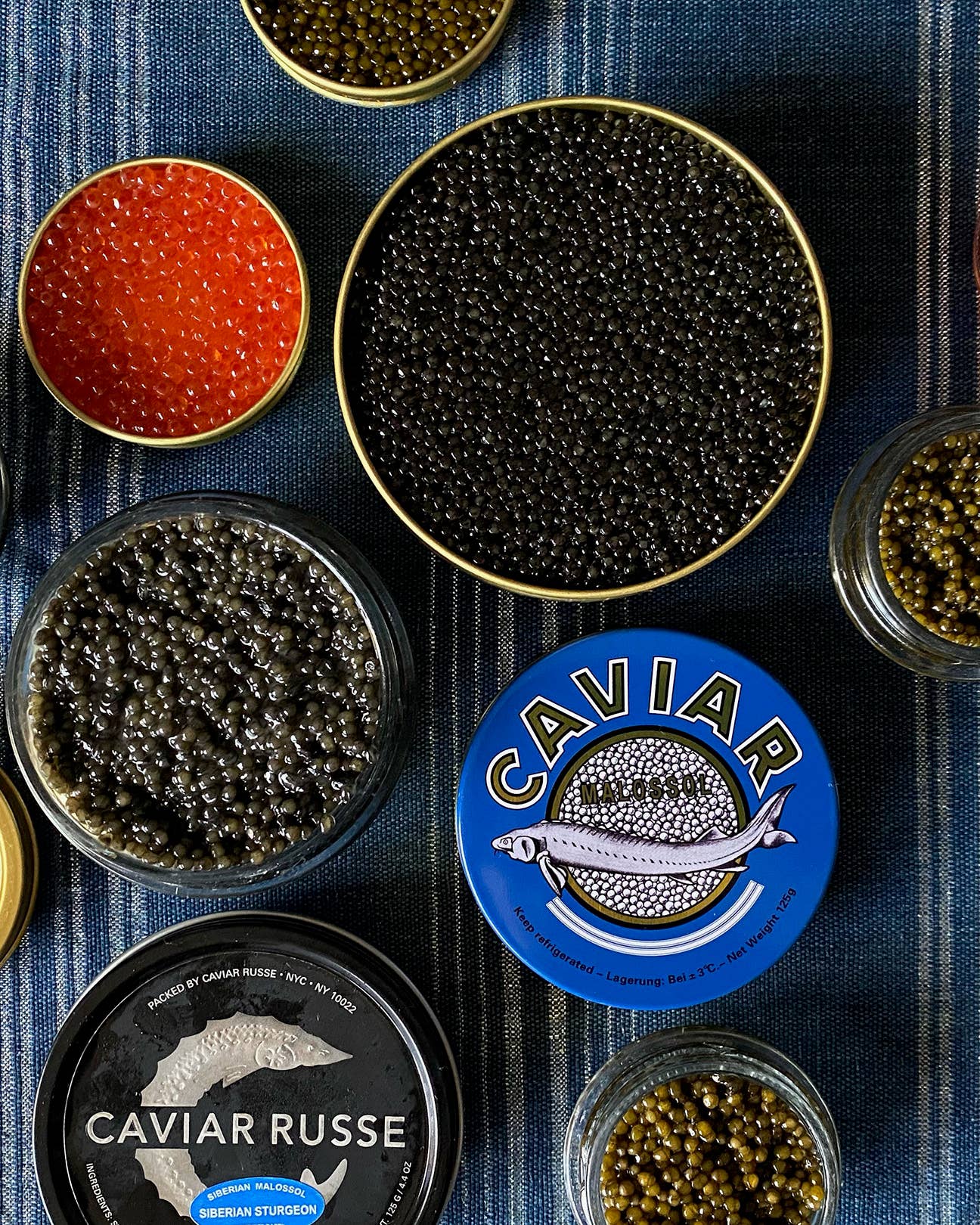
What does caviar have to do with the McRib? (find out in this Friday’s food links for food lovers, July 2024 edition)

What does caviar have to do with the McRib? Hardly anything, other than they are edible and they are both featured in this blog post.

Now most of the time when I write blog posts on cooking and food, they are associated with recipes. Not today. This is mainly about highlighting good writing about food. So grab a chip and some caviar — or a McRib — and let’s go….

Here’s advice on how to be a better cook. This tells you what mirepoix is. And this tells you all about emulsification. These are some smart shortcuts for big flavor in your cooking. This is how to put those staples you have to good use.

You may be asking yourself…what is the diff between baking soda and baking powder? Should you subscribe to a farm box csa? What are eight good rules for dinner parties? What is a Coney Island hot dog?

You might wonder what should you cook when it’s insanely cold outside? What to make at New Years? What to make for your kids?What are the best caviars? And what are the best potato chips? What is the best air fryer?  What are some ways to eat less not no meat? How to know how to salt pasta water? What is the best pasta to eat in Italy?

You may even want to know who the eff is the food professor? What is the unstoppable Matty Matheson up to? How did Julie Powell and her julie julia blog change food writing?

So many good questions. Those links will help answer them.

I liked this piece on the late poet Charles Simic who had a love affair with spaghetti. Relatedly: when my mom died I mourned her with spaghetti. That too was good. Finally, here’s an obit for the great NY Times food critic, Mimi Sheraton.

You may not have realized that jelly is ready for a comeback. Or that there is great Aspic Renaissance. I personally am skeptical.

If you are curious about what Costco‚’s $4.99 rotisserie chicken says about the future of American farming, read that. If you are interested in food and how it relates to instagram or tiktok, then read those two pieces.

You may want to know what are the 45 Biggest Food Trends That Defined the Past 45 Years. You may not be surprised to learn that most canned ‘San Marzano’ Tomatoes are fake.

For restaurant goers, this talks about new restaurant plating trends. And this talks about the restaurant staff meal.

For fans of processed food, here’s something on McDonald’s McRib, the future of fast food, and the Florida ban on lab grown meat,

Caviar and the McRib. Two good things that normally do not go together, except in this blog post. 🙂 Thanks for reading it.

Restaurants loved and lost?: Prune

Like many restaurants, Prune was shuttered during the pandemic. Unlike other restaurateurs who quietly left, the head of Prune wrote a brilliant essay on its passing: My Restaurant Was My Life for 20 Years. Does the World Need It Anymore?

Like many of the other noted restaurants loved and lost, this one hurt. Especially so. I had only just started to make it a destination whenever I was in New York and suddenly it was gone. Or was it?

As this piece noted in 2023, the restaurant was being renovated and private events were being held there. Heck, Alison Roman and her beau had celebrated part of their wedding there. I was hopeful that it eventually would go from being private to being public. But as of March 2024, at least, it still looked like it did in the photo I took above. Indeed this article in The New Yorker at the same time said it is only available for private parties at the owner’s discretion. Sigh.

There was something magical about Prune. It was a world class restaurant that was also a small neighborhood restaurant. I remember the first time I went: I wandered by it while in NY’s Lower East Side and I popped in to see if they had any tables available for the evening. To my surprise they said I could sit at the bar at 7:30. I had a fabulous meal that day. I thought: I want to come back here often and for ever.

And maybe I will someday. Maybe Gabrielle Hamilton will throw open her doors to the public once again. But for now, I am including this among the restaurants loved and lost. I’ll miss your snack plate, Prune, and your duck breast over beans, and all the other great meals there. I’ll miss your small, perfect space. I may walk by you from time to time, but I doubt I’ll leave the sidewalk and cross your threshold any more.

On the chocolate cake at Claud and what we can learn from it

The Claud chocolate cake can be a lesson for any restaurant in this day of social media and influencers.

Claud in NYC is a highly respected restaurant with subtle and sophisticated cuisine. Yet if you go to social media sites like Instagram, what you’ll often see is their chocolate cake, shown above. (And yes it is mine and I ordered it.)  Just looking at it and you can see why it is popular: it is an eye catching slice of dessert.

I hesitate to call it a gimmick, for it’s delicious and well made. But it is definitely an attention getter, and in this age of social media, getting attention is key.

There are many ways to attract diners. If you want an easy and low cost way to do that, get yourself a menu item like Claud’s cake.


On the cost of steak frites in Toronto

I love steak frites.  While it’s always good wherever I get it, my favorite place to order it from is Cote de Boeuf in Toronto, where it was delicious and affordable.

I was somewhat shocked recently by the price of steak frites there. The Cote de Boeuf menu above was from Nov 27, 2021. A bit pricey but not bad. Two and a half years later, their steak frites will now set you back 47 bucks (up 34%), while the next highest price cut is a 12oz ribeye at 69 (32% increase). The cote de boeuf has gone up to 168 (only 12%). 

At first I wanted to blame influencers for the price increases, since a) I don’t like influencers and b) I have seen many of them posting about how good this place is.  (That it is the best place for steak frites in Toronto is not just my opinion.) My prejudice was confirmed recently when I walked by and there was a lineup even with their patio open. One thing I loved about the place in the past was the relative ease of getting a spot inside even without the patio. I figured this demand was driving up the price.

However I went through the list of places in that blogTO post and I noticed that some of them charge the same if not more than Cote de Boeuf. Now, much depends on the size and cut of meat. Le Select Bistro offers an 8 oz striploin version for $49 and a 12 oz version for $70! Compare that to the current 10 oz striploin at Cote de Boeuf  for $47 and you are getting a better deal. Then again, Jules Bistro offers a 6 oz striploin for only $26.95., and the Ace offers a 10 oz hanger steak for $40. Le Paradis offers a flatiron steak of unknown size for $30.

I know the price of beef is going up and that is no doubt driving some of the cost increases. But I also suspect steak frites has become a more popular dish, and the demand for it is allowing restaurants to make it a more central and more expensive option.

I found another menu of Cote de Boeuf from February 2019 and steak frites was $28 then. No size mentioned, and it was listed as butchers cut (no doubt so the butcher could decide what was best to serve based on availability, etc.). Also there were seven mains then and duck confit was $29 ($1 more then vs $5 less now). Once the pandemic hit, restaurants trimmed back their menu options and no doubt have gone with their most popular items.

The whole trend makes me somewhat sad. I was never a fan of steakhouses with their exorbitant prices. I preferred a simple dish of steak frites preferably made with an unusual cut of beef like hanger or bavette. Good quality and not too expensive. It was like a burger and fries but for older people like me. I suspect those days are over.

Ah well. 

As something of a consolation, I see more and more places slipping good quality pork chops and fries on their menus recently. Mostly priced well below the steak frites. Perhaps that will be my go to the next time I hit up a bistro style restaurant. 

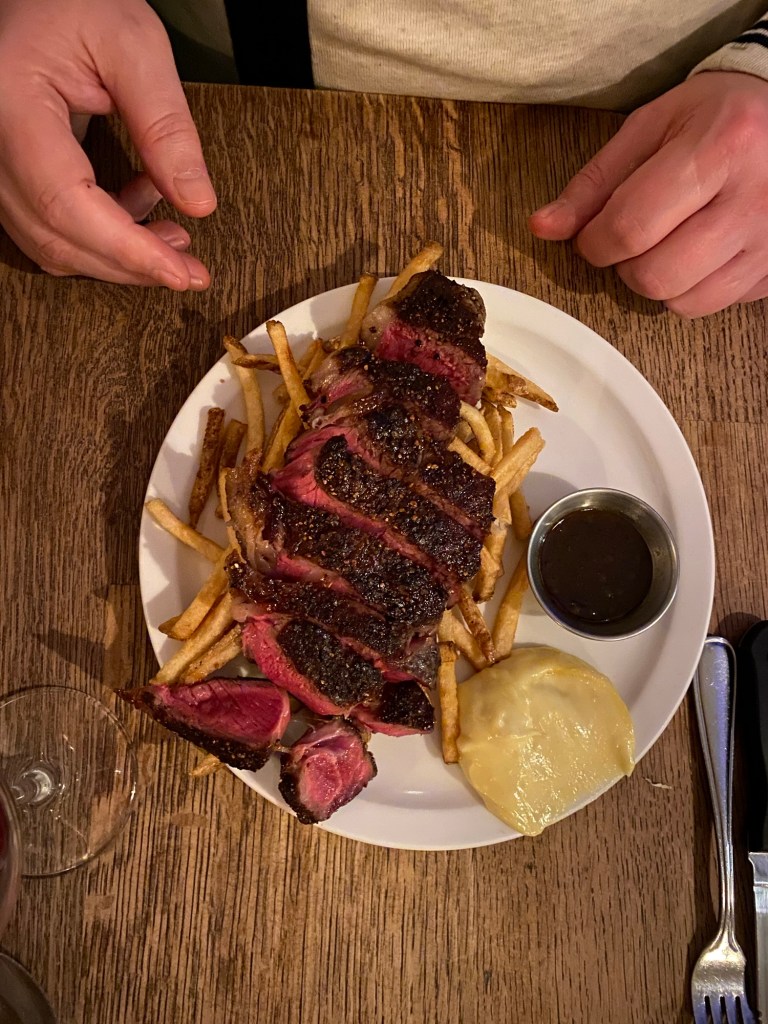
P.S. Here I am enjoying the last steak frites I had at Cote de Boeuf. Pure perfection.

P.S.S. If you want to make your own steak frites at home, here’s a recipe to get you started. If you want a peppercorn sauce to go with it, click here.

Instacart recipes have a secret ingredient: AI. What cooks should know.

One convenient feature of Instacart is a listing of “Related recipes” it will provide you if you are searching for a product or ingredient. For instance, I was searching for “biscuits” and one of the recipes that appeared to me was no-milk biscuits. Hmmmm, that could be good and simple, I thought. Seemed reasonable too. Then I scrolled down the bottom to the recipe and came across the text: this recipe is powered by the magic of AI.

First off, let me say: AI is not magic. Second, this COULD be a good recipe. Or it could be something where AI hallucinated ingredients or quantities. For this recipe, it is somewhat close to this recipe for dairy free biscuits at allRecipes.com, but it is missing some ingredients and the quantities of some of the ingredients are different. I searched other recipes at other sites, and while it is close to them, it seems…lacking…in comparison.

Simply put: you would be better off getting recipes from either reputable cookbooks or websites where recipes are tested and confirmed. It is convenient to use the recipes in places like Instacart, because you can easily add the ingredients of the recipe to your shopping cart, but the results from the recipes generated by AI could leave you very disappointed. Especially when it comes to baking!

P.S. Not to pick just on Instacart: I suspect we are going to see more and more of this type of AI generated advice on websites. Keep an eye out for it.

Restaurants loved and living: Okonomi House

I’ve been going to Okonomi House since the 1980s. And what has changed over the years is…nothing. It was great then and it’s great now. They still serve pretty much the same food now that they served then, with the crown jewel being the okonomi style pancakes like the one below.

They serve other things too, but for me that’s what I go for when I go in. It’s sweet, it’s savory, it’s delicious. Just spread that mayo dollop all over the pancake and dig in!

There have been changes, but they are very minor. Young people seem to run the restaurant now, and they have tweaked the menu and added new things. Gone is the cup of soup that I loved even though it was literally Cup of Soup! In its place is a classier miso soup option. They have a nicer bathroom also: no longer are boxes piled up in it. Otherwise, the place is timeless. I hope it never leaves.

For more on it, BlogTo has a review, here. Read that, then go. I went a few Fridays ago and it was packed at around 7:30 pm. The good news is table turnover is fast (and service is great), so if you can’t get a seat right away, just wait for a few minutes and you’ll be soon eating okonomi in no time. 


What we can learn from snack packs

These snack packs are amazing. Not because of the content, but because of the packaging the content is in. 

The content itself consists of 5 or 6 small crackers and associated morsels of cheese and meat that goes on top of them. If you are a food producer,  you could take slices of meat and cheese that are too irregular for your typical sliced meat/chese packaging, trim them, then put them in these things. Not only have you reduced your waste, but you have created a new product from it that cost the price of an entire package of sliced meat or of sliced cheese. Profit!

Whats sells the product is the package.  The outside emphasizes their convenience: Grab (and) Snack. Who has time to make and eat a sandwich? Not you! Plus if you aren’t going to eat it right away, your sandwich or your own cheese and cracker snack-pack could get soggy. Not these guys: each bit of food is in its own section, so everything stays tastier, longer. Even better, it’s not just ham and cheese and crackers: it’s dry cured genoa salami (exotic), part skim mozzarella cheese (lean), Bear Paws cheddar crackers (tasty). And it’s been inspected by the department of agriculture, no less, so you know it isn’t sketchy.

Let’s not forget the protein. Besides the emphasis of convenience, there is also the highlighting of how much grams of protein in them. 10g of protein is a good amount, and it is something I see online fitness promoting. (“It’s garbage if it has less than 10g of protein!”, some exclaim.)

I suspect these are meant to appeal to young adults who may have grown up and loved Lunchables and other lunch snacks. Hey, this product whispers, you can still have your convenient snacks despite being a big person. You can even have your bear paws crackers for the kid in you, while having dry cured genoa salami like you just picked it off a charcuterie board at a fancy restaurant.

Are these environmentally sound? Are they good value? Heck no. But capitalism is often about taking raw materials — in this case bibs and bobs of meat and cheese — and packaging it into something much more appealing. This product is capitalism at its finest, or worst, depending on your point of view.  


Is there still a glass ceiling for Asian cuisine restarants in North America?

For a time in Toronto there were discussions I was following in various forums about the low cost of food in Asian restaurants. For example, people were asking: Why are Chinese restaurants so cheap in Toronto?  There were various reasons given, from “people don’t value the cuisine” to “it’s a form of fast food” to “racist attitudes and beliefs”. And this wasn’t just Toronto: you could see similar patterns in other major North American cities, from Montreal to New York.

It concerned me that this might be true. I knew Chinese and other Asian cuisine was just as sophisticated and varied as cuisines of Europe, and I felt North America needed more restaurants that reflected that.

Based on the latest list of the top 100 restaurants in New York (produced by Pete Wells of the NY Times), I think we have those restaurants. I went through this review by Eater of the list of the New York Times best restaurants list (2024) and I extracted the following info on Asian cuisine restaurants. Of the top 100 places, I made this short list:

  • Chinese: 5. #15 CheLi, #36 Szechuan Mountain House, #59 Great NY Noodletown, #68 Chonging Lao Zao, #84 Hakka Cuisine
  • Japanese: 4. #9 Yoshino, #22 Kono, #32 Shion 69 Leonard, #45 Raku
  • Indian: 4. #7 Semma, #54 Dhamaka, #80 Temple Canteen, #95 Hyderabadi Zaiqa
  • Korean: 7. #4 Atomix, #16 Jeju Noodle Bar, #30 Atoboy, #40 Okdongsik, #52 Yoon Haeundae Galbi, #77 Oiji Mi, #91 Mapo Korean BBQ
  • Vietnamese: 1. #20 Mam
  • Thai: 1. #29 Zaab Zaab

(The number after the cuisine is the number of restaurants (e.g. 7 places serve Korean cuisine). The ones in bold-italic are in the $$$$ price range, bold is the $$$ price range, and italic is $$.)

It’s not just one or two places, like Yoshino or Atoboy: there are numerous high end restaurants in NYC serving Asian cuisine from all parts of the continent.  There are everyday places like Temple Canteen and Great NY Noodletown, too, and I am positive there are tons of places serving great Asian food that is not listed in the top 100 that are still great. But Asian cuisine is no longer limited to restaurants in the $ to $$ range.

That is not just New York. In Toronto we have high quality and higher end Asian places like Sushi Masaki Saito, Aburi Hana, Kaiseki Yu-zen Hashimoto, Shoushin, 156 Cumberland, Indian Street Food Company, Sunnys Chinese, PAI, and more, according to experts like Michelin. I suspect it is the same in other North American cities too. It’s good to see and a good sign.

Here’s to more people gaining a greater appreciation for cuisines of all kinds, and here’s to more opportunities to experience that, be it in a small place in a food court or a grand establishment in a beautiful building. Cheers!

P.S. To see the entire New York Times list, go here.


Restaurants loved and living: Le Paradis

Starting during the pandemic, I wrote a series of posts on restaurants loved and lost, inspired by a piece in the New York Times on places that vanished due to the pandemic.

I’d like to go in a different direction and talk about restaurants loved and living. These are places I’ve loved long before the pandemic that are still going strong. First up is Le Paradis.

I’ve been going to Le Paradis since the 1980s. Back then it was known for reliable French bistro style food and great prices. Jump forward 40 years and…it’s still the same.  If anything, I’d say the cooking in the last year has improved greatly. Before you could excuse the so-so cooking because it was so inexpensive. Now you don’t need an excuse, because the cooking is really good. And still inexpensive.

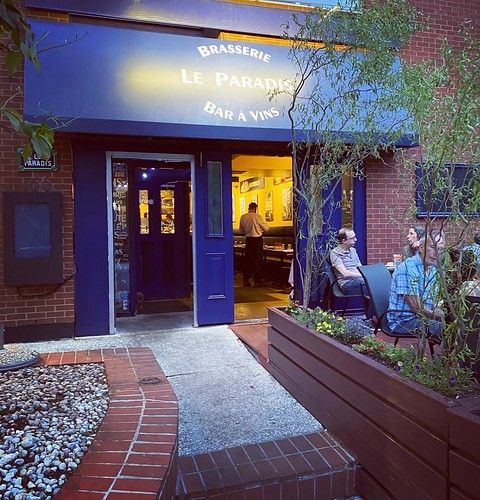
I was worried about it during the pandemic, and even went and dined in the alley near the restaurant just to give them a chance to stay in business. Lucky for me they made it. Lucky for you, too.

So ignore reviews like this and go and have a $12 cocktail, a $45 bottle of wine, and a steak frites dinner almost half as expensive as other places in the city.  If you’re by yourself, take advantage of the zinc bar up front. Or sit at the banquettes near the kitchen (my favourite spot).  There’s plenty of places to sit — it’s a fairly big place — though a reservation is still a good idea. Especially if you want to sit outside when the weather is warm.

Did I forget to mention that the service is great? Well, it is. So tip well. You’ll have no excuse after all the money you save.


The City Harvest lunch at Le Bernardin is still a good deal


One of the best meals I’ve had around 7 years ago this month was also one of the greatest value meals I’ve ever had. It was the lunch in the lounge at Le Bernardin and back then it was $55, with $5 of that going to the charity City Harvest. Even four years later, Eater NY said it was only $60. Still a steal.

So I was somewhat shocked when I heard it was now $127! That’s quite a jump from $55. Alas, I got that wrong. $127 is for the lunch. The City Harvest lunch in the lounge is $94, of which $5 still goes to the charity.

I still think it is worthwhile at that price. I know between 2019 and now the restaurant was dealing with the pandemic like everyone else and spent a lot on upgrades to keep the place going. And going it still is. You should go, too.

For more information to help you to decide, here’s the Lounge Menu (and more). The wines by the glass are also good value. To get a lunch at one of the best restaurants in New York with 3 Michelin stars for under $100 is still worth stopping for, I believe.

The rise and fall of Beaujolais Nouveau Day in Canada

For many Novembers the LCBO and other alcohol distributors in Canada made a big deal of Beaujolais Nouveau Day. In Ontario it started with a few French winemakers and expanded to winemakers in Italy and other countries releasing similar styled wines on that date. I personally thought it was fun and a bit over the top and expected it to grow and get bigger in the future.

That’s why I was surprised to see at the beginning of November that the NSLC in Nova Scotia was dropping the whole thing. No doubt plunging sales had something to do with. Then the LCBO in Ontario dropped it as well. The bubble had burst.

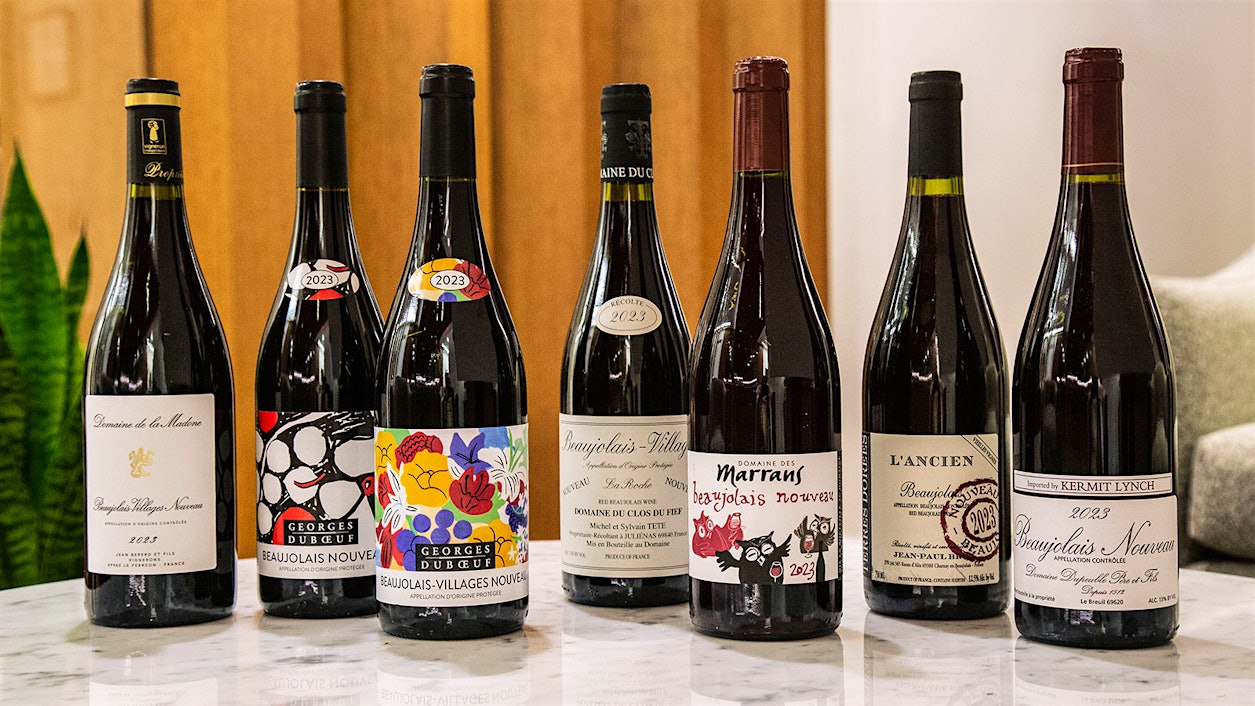
Well. the bubble has burst in Canada, anyway. As far as Wine Spectator is concerned, 2023 is a solid year for fun Beaujolais Nouveau. And winemaker Georges Duboeuf put out a press release to exclaim:

Beaujolais Nouveau Day is not just about uncorking a bottle, it’s about a shared experience—a time when wine lovers around the world unite to raise a glass and celebrate.

So now doubt they are still into it.

If you are in France or elsewhere, grab a bottle and have a fun time. In Canada, you’ll just have to drink the older style of beajolais wine. And there’s nothing wrong with that.

P.S. If you are curious, here’s a piece on  the story behind Beaujolais Nouveau Day.

Cook Out is coming. Get ready!

If you have not heard of Cook Out, you a) likely have not been to the U.S. South b) have been missing out! Whenever I can get down there I try to make one visit for a burger and chili fries. It’s fantastic. I would eat there all the time if I could.

Well good news: I might be able to. According to Slate, the Cook Out fast-food chain is expanding! Hey if Chick-fil-A can get to Toronto, maybe Cook Out can too. The thought of it is thrilling!

If you do get a chance to go to a Cook Out, I highly recommend it. Until then, read the Slate piece to find out more about this fine fast food place.

P.S. No, the burgers do not come with googly eyes. Slate did that. 🙂

Let’s get sauced! (Friday food links for food lovers, November 2023)

Sauces are the way to take a simple and maybe even boring dish and transform it into a great one. If you agree, here’s dozens of sauce recipes I’ve been collecting that can help with that. Grab a pan and let’s start in.

Pan sauces are a great way to sauce up your dish. Here’s something on the perfect pan sauce. If you want to make restaurant quality pan sauce, read this. Maybe you want to know how to make an easy pan sauce in minutes? That can help.

Do you eat a lot of chicken? Here’s 3 variations on pan sauce for weeknight chicken. Want something lighter? Here’s 3 Great (and Easy) Pan Sauces for Chicken from Cooking Light. Finally here’s one more pan sauce recipe for chicken to add to your repertoire.

if you’re cooking beef or pork, here’s how to make a basic red wine reduction sauce to go with it. Or make one of my favorite sauces: Supreme. I am a fan of veloute, too.

Bechamel is a useful sauce. Here’s how to make a perfect bechamel according to the chefs of Food & Wine. More on that. sauce here and  here and  here.

Here’s how to make a roux and use it right. Relatedly: this is a basic white sauce recipe.

More on the French mother sauces here and here: month and daughter sauces. Speaking of that, here’s how to make mayonnaise. Last, this is supposedly essential sauces for the home cook.

Not even meal needs a sauce from France. For instance, here’s some great sauce recipes for guacamole,  sofrito, aioli, pine nut free pesto, Peruvian-Style Green Sauce, more peruvian style green sauce, homemade ketchup, and fresh chili harissa.

I would be remiss if I didn’t include some tomato sauces. Here’s a good marinara sauce recipe. Though this one from the New York Times is my all time favorite.

This piece argues this heidi swanson 5 minute tomato sauce is genius. Who am I to argue?

Speaking of genius, check out this piece: Adding Oyster Sauce to My Spaghetti Was Probably the Best Thing I’ve Ever Done. The folks at Bon Appetit like to be dramatic. Speaking of dramatic, the Guardian argues that this sauce will change your life.

Let’s dial it back and take a look at these marinades from Food and Wine. Not sauces, but related.

Happy Cooking!


Starck + Perrier: two good things that go together well

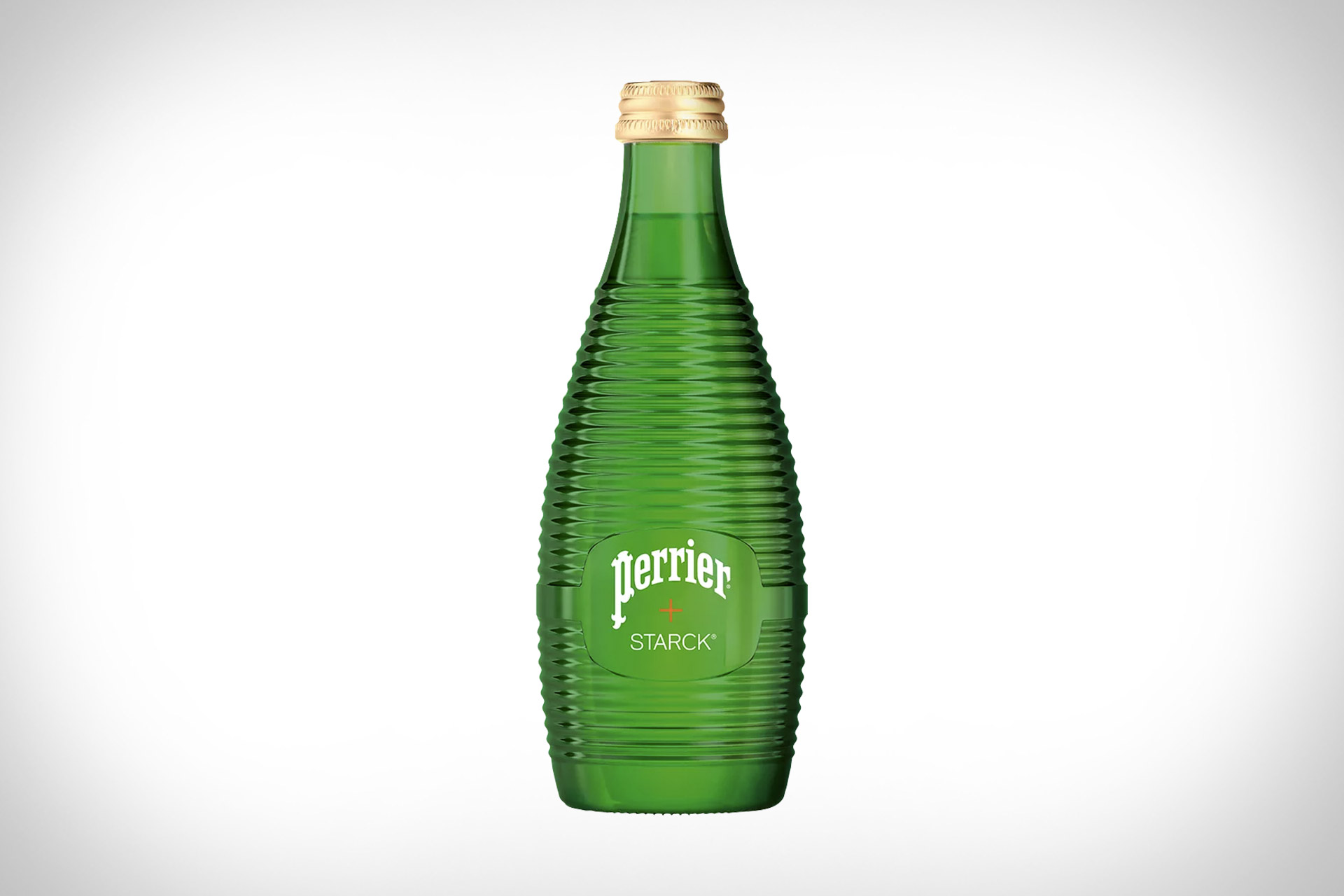
Glad to see that Perrier has come out with a new and cool bottle done by my favorite designer, Philippe Starck. Vive la France!

Sadly this will not be in Canada. I need to find a way to get a bottle. Perrier, if you are listening… (Just kidding, this is 2023. Now if it was 2009…. :))

You can read more about it here at UnCrate and the Perrier site.


Family meals are a good thing, but they are not the only good thing

From time to time articles will appear promoting the importance of families eating together. If you search on “how important is the family dinner table”, the first piece that you might see is an article from Stanford Medicine on Why the Family Meal Is Important.

I don’t deny that there is value in good family meals. But I was also heartend by this article, Bad Cook, Great Mom from Cup of Jo, where she writes:

 Before having kids, I envisioned sitting down for dinner, Norman Rockwell style, and sharing our hopes and dreams while breaking bread. But honestly? We didn’t have regular sit-down family dinners until Toby was around 10, and we still eat at the table together only a few times a week. And yet. I’m a terrible cook, but I crush it at being a mom.

When I think about my children leaving the nest and looking back on their childhoods, I know they won’t picture epic homemade meals because I did not serve many. We eat simply, and pizza is regularly ordered. But there are SO MANY BEAUTIFUL THINGS they will remember….

I think this is right. I also think this comment someone posted in response is also right (I added the bold):

Well I will say this: I am a good cook. I’m French and my English husband delights in my cooking. But last year, our 6yo French-British daughter gave me her Mother’s Day card, on which she had written “I love my mummy because… she’s a great soup maker”
To this day I am still laughing every time I see the card. Soup is what I make with all the tired veg from the bottom of the fridge when I am totally uninspired. And yet, I got the highest praise for it.
You never know what your children will remember fondly, really…

You never can know what your kids will remember fondly. The things important to you may not be important to them. And the things that other people think are important in their family (family meals) may be less so in your family. All you can do is try your best with the skills you have. There are many ways to be a good parent. Never forget that.

P.S. I’ve recently started having Sunday suppers with my adult kids and I really enjoy it. But I also have more time these days to do that. When they were smaller they weren’t into eating at the table and I was just happy when they were eating good food, regardless of where they ate it.

Let’s have some fish! And fun! And French! (Friday food links for food lovers, September 2023)

Here’s a collection of food links centered on fish, French (food) and fun. I have either made or eaten many of the dishes associated with these recipe links. All are highly recommended.

Cooked Fish: let’s start off with a fan favorite of many, salmon. To get started, we have recipes for salmon rillette and Ina’s salmon tartare. Love both of those. For those who love their spices, consider firecracker salmon, cajun salmon burgers or roasted salmon with zaatar. If you want something fancier, Saveur’s easy sheet pan salmon with dilly roasted potatoes could be what you want, or this sauted salmon in a beurre rouge sauce, perhaps. If you have to cook for a salmon hater, then read how to cook salmon for haters.

As for other seafood, one of my favorite is shrimp and one of my go to recipes is shrimp in a tomato sauce with feta and orzo. Here are four different versions of it — one, two, three and four — and they are all good.

Putting aside the feta for a sec, I love a causal bowl of peel and eat shrimp . But I’ve made this fancier Venetian shrimp with polenta and it’s fantastic (see photo above). I haven’t made this, Louisiana BBQ shrimp dish, but I want to. You fans of stir fries, try this stir fried shrimp and asparagus. And you can’t go wrong when you have shrimp with cocktail sauce.

Raw fish: I mentioned salmon tartare above. Tuna Tartare is also great. For crudo fans, I recommend this sea bass crudo recipe. This is flavorful: fish escovitch salsa. As is this poke sashimi ceviche raw fish. And you can always just get oysters…you don’t even need to shuck them: How to Open Oysters without Shucking.

Favorite fish: Besides the shrimp and feta above, two of my favorites fish recipes are Nigella’s Linguine With Mussels and Smitten Kitchen’s Manhattan style clams with fregola. Just the best.

More fish! If squid is in your sights, make Pan fried Calamari or Extra-Crunchy Calamari. If scallops are more your thing, try seared scallops with jammy cherry tomatoes.

Sole is simple and delicious, and so is this version: sole piccata. If your preference is for seafood that way, consider these Easy Sauces for Fish or these 10 quick sauces fish. Maybe read this Newfoundland Labrador cod memoir while you do.

French: let’s start off with a Southern French squid salad recipe from Saveur. If you crave something Fast and French, these fast French dishes might fill your table. Also fast are these French bistro recipes of which a croque monsieur is one of my favorites. Speaking of favorites, here are Food & Wine’s Favorite Recipes for Classic French Food. Read this with your steak frites or onion soup: How I rediscovered the joys of French cuisine.

Fun: Finally, here are some fun links on food….


Two fun food posts that might surprise you

Here are two food posts that might surprise you as much as they surprised me. They were also fun to read.

First up is a piece where the writer confesses that everything he thought he knew about Italian food was wrong. Not just a few things about Italian food, either, but plenty of things. Second is a piece on how all those secret family recipes passed down across generations are often just copied from common places like the back of food packaging and other common places!

I liked the Italian piece because it conformed to my belief that food culture is much more fluid and vaguely defined than some like to state. And that doesn’t just go for Italian food.

As for handed down recipes, ask yourself: how unique can that cake recipe or that cookie recipe be? Sure there are some rare ones, and maybe your gramma’s famous dessert is one of those. Or maybe you just have a sentimental attachment to something she copied from the back of a box. And that’s ok. 😊

Whatever happened to Marechal Foch wines in Ontario?

I often wondered whatever happened to wines based on the Marechal Foch varietal in Ontario. In the 1980s it was quite common to find winemakers selling it.  As wikipedia describes it:

Marechal Foch can withstand freezing temperatures, below 32° F (0° C), for extended periods of time. Several amateur growers told me that they thought Marechal Foch could grow in Alaska, which might be an exaggeration, but the point was made. The variety was planted extensively in France during the latter part of the 1800s right through the latter part of the twentieth century, until the French government mandated that hybrid, non-noble varieties be removed.

Yep, it was a pretty hardy grape capable of growing in a lot of different places, and if you were taking a chance with a vineyard in a cold place like Canada, going with that made sense. But then something changed. Here’s Tony Aspler: The Wine Guy with some history:

For all its success with Maréchal Foch, Inniskillin has none planted in its own vineyards. When Ziraldo, a nurseryman turned winery owner, first planted the 30 acres of what is now the Seeger Vineyard, he put in Riesling, Gamay and Chardonnay, defying the accepted wisdom that vinifera could not survive Niagara’s climate. Advice from a vineyardist who had recently returned from Russia (and how they) kept the plants alive: bury them for the winter…. According to Dave Gamble, who publishes BC Wine Trails, a magazine devoted to the wines of the region, “In the Okanagan there is no longer any real need for either variety with the milder climate regimen of the past ten years. Those who make it do so because there is a specific customer demand for it… In all cases Foch has been treated like a vinifera, especially in the vineyard. They are a pain to grow because of their vigour and erratic shoot growth and it takes some effort to maintain a proper open canopy during the growing season.” ….At Henry of Pelham in the Niagara Peninsula, winemaker Ron Giesbrecht has established a cult following for his Baco Noir. He likes working with it because it “makes a consistent and reliable red of good weight and concentration.” Giesbrecht harvests his Baco a week later than the industry norm, but even so it comes into the presses well before Pinot Noir and Cabernet Sauvignon.

in that quote are three things that led to the decline of Marechal Foch in my opinion: 1) winemakers learned to successfully grow more popular varietals like Riesling, Gamay and Chardonnay 2) Marechal Foch is a pain to grow 3) Baco Noir has won over wineries and is the preferred varietal to Marechal Foch.

There’s a fourth thing too, as My Wine Canada explains:

Typically, it produces a deep, dark, robust purple-coloured red wine that has strong acidity and mild tannins.

While I am sure some customers appreciate that acidity and even mild tannins, it’s not for everyone.

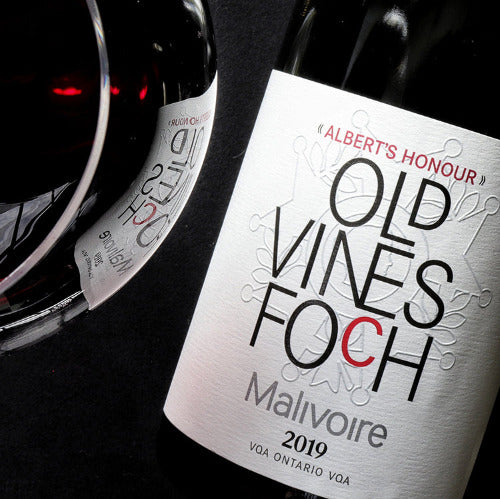
That doesn’t mean it’s bad by any means. Indeed, I’ve had some of the 2020 Old Vines Foch by Malivoire Wine Company and it was superb. But I get now why winemakers in Ontario have all but replaced it with other varietals. Nowadays you can easily find Ontario Cabernet Sauvignon and Pinot Noir  and Baco Noir and some really good Gamay: Marechal Foch…not so much.

If you want to taste what it’s all about, I recommend that wine from a Malivoire. It’s like drinking history. Delicious history.


Restaurants loved and lost: Country Style


Sadly, the last of the great Hungarian restaurants in the Annex closed at the end of July. Unlike so many restaurants that have closed recently, this wasn’t due to the pandemic. The owners had been running it for many many years and decided it was time to retire. Sad for us, but good for them.

I’ve written about Country Style and the other schitnzel slinging places that occupied Bloor West between Brunswick and Bathurst. You can see that here: Chicken Schnitzel and other great Hungarian food at Country Style Hungarian Restaurant in Toronto’s Annex and here: Memory, space and time and the redrawing of a line. Lots of good memories from eating in those places, for sure.

Speaking of memories, this review from the blog jamiebradburnwriting.wordpress.com really brings back many of them:

Image above from blogto. You can read their review and get a better sense for the place, here.


It’s summer! Time to eat your veggies! (or, food links for food lovers, July 2023)

It’s summer! And summer is the time you want to take all the great produce available from the markets and turn it into something. Let me help you with some great recipes.

Tians: One way to use fresh veg is to lean into tian recipes. For example this one, provencal vegetable tian (shown above), or this one, which I made recently, summer vegetable tian. A tian is not all that different than ratatouille, but as Martha show in this piece, what is a tian, you can make one out of so many different vegetables. Need still more tians? Food and Wine has you covered with this Root Vegetable Tian.

Fresh veg: I love corn and broccoli, so I like this recipe for sauteed broccoli and corn salad. Corn salads look as great as they taste. Got green beans? Make Alison Roman’s blanched green beans with scallion and soy. Got some fresh kale or chard? Then make her lemony white beans with anchovy and parmesan. Packs a punch.

Do you have a bunch of asparagus? Sure you can steam it. But you can also bake it. Or to get a bit fancier, you can make this creamy Asparagus & Leek Crespelle (i.e. Italian crepe) (See below)

(If you lack leeks, this can help: leek substitutes.)

Crepes sound good, but so do galettes. If you agree, try this: This Cheesy Tomato Galette Needs Only 3 Ingredients. Use up those fresh tomatoes! If you need to use up some zucchini, try making this:  Crispy Baked Zucchini Fries.

Root veg: while all this fresh vegetable on hand is irresistable, I would be remiss if I did not include some root veggie recipes, since I love a good carrot or potato dish.

These Garlic and Herb Mashed Potatoes are a perfect side dish, as are these Basic Roasted Carrots from Hugh Acheson, whose recipes I always recommend. Parsnips are another great root veg, and I support this: In Praise of Parsnips, the Humble Heroes of the Vegetable Drawer.

Speaking of great sides, here’s Nigella’s salt and vinegar potatoes that make me think of Britain. (Here’s another version from the New York Times: salt and vinegar roasted potatoes. Relatedly, salt and vinegar spanish tortilla recipe from Serious Eats.) For a Greek side, these greek lemon potatoes go great with anything but especially lamb and chicken or really anything Mediterranean. (Again, here’s the New York Times and their version of greek lemon potatoes).

I love a good potato gratin, which is why I am giving you four versions of that dish: here, here, here, and  here.

To close out this section, consider making potato and cheese tacos. Or any of these beet recipes or cabbage recipes.

Misc.: none of these fit into a category other than delicious veggie recipes. Here’s 1 from Saveur: Asian Greens with Garlic Sauce (Choy Sum) and here’s 40 Ways You’ll Love Using Bitter Greens, also from Saveur.

This sounds great:  Tabbouleh with Marinated Artichokes and Baby Spinach. Do you have lots of peppers? Make peperonata.

You want this: a good guide on how to roast any veg. Here’s a fine way to use up your herbs: green goddess dip.  This is a good weeknight meal: one pot veggie rice bowl. Finally these are good for anyone on a budget: the BBC’s budget vegetarian family meal plan for four.

On restaurants in 2023, post-pandemic and in general

For much of this decade restaurants have suffered for many reasons, the pandemic being the main one. I am actually surprised how many made it through those years of illness and closures. But make it through they did, mostly.

Mostly, but not all. Some big name places like Noma closed, but that was for several reasons. Some tried something radical, only for it to come out all wrong. See: What Went Wrong With Eleven Madison Park’s Vegan Menu (still got 3 Stars!). Others stuck to what was tried and true and came out the other side intact (albeit with higher prices): Le Bernardin Holds On to Its Four Stars.

Speaking of higher prices, read:  Why *are* Restaurants Are Charging $12 for Fancy Butter, and find out. Don’t fret, however, for not everyone is changing more. Some have a problem with that: Tacos Should Cost More Here’s Why.

Here’s some other reads regarding restaurants post-pandemic that I thought were worthwhile:

The 100 best restaurants in NYC in 2023 (plus the best places to eat and drink outside)


Yesterday I wrote about restaurants in Paris, today I want to point out the list of the 100 Best Restaurants in NYC, according to The New York Times food critic, Pete Wells

It’s a great list. There are restaurants for all the different boroughs and at all different price points. There are fancy French restaurants and there are casual night markets and more. You can find old school places like Barney Greengrass and Le Bernardin. You can find hot new places like Atomix and King. Whatever you need, the list can help you with.

If you live in NYC or plan to visit, you owe it to yourself to check out the list and start making reservations. Or just drop by.

P.S. If you are going to be in New York in the warmer parts of the year, you also owe it to yourself to check out the Vogue editors guide to outdoor dining in NYC. Some days you just want to get a cocktail and sit outside and enjoy all the city has to offer. The folks from Vogue can help.

(Photo is from the website for King.)