It’s Thursday: let’s go rucking. (Here’s some fitness links on exercise, dieting, gear and more for ya)

Exercise: You don’t have to use heavy weights to get stronger. The Washington Post explains. Speaking of weights, you can get a full body workout by filling a backpack full of weights. And the weight could be something as simple as groceries or even books. Get on the rucking bandwagon. Meanwhile, if blood pressure is your worry, skip the weights and consider doing wall squat workouts.

Dieting: Matt Yglesias recently lost 70 pounds with a combination of surgery and dietary restrictions. Here’s what he learned. Relatedly, here’s how former NFL Player Russell Okung lost over 100 pounds on a 40-day water-only fast. I can say I don’t recommend either of those things. Now maybe ozempic is what you are thinking about. Well so are major retailers, and they are worried about it. So much so that Walmart is monitoring the relationship between ozempic use and reduced shopping. I think a lawsuit is going to be coming there.

Gear: If you are using an Apple Watch to improve your fitness, you might find this piece on how to set apple watch move goal useful. I did. Also useful: some tips on what the value should be. If badges motivate you, here’s how to get all of the Apple watch activity challenge badges. You can use your watch for other health benefits, such as monitoring your sleep. Here’s a good article on why you want to get the benefits of rem sleep. Let your watch help you with that.

As for other gear, if you plan to workout this winter in the great outdoors, consider getting a pair of  new balance fresh foam x permafrost running shoes. I am sure they are great. For more advice on working out in bad weather, check out this. It has gear recommendations and more.

Finally, the Guardian has a piece on the new Taschen book focused on Arnold Schwarzenegger. Fascinating. And yeah, Arnold had a head start on most people in the bodybuilding game.

(Link to photo by Ariana Drehsler for The New York Times)

Can you run in summer? And other fitness advice you can use


Can you run in the summer? Of course. You just have to be smart about it. If you are interested and need advice, the New York Times has a whole section on summer running. Check it out.

Not that you have to run. Walking/running or simply walking is a perfectly fine way to get in some exercise on hot days. The Times also has a walking workout that may be just the thing you need to stay fit safely.

Back to running. Sometimes all you need to help with running is some better gear. Here’s six very different runners on what they consider their  essential running gear (not all of it is something you wear).

One of the runners featured there is Martinus Evans. He talks about his slow af run club here. I greatly admire him. He has a new book out: if you need inspiration, check it out. (Image above is of the book.) Running slowly in summer is especially a good idea.

Not all runners are inspirational. Here’s a story of  how embattled Arizona Senator Kyrsten Sinema uses campaign cash for her marathon habit. She’s a good runner, as this shows, but that is not something I would not want my representative to be doing.

Whatever her motivation is, if you need motivation, maybe running bingo can help you. Or this story on ultramarathon running from dawn dusk  over 24 hours.

It’s not all running here. This is a good piece on self described “swole woman” Casey Johnston who is an inspiration to anyone looking to get fitter using weights. Any type of weight. She publishes an e-book that looks good for beginners especially called Liftoff: couch to barbell. Check out her shop, here for more good things.

This isn’t hers, but this full body workout you can do in 20 minutes might be the thing you need to get in shape or stay fit.

I thought that this was interesting:  how to get the most out of apple watch heart rate zones. Related, here’s how analyse your health with python and apple health

Here’s something on nutrition myths. Here’s a piece in the Atlantic on ozembic.

This is how to tell the difference between being  sleepy and being fatigued differences. Maybe you need a nap: maybe you need a break.

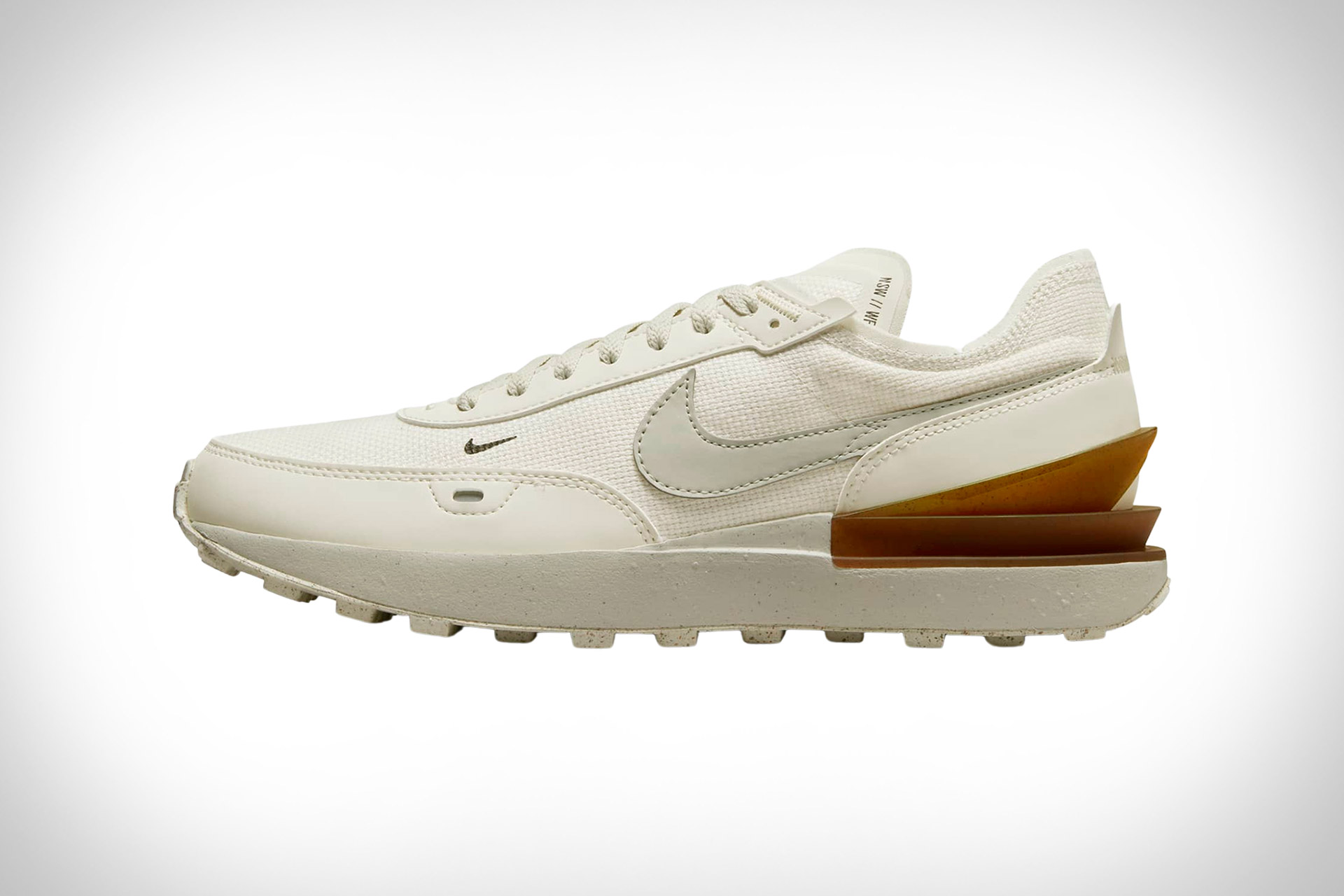
Finally, here’s a cool shoe:  nike waffle one se (shown below). Take a walk AND be stylish doing so.


i

How to get better sleep using your Apple Watch and the Health app

I wear my Apple Watch every night while I sleep, and I have found it’s been helping me sleep better.

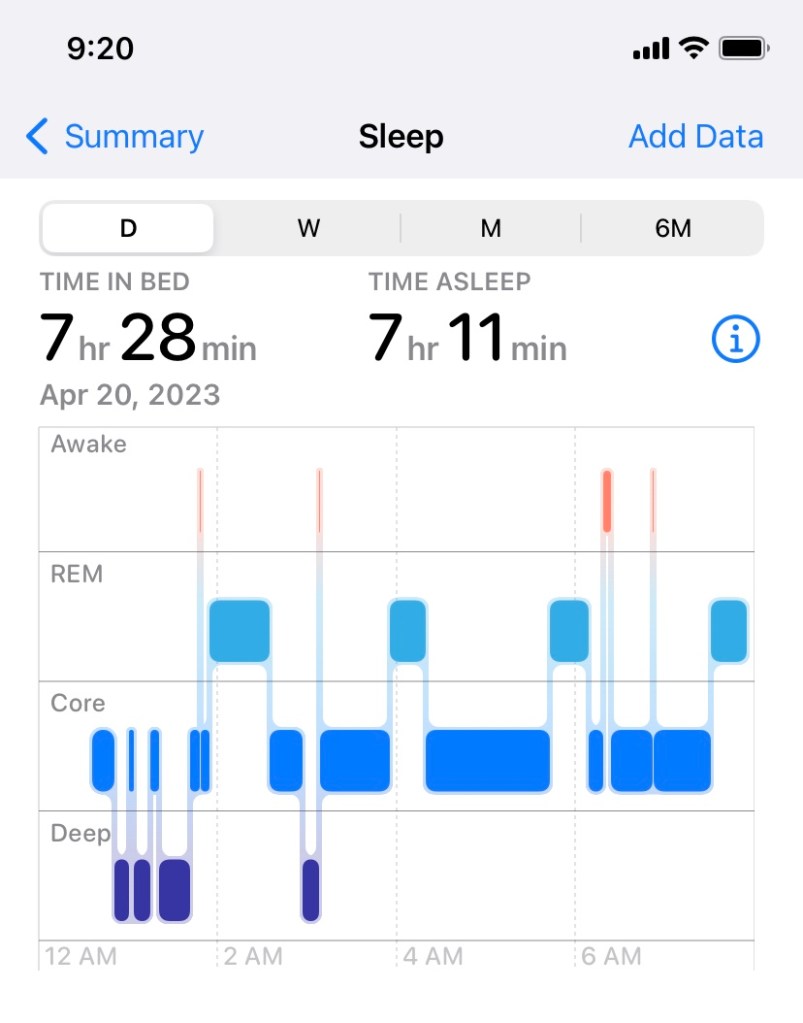
My watch sends a ton of information to my phone during the day, including information about how I am sleeping. When I wake in the morning, I head over to the Sleep summary in the Health app on my iPhone and check how I did that night. Here’s an example:

You can see this was a pretty good night for me. I slept for 7 hours, and I managed to get in a fairly decent amount (for me) of deep sleep. I don’t know if this is typical for most people, but it is for me. I have a number of deep sleep periods, about 4 periods of REM sleep, and the rest is core sleep. You can see I woke up twice, but barely for any time at all. I also found I was refreshed and alert the next morning. 

That wasn’t typical though. If you look below, you see my sleep for the week:

There’s quite a number of days where I was awake for large periods of time. Every day I would wake up and see that and think: what can I do to fix that? Some days it would be something simple, like the room was too warm. Or I ate too late. Other days it is due to more difficult things like too much stress. (Stressful days tend to cause other issues, like eating badly, which compounds the problem.) 

Before I had this data, I would let myself sleep badly for a long stretch of time. Now when I start seeing I am not getting enough sleep, I work hard to get the right conditions to get a better sleep the next night.

There are plenty of things you can do to maintain good health: eat well, exercise, and sleep well. The Apple Watch can help with all of those things. If you can get one with these features, I highly recommend it.

P.S. Why is deep sleep important? It could be the time your brain gets cleaned. To see what I mean, go here.

Friday fitness links (April 2023 edition)

Here’s some more useful links on staying fit, physically and mentally. Plus some things on sleep, because sleep is an important part of fitness. And more!

Fitness:

Diet:

Mental fitness:

Sleep:

Misc:

How to deal with recurring nightmares (plus four other good pieces on better sleeping)

Do you suffer from recurring nightmares? If you do, I highly recommend you read this. It has worked for me and it may work for you too. Sleep can be hard enough to get: being fearful of repeating a nightmare makes it harder.

Here are some other sleep tips from the New York Times  that I thought were useful.

The Times also has advice on how to deal with waking up in the middle of the night and being unable to get back to sleep, here.

Do you exercise hard? If so, listen to  Atlantic CEO Nicholas Thompson who argues that among the things you need to be successful athlete is good sleep.

Sleepwell is an initiative to help people sleep better without medication. You can check it out,  here.


Forget resolutions and get healthier any time (My fitness and health links for March, 2021)

Forget resolutions: you can get healthier and fitter anytime. Heck, stop reading this and go touch your toes or head out for a walk. When you finish that you can check out these 20 links to help you with exercising more, weighing less, drinking less, sleeping better or anything else related to fitness and health:

Exercise

  1. This is me:  When the Last Thing You Want to Do Is Exercise.
  2. Not all cardio has to kill you:  Low-Intensity Cardio Training: What Is It & How Does It Work?
  3. These are an old collection of links I’ve gathered that are good:  Are you in terrible shape? Not so terrible but bad enough shape? Do you need help? Here you go
  4. This Simple Piece of Equipment Could Elevate Your Workout. Can you guess?
  5. Especially good for people who can only workout at home:  How to get motivated to start exercising at home.
  6. One home form of exercise you can do:  Embrace winter with this 5-minute outdoor yoga practice to connect with the earth and stand tall.
  7. You will have to go outside for this, though:  Sprints.

Weight Loss:

  1. Very helpful if you feel stuck:  How shifting your expectations about food can help you lose weight.
  2. 15 Impressive Fitness Goals to Strive for That Aren’t Weight Loss. This is great. For example, stretching and being more flexible.
  3. I felt this was bogus, and so did many who read it:  Mike Pompeo tells The Post how he lost 90 pounds in six months. Glad he got fit, but I think he did that for reasons other than good health, and he lied how he did it.
  4. If you need a challenge:  The 30-Day Well Challenge 

Sobriety:

  1. If you are considering your drinking, think of how it affects others:  My sobriety is not just mine.
  2. This is good:  Reframe: Drink Less & Thrive 17+
  3. As is this:  Should You Try ‘Mindful Drinking’?

Sleep:

  1. A good intro to melatonin. It has not worked well for me, but it might for you:  Melatonin Isn’t a Sleeping Pill. Here’s How to Use It.
  2. My Before-Sleep Ritual Is to Treat Myself Like a Baby. I liked that.

Finally:

  1. Hey, this is good to know:  The Secret to Making Colonoscopy Prep Less awful
  2. I like the qualifiers here:  How to (Try to) Quit (Almost) Anything
  3. Interesting:  Retiring the Cinderella view of the spinal cord as an intrabodily cognitive extension
  4. Also good:  Health Insider – Workout & Nutrition Blog

Some consolation for “bad” sleepers

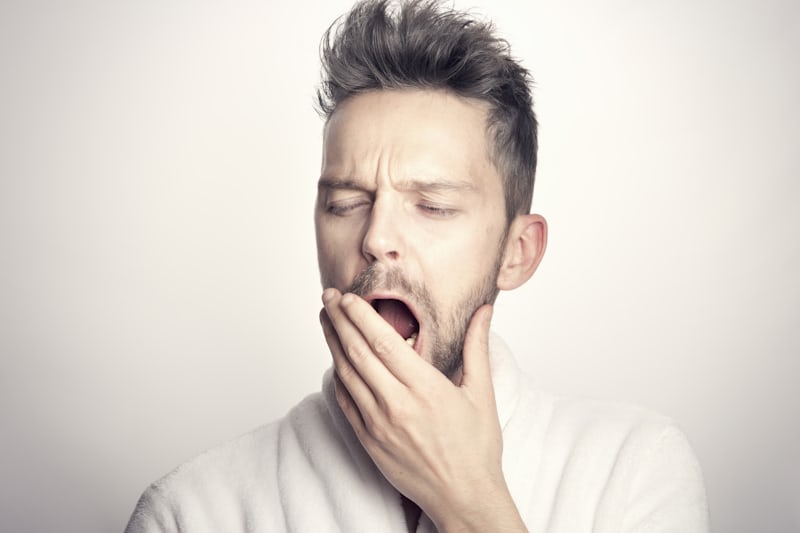
man yawning

Are you worried you are a bad sleeper? Do you wake up in the middle of the night often and think: OMG I will never get back to sleep?? Do you fret daily about what can be done about your sleeping?

If those things apply to you, first of all, read this: Shuteye and Sleep Hygiene: The Truth About Why You Keep Waking up at 3 a.m.

The key take away I took from it is this:

A mindset change may be what’s needed. “People might have this belief that they are a ‘bad sleeper’ and there is nothing that they can do about it. Sometimes it’s about changing people’s perceptions of what good sleep looks like.” Taylor says she “really cannot bear” fitness trackers, which monitor sleep, for focusing people’s minds on often inaccurate data. It is wrong to assume that you must sleep through the night, every night, she says. “We all have blips in our sleep – it’s never going to be that you sleep brilliantly all the time.”

Maybe I am not the good sleeper I wish I was. But maybe it is not as bad as I feared. That might apply to you too.

(Photo by Sammy Williams on Unsplash )

One article to improve your sleep, dozens of books to improve your life

If you feel the pandemic has messed up your sleep, you are not alone. Read this and with any luck you might find you can improve your sleep: How To Get a Better Night’s Sleep – The New York Times

The website FiveBooks.com will pick a topic and highlight five really good books on it. They have done it again with self help books. However, they seem to have decided that there are many types of self help books, so this piece has dozens of the best Self Help Books by various experts. You will no doubt find something there to help.

Get some sleep. Read some books. Make a good life better.

Sleep. Not just a brain thing


This is a fascinating article that illustrates that sleeping is a more complex activity than we know: Sleep Evolved Before Brains. Hydras Are Living Proof. | Quanta Magazine

I’ve always associated sleep with something our brains need to have in order to survive. (Sleep deprivation is one proof of that.) But I have been won over to the idea that sleep is a more fundamental property of living things, brain or no brain.

Read the article: I think you’ll find it fascinating too.

(Photo by Florian Olivo on Unsplash )

On the benefits of insomnia

Person with insomnia

For anyone suffering from persistent insomnia, the idea that the condition has benefits is an absurd one. However, if you have occasional bouts of sleeplessness, you can reap some rewards. As this piece argues

Being unable to sleep night after night, for weeks on end, is – of course – hell. But in smaller doses, insomnia does not need a cure. Occasional sleeplessness is an asset, a help with some key troubles of the soul. Crucial things we need may only get a chance to happen during a few active hours in the middle of the night. We should revise our assessment of sleeplessness.

I agree with this. I have had a few rounds of insomnia lately brought on from work stress and I found that I was able to work out some problems during this time. I was fortunate: I took a break midday when I was tired and had a brief nap and I was fine. I realize that not everyone can recover so easily.

To read the entire piece, go here: Perspectives on Insomnia -The School of Life Articles | Formally The Book of Life. Photo by Megan te Boekhorst on Unsplash.

Two good articles on sleep

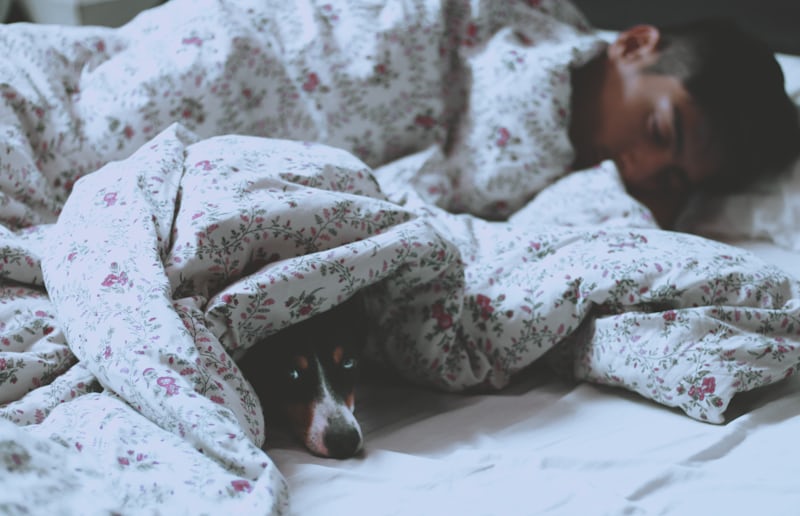
Man and dog sleeping

If you are having sleep problems, read #1. If you need to understand why you need to sleep more, read #2.

  1. Shuteye and Sleep Hygiene: The Truth About Why You Keep Waking up at 3 a.m.
  2. Scientists Now Know How Sleep Cleans Toxins From the Brain | WIRED

I especially liked #2. I had a long held belief that is why we sleep. It’s satisfying to see it established by science.

We all need clean and shiny brains. To do that, get some sleep.

Your brain is dirty. There’s only one way to clean it

Sleep. At least according to this:  ‘Waves’ of fluid clear the brain of toxins during sleep, say researchers – Big Think.

When you sleep, your brain is designed to wash away toxic chemical buildup in your brain. If that toxic buildup is allowed to stick around (due to lack of sleep), bad things happen to your brain and you.

So clean your brain. Get some sleep. See the article to understand more of this.

What is pink noise and why you might need it if you have trouble sleeping or relaxing

I was aware of white noise, but I didn’t realize there is a range of noises associated with colour:

Both pink and white noise are members of an entire color family of sound including black and brown noise. Sounds are assigned these colors based on how energy is distributed over several frequencies, according to Healthline.com. White noise, for example, is comprised of energy that is equally distributed across all audible frequencies. Brown noise, sometimes called red noise, consists of higher energies at lower frequencies—think thunder and deep, roaring sounds.

Pink noise, on the other hand, is a shade deeper than white noise. It’s similar to white noise in that it includes all audible frequencies; however, unlike white noise, energy is not distributed equally among them.

I have found that the rain sounds I listen to are more pink noise than white noise, and I prefer it for sleeping. If you are having trouble sleeping or relaxing, try listening to some pink noise.

For more on it, see: Pink Noise Sleep Benefits | Apartment Therapy

why the best white noise machine might be the Google Home Mini

I have had a number of white noise devices with some of them costing a lot more than the Mini. They are not hard to set up and once you do you can ask it to play rain sounds or relaxing sounds or whatever sounds help you relax or sleep it work. Plus you get all the advantages of having it to find out the weather, get news, set appointments and more. If you don’t mind having one in your house – and some people do – then you can buy them everywhere, like here: m.bestbuy.ca/en-CA/product/google-home-mini-charcoal/11615336

How to sleep better – Vox

More good advice about sleeping from Vox: How to sleep better

I agree with most of this, but there is one part I want to highlight:

If you’re not sleeping and getting anxious about not sleeping, just get out of bed and leave the bedroom. Sleep specialists have established that staying in bed while you’re anxious or not sleeping is one of the most common contributors to chronic insomnia, because it trains the brain and creates bad associations.

The part in italics is key. If you are not getting anxious about it, you likely can stay there until you fall asleep. At least that works for me. I have tried getting up and I find that more disruptive. Now when I can’t sleep, I tell myself that at least I am getting rest and I will likely fall back to sleep, and almost always I do.

Weekend goals: getting a better night sleep

If you are like most people, you don’t get enough sleep. Also, you likely wish you could get more sleep. If you fall into both of those categories, why not read this guide right now: The 2-minute guide to getting better sleep – Vox. (It will take you 2 minutes: you have time). Take some notes, then make this weekend your goal to get more sleep.

Get some rest; improve your life.

You wouldn’t go to work drunk: why are you going to work tired?

I ask that because as you can see from these charts, in terms of impairment, there is not much difference from showing up for work tired and showing up for work drunk:

Weirdly, if you do show up tired from overwork, you may be praised: if you show up drunk, you may be fired.

Regardless, to do good work, you need to sleep. (I know, I should practice what I preach.)

Julia Kirby in HBR has more on this in this piece: Change the World and Get to Bed by 10:00. You’ll be convinced to go to bed earlier by the time you finish it.

It’s 7 a.m., you haven’t slept a wink, and you need to go to work. What do you do?

You print off this article: How to Get Through a Workday on No Sleep — Science of Us and you follow it step by step, hour by hour. Really. It has a great rundown of all the things you should do and why.

Of course the best thing is to do what it takes to get some sleep the night before. Or call in sick and get some rest. If neither of those options are available, what you read in that article may be the thing that saves you.

P.S. Thanks for reading this. If you have found it useful and you’d like to say thanks by buying me a coffee, you can do so here. Thanks! That’s awesome!

How much sleep do we need? Seven hours? Eight?

This WSJ article makes the case that you can probably get by with less than eight. Given the audience of the Wall Street Journal, I am not surprised they would have such an article.

For more reasonable people, this article in Real Simple (So Now We Only Need 7 Hours of Sleep? Not So Fast) makes more sense.

As I get older I lean towards getting more sleep, but to each their own.

Regardless, the weekend is coming up. Get some sleep.

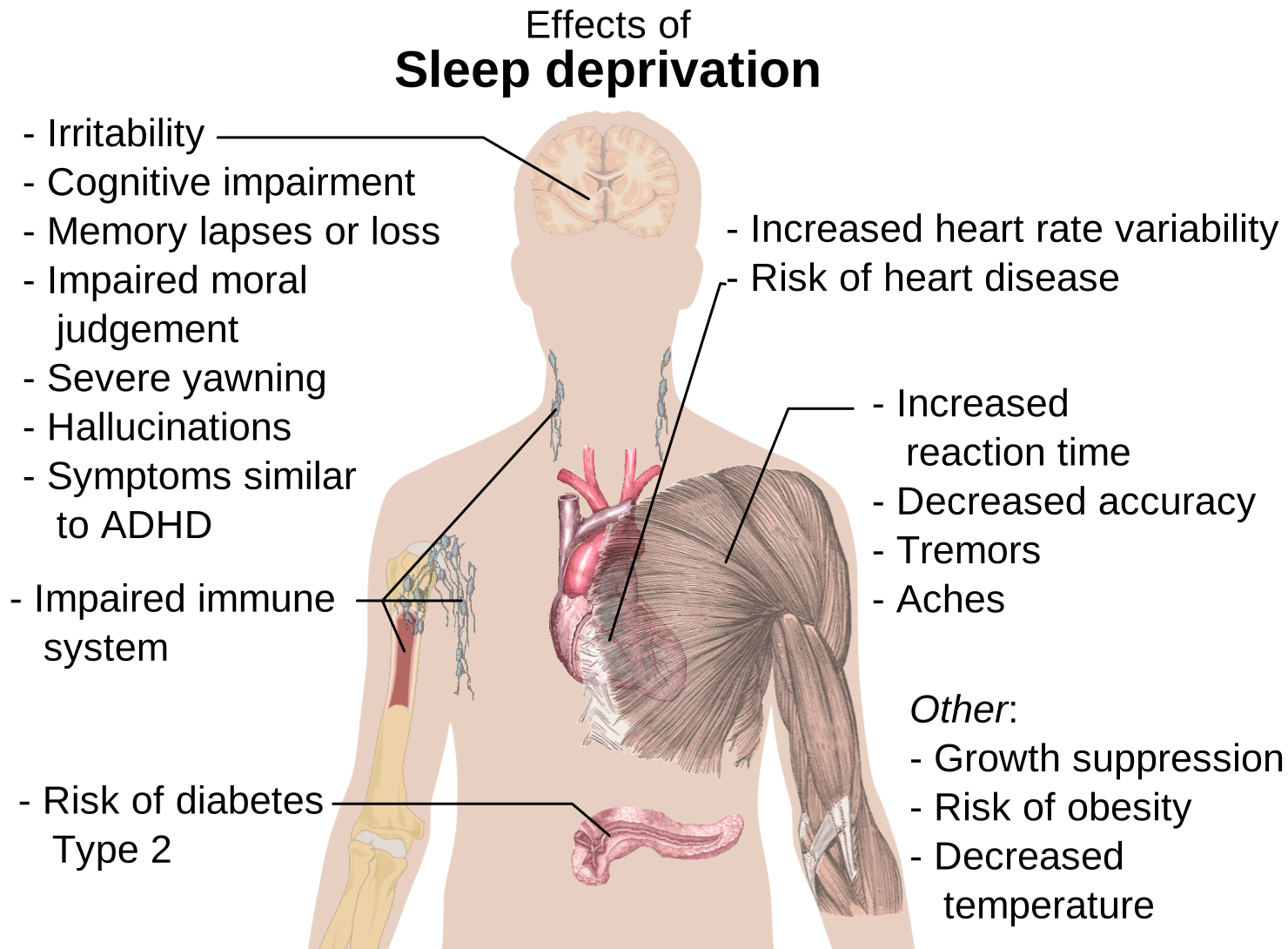
P.S. The image, from the wikipedia section on sleep, shows the downside of lack of sleep.