On the things we endure

We endure so much throughout our lives. When we are young, we endure school. We endure our siblings, perhaps. Certainly we endure some of our classmates. We endure teachers and subjects and our parents to some degree.

Later we grow up and roommates, apartments, bad jobs and bad relationships of once kind or another we live through in hope of an end.

Eventually we get old and the thing we have to endure most of all is ourselves. The qualities we seem stuck with, the habits unshakeable, and the traits indelible. We make an effort occasionally to shake them off, like dust, but then we settle and they settle back upon us. And so we endure them. Until the end.

On confusing resilience and endurance

As I suffer from personal difficulty, many people tell me I need to be resilient. This is what I thought as well. But what they really mean is I must be able to endure.

The key difference between resiliency and endurance is temporal.

If the difficulty you suffer is over and you bounce back, you are resilient. You can’t be resilient if your difficulty is on going. Then you are simply enduring.

For some reason, resiliency sounds better than endurance. Perhaps the former sounds active and the latter passive. There is nothing passive about endurance. It is a struggle to work against your difficulties, and those that passively suffer them will likely not endure for long.

To be resilient is good. But while you suffer, endurance is what you need.

On having fallen from the grace of god

Having walked for seven plus years, having lost so much, so much dead, so much broken, he accepted he had fallen from the grace of god. He walked through the years, and recalled them, picking over broken things, things he had built now gone, things he had saved now lost. He had walked for seven plus years and lost so much from the lack of grace from god. And he despaired, and fed the fires of despair. And when his despair had burned away, he looked around once more and saw what still remained, what was good, what could be built up. And this was the true gift, not this thing or that, not the vain hope of never losing. This vision was the gift. With this vision, he could see that he had regained the grace of god, though it had never left him.

The joy of being out of and in a storm at night

There is a joy of being out of a storm at night. You can listen to the wind blast and watch the trees whip while the rain or snow fills the air. You can experience that from inside a warm room, dry and safe. You can think: thankfully I am not out in weather like that. It is a pleasure to be sheltered in such a night.

There is a joy in being out in a storm at night. Dressed well, you can move through the elements, complimenting yourself for being able to handle such weather. Even in a big city, you will have little if any company. If you do come across another hardy soul, you can nod and smile as if you met another member of your secret society.

There are not many things that can bring joy no matter how you experience it, but a storm at night is one of those rare things.

A great list of interchangeable ingredients to turn to when you are cooking, from Mark Bittman

Is this list.

Print it off, leave it in the kitchen, add your own items.

I often use sriracha for dried chilies, or even any hot sauce, for when you just need some heat. Likewise, if you don’t have jalapenos, you could also replace them with some of other heat source. (If it is a lot of jalapenos, you might use regular peppers with some chilies or other hot things to add the appropriate level of hotness.)

Finally, I’ve seen people suggest replacing creme fraiche with full fat greek yogurt.

C’mon, It’s Just 7 Days – a good challenge for next week

You either are keeping your New Year’s Resolutions (yay!) or you have shelved them. If the latter, cheer up. You don’t need to wait a year to resolve to be better. And you don’t need to necessarily make a big commitment either. Maybe just a week of doing something for the better is enough to make an improvement in yourself. A week may be just the thing to kick start you and send you off in a better direction.

Sound good? Great. And if you are stuck for ideas, check out this:  C’mon, It’s Just 7 Days recipes and how-tos from Food52. 

It’s not just about food. If you are looking for a week of challenges to try out, read the articles there.

The articles are fun even if you aren’t looking to change. A lot can happen in a week.

My new favorite dish: Andrea’s Pasta with Pork Ribs from Mark Bittman

I made this last week and I’m thinking of making it again this weekend, it’s that good: Andrea’s Pasta with Pork Ribs, via Mark Bittman.

It has all the benefits of a good marinara dish, but the ribs really take it to a whole different and higher level. It is especially good with cheap pork ribs that might not make sense grilled due to being an odd shape. Those ribs are perfect here.

If you want, add more garlic…I added twice this amount. I also threw in sprigs of fresh herbs too. I went with basil, but I am sure rosemary or thyme or marjoram would be great.

I also doubled the ribs and I took  half, deboned them, then chopped them into bite sized pieces and added them to the sauce. The other ribs I garnished the pasta with.

Finally, since you have so few ingredients, try to use really good tomatoes and cheese. You can skimp on the ribs and get gnarly ones because they will still taste great, but the tomatoes especially make a huge difference here. Same with the cheese.

Superb.

The law of supply and demand strikes again, this time with truckers for Walmart

It seems to me that the law of supply and demand stops working from time to time. But I think that is wrong, and pieces like this remind me that I am wrong: How Walmart has successfully recruited truck drivers amid a labor shortage crisis.

The reason I think it stops working is because I see wage growth stagnating in many places. But I also see productivity stagnating too, and I think there is a relationship between that. There is some elasticity there that allows wage growth to stagnate but in return productivity growth stagnates too.

In Walmart’s case, the elasticity is gone: if they can’t get truckers, they lose business. It’s simple.  But for businesses without such hard and fast metrics, you might just continue to see slack productivity and slack wage growth.

Some thoughts on Philip Pullman, free speech and de-platforming

I think often of this speech Philip Pullman gave regarding the rights and limits associated with free speech. I like what he says, and I like how he says it.

I’d like to see a similar one for de-platforming. No one has a right to be popular on social media. No one has a right to access and use a specific platform. No one has a right to stay on the platform if they don’t abide by the rules. If they get kicked off, they can complain on other platforms. They can complain to the owners of the platform. They can build a platform of their own and make their own rules and say what they want in a law abiding way.

But wait, isn’t that a violation of someone’s free speech? I don’t think it is. It gives too much power to existing platforms to treat them like utilities. They are not utilities. If they are utilities, then they should be heavily regulated. Better that they are not regulated, that they do not gain too much power, and that people that want to exercise their free speech build their own platforms.

Free speech should be defined within the context of a citizen and their government. People should be able to say what they want within the law. People should also be willing to accept the social consequences if they say something that offends others. That is what Pullman is saying in some ways. If his book shocks and offends you, you can take action that may harm him by reducing the number of books he might sell. That is the consequence he is willing to take in order to write the book he wanted to write. He understands that free speech has consequences. The one consequence he is not willing to accept is to be prevented from speaking. (I would add that the other consequence he is unwilling to accept is to be physically threatened, an all too common threat that hangs over discussions of free speech on the Internet.)

People who are deplatformed are not prevented from speaking either. They are being prevented from speaking the way they prefer, and that is a different matter. They want to speak their way without the consequence of being deplatformed.


Are the new iPhones more expensive than ever?

That’s been a question I have been asking myself for some time. I felt like the price just keeps going up. And if you read articles like this, it’s easy to conclude it’s true.

But here’s some numbers on the least expensive models over time, taken from this:

iPhone (4GB): $499
iPhone 3G (8GB): $599
iPhone 3GS (16GB): $599
iPhone 4 (16GB): $599
iPhone 4S (16GB): $649
iPhone 5 (16GB): $649
iPhone 5s (16GB): $649
iPhone 6 (16GB): $649
iPhone 6 Plus (16GB): $749
iPhone 6s (16GB): $649
iPhone 6s Plus (16GB): $749
iPhone 7 (32GB): $649
iPhone 7 Plus (32GB): $769
iPhone 8 (64GB): $699
iPhone 8 Plus (64GB): $799
iPhone X (64GB): $999

Looking at that, I have to think that the phones are getting more expensive, but likely they have always been that way. (And note, this doesn’t account for inflation or the improved quality of the phones, including greater storage.)

Occasionally Apple will make a cheaper phone like the 5C or the SE that are essentially remixes of older models. Or they will continue to support a wider range of phones, like continuing to sell the 7, the 8, and now the X. But it seems the high end was never inexpensive and likely never will be.

Cinephilia & Beyond on the Blade Runner Souvenir Magazine


A visit to this page is a must for Blade Runner fans: Blade Runner Souvenir Magazine: A Fascinating Blast from the Past from the Heart of Ridley Scott’s Masterpiece • Cinephilia & Beyond.

Pull quote:

The Official Collector’s Edition Blade Runner Souvenir Magazine is a wonderful source of information, abounding in great photos and articles; a genuine treat both for hardcore fans of the film and all the newbies who just got introduced to the world of Rick Deckard. There are a lot of fascinating stuff here, but we’re especially excited about the interviews with Philip K. Dick, Ridley Scott, Harrison Ford and Douglas Trumbull. We’re incredibly thankful to webmaster Netrunner from brmovie.com, who put a lot of effort into digitalizing the magazine and even contacted Mr. Friedman to get his blessing for the endeavor. While Netrunner shaped the material by separating photos from the accompanying text, we chose to offer you a .cbr file of greater resolution and quality, so you can browse the content more easily. If we may, we’d like to suggest using a little program called ComicRack for checking out this priceless blast from the past. Enjoy the read!


Why suicide is falling around the world, and how to bring it down more

This fact is promising and the article in the Economist is worth reading (you don’t need a subscription to read it.)

Key quote for me:

Nonetheless, beyond America’s gloomy trend is a more optimistic story: that at a global level, suicide is down by 29% since 2000 (see article). As a result, 2.8m lives have been saved in that time—three times as many as have been killed in battle. There is no one reason. It is happening at different rates among different groups in different places. But the decline is particularly notable among three sets of people.

via Why suicide is falling around the world, and how to bring it down more – Staying alive.


Taking a tiny home for a test drive

If you ever thought about living in a Tiny Home, here’s your chance to try them out before you buy one. Simply rent one of the ones listed here:  Tiny House Rentals for Your Next Getaway (Apartment Therapy). There is a range of places and styles and prices for them.

I have thought of living in one myself, but wondered if I could manage. This could be one way to find out.

Photo courtesy HomeAway

Sara restaurant in Toronto has a cool way to deal with cell phones at restaurants

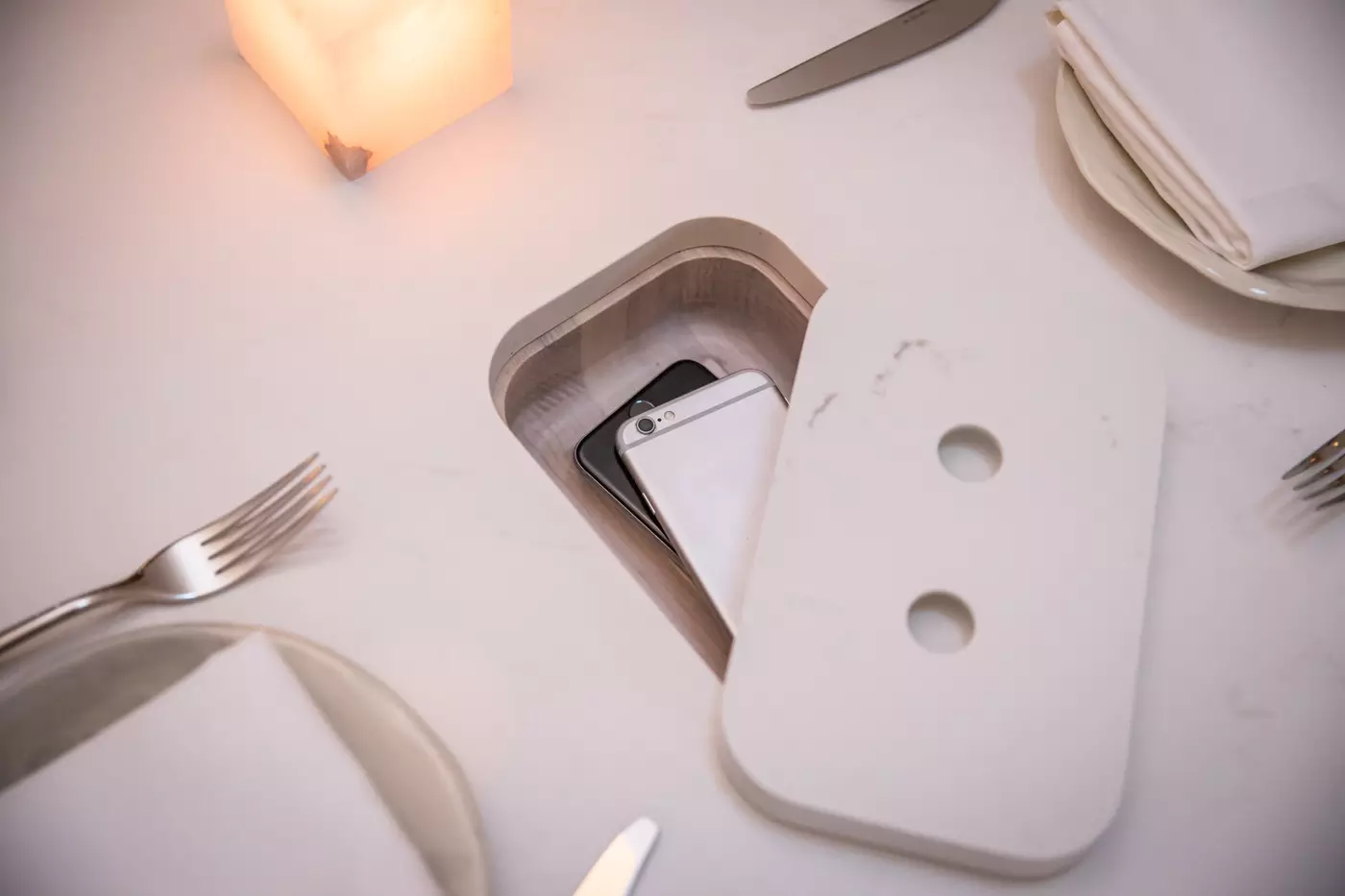
According to blogTO, the tables are of a ….

…Design by ODAMI and MiiM (that) incorporates innovative tabletop cubbies with heavy, spill-proof lids designed to stow your phone at the beginning of the meal. Servers remove the lid at the end to remind you to return to your phone, and emerge from the period of serenity Sara offers diners.

Nice restaurant, great idea. For more on it, see:  Sara – blogTO – Toronto

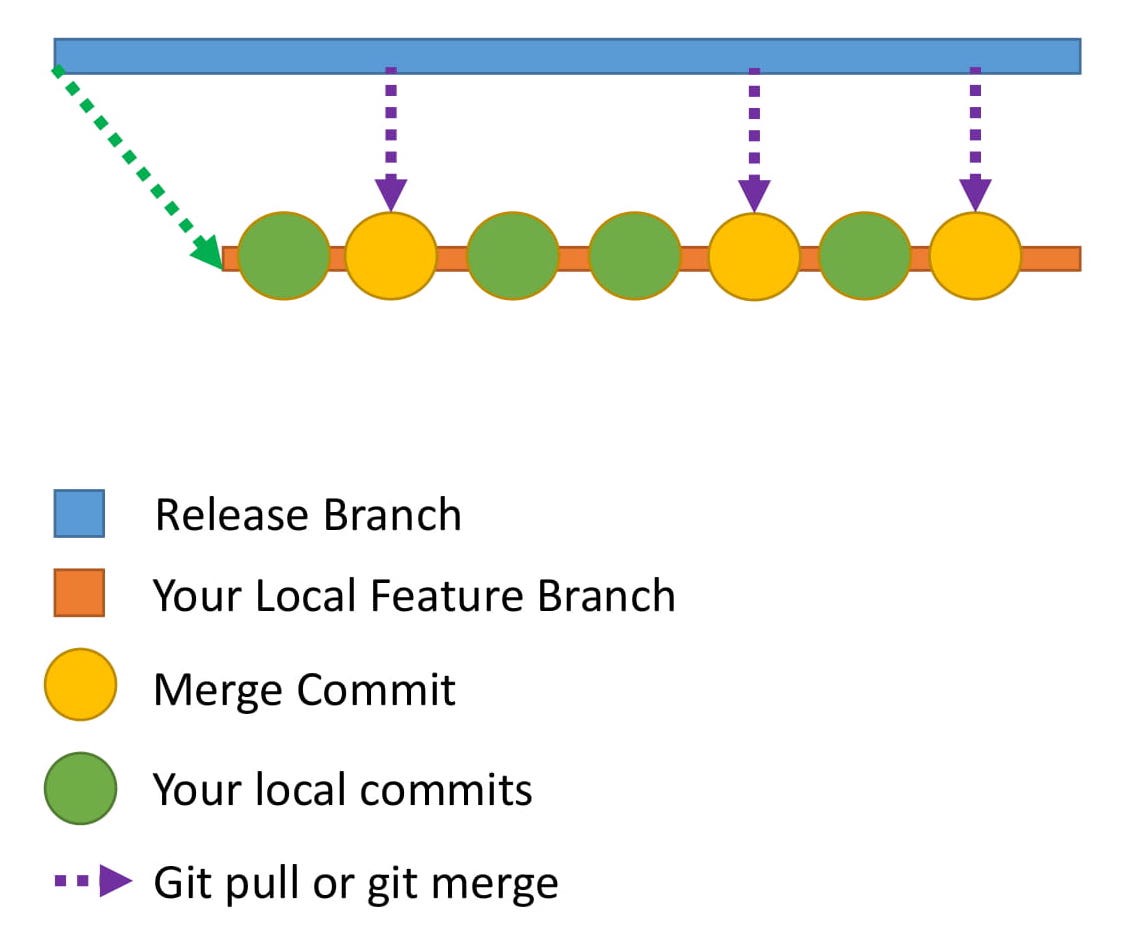
How to take your git skills to the next level

One way is to read this: How to become a Git expert – freeCodeCamp.org. There’s a lot of good pages on how to get started on git, but if you are joining a software project, you may be expected to know more than the basics. You may be required to know the kind of things that piece talks about. Of course you can ask people on your team for help, but why not get as much skill as you can first and then ask better questions? There’s always something new to learn when it comes to git and software management: learn as much as you can by yourself and increase your skill set and your value to the team.

Do you want to read more women writers but need suggestions? The Hay Festival of Literature and the Arts has your back

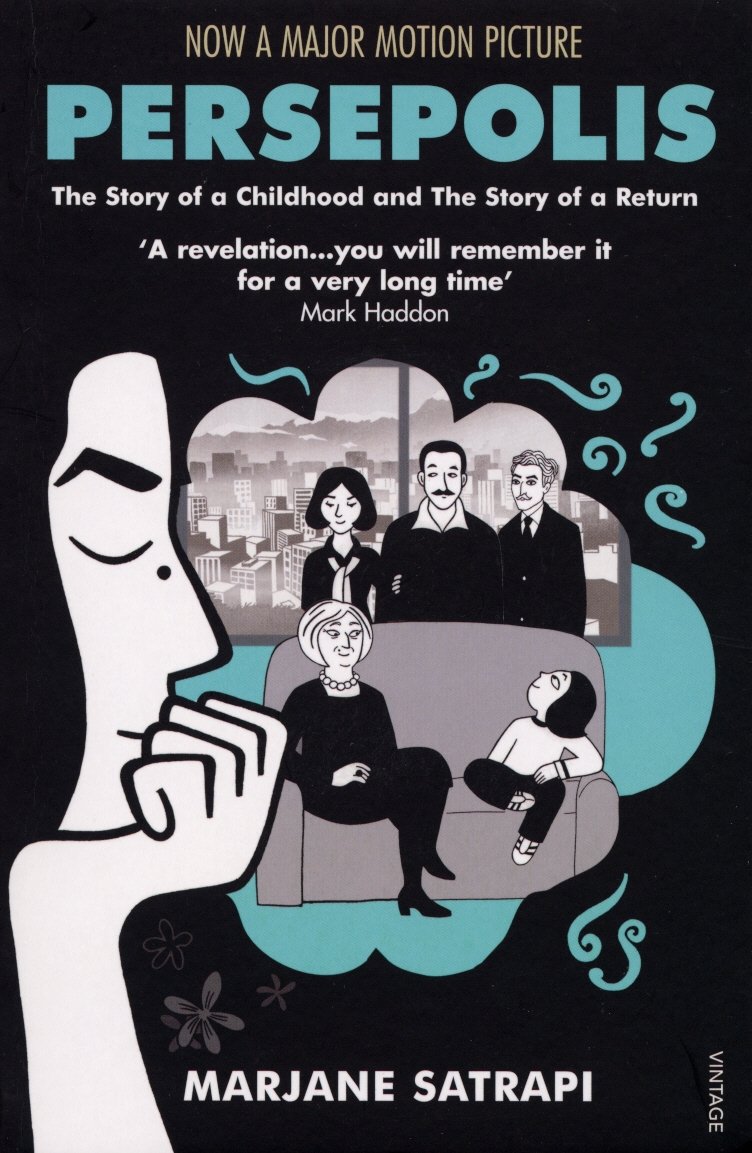
How so? Here is a list of one hundred books by great women authors on a wide range of topics, including graphic novels like Persepolis. Hay Festival of Literature and the Arts – #VOTE100BOOKS. 

Regardless of the voting and which book gets the most, it is safe to say that everything listed is worth seeking out.

It’s unlikely even well read people haven’t read all these. If you find you want to read more women, you’re bound to find things on that list.

The crumbling and outright destruction of “brutalist treasures”

If you are a fan of Brutalism, you will want to visit this: Attack the blocks: brutalist treasures under threat – in pictures | Cities | The Guardian

You might want to even visit them, because for some of them, their days are numbered.

I imagine that in the next 50 years, the number of Brutalist buildings currently existing will be significantly reduced. That would be a shame. Brutalism gets knocked hard, and I can see why. But worse than Brutalist building are boring buildings from all different architectural styles. I’d like to see those go first. The world could use good Brutalism in their cities. Here’s hoping it doesn’t undergo severe decline.

Some thoughts on insurance companies and the use of wearable technology

When it comes to insurance and wearables, I think the effect of these devices will be limited. I think this because:

  1. I don’t believe people are consistent about using wearables. I have been using wearables and fitbits for some time. I believe most people are prone to not wearing them constantly. Inconsistent use will make it harder for insurers to guarantee you a  better rate or for you to achieve one.
  2. You are more likely to wear it and use it when you are trying to keep in shape. If you are not, you will likely not wear it. The insurer can’t know if you are getting out of shape or just no longer wearing it. (I used to use a Nike+ device for running, and I ran consistently, but I did not use the device consistently. Many days and weeks I just didn’t feel like it.) The use of wearables is mostly an upside for you, and of limited value to the insurer.
  3. One reason I gave up on using wearables consistently is that they don’t give you much new information. I walk and exercise consistently and so they often give me the same information consistently. Which means I tend to not wear them often. I don’t need the fitbit to tell me I walked 10,000 steps. I know I did because my commute to and from work plus my lunchtime walk consistently gives me that.
  4. My fitbit scale is great for tracking my weight over time, but an insurer could also just ask me my weight, height and waistline and get a sense of my eligibility for insurance, just like how they ask if I smoke. A very low tech way to measure things. Men with a waist over 40 inches are more prone to heart disease then men with much smaller waists, regardless of what a high tech scale says. A insurer needs a limited number of data points to assess your health risks.
  5. I believe there is limited return for insurers to get this much data. I base this on my current life insurer. I can get life insurance from 1-6X my salary (assuming I pay the corresponding rise in premiums) without providing medical data. They only ask for medical data if I ask for more than 6X. It likely isn’t of benefit for them to process the data for lower amounts, so they proceed without it.
  6. Insurers are data driven, for sure, but I think they are good at picking out a limited number of good numbers to determine what to charge you for insurance. I don’t think the numbers coming back from wearable tech is all that good.

So in short, I don’t believe people or insurers will get much benefit from wearable tech. People will not get breaks on their insurance, and insurers will not be able to reduce their risk substantially with the use of wearables.

Cooking at home sucks. It’s also great.

I like this piece: Opinion | Never Cook at Home – The New York Times

The title is deceptive: it is not entirely anti-cooking, and it does talk about the benefits of home cooking, but it does throw a bucket of very cold water on all those excited ideas about how great it is to cook at home.

There are many benefits to cooking at home, just like there are benefits to working out. But there are significant efforts associated with achieving those benefits. Those efforts are likely the thing that can cause you to stop getting out your pans and turning on the oven and head to the local diner.

The other drawback about cooking at home is social media. Now so many people (including me) post photos of the food they make. You might look at your own cooking outcome and get discouraged. When you combine the effort and the outcome, plus the indifference you get from those you cook for, you may never want to cook again.

Like exercise, the trick is to find the right level of cooking that works for you, and not get down on yourself when you aren’t cooking at some level you think you should be cooking, whatever that is. Some days you just need to eat, and a piece of fruit and a frozen meal is all you need to no longer be hungry. Other days you may be enjoying making pasta from scratch. If you find you are in a rut, start a simple log of what you are eating over a week and then look for ways to improve slightly: replace boxed cereal with a cooked egg, make a simple pasta rather than get take out pizza. (Bonus: if you make pasta, you could have lunch made too.)

Good luck. There are rewards to cooking at home, if you find the right level of cooking that works for you. Enjoy the fruits of your labour, however great or humble.

Friday night cocktail: a Sazerac


Arguably the oldest cocktail made, with a fine New Orleans history. I had one the other night with bourbon, which is a good substitute for rye. You can go with just one form of bitters, and mine had Peychaud’s. Try an orange peel: it goes well with the bourbon. Experiment with leaving out the sugar cube: you might find you don’t need it with the bourbon and the orange peel.

Best Sazerac Recipe – How to Make a Sazerac Drink

How chromebooks can be a means of avoiding being IT support for your family

Chromebook image
This piece explains the logic behind getting certain relatives a Chromebook so as to relieve you of being tech support:  I bought my mom a Chromebook Pixel and everything is so much better now – The Verge.

Now your mom may be tech savvy and not need a Chromebook (my mom was). But for some people’s moms or dads or children, it can be a very good solution. Especially for people who don’t travel much with their computer and who have a stable IT environment (e.g. the networking set up doesn’t change, the printer is good).

Chromebooks may not seem good value. You might compare what you get from a Chromebooks vs a Windows laptop and think: I get more from the Windows laptop. If you are good with computers, that true. But that’s not how to look at it. Factor in the cost of the relative’s computer plus the time you spend solving problems with it. When you factor that in, the benefit of the Chromebook jumps out.

A very visual way to remember healthy serving sizes

The good people of Cooking Light have put together an nice infographic on this: Here’s a Handy Way to Understand Healthy Serving Sizes – Cooking Light. 

Now you might find some of them weird (one small baked potato is the size of a hamster) or outdated (an ipod nano…really?) but most of them are relevant and very useful if you are working hard to control how much you eat.


New ideas for summer wine drinkers

For those of you looking to branch out beyond whites, roses, and heavy reds (for BBQ), here’s a good list: Chilled Red Wines to Drink All Summer – Bon Appétit.

Beaujolais is the obvious choice for Gamay, but lots of new world producers make wine with that grape. For Carignan, you may have to look around: if you can find a place that stocks a good selection of French wine, look in the Midi section. Also check out the Spanish wine section. The challenge there is it can sometimes (often times?) be blended with heavier reds. Ask the staff for help if you want something lighter. As for Zweigelt, the challenge there is finding it at all. If you can, get some.

If you want to know more about carignan, check out this from Winefolly.com:

A reluctant promotion of a Kickstarter project: Color Problems – A Book by Emily Noyes Vanderpoel by The Circadian Press with Sacred Bones


Despite being burned too many times by Kickstarter projects, this one seems so worthwhile I feel I must promote it: Color Problems – A Book by Emily Noyes Vanderpoel by The Circadian Press with Sacred Bones — Kickstarter. It’s a great project to recreate a classic book, and it will be a boon to many people if it gets off the ground. Anyone interested in the visual arts should check it out and contribute some way if you can.

I hope it’s successful, that the project initiators have 1) their act together 2) actually release something tangible and 3) in a timely manner that is high quality.  (Many of my recent Kickstarter projects have failed at 1, 2 and 3.)

Good luck to them.

iPhone 6s: still a great phone in the era of iPhone X

If you are skeptical about the greatness of the iPhone 6s, this piece makes a good argument for it: Reasons you should buy an iPhone 6S instead of an iPhone 8 or iPhone X – Business Insider. If money is a prime concern, you can find refurbished 6s phones for a fraction of the cost of a new iPhone 8 or X.

If you want an iPhone and you are fine with refurbished — and some places give good warrantees on such phones — then consider making an iPhone 6s your next phone. Or get a new one from your mobile phone carrier or buy one outright from Apple.


Can you finance a tiny home?


According to this, yes (kinda): Tiny House Financing Tips – Mobile Home Loans | Apartment Therapy

It’s not in any way straightforward like getting a loan/mortgage for a traditional home, but it can be done.

If you are interested in getting such a home, it’s worth reading those tips.

P.S. To buy the house in the image, go here. It will set you back around $11,000.


Should you read Steven Pinker’s Enlightment Now?

I have my doubts after reading this: Steven Pinker’s book Enlightenment Now is a huge hit. Too bad it gets the Enlightenment wrong. – Vox. 

I am a fan of the new wave of optimism being swept in by writers like Pinker. But misrepresenting the Enlightenment is a bad idea, and I am not sure why he did it. If you want to read it in the spirit of what out age needs now, then it is likely you should read it. If you want to learn about the Enlightenment, read the Vox piece and then go somewhere other than Enlightenment Now.

A fine appreciation for Stephen Hawking can be found…


… here: Stephen Hawking Is Still Underrated – The Atlantic. 

I like this piece because it takes you into his science and what makes his work great without having you be an expert in the field yourself. You might still struggle with it, but it is a worthwhile struggle.

Rest in peace, Stephen Hawking. You may be gone, but the work you did lives on and will lead to more great work being done by other scientists that come after you.

What happens when you fill your house with smart devices?

Just how bad is it to have your house filled with smart devices? Kash Hill attempted to find out by connecting many of them up in her house and then track all the data that they sent out. The results are fascinating. Some of them send the data out in the clear, which is terrible. But even the ones that encrypt your data and leaking things about you via metadata.

Essentially whatever value smart devices provide — and some of that value is doubtful — they are monitoring equipment that you set up yourself. Just how much they monitor can be seen here in her study: The House That Spied on Me.

It’s a great read, and for some, it will be a great revelation.

Image via Home Depot’s web site.

In praise of maximalism in decor

It’s rare to see a maximalist approach to decorating, but an exception is to be found here: House Tour: A Maximalist Apartment in Vicenza, Italy | Apartment Therapy.

If you are a fan of maximalism, like I tend to be, then this is exciting. If you are a minimalist, then this likely caused you some discomfort! 🙂 To each their own.

For those with the motto: More is More, click on the link for more ideas of how to fill up your space with beauty and the things you love. Minimalists will want to move on (unless they want to hate read it).

Decluttering tips for people who have a hard time with it.

If you struggle to declutter your places, then Apartment Therapy has two good guides on how to make some progress on it:

  1. Professional Organizer Tips: What NOT To Do When Decluttering
  2. This Decluttering Pro’s 10-Percent Method Will Help You Pare Down Guiltlessly

Decluttering is always a good idea. You can live easier, and you can appreciate the things you have better.