On Giorgio Armani, Kate Moss, and other great things from the 80s and 90s

I don’t write as much about the 80s these days, possibly because the media has shifted their nostalgic articles and stories from that decade to the one that follows. So I have decided to combine both decades in this one post. Hey it’s my annual indulgence, so bear with me. 🙂

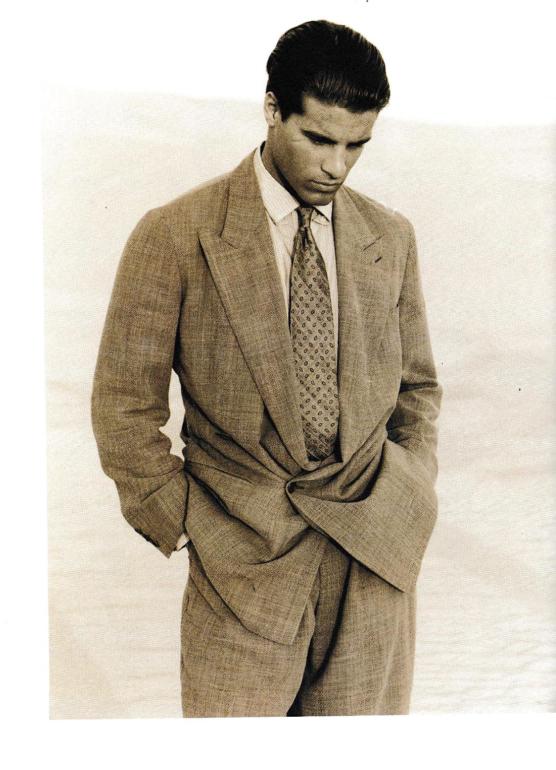
The fashion giant Giorgio Armani passed away last week. While his greatness spanned decades, he really dominated the 80s with his flowing and beautifully cut clothing. There was a number of things written about him on the day of his death, but this piece in Wallpaper I found was the best. I’d also recommend this older piece that explains why 80s Armani still matters. And while I was a huge fan of his back in the 80s, as this piece in the New York Times showed, the man never stopped.

I was not the only fan of Armani obviously. Scott Schuman a/k/a The Sartorialist had a special Instagram account dedicated to him. Worth visiting.

If you are in the mood for more great photos of the 80s, I think this photo essay is excellent:  the 1980s turned out to be magic… david bailey on the era of excess in pictures.

Not as many photos in it, but this essay on  The Cameron Public House and 1980s Toronto is a fine remembrance of the beginning of an era at that famous Torontoian establishment. Another famous Toronto establishment, By the Way cafe, also began then. Sadly that restaurant will be closing after 40 years. It won’t be quite the same on the corner of Bloor and Brunswick with it gone.

If you want to know what we were eating in the 80s, read this. If you want to know what were listening too, go here.

One of the people I was listening to back in the day was Tracey Thorn. Nowadays she has a reoccurring column in The Independent where she writes about our current times, such as this: seeing endless faces in the city brings me comfort and relief. Always worth a read. Check out her books too.

Did Tracey Thorn go to clubs like the Limelight in London? Possibly. Did I go into one of the clubs that Sharon Smith captured with her polaroids of NYC nightlife in the 1980s? Definitely. Was I happy to see ‘The Breakfast Club’ stars reunite for the first time in 40 years? You know it. Am I glad that Giancarlo Esposito found happiness and success after a difficult struggle? Most certainly.

Moving from the 80s nightclub scene to the 90s, I give you this story on the famous cafe tabac in NYC. If you had gone during that time, you might have seen Kate Moss there. Zara had a special collection devoted to her not so long ago: Collection Kate Moss. This led to coverage in places like British Vogue and  The Guardian. It may be the reason why someone decided to write this: why fashion keeps selling us the 90s.

PeeWee Herman was another celebrity who rose to the top in that era. Even if you are not a fan of the 90s or Herman, I recommend a recent documentary on him…it’s brilliant.

Finally, here’s a piece on technology that was big at the end of the 20th century. Also big at the end of the 20th century: Friends. For fans of that 90s show, here a recent review of  friends at 30…inside story writers and producers tell all. More friends at 30 sitcom cultural phenomenon here.


SNL makes you famous. It may not make you rich.

If you are fan of Saturday Night Live as I am, you may have guessed that cast members get paid well to be on the show. If that was also your guess, then guess again. As this piece shows, the pay is not exactly stellar. Mind you, for some cast members, things have worked very well in the longer term. But in the short term, it’s not all that much. Enough to pay the bills of living in NYC and a bit more.

Still, if fame now and fortune maybe later is your goal, SNL is the way to go.


Andor is good for many reasons, and enjoyable for all. You should watch it.

Even if you don’t normally watch Star Wars movies, consider watching Andor. Like the movie it arises from, Rogue One, it stands apart from much that is Star Wars. There’s no light sabre battles, no Force, none of the things you may associate with the franchise. It is still in the Star Wars universe, which is why you will see Storm Troopers in their white uniforms, as well as other such things. But it really is a good dramatic series that’s well written and well acted. For fans of Star Wars, it’s good TV. But people indifferent to Star Wars will find it is good TV too.

I could go on, but Don Moynihan is miles ahead in terms of making a strong and thoughtful case for it, here. Don writes about governance, so he sees the series from that lens. And quite the lens it is. I highly recommend you read his piece.

One thing I noticed that wasn’t in his piece is the colonialism that comes through in the series. The Empire has taken over planets in a way not unlike earthly empires take over countries, and the series explores what that does to both those loyal to the Empire and those fed up with it.

Andor starts up season 2 this month. Go watch season one on Disney+ now. Check out Rogue One too (though you can watch Andor independently of it and the rest of the Star Wars films). Hopefully season 2 will be worthwhile TV too.

On Martha Stewart and other Unstoppables

Martha Stewart
The New York Times website will often have sections on topics which aren’t newsworthy but are noteworthy. A good example of that is this section called The Unstoppables: Creatives Talk About Aging, Lifelong Career and Ambition. The Times sums it up this way: “The Unstoppables is a series about people whose ambition is undimmed by time”. There’s pieces on Lauren Hutton, Georgio Armani, Martha Stewart, and more. (I especially liked this piece: The Secret of Life Is Not to Be Frightened.) If you ever wonder how to stay creative as you get older, I recommend The Unstoppables, regardless of how old you are.

Speaking of Martha, Netflix has a good documentary on her called….Martha. Was Martha happy with “Martha”? No, she was not. She has trashed the film in several places, partially because she comes off as a “lonely old lady” and “prickly”. I get why she would not like it, but I think as documentaries go, it was good. Martha can be a difficult person to like, though that depends on your tastes. Indeed, some critics like that she is “a perfectionist control freak” and all that goes with that designation.

However likeable she is, I think Martha did something massive early in her career: she transformed our culture and the way people do business. She is as significant a figure as a major artist or a major executive. Perhaps even more so, because she was all of that rolled up into one package. When you get big enough in our culture, you get to go by one name, and Martha was and is big enough.

Anyone else who had such a big impact early in their life might retreat to a simpler life as they aged. Not her. Despite all her ups and downs, she continues to march on in her own perfect and precise way even in her 80s. She is truly Unstoppable. And that’s a good thing.

The mongolian horde approach, or why you don’t have to be a fool to think that Elon Musk is incompetent

Is Elon Musk incompetent? Is he a genius? Or is he something else?

While some think his recent actions at Twitter and in DOGE indicate he is  incompetent, Noah Smith came out and defended Musk in this Substack post: Only fools think Elon is incompetent – by Noah Smith.

Smith starts off by saying that Musk …

is a man of well above average intellect.

Let’s just pass on that, since we don’t know the IQ or any other such measure of the intellect of Musk. Plus, competent people don’t need to have a high IQ.

Indeed Smith gives up on IQ and goes for another measure:

And yet whatever his IQ is, Elon has unquestionably accomplished incredible feats of organization-building in his career. This is from a post I wrote about Musk back in October, in which I described entrepreneurialism as a kind of superpower

So it’s not high IQ that makes Elon Musk more competent than most, it’s his entrepreneurialism. In case you think anyone could have the same ability, Smith goes on the say why Musk is more capable than most of us:

Why would we fail? Even with zero institutional constraints in our way, we would fail to identify the best managers and the best engineers. Even when we did find them, we’d often fail to convince them to come work for us — and even if they did, we might not be able to inspire them to work incredibly hard, week in and week out. We’d also often fail to elevate and promote the best workers and give them more authority and responsibilities, or ruthlessly fire the low performers. We’d fail to raise tens of billions of dollars at favorable rates to fund our companies. We’d fail to negotiate government contracts and create buzz for consumer products. And so on.

Smith then drives home this point by saying:

California is famously one of the hardest states to build in, and yet SpaceX makes most of its rockets — so much better than anything the Chinese can build — in California, almost singlehandedly reviving the Los Angeles region’s aerospace industry. And when Elon wanted to set up a data center for his new AI company xAI — a process that usually takes several years — he reportedly did it in 19 days

And because of all that, Smith concludes:

Elon Musk is, in many important ways, the single most capable man in America, and we deny that fact at our peril.

Reading all that, you might be willing to concede that whatever Musk’s IQ is, not only is he more than competent, but he must be some sort of genius to make his companies do what they do, and that you would be a fool to think otherwise.

But is he some kind of entrepreneurial genius? Let’s turn to Dave Karpf for a different perspective. Karpf, in his Substack post, Elon Musk and the Infinite Rebuy, examines Musk’s approach to being successful by way of example:

There’s a scene in Walter Isaacson’s new biography of Elon Musk that unintentionally captures the essence of the book: [Max] Levchin was at a friend’s bachelor pad hanging out with Musk. Some people were playing a high-stakes game of Texas Hold ‘Em. Although Musk was not a card player, he pulled up to the table. “There were all these nerds and sharpsters who were good at memorizing cards and calculating odds,” Levchin says. “Elon just proceeded to go all in on every hand and lose. Then he would buy more chips and double down. Eventually, after losing many hands, he went all in and won. Then he said “Right, fine, I’m done.” It would be a theme in his life: avoid taking chips off the table; keep risking them. That would turn out to be a good strategy. (page 86) There are a couple ways you can read this scene. One is that Musk is an aggressive risk-taker who defies convention, blazes his own path, and routinely proves his doubters wrong. The other is that Elon Musk sucks at poker. But he has access to so much capital that he can keep rebuying until he scores a win.

So Musk wins at poker not by being the most competent poker player: he wins by overwhelming the other players with his boundless resources. And it’s not just poker where he uses this approach to succeed. Karpf adds:

Musk flipped his first company (Zip2) for a profit back in the early internet boom years, when it was easy to flip your company for a profit. He was ousted as CEO of his second company (PayPal). It succeeded in spite of him. He was still the largest shareholder when it was sold to eBay, which netted him $175 million for a company whose key move was removing him from leadership. He invested the PayPal windfall into SpaceX, and burned through all of SpaceX’s capital without successfully launching a single rocket. The first three rockets all blew up, at least partially because Musk-the-manager insisted on cutting the wrong corners. He only had the budget to try three times. In 2008 SpaceX was spiraling toward bankruptcy. The company was rescued by Peter Thiel’s Founders Fund (which was populated by basically the whole rest of the “PayPal mafia”). These were the same people who had firsthand knowledge of Musk-the-impetuous-and-destructive-CEO. There’s a fascinating scene in the book, where Thiel asks Musk if he can speak with the company’s chief rocket engineer. Elon replies “you’re speaking to him right now.” That’s, uh, not reassuring to Thiel and his crew. They had worked with Musk. They know he isn’t an ACTUAL rocket scientist. They also know he’s a control freak with at-times-awful instincts. SpaceX employs plenty of rocket scientists with Ph.D.’s. But Elon is always gonna Elon. The “real world Tony Stark” vibe is an illusion, but one that he desperately seeks to maintain, even when his company is on the line and his audience knows better. Founders Fund invests $20 million anyway, effectively saving the company. The investment wasn’t because they believed human civilization has to become multiplanetary, or even because they were confident the fourth rocket launch would go better than the first three. It was because they felt guilty about firing Elon back in the PayPal days, and they figured there would be a lot of money in it if the longshot bet paid off. They spotted Elon another buy-in. He went all-in again. And this time the rocket launch was a success. If you want to be hailed as a genius innovator, you don’t actually need next-level brilliance. You just need access to enough money to keep rebuying until you succeed.

It seems that the path to success for Musk is not to be good at something, but to be tenacious and throw massive amounts of resources at a problem until you defeat it.

In IT, there is an approach to solving problems like this called the Mongolian horde approach. In the Mongolian horde approach, you solve a problem by throwing all the resources you can at it. It’s not the smartest or most cost effective approach to problem solving, but if a problem is difficult and important, it can be an effective way to deal with it.

It’s interesting that Smith touches on this approach in his post. He brings up Genghis Khan, the leader of the Mongols:

Note the key example of Genghis (Chinggis) Khan. It wasn’t just his decisions that influenced the course of history, of course; lots of other steppe warlords tried to conquer the world and simply failed. Genghis might have benefited from being in just the right place at just the right time, but he probably had organizational and motivational talents that made him uniquely capable of conquering more territory than any other person in history. The comparison, of course, is not lost on Elon himself

It appears that Musk is familiar with the Mongolian Horde approach as well. Indeed, Karpf illustrates the number of times Musk used this approach in order to be successful, whether it’s playing poker or building rockets.

If you can take this approach, with persistence and some luck, you can be successful. Success might come at a great cost, but it likely will come. And in America, if you are successful, people assume you are intelligent and highly competent regardless of your approach. That’s what Smith seems to assume in his post on Musk.

Even with this approach, you do have to have some degree of competency. If you are using this approach to play poker, you have to know enough about the game to win when the opportunity presents itself. But you don’t have to be the world’s best poker player or even a good poker player.

The same holds true for Musk and his other companies. He’s not incompetent, but he’s not necessarily great or even good at what he does. He just hangs in there and keeps applying overwhelming resources until he eventually wins. His access to resources and his tenacity are impressive: his competency, not so much.

P.S. Like many others, I used to think Musk was highly competent. I stopped thinking that when he took over Twitter and turned it into X. This “Batshit Crazy Story Of The Day Elon Musk Decided To Personally Rip Servers Out Of A Sacramento Data Center” in Techdirt convinced me his IT competency is not much better than his poker competency. Indeed, if success was a metric, then he is incompetent at running tech companies, based on this piece in the Verge: Elon Musk email to X staff: ‘we’re barely breaking even’. I won’t count him out until he abandons X, but if the time comes when X is successful, it will be because of him applying massive amount of resources (time, money, etc) to it, not because he is an IT genius.

 

SNL turns 50

It’s been a year of celebration for the television show, Saturday Night Live. And why not? Any show that can last for 50 years deserves to be celebrated. And celebrate they did with a three hour prime time special.

I’ve started watching the show on TV at the very first season, when it was a new way to fill the dead hours of Saturday night. Now 50 years later I watch it mostly on Instagram. The Media has changed dramatically, but the Message has been consistent: 90 minutes of music and comedy every Saturday night in a strict format of cold open, monologue, sketches, music, Weekend Update, more sketches and music, closing. That it could continue to do that for half a century is a tremendous credit to the talented writers and comedians and musicians who create the show. And especially it is a credit to the producer, Lorne Michaels.

The influence of Michaels was apparent in how the show started with Paul Simon and Steve Martin and ended with Paul McCartney and Martin Short. But while it had a lot of his favourite old timers laced throughout on the show, it was not just a nostalgia trip. Which is why you had Paul Simon perform with Sabrina Carpenter and the new cast mixed in with the old. This show, like all shows, aimed to be current and successful. It was a bullseye.

For those who missed it, the New York Times has a good run down of the special: ‘S.N.L.’ Celebrates 50 Years With Star-Studded Prime-Time Special, while CNN has what they considered the best moments from ‘SNL’s’ 50th anniversary special, here. CBC also had a piece on it: Saturday Night Live celebrates 50 years with comedy, music and many, many famous friends. Of course being CBC they also had something on some of its best moments that have featured Canadians.

Theres been many a story written on the show this season. Here’s one on performers  breaking on SNL. This is a good set of interviews of the original  snl 1975 cast and crew.

Even with it being double a normal show’s time slot, it could not be all things to all people. This is a lament for what was not on the 50th special, here. And while it seemed like everyone who was ever on the show was there, a few big stars like Dan Ackroyd and Bill Hader could not make it.

P.S. I’d be remiss without mentioning this year’s film of the first episode of SNL. Sadly it got mixed ratings, such as this: Saturday Night mild? Jason Reitman’s SNL recreation doesn’t quite match the original’s rebellious spirit.

On Brats, and other 80s artifacts

Sure it’s Brat summer, but I want to talk about some other Brats, specifically those from the 80s.

Andrew McCarthy recent made a documentary film that looks back at his time in the 80s when he was a member of the Brat Pack. Watching it, I was fascinated by how the various members of that group were affected by that label. Of all the members of said pack, no one seems as deeply affected by it as McCarthy. He’s a good reminder to leave the past in the past. It’s fine to revisit it from time to time, but it’s not good to get affixed to it.

Brats is a good film. The Times has a review here. More thoughts on it, here.

Relatedly, here are five films from that era, if you are feeling curious or nostalgic. Here’s even more on the brat actors who defined the 80s.

If after seeing McCarthy’s documentary, you might have been curious as to why Molly Ringwald and Judd Nelson don’t appear in Brats, so click on this.

Brats is all about reunions. Speaking of 80s reunions, this is a story of the SCTV reunion from a few years ago. That group was one of the best things to come out of that decade.

Other things from the decade I thought worth noting:


It’s a miracle! Gaudi’s Sagrada Familia will be completed! In 2026

According to CNN, Barcelona’s famous Sagrada Familia will finally be completed in 2026. That’s amazing. Miraculous, in fact. For much of the 20th century it was in a state of semi completion. I went there as a young man in the early 90s and even then it was taken as a fact that it would NEVER be completed. But that was not a fact at all, thank heavens.

Barcelona is an amazing city to visit: it’s going to be even more so once the church is done. Go see it if you can.

On the creator economy and the weakness of 1000 true fans

I found this was a good piece on the state of the creator economy right now: the creator economy can’t rely on patreon. I have no doubt what the author is saying is true: it is very difficult to build up a sufficient number of followers to make it economically viable. If anything, I would say the conversion percentage for some people could be even lower than 5%. I remember in the 80s magazine would expect to get 1-2% conversion of offers sent out to subscriptions coming in. It’s difficult to convert people, regardless if your medium is magazines or social media.

One disagreement I do have with the piece is the critique of Kevin Kelly’s 1000 true fans theory. I would not say it’s true that “the 1,000 true fans theory that we’ve all been sold for the past 15 years – that all you need is a strong mailing list of people who give a shit, and a healthy living will follow….Unfortunately, a theory is all it is.” Kelly states clearly in his piece that “(a) true fan is defined as a fan that will buy anything you produce”. He goes on to state that they are “super fans”.  You might have 20,000 followers on social media, but they are not true fans. The 1000 followers who pay up are your true fans. If you can get those 1000 to pay you $10/month, you should be good in most places in North America.

The problem no longer is publishing your work. Publishing is easy. The problem now is finding super fans, keeping them, and growing them. But that’s always been a problem. You won’t find a single way of doing that.

If there is any weakness with the 1000 true fans theory, it’s that it can’t provide a way to achieve that.


Private jets are a sign of excess in general. Not just for one individual.

There was a lot of chatter around private jets last week as a result of Taylor Swift’s lawyers threatening to sue a person tracking her jet on social media. There’s a whole bunch of PR and legal maneuvers around that I won’t get into.

One thing that came out of that hullabaloo for me was finding this site: climatejets.org. While I don’t hold the creators of the site accountable for total accuracy, I do think it is accurate enough to highlight the fact that many wealthy people in the world use private jets a lot. And why wouldn’t they? Private jets do four things for rich people: they are efficient, they are private, they are status symbols, and they use up the excess amounts of money they have.

The focus on private jets has been centred around climate change. I think some of that focus should be on economic discrepancy. People use private jets because they have vast amounts of money and we have great inequality in our societies. If tomorrow someone invents private jets that run on clean energy, they will still highlight a problem in our society. It just won’t be a climate problem.

In our age of great inequality, it’s not enough to own large mansions or fancy cars or be surrounded by body guards. In our age, you need your own jet to bounce around in, whether you be Jay-Z or Bill Gates.


Remnants from the 80s stick out my feed that lead to other good things.

Every so often remnants from the 80s pop up in my feed. When something does stick out like a thread and I pull on it, more good 80s things appear.

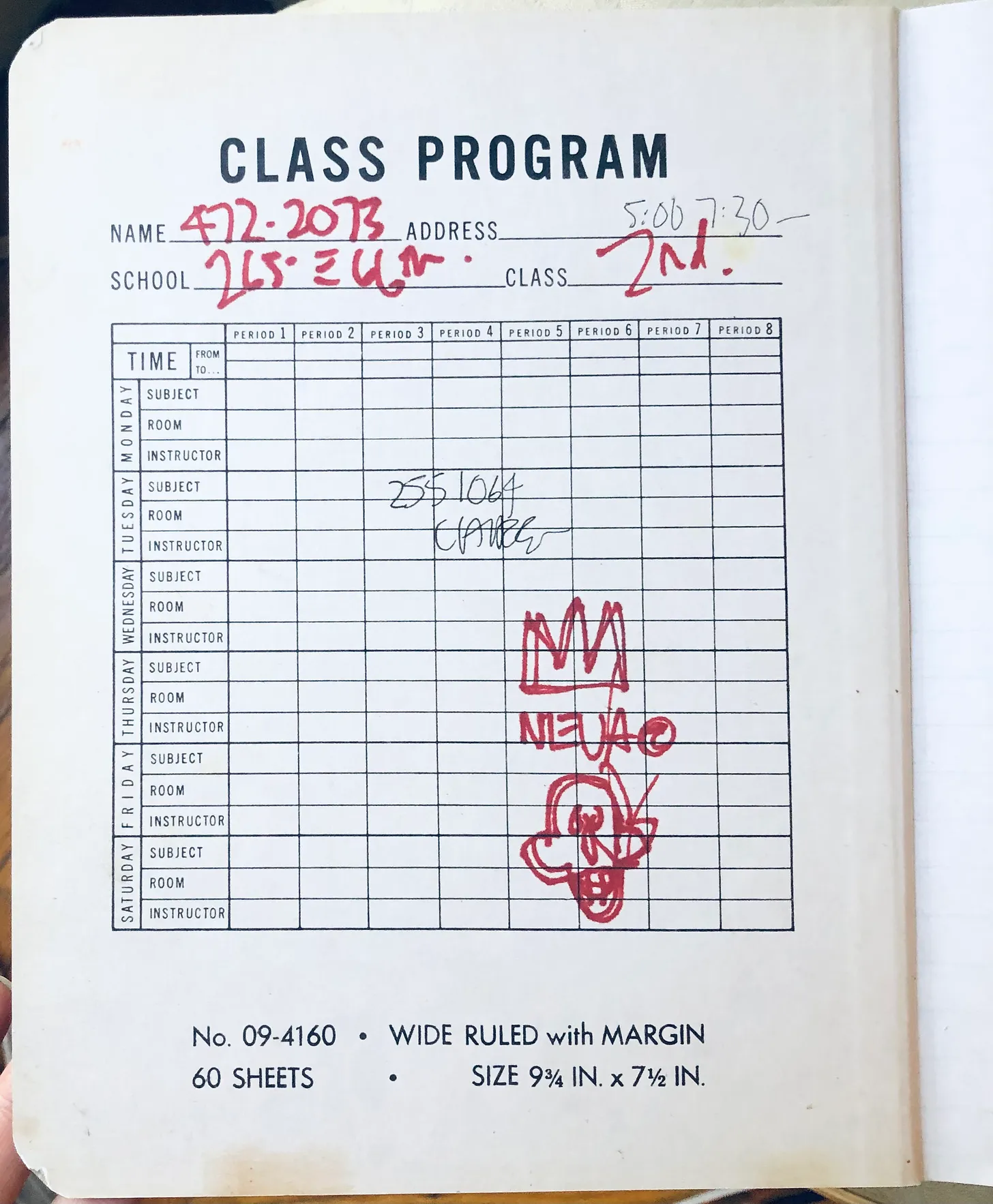
For instance, things like this story on Angelina Jolie taking over Basquiat’s former NYC studio  that  lead me to a good post on Jean Michel Basquiat’s notebooks which is JAM PACKED with good stuff on him.

Or this thing in Martha Stewart on how 80s decor home trends are back that led me to this piece on one woman’s home  full of Memphis design (so 80s!)

Same with tech. I went from this excellent interview on Robert Longo where he talks about many things such as the remaking of  Johnny Mnemonic into black and white, That led to me reading how modern software is bringing back the timex datalink, a device I loved, to this great video of this guy living with 1980s tech for a week! Awesome.

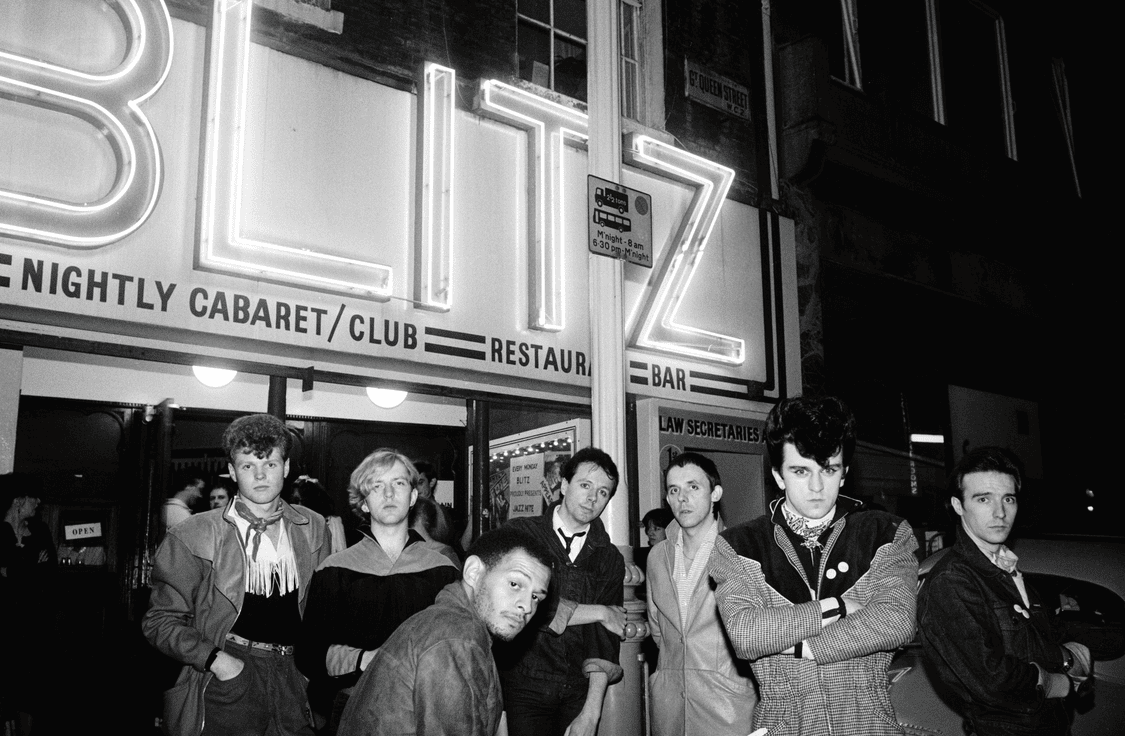
Other great threads that came out of my 80s unravelling was this piece on how Sinead O’connor changed Ireland, these fantastic photos of  Blitz Club in London by Andrew Holligan, and this interview of the singular Debbie Harry who says sex is what makes everything happen and more. This blog by Jamie Bradburn on Toronto in 1980s is a whole rabbit hole in and of itself.

The number of times the 80s appears in my feed is less and less. So whenever I find a bunch of them, I will of course be writing about them. 🙂

(Top image from the story on Memphis; bottom image from the substack on Basquiat’s notes)


Revisiting Toronto’s Festival of Festivals (what TIFF was before it became the thing it is now)

There was much discussion about the Talking Heads being at TIFF this year for the reissue of their great concert film, Stop Making Sense. What people might not know was that it was also at TIFF in 1984, back when the Toronto International Film Festival was known as the Festival of Festivals.

TIFF has changed a lot since then. Back then the Festival was smaller, centred in a different location (Yorkville) and played films in midtown theatres like the Varsity, Uptown, Backstage and the Cumberland. (Also the Bloor for the awesome Midnight Madness series.) It was casual and fun.

I think I went to my first Festival film — my Beautiful Launderette with a bright new actor named Daniel Day Lewis —  in 1985.  In a few years I was hooked, going from one film to many films like these from 1987 listed here. It was easy in the 80s: you got tickets (or a pass), lined up for your next film, and hopefully you got in! (Holding seats for a person, never mind many people, was frowned upon.) For a surprising number of films this was easy to do, and people would even show up and buy a ticket at the last minute. Some days you would be heading to a certain film and you would run into a friend going to a different film and you would go with them instead. Or you’d get up in the morning to watch a film in a small theatre at the Cumberland and four films later you end up going to bed after seeing a late night screening at one of the gigantic spaces in the Uptown.  A great time was had by all.

Perhaps too great. More and more people started going and it got harder to wander around and see great films. As it grew, the Festival of Festivals dropped that name, left Yorkville, and became the behemoth it is today.

I still think it’s a great thing, and I am glad it is big and bold. But back then it was small and intimate. I loved that, and I miss how it was.

P.S. More on Talking Heads with Spike Lee at TIFF in 2023 in Vulture and the New York Times. Spike Lee started at the Festival too. I remember him being in town to promote his first film, She’s Gotta Have It. Like Talking Heads, he was fresh and new and like them he changed our culture with his work and life.

Transition time in media, or at least Disney, but likely more


Sometimes there are rumblings that lead to nothing, but these recently rumblings seem to be adding up to something.

So when Disney mumbles about cutting back on Marvel and Star Wars content, it’s worth noting. Especially so when the head of Disney, Bob Iger reiterates it. Now maybe the problems are just Disney’s. After all, Netflix’s earnings looked healthy. Maybe it’s just the quality of those films, as the Marvel actors seem to be saying. I’m not sure. But it seems like a transition period is beginning to happen in Hollywood, however boffo a hit Barbie and Oppenheimer are. Certainly the writers feel that way, as do the actors.

It will be interesting to follow up on this in a year from now.

The wonderful historicalness of “You’ve Got Mail”, 25 years on

“You’ve Got Mail” is many things. A romantic comedy, of course. A tragedy, as this piece argues… possibly. Of the many things I could list about it, what I loved most about it when I watched it was it’s historicalness.

For starters, the gentrification of New York is one of the historical things that pops out in the film. If New York now is a place of wealth and insane living costs, and New York of the 70s and 80s was a place of poverty and decrepitude, then the New York of the 90s was undergoing a time of economic transition between those two times. You see that in the arrival of bougie things like Starbucks and big bad book store chains like Fox / Barnes and Noble. The city just seems on the rise in the film. It is poor no more. New money is leading the development of real estate that is forcing a transition in the city.

The film also shows the start of the next big thing coming to force a transition: online communication. You’ve Got Mail illustrates how people back then are already dealing with how computers are starting to affect how we live and communicate. It will take some time past the 90s for books and magazines and newspapers to be impacted as we all take to the Internet in the 21st century, but the seeds are already sprouting up as we watch Kathleen and Joe get to know each other via their Apple Macbooks and IBM Thinkpads and the end of the 20th century. (And naturally she owns the former and he the latter). And the beloved typewriters in the film are dodo-birds of a mechanical sort.

It’s funny to think the film was once criticized by the Washington Post for product placement. After all, this month an entire film, Barbie, is launched and co-produced by Mattel.  It may have been jarring then, but it barely registered to me watching the products placed in this movie from 25 years ago. If anything, it seems quaint compared to todays films.

Culturally the film drips with historicalness, from the clothes they wear (Ryan’s layered sweaters, Hanks’s dark shirts and ties), to the technology they use (AOL!, that MacBook), to the actors themselves (Hanks being a love interest, Chappelle trying to be mainstream). It all seems so long ago. It was 25 years ago, so I guess it was.

There’s lots to enjoy in You’ve Got Mail. One thing for sure: it’s a time capsule, and it’s quite good just to enjoy it for that.

P.S. You can read more on the film: You’ve Got Mail in Wikipedia. If you’re curious, here’s a piece on the You’ve Got Mail film locations. Many, like Zabars and Barney Greengrass, still exist.

The Wham! documentary is surprising and good and watch it you should

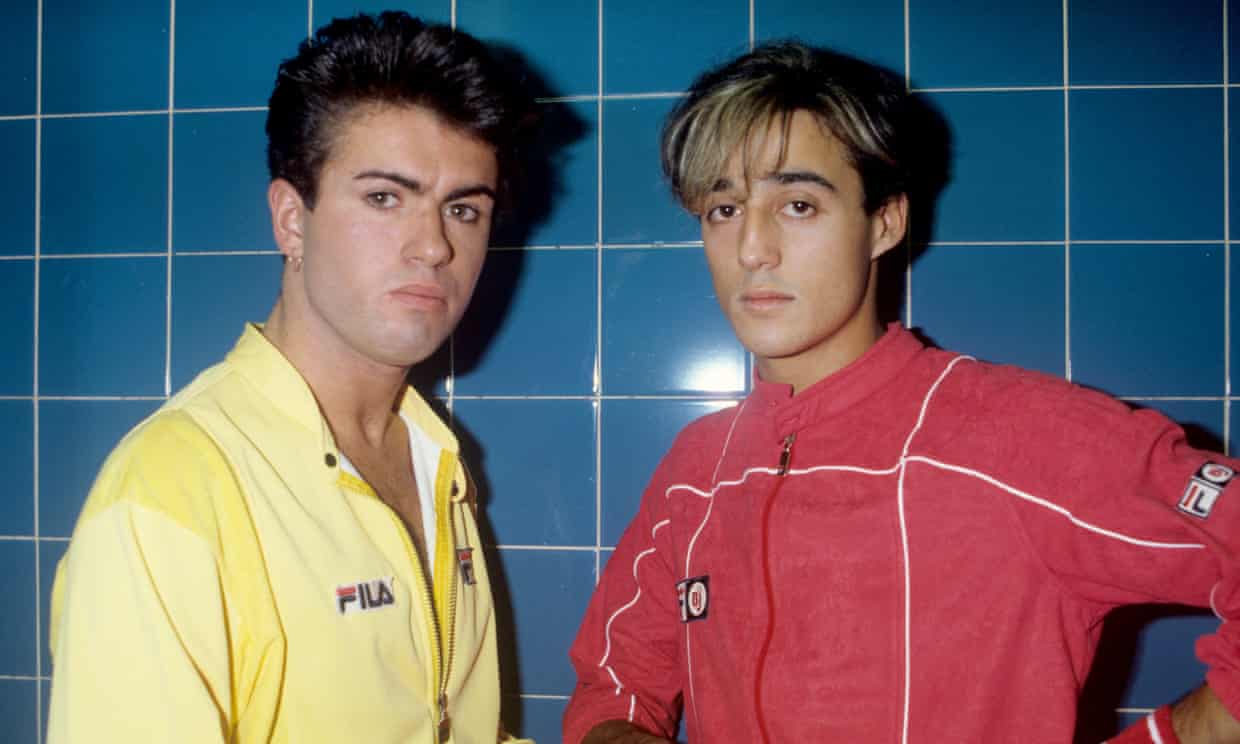
Like Austin Kleon, I found the Wham! documentary a “delight”. He adds (and it’s true) that it is “tight, light, well-edited, and stylistically coherent”. It’s also 90 minutes, and on Netflix. If want to watch something good to watch this week, make it that.

There’s no spoilers here but I must say I found the documentary surprising in several ways. Surprised at how different the men were than I thought they were. Surprised they achieved fame well before fortune. Surprised how lots of things I thought about their career and their music were very different than I imagined.

The documentary also cleared up one of the biggest mysteries I had about the band, which was what was the point of Andrew Ridgeley in Wham. I just thought he was some weird side performer that managed to get stuck to George Michael. After watching this, I can see there would be no George Michael without Andrew Ridgeley. The evolution of Michael from shy guy to major star would not have been possible without Ridgeley and Wham.

There’s been a number of good reviews of the documentary. This take at the New York Times I found interesting, especially this comment: “born during Motown’s ascent in the early 1960s and, in adolescence, bonded to each other as disco was handing the party baton to new wave and rap. They synthesized it all (plus a little Barry Manilow and Freddie Mercury, and some Billy Joel) into a genre whose only other alchemists, really, were Hall and Oates.” Once that thought is stuck in your brain, you can clearly hear all the influences Wham! bleeding into their music.

Besides that, this piece from the San Francisco Chronicle really understands the two men. This review at rogerebert.com was the one I most agreed with. Here’s something from the Guardian for those who like that sort of thing.

I’m glad Ridgeley is having a moment. He seems like he deserves it. More from him, here.

All that said, go watch it. You’ll be glad you did.

Hula hoops, or if you don’t understand NPC streaming or Pinkydoll, maybe you’re not supposed to

There was a fair amount of hubbub last week about the woman above who is known as Pinkydoll. Most of what it came down to is: what is going on??

Well if you are curious, I’ve found these three pieces useful in getting a better understanding of the phenomena: this is from the Washington Post, this is from Vice and this is from knowyourmeme.

As for me, I find it interesting because it combines a number of new media and ideas, from TikTok to gaming to monetization of audiences. The fact that they all roll in together makes it especially bewildering to people not familiar with those things. But like I said, if you don’t get it, maybe you aren’t supposed to. I’m familiar with that feeling, but I feel like many younger than me are not, and it was that cohort that was complaining about this last week.

Culture arises from new ingredients. These Internet things are as much our culture now as new books and new films. Get used to it. Hula hoops arise in all forms.

Is this the start of the decline of opera in New York?

I have always been envious of New Yorkers and their Metropolitan Opera House. Toronto’s Canadian Opera Company is planning to perform 7 operas next season (and that’s good). Meanwhile the Met in 2022-23 performed 22. With that many performances going throughout the year you could sometimes feast on four different operas in a weekend! And it’s not just quantity: the greatest performers in the world are appearing in those shows. I cannot be alone in my envy and admiration of it all and imagining it to be never ending era.

So I was somewhat shocked to read that we may be at the end of that era, according to this piece in The New York Times:

Ticket sales have been robust for some new productions, even of contemporary works. But revivals, less obviously newsworthy and less widely promoted, are no longer sure things — especially slightly off-the-beaten-path stuff like Mozart’s “Idomeneo” or Verdi’s “Don Carlo.”

And I was disturbed to read this:

In an attempt to make ends meet, the Met has raided its endowment and plans to put on 10 percent fewer performances next season, which will feature just 18 staged operas (six of them written in the past 30 years). The days of being America’s grand repertory company, of 20-plus titles a year, could be slowly entering the rearview mirror.

Besides less new stuff, it sounds like some of the old stuff is being put out to pasture:

So it was fitting that, last month, the Met said farewell to one of the shows that typified the era that’s ending: its “Aida” from the 1980s. The production was typical Met: hardly cheap but sturdy and flexible, into which you could toss singers with relatively little rehearsal. The company’s model has depended on a core of stagings of the standards like this — ones which could be mounted, and sell well, year after year. If there’s less of a year-after-year opera audience, though, the only solution may be to do less.

All signs point to the beginning of a decline of opera at the Met. Now perhaps this is a just a temporary decline brought on by the pandemic and our change of behaviors. But I fear it is not.

If you are in New York (or anywhere), make plans to go to an opera. Even if you know nothing about it, an evening at the Met is always magical.

(Photo Credit: Marty Sohl/Metropolitan Opera)

On the Bloor Cinema and the other rep theatres listed in Festival magazine

Some one on Twitter posted some pages from Festival Magazine from the 80s, and looking at them, I was filled with so many memories. Among them I recall how I would go to the nearby Bloor Cinema and grab a copy from the newspaper box. I’d head over to Dooneys or some other coffee shop or maybe just head home to Brunswick Avenue and plan out my movie viewing for the next few weeks.

While I sometimes went to the other rep cinemas like the Revue or the Kingsway, I mainly went to the Bloor. This page below captures what the programming was like for it at the time.

There was often a special festival or a run of films like the new Chinese films shown above. Then there were films that had just finished running through the new theatres like Cineplex’s and were now getting a second chance to be seen. And then there were fan favorites, like Stop Making Sense. (If Stop Making Sense or a Blade Runner was in, I was there.) Most of all what I loved about the Bloor was this eclectic mix of programming.

The Revue’s programming was more straightforward. It pretty much showed films that had just finished their run in main theatres. Did I still like going there? For sure. (Except the time in winter when the theatre was showing a film without any heat!)

I loved looking at those pages. I loved seeing all the great films that came out in the 80s listed again. I really loved seeing the ad for The Other Cafe! (I went there often too.) It’s all so good.

Seeing movies was different back then. You might eventually see them on TV, but if you missed a good film when it was first out, you still had a chance of seeing it in the rep theatres. Not to mention classics and fan favorites. It was a good time at the cinema, for sure.

How to study Yeats “The Lake Isle of Innisfree” and other good things you missed in high school

If you want to study that poem and think about poetry in general, I recommend you check this out. It really breaks down the poem, almost like you’re getting a lecture on it.

I recommend that whole site. There’s lot of study guides on things you may have studied in high school, or may not have. It’s never too late to read Yeats, or Shakespeare, or Eliot. If anything, it is better to study it later in life.

The odd third season of Ted Lasso, and other thoughts on TV, June 2023


I loved the series, Ted Lasso, and I was sad to see it end. The last season, it’s third, was a bit of a head scratcher though.

The first season was the one people really loved. But I felt that Jason Sudeikis wanted to make the Ted character more than the 3D Ned Flanders we saw in that season. That explained what happened with Ted in season 2 and to some degree in season 3. However I think people became frustrated with that: they wanted the Ted of season 1, even though the character became less of that as time went on.

Indeed in season 3 I just saw Ted fade away. He was barely in the last of the show. All the other character become the focal point and many of them had their own series within the series.

Of course this made sense in the end. Ted Lasso the series became like Ted Lasso the character. Just like the character, who believed the coach took a backseat to the players and the fans, the show became more about the other actors and less about Ted.

Will there be a season 4? I’m not sure. Like the character, Sudeikis doesn’t seem to have his heart in it. Maybe there could be a new season about the football club AFC Richmond. They certainly set it up that way. Let’s see.

For more on Ted Lasso, here’s a good write up in the Atlantic.
Here’s an absolutely cranky write up in The Guardian about how Ted Lasso, the nice comedy, became utterly dreadful television. As Ted might say, “Ouch”.

“Succession” also ended its series. So many people loved it and I can see why: it sounds really well done. As for me, I can’t watch shows featuring despicable characters. Succession was filled with them. Here two pieces, one in the Washington Post and one in the New York Times that align with my view of the show. But hey, to each their own.

Besides Ted Lasso, the other show the ended this month was “Somebody, Somewhere”. Unlike Ted, it has been renewed for a third season. Yay! Here is a piece on how it is the warmest comedy on TV. More praise for the show from the New Yorker. I can’t wait to see what the show does next.


Why the Quebecois version of the Simpsons is so great

Apparently, there are two French versions of the Simpsons: one for France, and one for Quebec. This is great for two reasons, I think, as this piece explains: The French version of the Simpsons is oddly fascinating | indy100 | indy100:

  1. “When faced with an episode that used the French language itself as a narrative tool, the Canadian team were again able to fall back on the differences between French and French Canadian.” (Bart in Paris shows this brilliantly.)
  2. “In the Quebec dub, the Simpsons family speaks with a thick working-class dialect of Montreal French called joual. They also do something the France dub doesn’t do: they regionalize the scripts, subbing in Quebecois politicians or places for the more US-centric references.” You can see this in the famous bit with Principal Skinner and Steamed Hams bit:

Brilliant/brillant!

An odd piece on SNL from GQ


This is an odd piece in GQ: The New Cast Reshaping SNL’s Next Decade . It states: “After a slew of exits, Saturday Night Live is reloading—with a squad of young comics that could form the nucleus of the show for years to come.”

It’s odd because yes, there have been a slew of exits, and yes there are new comics, but if you have been watching it recently, the comics dominating it now seem to be people like Heidi Gardner and Bowen Yang, and of course, the great Keenan Thompson. To see what I mean, check out this recap of a recent episode with Travis Kelce starring. Or watch tonight. They aren’t the new people, and they aren’t the older comics leaving.

The new comics are no doubt good, and they likely appealed more to the GQ readership than the people I named. Plus everyone wants to talk about what’s new. But I can see the current veterans being around and in the forefront when it comes to SNL celebrating half a century in 2 years from now.

A little perspective, please, GQ. 🙂

P.S. As an aside, I’ve been a fan of both GQ and SNL since the 70s. Good to see them both still around and being current.

On Shrinking, and some thoughts on my limited return to TV

For the last 30 years or so I have not watched TV shows. I’ve watched movies at home and other things like news and sports, but nothing like the Sopranos or Breaking Bad or Family Guy or…well, you name it. (I wrote about it here.)

Lately I have been watching television again. A lot of that has to do with having someone great to watch it with, as well as someone who knows what I might like. Having more time at home during the pandemic also helped.

I started off by watching Ted Lasso, which I thought was superb. Then The Crown (loved the first two seasons mainly). Followed up by Slow Horses (also great). I began to think: hey, I might love TV again.

But then I watched Loot, and while I think Maya Rudolph is a genius, I could not watch much of that. Same with Hacks, even though, again, Jean Smith is amazing. Which brings me to Shrinking.

Like Loot and Hacks, I first started to really like it. But then I just started to feel fatigue from the strained writing. (Hey writers, writing nonstop about sex makes me think you’re a bunch of frat boys.) I also remembered the problem with situation comedy (situational dramedy?) and the need to create situations just to keep the story going. I see that often in Shrinking. (Frat boys: I know, let’s get the main character to sleep with his coworker! Hijinx will ensue!)

Like Loot and Hacks, having someone great (in this case, Harrison Ford) is a good draw and he makes me want to watch it. But like those two, there’s not much more that makes me want to watch it. (I mainly don’t care what happens to the other characters, which is different than Ted Lasso or Slow Horses, where I am invested in many of the characters). It’s pleasant enough, and occasionally funny enough. And kudos to them for getting a season two: clearly people like it.

It’s been fun watching TV, mainly because I have someone great to watch it with. (Thanks, Lisa!) But if I didn’t have that, I’d go back to my old ways. TV is different in some ways (e.g. no Apple TV in the 90s) but in a lot of ways, it’s hardly changed at all.

A reminder of how great WiReD magazine was, and how often wrong it was….

A reminder of how great WiReD magazine was — and how often it was wrong — can be found in this fine piece by Dave Karpf: A WIRED compendium.
I bought the first copy of WiReD when it came out, and was a buyer and collector for some time. It was everything I loved in a magazine: smart and stylish and full of ideas.

WiReD was a perfect title for it too. The publication was about how the world was becoming interconnected through the rapid build out of the Internet, but it was also about how our brains were changing as a result of it. It covered both of those areas well.

Dave’s piece also covers some of my favorite things it got wrong, from the promise of PUSH technology (companies HATED Pointcast for flooding their networks and soon worked to shut that it down) to digitally encoded smell (right?? yeah, no) to a cover on how Second Life was the future (hey, I thought that too).

WiReD got plenty right, too. But more than right or wrong, it captured the zeitgeist of the 90s and early 2000s and generally provided insights into how information technology was affecting us.

If you have only read the magazine recently, you might not get what the fuss was all about regarding it. Check out that summary from Dave Karpf: you will get a history lesson and hopefully a glimpse of WiReD and why it was so great.

(For more on it, I also recommend Wikipedia)


Big hair, don’t care: more good links on the best decade, the 1980s


The 80s come back in vogue from time to time, such as when current works like Stranger Things delve into it.  Mostly the decade is seen historically. That’s fine. It was a good decade, at least for me, and I love to think and write on it. One of the great things about having your own blog is you can write what you want about whatever you want. 🙂 So here’s more things on that era that I found worth reading lately…

Much of the music of the early 80s started at the end of the 70s.  Take the music of bands like Talking Heads. Or the Ramones. Speaking of them, here’s some great bootleg footage of the Ramones in concert before the person filming it got caught!

As for other artists of that time, here’s a good piece on Blondie.  Like  punk and new wave, another trend of the time was Blitz.  This piece covers the Blitz era and all the music that was associated with it. Moving from the English music scene to Canada, here’s something on Rebecca Jenkins, an artist and musician who was involved with so many other performers I loved at the time, from Jane Siberry, to Holly Cole, to the incomparable Mary Margaret O’Hara.

Another incomparable artist from the time is Richard Grant. I will never forget him for his great turn in the film “Withnail and I” back in the 80s. Nowadays he has suffered a great loss but still keeps going and is inspirational on twitter and elsewhere. This is a good piece to catch up on him: Richard E Grant on grief fame and life without a filter.

Finally, gone but not forgotten, here’s a fine piece on Ruth Polsky Who Shaped New York’s Music Scene in that era. Recommended.

(Image from the piece on Blitz)

Wordle is fun again. Here’s why that is for me….

Like many of you, I started playing Wordle during the pandemic. It was fun for a long time, then it wasn’t.

I’m not sure what got me playing again, but I think the Wordlebot had something to do with it. Every time I play now, I consult the little bot to see how it did and what it recommends in terms of words. As a result, I have become better at the game. Some of the go to words I use frequently now because of what I’ve learned from Wordlebot are:

  • Crane
  • Slate
  • Sloth
  • Unhip
  • Guilt
  • Croup
  • Alter
  • Chirp
  • Crony
  • Corny

the other day I played CRANE and first and then went with SLOTH and got it in two. If only I had made SLOTH my starting word! Oh well. It’s fun for me again, and that’s what counts.

Also I play it quickly these days. Before I could spent easily 30 minutes on it: now I try and be done in 5.

For more on it, see this good piece: Wordle and the starting word. Adieu!

On the 50th Anniversary of M*A*S*H and rewatching some of it


The famed TV show recently had a milestone: it first broadcast 50 years ago, September 1972. If you had watched M*A*S*H, and even if you haven’t, I recommend this piece by James Poniewozik, in which he presents a chronology of the show and how it evolved over the years. It brought back good memories.

Among other things, he recalls one of my favorite episodes, Point of View, particularly for this one scene. He writes:

“Point of View” is shot from the vantage of a wounded soldier whose throat injury renders him mute. In a repeated format, a reporter visits the 4077th for the new medium of television. The unit’s chaplain, Father Francis Mulcahy (William Christopher), described seeing surgeons cut into patients in the winter cold. “Steam rises from the body,” he says. “And the doctor will warm himself over the open wound. Could anyone look on that and not feel changed?”

The episode was filmed in black and white, and there is a scene showing steam rising from the patient. It was stunning.

Recently I watched another one of my favorite episodes of M*A*S*H on one of the streaming services. The writing was still good, but the format of the show displayed its age.  This could just be me though: I think you really have to dive into old TV shows to adjust to the format to enjoy it. Certainly the quality is there.

One thing I would add: it is a show made in 1970s. There may be things about that era that makes you uncomfortable, like the sexism, or whole idea of Klinger dressing up as a woman to get out of the Army. These are products of that time. In its defense, the show became less sexist over time, and Klinger shelves the whole “I am a crossdresser therefore I am unfit” bit. But it was still a show reflecting that era.

The other thing to dwell on is that it existed in a golden age of TV. Just like movies and print, it was able to achieve numbers that no TV show can achieve now in the era of the Internet and streaming. We didn’t know that then: it was simply one of the best shows of its time and we all naturally watched it. (It’s funny to think of how back then we made the time to watch a show because if you didn’t, that was it, you missed it. You might, if you were lucky, see it in the summer when network TV would show the “repeats”.)

While M*A*S*H had so much going for it, what made the series one of the greats was its actors. It achieved a rare thing in that it lost three of the leads over time but never suffered as a result of this. The people that left were great, and the people that replaced them were also great. One person that was there from start to finish was Alan Alda. Here’s a 50th anniversary interview of him in the Times.

P.S. 1972 was a good year for film too. The 70s was filled with excess and schmaltz, but it was at its best on period pieces, like The Godfather, Cabaret, and M*A*S*H.

On the good and bad aspects of Dark Brandon

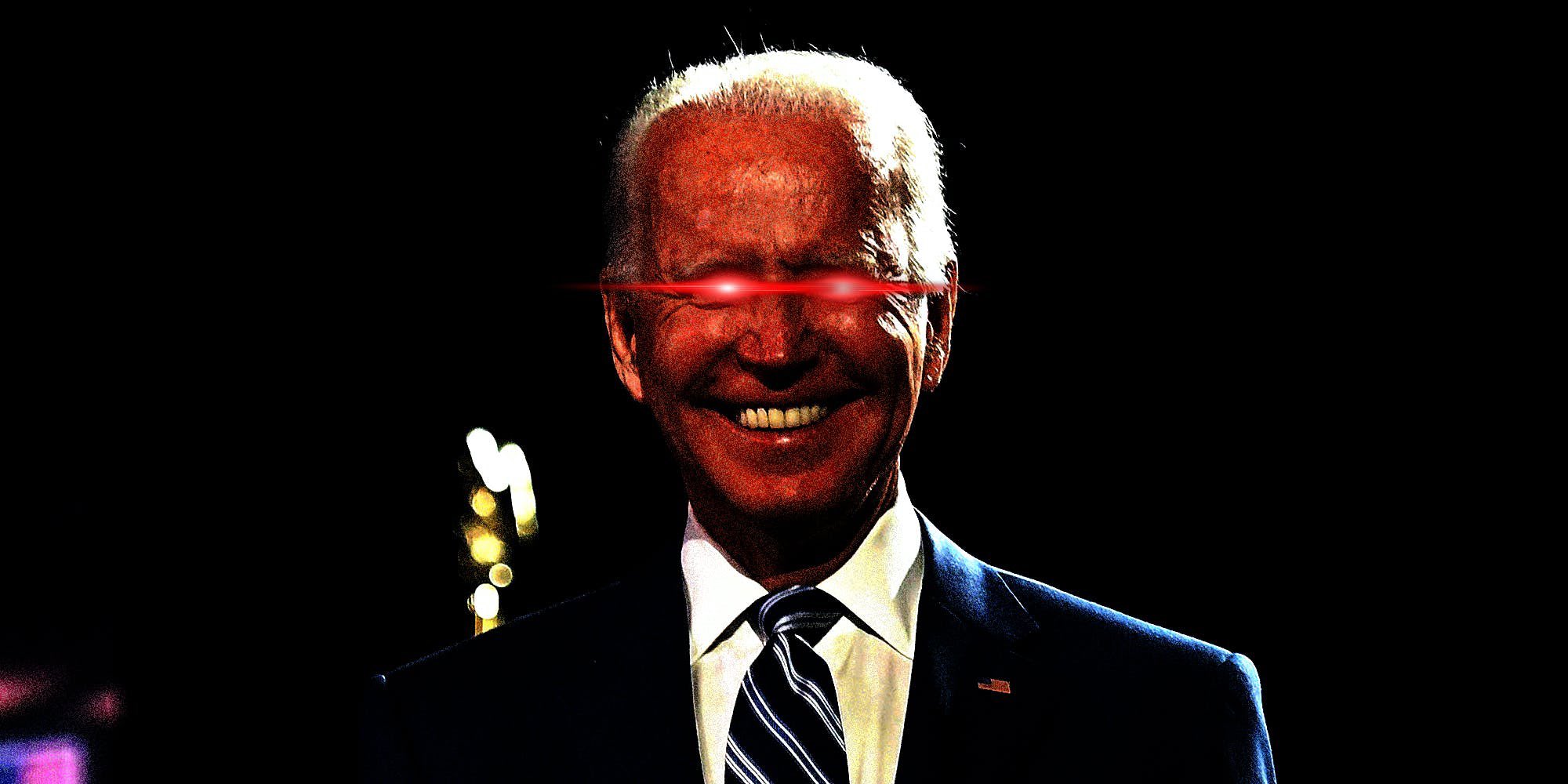
There have been lots of pieces explaining Dark Brandon. (Too many!) If you want to read what I thought was the best one, I think it was this: Dark Brandon, explained – by Matthew Yglesias.

As for my two cents….part of me likes the Dark Brandon meme. It a political jiu-jitsu move, taking the use of memes and shitposting that comes from trolls, the alt-right, and basic straight up Nazis, and using it effectively against them. That part I am good with.

But I think the warning that comes from this piece is worth considering:

… experts warn there are risks to embracing this type of political iconography. “You don’t want to take a trend that is precipitated by fascists and Nazis and then sort that into your arsenal. That’s just not great,” says extremist researcher Daniel Grober, who co-authored with Hampton Stall a definitive report on the Dark MAGA trend in far-right online networks. “What it does is it normalises the aesthetic, and it gives kind of a platform for it to be solidified into the general media.”

I agree with that. Essentially the use of memes like Dark Brandon risks getting into the mud with the worst of the Internet and wrestling with them. As G.B. Shaw(?) once warned:

“Never wrestle with pigs. You both get dirty and the pig likes it.”

As an example of this, one of the Democrats grabbed a Dark Brandon meme that contained some Dark Knight/Batman imagery and tweeted it, only to have to pull it when someone pointed out the Nazi Eagle in the background.  See? The mud gets on you even as you fling it.

The Marvel Juggernaut

It’s hard to believe that Marvel Studios were once far from a sure thing. (I wrote recently about that, here.) Now that they are a part of Disney, they are a Juggernaut, with rollout plans going on well into the future, as you can see, here: Marvel outlines Phase 6 with Fantastic Four and two new Avengers movies – The Verge.

In some ways the journey is not unlike Apple’s. Apple is such a dominating player now, but back in the 90s it was hanging on by a thread.

It’s possible that both companies could falter, but I suspect we will be getting our fill of Apple Devices and Marvel Entertainment for the rest of this decade. I’ll be curious to visit this post in 5 or 6 years and see if this prediction held.

On Obi-Wan Kenobi

I have been a fan of Obi-Wan Kenobi since the first Star Wars, and I’ve been a fan of Ewan McGregor’s acting since his first film. So I was generally pleased with the  Obi-Wan Kenobi series on Disney+. If you’re the same way, I highly recommend you watch it.

Like The Mandalorian, I enjoyed having the chance to see more of the Star Wars universe with characters I’ve come to know and love over time. I thought the acting and directing and visuals all good. My main complaint is that both series played it safe. There is no compelling arch and the tension is low. I compare that to two TV series I’ve recently loved: Slow Horses and The Bear. They had me hanging on the edge of my seat. Not so with these Star Wars series. They are good, but they could be so much better.

The folks who made the video in this post sums up my thoughts better than I can! Also this is a good review.

Would I watch another season of Obi-Wan? For sure! And more from the characters that make up the original trilogy. Let’s hope Disney can put them in the hands of great — as opposed to good — writers.


Was the Long Tail a Lie? Ted Gioia’s thoughts and mine

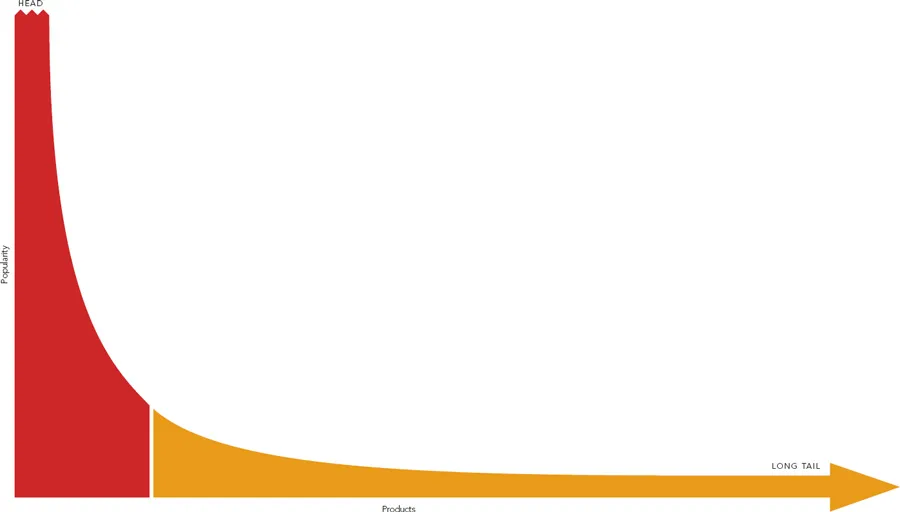
I can’t say if it was a lie. Maybe it was a fairytale. Something too good to be true but something many of us including me wanted to believe in. Whatever your thoughts,  I recommend you read this strong critique on it: Where Did the Long Tail Go? by Ted Gioia. If you are a true believer, Gioia will get you rethinking it.

As for me, I think part of the problem is that online services nudge or even push us to the short tail. There are advantages to them when it comes to selling us more of the short part of the curve in red. We need services and aggregators to get our attention to spiral outwards and look at things we never considered before. Spotify still does that to an extent when it builds me playlists.

Another part of the problem is the willingness of people to get out of their comfort zone and explore the long tail. Again, Spotify will recommend music lists to me, but I often find myself sticking with the tried and true. Services need to better encourage people to try new things or make it easier to try new things.  Give people options, but in a smart way. I know it can be done. I hope it will be done.


The great Starbucks retreat

For most of the pandemic, food/bev businesses worked hard to hang on and last through this period. Not Starbucks. They did the opposite. As soon as they could, it seems they shut down their locations. Locations that had barely been open a few years were shuttered. Even this location above, on Eglinton Avenue just east of Yonge in Toronto closed up despite a steady flow of customers even during the pandemic. 

Apparently at the start of the pandemic their goal was to close 400 stores over 18 months.  I would not be surprised if more than that closed. 

I wonder what the fallout for all this will be? One thing for sure, the idea of getting Starbucks as a tenant will likely lose its lustre when they do come back and want to expand. Then again, given that people are reluctant to go back to the office, that expansion could take some time.

On Marvel Movies, and how Robert Downey Jr made almost half a billion dollars from them


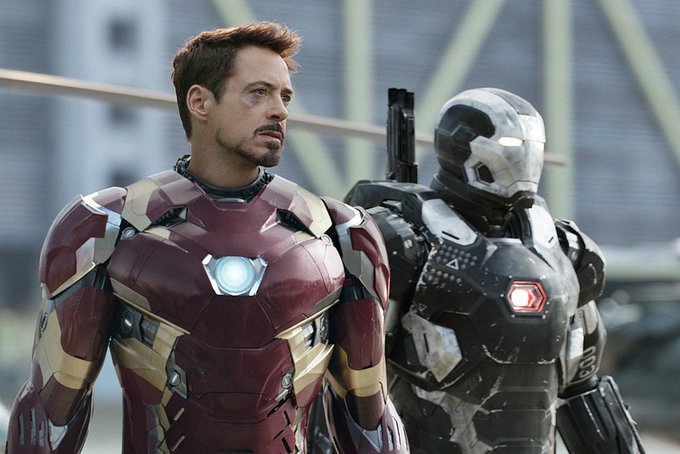
Here me out. You might think this story about how Robert Downey Jr. made $450m as Iron Man would be boring.It’s not. It was a fascinating journey for both Downey and Marvel over the last 14 years. In 2008 when the first Iron Man came out, both the actor and the company were down on their luck. However bad luck turned into good, and both parties went on their way to become incredibly successful.

Disney bet big on Marvel, and Robert Downey Jr bet big on himself, and the bets paid off big. After all his years struggling with addiction, it was good to see.

It was not without some twists along the way, so read the piece to see how it went down. Or I should say, went up.

P.S. Also a good intro to how the movie biz works and how actors get paid.

(Image linked to the article)


Changes on SNL, new and old

I’ve been wondering when this would happen, but finally some of the bigger names from SNL are departing next year, including Kate McKinnon, Aidy Bryant and Kyle Pete Davidson, according to Deadline. I’ve been surprised both by how stable SNL has been over the last decade and how big the cast has grown. It started off with less than 10, now it’s over 20.

Having a big cast makes sense in some ways. It means there is a deep bench of talent ready and eager to step up. It also helps SNL deal with the lack of diversity problem they had all too recently.

I’ve been watching more SNL recently, ironically because of Twitter. I say ironically because social media used to freak Lorne and company out. Now they feed the whole show via twitter on the weekend. I get to skip the ads, and I get to watch the best bits. It’s ideal for me. My rule of thumb is if Kenan Thompson is in a sketch, it’s probably funny. That’s likely why he is sticking around.

That piece above got me to this piece: ‘Saturday Night Live’: Actors Who’ve Hosted The Show The Most – Photos – Deadline. Several things to note there. In the early years, it was often people associated with the show, like Chevy Chase (although that is also true with Tina Fey in the later years). Later it was big actors who were just really good at being funny. For awhile Steve Martin and Alec Baldwin were tied in appearances (there was even a bit where to win, Martin knocks out Baldwin, wraps him in a rug and throws him out the window!) Baldwin eventually ran away with it, not just for hosting, but by being a regular with his Trump appearances. (It probably helps too he lives in Manhattan.)

I have a sentimental weakness for SNL. It’s been on 47 seasons and I’ve been watching off and on since S1. I’m looking forward to it reaching S50 and beyond. Who knows will show up for that season. Tune in.

Coffee tourism: why coffee lovers should visit Toronto (and Torontonians should go to College St.)


For many years I’ve actually visited places partially because of my love of coffee. Really! I went to Vienna where the coffee was amazing and Costa Rica where it was less so*. I am sure there are many people like me who make good coffee a reason to visit a place.

If you are one of those coffee lovers, I recommend you visit Toronto. Just one street alone, College Street, has a wealth of diverse coffee shops to make you happy.

To see what I mean, read this: Toronto’s College Street is a destination for global coffee | The Star. Not only are there many great coffee shops, but they serve a wide range of coffees, from Italian to Vietnamese.

I live here, but I might act like a visitor and do a College Coffee Run soon. Meanwhile I will satisfy my need for great coffee at De Mello near me. (Coffee lovers, go there too.)

* Costa Rica fans, take note. Costa Rica exports amazingly good coffee in my opinion. I just couldn’t seem to find it there. Fortunately there was so much beauty everywhere, I didn’t mind too much.

On TV, the 90s and me


I stopped watching TV in the 90s.  The last three TV series I watched were Northern Exposure (1990-1995), Seinfeld (1989-1998) and Friends (1994-2004).

I thought of that when I recently started rewatching Friends clips weirdly via Instagram. It is full of them. This Vanity Fair piece hits on something that Seinfeld and Friends and to some degree Northern Exposure had in common:

It was the ’90s; oh, was it ever the ’90s. The show’s anxieties are inextricably tied to the that decade—answering machines, VCRs, the discomfort its straight characters feel upon encountering queer people.

Yep, all that. The discomfort (or whatever you want to call it) in Friends is particularly painful to watch.

You notice other things too. No smart phones (obviously). No internet. Also suits and ties. Chandler and Ross in the early episodes are often in business attire of the time and it seems as dated as tuxedos and top hats now.

In the end, I gave up on each of those shows for different reasons. Northern Exposure lost its bearing and became some sort of Alaskan fantasy land. Friends seemed to become a landing place for cameos of famous actors. As for Seinfeld, I have to agree with the Vanity Fair piece, who said:

… for more than a few episodes at a time, these people and their concerns—so self-absorbed, so entitled, so stupid—are a little deadening to watch.

Seinfeld’s leads are a tiresome quartet; in the show, everyone who meets them ends up deeply regretting it.

I skipped the golden age of TV with the Wire and the Sopranos and all that. None of it appealed to me. I’m trying to get back into watching things via streaming, but even that is a struggle. I don’t think I am superior for not watching it. I just find it is something I can’t watch on my own.

For now I’ll watch clips via Instagram and maybe that is enough TV for me. 🙂

Forget NFTs: sneakers are a better example of when culture and IT conflict

And the New York Times is on it: Can Shopify Stop Sneaker Bots? – The New York Times.

I find that story fascinating on many levels. It starts with the culture of sneakerheads. Then it shows what happens when you mix IT in. Suddenly there is a massive distortion effect that occurs. Combine that with voracious capitalism and a fun hobby morphs into something….well less than pretty.

So much of our current society is captured in that piece. Well worth taking a moment to read and digest.

P.S. I got caught up in that for a moment a few years ago when my son suddenly wanted this particular brand of Jordans. I remember him showing them to me by a guy who was selling them online, and I had to study sneakers to see if they were legitimate or knock offs before handing over hundreds of dollars to some guy who had some weird handle of a name.

Thankfully my son lost interest in becoming a sneakerhead. I couldn’t afford it anyway!

(Photo by Paul Volkmer on Unsplash )


It’s an autumn weekend: a good time to watch a long movie


While short movies are fun, sometimes one wants to settle in and watch a good long movie. The problem with that, though, is many of them draggggggggg. No one wants that. We want to settle, not fidget. We need help.

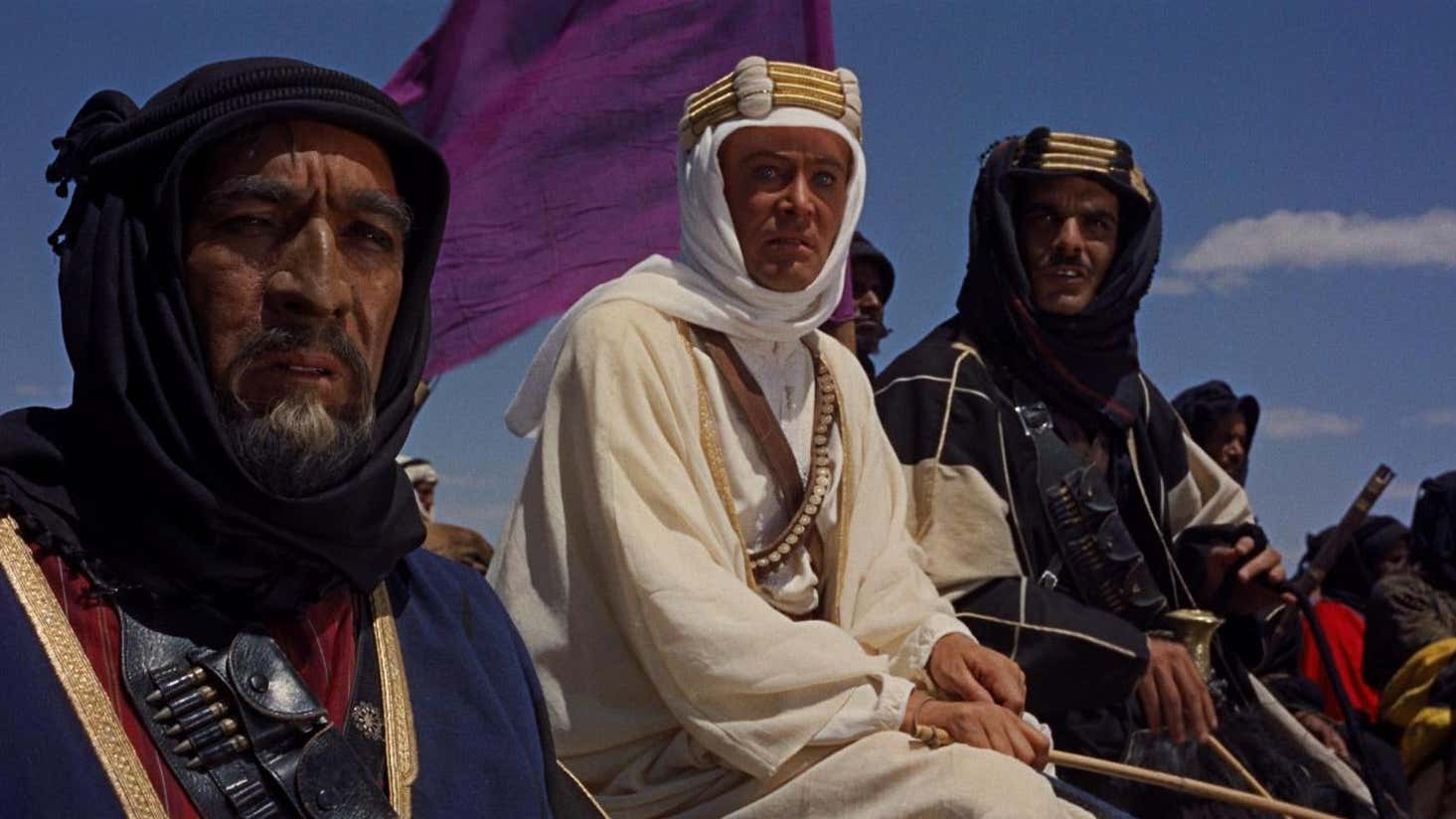
Help is here in the form of this: 20 of the Best Long Movies That Are Actually Worth Their Runtime. “Lawrence of Arabia” is an obvious choice, but there are many others on the list that are great too, such as “Hamlet” and “Malcolm X”. Check out the list, then block of some time this weekend or next and get some quality screen time in. Snacks are optional, but recommended. 🙂


On restaurants loved and lost: Florent (and Odeon)

Here are a number of pieces on two great downtown Manhattan restaurants: Florent and Odeon. Florent has been closed for a number of years. But Odeon lives on, happily. What I love about both restaurants is how the embodied that era and how they both set a stage. You can see that in the pieces below about them. Florent in particular was a radical place that was like no other, right down to their menus and promotional material (like the one above). When they both opened the lower part of Manhattan had nothing like them. There was no gentrification down there like there is now. They were an oasis of good food, good design, and good times. To really get a sense of that, read Restaurant Florent Takes Its Final Bows – The New York Times. For more on the design ideas around Florent, see: Restaurant Florent | Restaurant Design in New York, NY — Memo Productions A short history of the space Florent occupied is written about here: What remains of a Gansevoort Street restaurant | Ephemeral New York Lastly, here is it’s Wikipedia write-up: Florent (restaurant). It’s a good source of other links on the place. Before I forget, this is a fun piece on The Odeon: A Retro Haven That Defined New York 1980s Nightlife | Vanity Fair. Also worth reading. Now go and eat at The Odeon.  

Consolations from the classics: Seneca and Suetonius

First up, Seneca. Here’s a good piece that summarizes some of the consolation letters he wrote to people close to him. Though they were written centuries ago, they are timeless and worth reading.

Second, Suetonius. Here’s a good piece on why you want to read him:  The Consolations of History. Essentially,  good histories like those of Suetonius give you  perspective that help you deal with your own time. Sometimes they do that by showing you things are fundamentally the same. Other times they do that by showing how much things have changed since that time. Either way you come away with a deeper understanding of your own time even as you learn about another time.

During the pandemic I have been noticing this frequently. People are looking back at the pandemic of 1918-19 and trying to draw lessons from it. That’s a good thing, I think. We can all gain perspective by looking to the past, which is never really past.