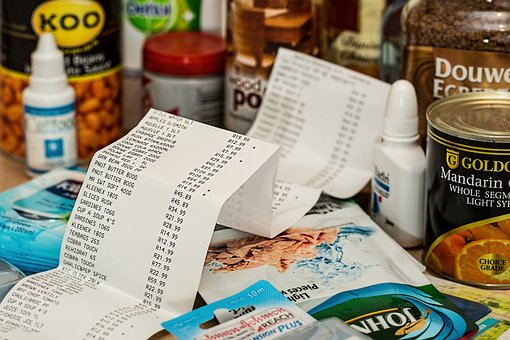
Last year I did the math and found that I could save around $1500/year if I switched my grocery shopping from Metro / Loblaws to Walmart. I wrote about it here.
This year I have switched from Walmart to Food Basics for some things. So what changed?
First, Walmart’s prices have been rising over the last year, at least in Instacart. The same groceries bought at Walmart in 2022 add up to over $1000 more in 2023. I started noticing the items I have bought went up by 10% or more. Week after week those increases accumulate into that $1000.
Second, Food Basics prices either dropped or were much lower than Walmart’s to begin with and I didn’t notice last year. In almost every category now their prices are lower: beverages, condiments, dairy, snacks, pasta, frozen food, and meat. Only in the deli and produce section can I get better deals at Walmart. It’s close, but not that different.
Third, I think Walmart has changed their pricing policy in Instacart. They now say their prices are higher than in-store prices. Food Basics prices are generally the same as in-store regular retail prices. I think Walmart was that way before.
Walmart has also changed their approach to Instacart in other ways. For many months they have not had any products featured in the Deals section of Instacart. Now they do. Food Basics also has deals.
Because of how Walmart has changed, my shopping via Instacart has changed. Before I would automatically buy my groceries from them. Now I make a list and comparison shop between them and Food Basics. Most of the time Food Basics wins and I buy the bulk of my groceries from them. I still get my deli and produce from Walmart and some specific products Food Basics does not have. And if Walmart has a good deal on something, I will also buy that from them.
At some point I should go back and compare Loblaws, No Frills, Metro, Food Basics and Walmart to see what has changed, because the grocery business is dynamic and competitive. Who knows: in a year, No Frills could be the leader when it comes to good prices.
For now I am mostly happy shopping at Food Basics and Walmart. In both places the prices are good, and the quality is high. The things I used to buy from Metro at high instore prices in my neighborhood in 2022 are less expensive when I get them via Food Basics on Instacart in 2023, so that’s good. too.
P.S. Here’s my spreadsheet on Google Sheets. You can review my numbers and see if they add up. This is my experience with this. YMMV.
P.S.S. I had to revisit my spreadsheet. At first I had Food Basic saving me $1500 over a year vs Walmart. It’s actually somewhere around $171. Not nothing, but not that much.
Here’s a collection of food links centered on fish, French (food) and fun. I have either made or eaten many of the dishes associated with these recipe links. All are highly recommended.
As for other seafood, one of my favorite is shrimp and one of my go to recipes is shrimp in a tomato sauce with feta and orzo. Here are four different versions of it — one, two,three and four — and they are all good.
Overall it’s a good guide, but some of the restaurants they recommend are not necessarily the best of the city. While I don’t recommend you read the comments section, one person had good advice: “Go to FIG, go to 167 Raw, The Ordinary, Maison, Melfi, The Grocery, Doar Brothers for a cocktail, Sorelle, Verns, Edmunds Oast, Lewis BBQ, Rodneys BBQ….there are probably 30-40 restaurants in this town I would go to instead of Fleet. Sullivans has beautiful beaches and OD is good for brunch. But just good. Also, go see Folly Beach. Funky and boho. The Gaillard is our large concert hall but also look to see who’s playing at Music Hall or Music Farm. Go out to some of the Breweries on Upper Morrison and Spruill. ” Well said. I’d add Chubbyfish (if you can get in), and Santis. Butcher & Bee used to be good: now it’s gone. If you want some cool stuff to take home, head over to J. Stark: their bags are fantastic, and their store is beautiful.
Charleston is a great city, and I’m glad the Times is featuring it. But if you are looking for places to eat, either talk to a local or check out Eater for the Carolinas. You’ll be glad you did.
There was much discussion about the Talking Heads being at TIFF this year for the reissue of their great concert film, Stop Making Sense. What people might not know was that it was also at TIFF in 1984, back when the Toronto International Film Festival was known as the Festival of Festivals.
TIFF has changed a lot since then. Back then the Festival was smaller, centred in a different location (Yorkville) and played films in midtown theatres like the Varsity, Uptown, Backstage and the Cumberland. (Also the Bloor for the awesome Midnight Madness series.) It was casual and fun.
I think I went to my first Festival film — my Beautiful Launderette with a bright new actor named Daniel Day Lewis — in 1985. In a few years I was hooked, going from one film to many films like these from 1987 listed here. It was easy in the 80s: you got tickets (or a pass), lined up for your next film, and hopefully you got in! (Holding seats for a person, never mind many people, was frowned upon.) For a surprising number of films this was easy to do, and people would even show up and buy a ticket at the last minute. Some days you would be heading to a certain film and you would run into a friend going to a different film and you would go with them instead. Or you’d get up in the morning to watch a film in a small theatre at the Cumberland and four films later you end up going to bed after seeing a late night screening at one of the gigantic spaces in the Uptown. A great time was had by all.
Perhaps too great. More and more people started going and it got harder to wander around and see great films. As it grew, the Festival of Festivals dropped that name, left Yorkville, and became the behemoth it is today.
I still think it’s a great thing, and I am glad it is big and bold. But back then it was small and intimate. I loved that, and I miss how it was.
P.S. More on Talking Heads with Spike Lee at TIFF in 2023 in Vulture and the New York Times. Spike Lee started at the Festival too. I remember him being in town to promote his first film, She’s Gotta Have It. Like Talking Heads, he was fresh and new and like them he changed our culture with his work and life.
Somewhere in between June 1st, 1983 when the album Speaking in Tongues was released and December, 1983 when “Stop Making Sense” was filmed, Talking Heads and their extended band went on David Letterman to perform two of their songs: “Burning Down the House” and “I Zimbra”.
If you are a fan of the film, you’ll enjoy these two performances. Already you can see echoes of what will you will see in the show. Indeed, other than Dolette McDonald being replaced by Edna Holt, everyone on stage at Letterman appears in the film.
That was televised in the beginning of July, one month after the record was released. Already the band is pretty tight. They had months of shows to do before Jonathan Demme started filming. No wonder the performances in the film were superb.
As for “I Zimbra”, if you think you hadn’t seen it in the original concert film, you’d be correct. The band did perform it, and it was intended to be in the film, but it was taken out. Good news, it is included in the recent rerelease of the film (which I wrote about, here).
“Stop Making Sense” is making a comeback this September, 40 years after it’s initial release. There’s an expanded audio album out today, and a new version of the film premiered at TIFF this Monday.
To some it may seem like a comeback, but for many like me, it never left. This film has meant so much to me in my life: it’s like a good friend I met in college who stayed close to me four decades later. I can watch it any time, anywhere, and I often have since it first came out. Unlike me, it’s timeless, even four decades later.
One thing he seems to bypass that makes the film great is the fact that it was directed by Jonathan Demme. Demme was coming into his own when he filmed it, not unlike Martin Scorsese was when he made “The Last Waltz” with the Band. His talent is what transforms a great show into a great film. Later Demme went on to make other concert films of Neil Young and Justin Timberlake, but neither of those had the impact that “Stop Making Sense” did. You need a groundbreaking show for that.
And it was groundbreaking. Before the cameras start, David Byrne already had a vision of what it would be like. He had been gathering ideas from other artists like Robert Wilson (whose lighting designer, Beverly Emmons, he used) and Twyla Tharp (worked with her on The Catherine Wheel), not to mention Japanese Kabuki theatre (where he got the idea for the Big Suit). He had a vision of how everyone should look on stage (dressed in drab grays). He had a storyboard for each song performed. And while he didn’t have a choreographer, he had a ton of talented performers who brought their own moves to the performance. All that, combined with the narrative of the film, makes it compelling to watch.
Pareles believes the narrative is…”of a freaked-out loner who eventually finds joy in community. The concert starts with Byrne singing “Psycho Killer” alone, to a drum-machine track, with a sociopathic stare. By the end of the show, he’s surrounded by singing, dancing, smiling musicians and singers, carried by one groove after another.” And that is partially the narrative. But it’s also a narrative of the band itself, a story of a small stiff group of “slightly angsty white” art school students that grew into a large ensemble capable of fluidly and energetically incorporating punk, funk, new age, world, R&B…you name it…onto one stage for 90 minutes of eclectic dance music. It’s smart, it’s gotta beat, and you can dance to it.
If you think of “Stop Making Sense” as a documentary or an art piece, you’ll be missing out on the fun. And fun it is. It’s been playing off and on at the Bloor Cinema / Hot Doc cinema on Bloor near Bathurst in Toronto since the time it came out, and everytime people go they treat it as more like a concert than a film. If you ever have the chance to see the it in that theatre, grab a ticket and an adult beverage and you’ll see what I mean.
I think the film is best described by the second song in the film, “Heaven”. Just like in song, the band in this film plays your favorite song. Everyone is there. When the film is over, everyone leaves, only to return to the next showing of it. It plays again, exactly the same. It will not be any different. Byrne wrote, “It’s hard to imagine that nothing at all, could be so exciting, could be so much fun”. And yet it is. The film is heaven to me.
It is interesting to see the wheels of Justice turning in America. For a time they did not seem to turn at all. As Josh Marshall illustrates in this piece on January 6th, for some time there was a perception that right wing militant groups could act out the way they wanted to and no one could stop them. That changed on January 6th, as groups like the Oath Keepers and the Proud Boys are discovering. No doubt these groups may continue to exist in some form, despite their head being cut off. But it is something to see these groups finally being brought to justice after some time of being able to engage in riots and more with impunity.
After crushing some of the right wing militia, the wheel of Justice seems to be bearing down on members of Donald Trump’s inner circle, from Ron Navarro to Rudy Giuliani. Trump himself is under so many investigations that the New York Times had to build a special tracker so people can keep up with them all.
(If you thought this would change his behavior, you would be wrong. He continues to be a fountain of lies: the only difference now is how the news media covers him, as you can see here. He also continues to stiff people, as this story on Rudy Giuliani’s legal finance woes show.)
The wheels of Justice don’t just go right, they go left too, as the protestors of “Cop City” in Atlanta are about to discover via this indictment. Is it a bad use of RICO? Possibly. No doubt Trump and people would say the same thing. Regardless, it will be interesting to see if the Georgian prosecutors can make the cases, left or right.
If you are like me, you create some form of todo list to structure your work day. But do you also have a checklist?
The first thing I put on my to do list every day is: do my checklist. By doing that, I make sure I don’t forget to do the key things that need to be done every day. This is especially important when I am overwhelmed with new things. Those few minutes of doing my checklist keeps things on track and prevents work from getting even worse.
The checklist also keeps me grounded. If I am not sure what to do next, I do my checklist. At least I know that is under control and I did the basics.
As for what to put on your checklist, I recommend you put the most important things on top. It often very basic things, like:
Review your email and list things to do
Review Slack/teams/etc. to see if you have to respond to people
etc.
Mostly the actions are: check on X and plan to take action or update Y.
Don’t forget to put down things that aren’t necessary work things but things that make you more productive. So add things like drink water or take a 5 minute walk or check in on a loved one can help you be at your best every day. Heck if you find yourself missing lunch too often, then add take a lunch break.
So yes, having a todo list is important. But so is a checklist. Get one started. Mine is in an Excel spreadsheet, but use what works best for you.
For more on the importance of checklists, read these things I’ve written on them:
It’s hard to find any good news when it comes to climate change. First off, we have extreme weather conditions. That’s bad enough, but it also leads to additional problems, like wildfires. How bad is the problem with wildfires in Canada as temperatures climb? Very bad. To be specific, Canada wildfires have burned over 10 mn hectares this year. And it’s not just the loss of forests or the poisonous air people have to breathe. There is also the tragedy of lost homes and lives.
Climate change damage is not limited to Canada, obviously. It’s so bad in parts of the U.S. that insurers are pulling out of California. Something similar is happening in Florida. I suspect the list of states will not stop there.
Not everything resulting from climate change is bad, though. California’s weather catastrophe has flipped and become something of a miracle, as “gushing waterfalls, swollen lakes and snow-covered mountaintops (have) transformed the state’s arid landscapes”. You can read about it here.
So far that’s a good news story for that state. But the extremes of climate change might eventually overwhelm their infrastructure. Look at Texas, for example. Climate change is wreaking havoc on the Texas power grid transmission lines.
In searching for other good news, I see that the world is finally spending more on solar than oil production. Also, the New York Times reports that scientists at Purdue have created a white paint that, when applied, can reduce the surface temperature on a roof and cool the building beneath it. Every bit helps. Maybe even the new electric Cadillac Escalade iq vehicle is at least a sign of the shift we need to be making, if anything else.
Finally, here’s two more pieces on climate change I thought were worth reading:
Maybe cleaning up the Great Pacific Garbage Patch isn’t a good idea and is causing more harm than good. VOX explains.
Ops links: I’ve been consulting with clients on operations work, among other things, so here’s pieces on AIOps, DevOps and more that I thought were good:
I liked the Italian piece because it conformed to my belief that food culture is much more fluid and vaguely defined than some like to state. And that doesn’t just go for Italian food.
As for handed down recipes, ask yourself: how unique can that cake recipe or that cookie recipe be? Sure there are some rare ones, and maybe your gramma’s famous dessert is one of those. Or maybe you just have a sentimental attachment to something she copied from the back of a box. And that’s ok. 😊
We are tied to two things when it comes to our phone: the carrier and the device maker. Device makers don’t allow you to easily have two or three phones and transfer the SIM from one to the other. And carriers don’t support have multiple devices with the same SIM.
Sure, you can have phones just using wireless to get and send information. That’s something. But it would be great if you could have multiple devices using the same connection to get and send data. Some day, perhaps.
While mindfulness exercises can bring many benefits, benefits you might want, not everyone is cut out to do them. Even people who like them sometimes struggle with mindfulness exercises.
The good news is that other activities can bring similar benefits. This piece argues you should try cooking if you want the benefits of mindfulness. Now some people hate cooking, but read that piece and see if cooking could help you with the sort of thing mindfulness does.
Besides cooking, some people find cleaning helps them clear their brain. I used to find doing woodwork would do it for me. Maybe exercise is the thing that could replace mindfulness for you. Or yoga. Or bowling. Who knows? It all depends on the individual.
If mindfulness activity is working for you, that’s great. If not, don’t despair. There’s many ways to achieve the same benefits. Find the one best for you.
Hold up, you say! It’s not the end of the year! The year still has four more months!
Sure, fine, if you go by the Gregorian calendar. But if you go by the beginning of the (Canadian) school year, as I do, then the new year starts the day after Labour Day, which is the upcoming Monday. A new year is about to begin. The summer is winding down, and the cooler Fall temps are already sliding into our evenings here in Toronto. As someone who loves September and hates August, I am excited for all the new month and the new year brings.
What about the pandemic? While the pandemic is still dormant, COVID-19 the disease is seeing a resurgence. The Toronto Star has a story on the new COVID variance, BA.2.86 here as does the CBC. For American coverage, the New York Times has more on it here and here. Will this new variant mean we are heading back to lockdown days? I highly highly doubt it. But I would not be surprised to see people in hospitals and other areas at risk wear masks again. Let’s check back in a month.
Should I mention social media, crypto, politics or climate change? Perhaps the next newsletter. Those things will be here with us then, still.
Culturally, Beyonce, Barbie and Taylor Swift continue to reap the whirlwind, adding 11.5 billion dollars to the U.S. economy in the last quarter. Good news! Also good news for Swift fans in Canada: she is going to be coming for a six night stay in Toronto. It should be especially good for Toronto, which could use the windfall her tour brings to places.
Well, that’s it for the newsletter! Short, but sweet. No doubt as we head into the new year / Fall, new developments will pick up and there will be more material on my weird newsletter. Meanwhile enjoy the remaining summer days while you can. And enjoy the gentle Autumn days coming your way too. After June, September is my favorite month. I’ll be enjoy mine: I hope you’ll be enjoying yours too.
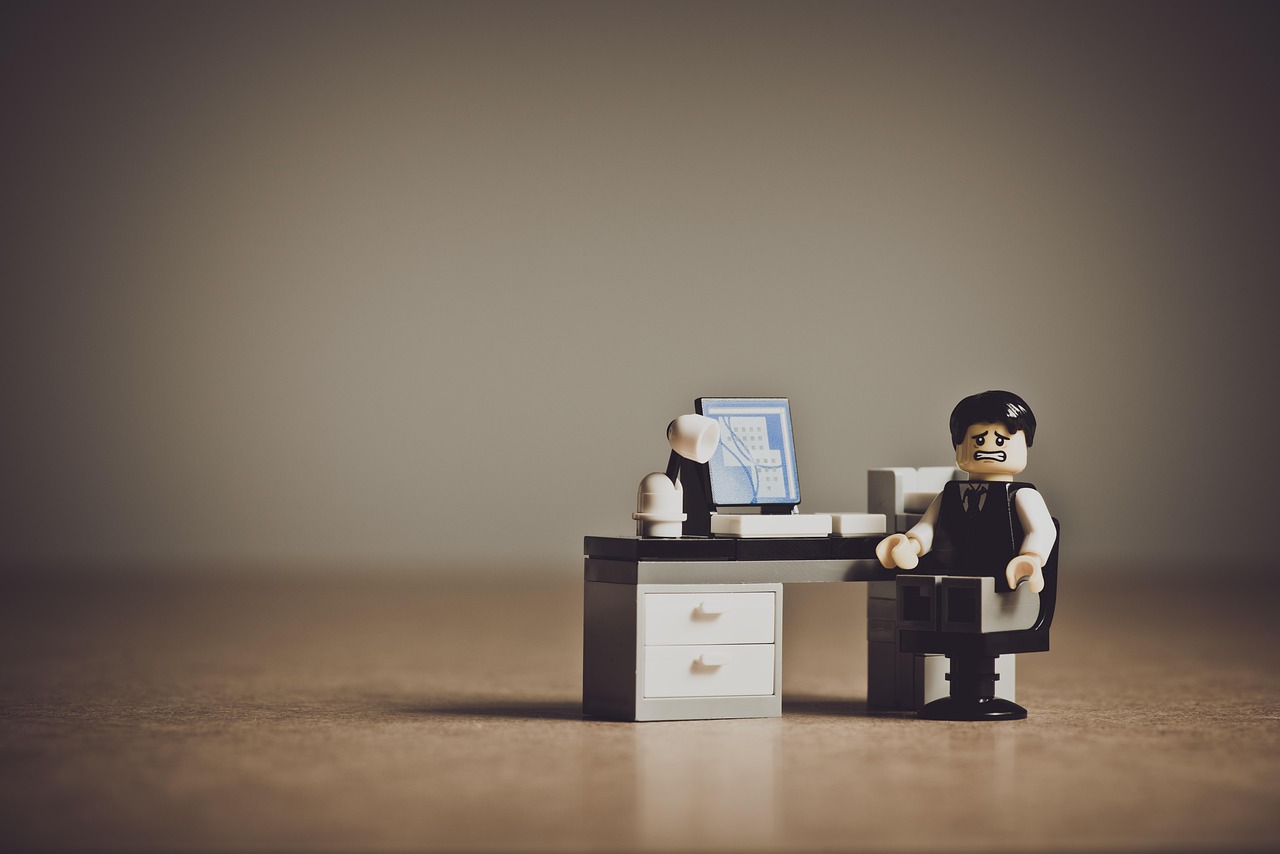
Zoom — yes, that Zoom — was in the news lately due to their mandate forcing people to work in the office. Here’s just one of many pieces on it. Buried at the bottom of that piece was this:
Zoom (ZM) has had its own difficulties as demand wanes following a pandemic-fueled surge. In February, Zoom (ZM) cut approximately 15% of its staff, amounting to about 1,300 employees, after growing too quickly. Members of the executive leadership team also reduced their base salaries by 20% for the coming fiscal year and forfeited their fiscal year 2023 bonuses.
Relatedly, a union drive is underway at Grindr. So what does Grindr management do? Try to force employees back into the office too. See here for details.
Look, management can have many reasons for having people come back to the office. While those reasons are often portrayed as positive, they might not be. Want to shed employees because business is bad but don’t want to have to lay them off? Then force them to come into the office like Zoom. For some it will be impractical or undesirable and they will leave. Voila: workplace reduction achieved. Want to make it difficult for employees to organize a union? Make them come to work where you can monitor them closely. None of these things are about employees being more productive, etc….they are about using the office as a weapon to manage your business woes.
I suspect these WFH (work from home) battles will be ongoing for a few more years, until leases come up for renewal. I could be wrong, but once that happens, I suspect more and more companies will eliminate costly office real estate from their assets and working from home (or temp offices) will become the norm. That’s going to occur over the next few years though, not immediately.
Regardless of where you are working, here’s some tips on balancing work and life I recommend you read. And if you do have to go to the office, read this good piece on how leaving the office at five is not a moral failing,
To close off, here’s three pieces on badness at work:
Bad Tools: workplace monitoring tools are bad. If you have to deal with them, here’s something that can help.
I often wondered whatever happened to wines based on the Marechal Foch varietal in Ontario. In the 1980s it was quite common to find winemakers selling it. As wikipedia describes it:
Marechal Foch can withstand freezing temperatures, below 32° F (0° C), for extended periods of time. Several amateur growers told me that they thought Marechal Foch could grow in Alaska, which might be an exaggeration, but the point was made. The variety was planted extensively in France during the latter part of the 1800s right through the latter part of the twentieth century, until the French government mandated that hybrid, non-noble varieties be removed.
Yep, it was a pretty hardy grape capable of growing in a lot of different places, and if you were taking a chance with a vineyard in a cold place like Canada, going with that made sense. But then something changed. Here’s Tony Aspler: The Wine Guy with some history:
For all its success with Maréchal Foch, Inniskillin has none planted in its own vineyards. When Ziraldo, a nurseryman turned winery owner, first planted the 30 acres of what is now the Seeger Vineyard, he put in Riesling, Gamay and Chardonnay, defying the accepted wisdom that vinifera could not survive Niagara’s climate. Advice from a vineyardist who had recently returned from Russia (and how they) kept the plants alive: bury them for the winter…. According to Dave Gamble, who publishes BC Wine Trails, a magazine devoted to the wines of the region, “In the Okanagan there is no longer any real need for either variety with the milder climate regimen of the past ten years. Those who make it do so because there is a specific customer demand for it… In all cases Foch has been treated like a vinifera, especially in the vineyard. They are a pain to grow because of their vigour and erratic shoot growth and it takes some effort to maintain a proper open canopy during the growing season.” ….At Henry of Pelham in the Niagara Peninsula, winemaker Ron Giesbrecht has established a cult following for his Baco Noir. He likes working with it because it “makes a consistent and reliable red of good weight and concentration.” Giesbrecht harvests his Baco a week later than the industry norm, but even so it comes into the presses well before Pinot Noir and Cabernet Sauvignon.
in that quote are three things that led to the decline of Marechal Foch in my opinion: 1) winemakers learned to successfully grow more popular varietals like Riesling, Gamay and Chardonnay 2) Marechal Foch is a pain to grow 3) Baco Noir has won over wineries and is the preferred varietal to Marechal Foch.
Typically, it produces a deep, dark, robust purple-coloured red wine that has strong acidity and mild tannins.
While I am sure some customers appreciate that acidity and even mild tannins, it’s not for everyone.
That doesn’t mean it’s bad by any means. Indeed, I’ve had some of the 2020 Old Vines Foch by Malivoire Wine Company and it was superb. But I get now why winemakers in Ontario have all but replaced it with other varietals. Nowadays you can easily find Ontario Cabernet Sauvignon and Pinot Noir and Baco Noir and some really good Gamay: Marechal Foch…not so much.
If you want to taste what it’s all about, I recommend that wine from a Malivoire. It’s like drinking history. Delicious history.
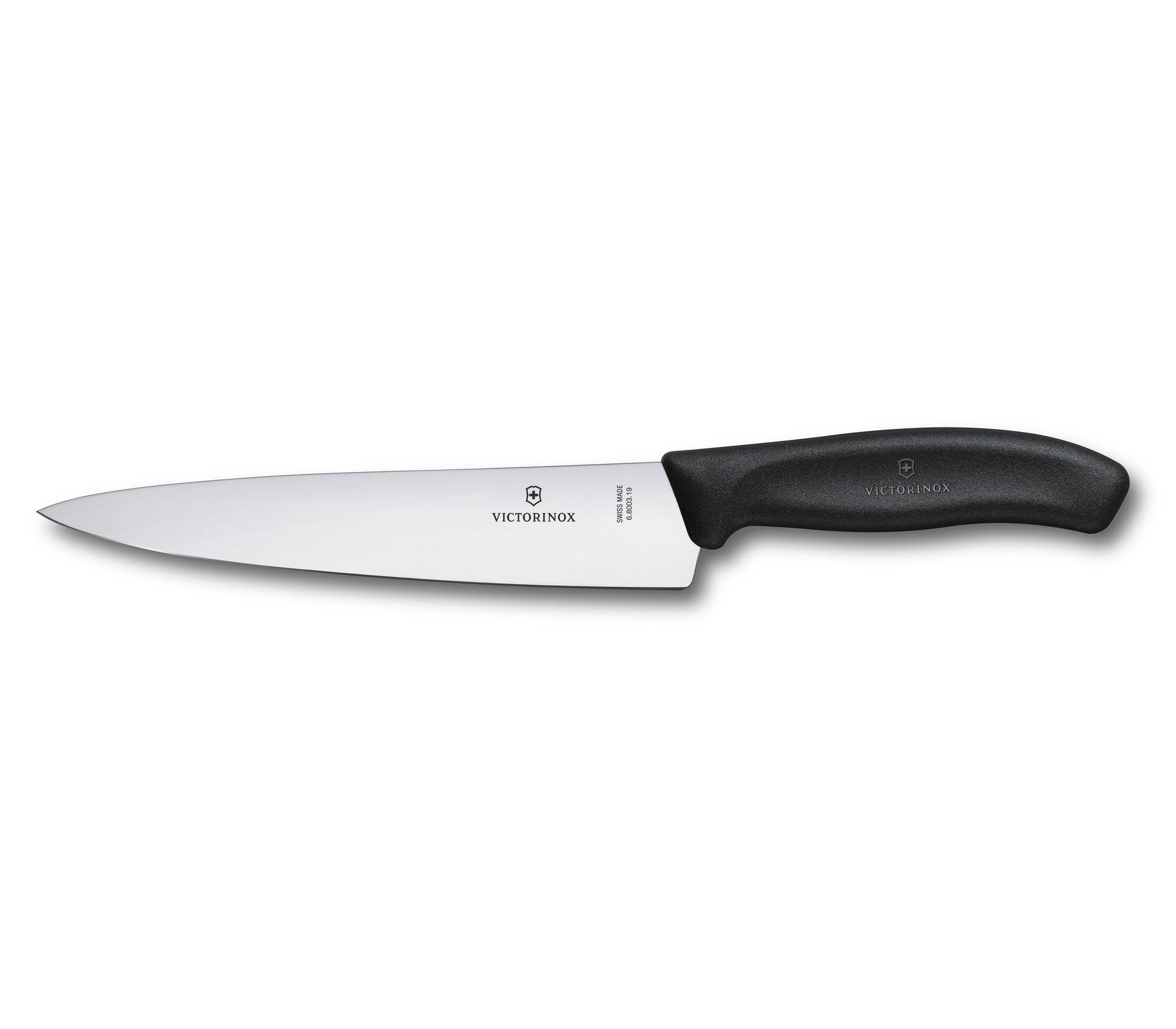
If you have to buy a chef’s knife, then head on over to the Wirecutter and check out their list of the 4 Best Chef’s Knives of 2023. Here’s their recommendations:
Mac Mighty MTH-80 – The best chef’s knife
Tojiro DP F-808 – An affordable Japanese knife
Wüsthof Classic Ikon 8-Inch Cook’s Knife – A classic German knife
Victorinox Fibrox Pro 8-Inch Chef’s Knife – Sharp and affordable
If you have to buy only one and money is an issue, then go with the Victorinox. It’s not just the Wirecutter: I’ve seen a number of places that recommend it as the best budget knife, like The Food Network.
It’s easy if you have the money to stock up on kitchen knives. They all have different feels, different steel, and of course different blades. But if your options are limited, go with the Victorinox.
As someone who believes in self help, I have been caught off guard with the cost of self help apps. You can see a listing of some of them at this site, Product Hunt, where they have a list of the 15 best gratitude apps for positive thinking in 2023 and which they go on to describe:
We all need time out to focus on our wellbeing. Gratitude apps are designed to help users focus on their mental health, offering a wealth of features that can help track our thoughts and feelings.
While many of these act like self-care apps in that they offer a private space in which to reflect through journaling or mood check-in features, they can also act like a photobook of memories allowing media to be uploaded or even shared to our nearest and dearest.
Not to mention, some utilize community features so you can access global support, or even just talk to a mental health professional. I tested 11 gratitude apps that focus on all these areas to discover the very best.
While this is all very well, and while many of the apps are free to download and get started, once you get going they could cost you $20, $30, $50 or over $100 a year to continue to use. If you get value from them, it may be worth it. Just be aware of how much they could cost you over months or even years.
Over at LifeHacker they recommend how to stay motivated at work by using an accomplishment journal. It might sound fancy, but a journal is simply a place for writing down what you accomplish in your work day. The accomplishments don’t have to be major ones: some days just getting a handle on your inbox or dealing with a difficult meeting can be an worth journaling.
Accomplishment journals are not new. Athletes have been using something similar for years. No one is better than athetes at setting goals, planning activities, and logging what they’ve been up to. So take your lead from them and start your own.
This doesn’t have to be solely for work. You can have journals for home improvement projects or personal improvement projects.
By the way, another benefit of an accomplishment journal? It can help you later when you have performance reviews and it can help you when you want to update your resume. Just go to the journal and you have all the material you need to proceed.
You really want to head over to Yanko Design and check it out (they have lots more photos of it there). It would be a fantastic addition to any living room.
Hindenburg Research has an interesting business model. It does research on businesses that are bloated (for lack of a better word), shorts their stock, then publishes their research. Result? Profit.
The first time I heard of them was after they shorted Gautam Adani. But I really noticed them when they took aim at Jack Dorsey’s payments firm Block, causing shares to plunge. Whee!
But my favorite was the job they did on Carl Icahn. As this piece noted:
The development represents a rare challenge for Icahn who is accustomed, as one of the pioneers of shareholder activism, to dressing down companies over their governance and transparency, but has not had to field such criticism himself.
Icahn has been doing a number on companies for ages. Indeed he recently shook the trees at Apple, no less. Now the tables are turned, and “shares of Carl Icahn’s firm tanked after it halved its company’s dividend and Icahn said he would return to the style of investing he is known for”. (More on that, here).
You love to see it. So far, Hindenburg has fueled a massive wealth wipeout for 3 of the world’s richest men, as this summarizes.
Here’s to more good research. Here’s to less bloated billionaires.
August 26, 2023: here’s the New York Times has more on how Hindenberg took Carl Icahn down a notch, here.
Twitter is dead. Sure there is some good parts of it remaining in the new company X, as this argues. But I am not certain for how much longer. If Musk wants to use it as a vehicle to relive his start up days , I don’t have much hope for it.
I still go on X to see what some people are doing, people who seem to be posting exclusively there. I was hopeful to jump to Threads, but after a flurry of activity, engagement seems to be dropping off. I tried Bluesky, but it seems better for people who used to love to argue on Twitter. That was never my thing.
I’ve also tried Mastrodon and even some Discord servers, but the problem in all cases is I cannot reproduce the social network I built up over time on Twitter. That social network kept me coming back and wanting to read and wanting to add. I don’t have the desire to build that up again.
The closest I have to that type of social network is what I have on Instagram. But it’s highly visual and I long for the text based social communication I used to have on twitter.
I don’t know what can be done about it. Maybe nothing. Maybe it’s the dusk of social media as we knew it from the Web 2.0 days. That could be fine.
In the mean time, here’s some more interesting links on social media I’ve liked recently. None of them are positive, alas:
I get why you can say Einstein is special amongst scientists for the work he did and the influence he has. And if anyone was a genius, it was Einstein. But to say he is more of a genius than someone else is folly.
In such a debate I am reminded of John von Neumann and his genius. If you asked the smartest people in the 20th century who had the most brilliant mind, they would point to him. Yet von Neumann fretted that “in the future he would be forgotten while Gödel would be remembered with Pythagoras.” He may have been a peerless genius to his contemporaries, but he felt he was not in the same league as Gödel (never mind Einstein).
In short, other than a fun drinking game, it is pointless to try and say who is more of a genius. There is nothing quantifiable about it.
It’s hard to stay controversial as an artist. Ask Andres Serrano. This piece in the New York Times explains what I mean:
As Pope Francis met with dozens of international artists at the Sistine Chapel on Friday, he sought both to reaffirm the Roman Catholic Church’s commitment to artistic endeavors and to enlist the artists to act as catalysts for change in areas like social justice.
Yet as the group sat amid Renaissance frescoes by the likes of Michelangelo, Botticelli and Perugino — undisputedly one of the high points of papal art patronage — not all of those present had a traditional religious bent.
Among them were the American artist Andres Serrano, whose photograph “Piss Christ,” an image of a plastic crucifix submerged in a tank full of urine, was considered blasphemous when it debuted in 1987.
On Friday, Francis blessed Mr. Serrano and gave him a cheery thumbs up.
A thumbs up! Not too long ago he was reviled for that work. Now he’s hanging out with Pope Francis. It’s hard out there for an artist to stay controversial. After all, if you go through this piece and check out art history’s most controversial nudes, so many are anything but controversial now. Now they are classics. Serrano’s work will become that way too.
A good reminder to artists: being controversial is fine, but it’s hard to maintain. Best to focus on making your work good first: that is what will remain after the controversy dies off.
Sadly, the last of the great Hungarian restaurants in the Annex closed at the end of July. Unlike so many restaurants that have closed recently, this wasn’t due to the pandemic. The owners had been running it for many many years and decided it was time to retire. Sad for us, but good for them.
In these days of working from home in small spaces, we could use ideas for desks and workstations that can meet our needs. Here’s five such desks that fill the bill:
This first workstation is amazing. It’s a gym! It’s a desk. It’s storage. It’s a space saving work and workout setup designed to keep your mind and body healthy. I thought this was especially cool.
For those more inclined to use their desks to lie down than workout, this hybrid couch / desk could be just what you need.
We’ve all have or had diaries and journals at some point. Sometimes they’re just a few abandoned pages: other times they are volumes of notes and information. If you are like me, you are in the former group, even though I’d like to be in the latter (no doubt smaller) group.
One person I know who is the group I am not is Austin Kleon. He has written extensively about them, and he creates several of them throughout a year (the photo above is of his collection). If you read him, you see he has a number of reasons to write them: to help him pay attention to his life, to give him something to write about later, and more.
Now if you are someone special like Paul Klee, then maybe someone will put them all online for others to study them (see here). Or if you are living in historic times, like the composers of these thousands of desperate vivid diaries from occupied europe, then historians may gather them and hold them in a special place like the NIOD Institute for War, Holocaust and Genocide Studies in Amsterdam. (That might happen to anything you write, especially if you kept one during the pandemic. Decades from now people will be curious to know what life was like during lockdowns.)
Regardless of what happens to your diaries, it is beneficial to record your life, as I argued here. The only beneficiary later may only be you, but that’s enough. If anyone else benefits from it, that’s a bonus.
“You’ve Got Mail” is many things. A romantic comedy, of course. A tragedy, as this piece argues… possibly. Of the many things I could list about it, what I loved most about it when I watched it was it’s historicalness.
For starters, the gentrification of New York is one of the historical things that pops out in the film. If New York now is a place of wealth and insane living costs, and New York of the 70s and 80s was a place of poverty and decrepitude, then the New York of the 90s was undergoing a time of economic transition between those two times. You see that in the arrival of bougie things like Starbucks and big bad book store chains like Fox / Barnes and Noble. The city just seems on the rise in the film. It is poor no more. New money is leading the development of real estate that is forcing a transition in the city.
The film also shows the start of the next big thing coming to force a transition: online communication. You’ve Got Mail illustrates how people back then are already dealing with how computers are starting to affect how we live and communicate. It will take some time past the 90s for books and magazines and newspapers to be impacted as we all take to the Internet in the 21st century, but the seeds are already sprouting up as we watch Kathleen and Joe get to know each other via their Apple Macbooks and IBM Thinkpads and the end of the 20th century. (And naturally she owns the former and he the latter). And the beloved typewriters in the film are dodo-birds of a mechanical sort.
It’s funny to think the film was once criticized by the Washington Post for product placement. After all, this month an entire film, Barbie, is launched and co-produced by Mattel. It may have been jarring then, but it barely registered to me watching the products placed in this movie from 25 years ago. If anything, it seems quaint compared to todays films.
Culturally the film drips with historicalness, from the clothes they wear (Ryan’s layered sweaters, Hanks’s dark shirts and ties), to the technology they use (AOL!, that MacBook), to the actors themselves (Hanks being a love interest, Chappelle trying to be mainstream). It all seems so long ago. It was 25 years ago, so I guess it was.
There’s lots to enjoy in You’ve Got Mail. One thing for sure: it’s a time capsule, and it’s quite good just to enjoy it for that.
Last month I wrote about what’s hot and what’s not. Well it seems like everything is hot this month. Hot and humid. So we are going to gloss over serious subjects like Ukraine and Inflation and get light instead. Let’s go!
Summer Manias: It has seemed like a summer of manias so far. Sure, there was still stories about inflation, the war in Ukraine, and more such serious things. But the focus seemed to be on big time media sensations: Taylor Swift, Beyonce, and Barbenheimer.
Barbenheimer, you ask? Well for those reading this years from now, it was “an Internet phenomenon that began circulating on social media before the simultaneous theatrical release of two blockbuster films, Barbie and Oppenheimer, on July 21, 2023, in the United States and several other countries” (that’s from it’s wikipedia page, no less). The madness was fueled by positive reviews, lots of think pieces, tremendous marketing and then strong ticket sales. Honestly, it was all good fun (at least as much good fun as you could have watching a film about the birth of the atomic bomb and McCarthyism. :))
Swift wasn’t the only one holding big shows. Beyonce has also been wowing audiences with her Renaissance tour, which also seems tremendous. You can read more about it here. Beyonce, Swift, Barbenheimer: it all adds up to people exercising their rights to party and enjoy themselves after too many bleak pandemic summers. I can’t say I blame them. Heck I took in Oppenheimer myself and enjoyed it.
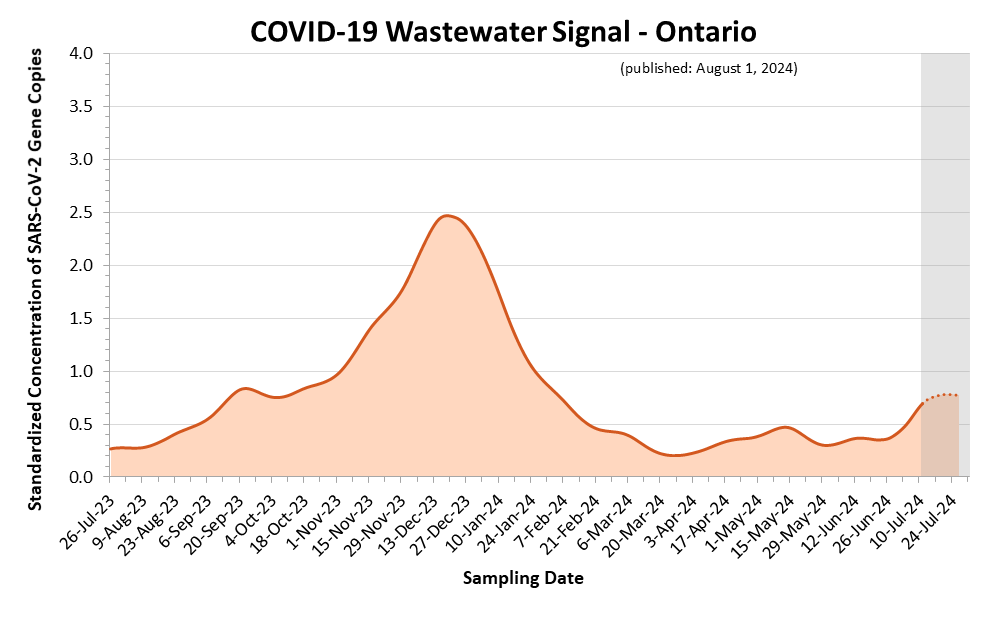
Pandemic: there is nothing light about the pandemic, but there is something positive. It may not seem positive, but it is good news that the total number of Americans dying each day is no longer historically abnormal. So while people are still getting sick from COVID-19, we are back to “normal” in terms of causes of deaths. At least for now. The COVID waste water signal for Ontario is showing a slight increase this month…let’s hope it’s just a blip. And let’s hope that governments continue to fund this monitoring, as this piece argues. We need it.
That said, any good news about that this disease is very good news indeed. There are worse things in the world than having too many tests warehoused because of the decline of this terrible disease.
Social Media: there was a big shakeup in social media this month when Meta announced Threads and it quickly rocketed up to 100 million users (including yours truly). It’s too early to know what this will mean, but if Elon Musk continues his idiotic ways and Jack Dorsey continue with his half assed ways, then Threads could become the dominant company in a place that Twitter once was. (One thing interesting is it seems to be vearing off in a different direction and avoiding politics and news. Could be a wise move. Read more, here.)
Nova Scotia: last month I was writing about people evacuating in N.S. due to fire. This month they had to evacuate due to flooding. Ye gads. I feel sorry for my family, friends and other Nova Scotians suffering through that extreme weather. You can read about it here, here, and here. Awful. Climate change and the terrible effects are starting to overwhelm us.
Donald Trump is still in the news, mainly due to (more and more and more) indictments. Remember, the best way to keep up with all his legal trouble is by signing up to the newsletter indictment.fyi by Dan Sinker. The Times also has a big section on the documents case against him. I still think he will get off, but the legal traps are multiplying rapidly.
To close out, here’s a story on how Adele warns fans about throwing objects at musicians. I’ve seen several musicians hit with phones, including Drake, Harry Styles, and more. It’s insane. Also insane are foot eating competitions. Do you think you have want it takes to win a hot dog competition? Are you sure? After you read this, you may reconsider it.
Thanks for reading, as always. I leave you with this, from Fanny Singer along with mom Alice Waters. They are talking about Fanny’s new cookbook that had come out at the beginning of the pandemic. Just wanted to include it here, as a reminder of how things were.
The 40 hour / 5 day work week has long been dead: we need the four day week to try to get back to 40.
Implicit in the 5 day / 40 hour work week was that for the most part a husband would work for an employer during that time while a wife would do 40+ hours of unpaid labour at home. So you really have an 80+ hour work week for a husband and wife team.
When the labour at the employer was factory-like shift work, a 40 hour week was truly a 40 hour week. (Domestic labour had no such boundaries.) But as work became more office oriented, many employers and ambitious employees shunned the “9 to 5” in favorite of longer hours. As more work became digital, computers came home and that time became work time. The 40 hour work week morphed into the 45, 50, 60 even 70 hour work week.
As a result of all this, men and women find themselves with very little free time for themselves. If they aren’t working, they are taking care of their family, nuclear and extended. Or they are taking care of their homes. Most people would tell you their responsibilities+work is not 8 hours a day: it’s like more like 12 or 14. Plus time on the weekend.
While employers might feel this benefits them, some of your potentially better employees — mainly women at this point — are lost to the overwhelming responsibilities they have to deal with. And even if they are somehow managing, they are likely unhappy and likely to burnout and quit, and a cost to the employer as much as the employee.
Given all this, a 4 day work week would still likely result in a 40+ work week, but at least the resulting weekend would give people a chance to truly rest. Nowadays, Saturday is a day to catch up on home responsibilities and Sunday is a day of either religion of recreation**. We need an extra day. At least.
Too many employers are still focused on things like hours worked (or worse, working in the office). Employers need to know what their purpose is and tie their employees effort to that, while recognizing employees are not machines or cogs but people. And not just employers: we need that incorporated into our society as a whole.
(** At my employer there would be many people who would be sending out and responding to emails up until noon on Saturday, breaking off to take care of their family, their homes and themselves, and then start sending out and responding to emails on Sunday evening. Their weekend was from noon on Saturday to Sunday at 6 pm.)
Not that you have to run. Walking/running or simply walking is a perfectly fine way to get in some exercise on hot days. The Times also has a walking workout that may be just the thing you need to stay fit safely.
One of the runners featured there is Martinus Evans. He talks about his slow af run club here. I greatly admire him. He has a new book out: if you need inspiration, check it out. (Image above is of the book.) Running slowly in summer is especially a good idea.
It’s not all running here. This is a good piece on self described “swole woman” Casey Johnston who is an inspiration to anyone looking to get fitter using weights. Any type of weight. She publishes an e-book that looks good for beginners especially called Liftoff: couch to barbell. Check out her shop, here for more good things.
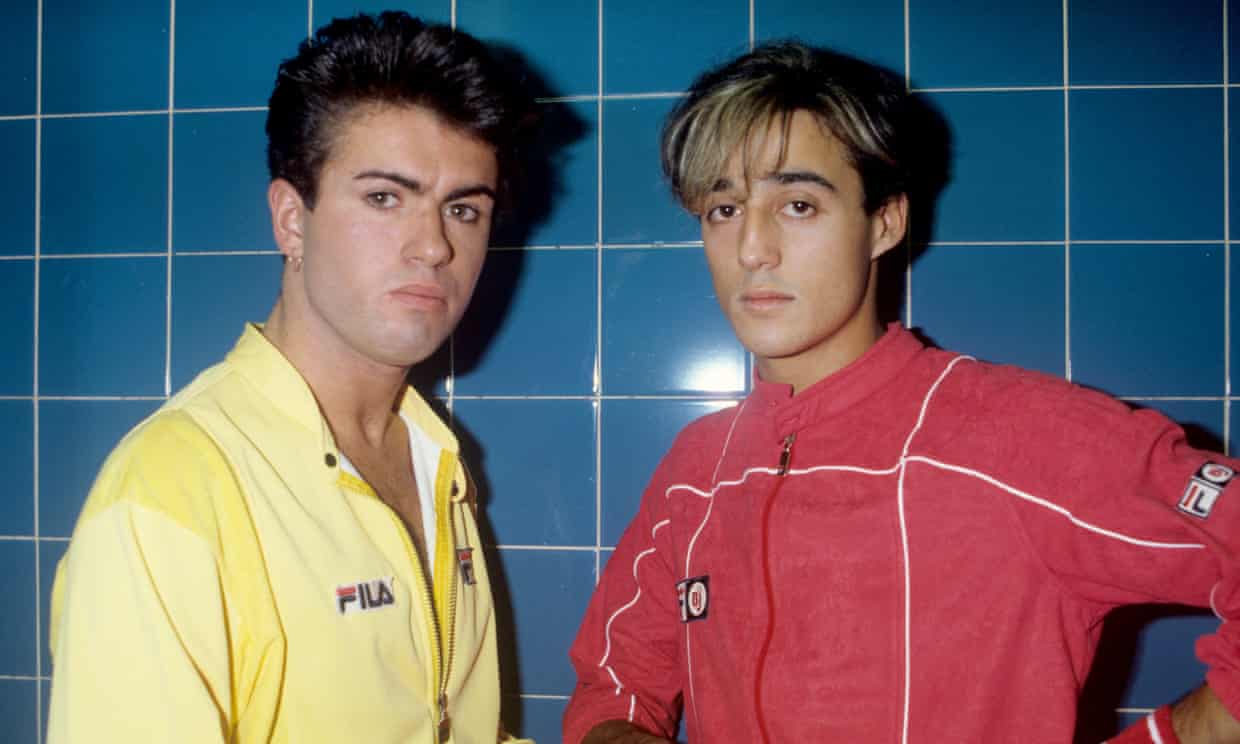
Like Austin Kleon, I found the Wham! documentary a “delight”. He adds (and it’s true) that it is “tight, light, well-edited, and stylistically coherent”. It’s also 90 minutes, and on Netflix. If want to watch something good to watch this week, make it that.
There’s no spoilers here but I must say I found the documentary surprising in several ways. Surprised at how different the men were than I thought they were. Surprised they achieved fame well before fortune. Surprised how lots of things I thought about their career and their music were very different than I imagined.
The documentary also cleared up one of the biggest mysteries I had about the band, which was what was the point of Andrew Ridgeley in Wham. I just thought he was some weird side performer that managed to get stuck to George Michael. After watching this, I can see there would be no George Michael without Andrew Ridgeley. The evolution of Michael from shy guy to major star would not have been possible without Ridgeley and Wham.
There’s been a number of good reviews of the documentary. This take at the New York Times I found interesting, especially this comment: “born during Motown’s ascent in the early 1960s and, in adolescence, bonded to each other as disco was handing the party baton to new wave and rap. They synthesized it all (plus a little Barry Manilow and Freddie Mercury, and some Billy Joel) into a genre whose only other alchemists, really, were Hall and Oates.” Once that thought is stuck in your brain, you can clearly hear all the influences Wham! bleeding into their music.
If you’ve been reading the news lately, you may have heard about NANOgrav and the work they were doing. If you missed it or forgot:
Scientists have observed for the first time the faint ripples caused by the motion of black holes that are gently stretching and squeezing everything in the universe.
They reported Wednesday that they were able to “hear” what are called low-frequency gravitational waves—changes in the fabric of the universe that are created by huge objects moving around and colliding in space.
How did they do that? Well:
No instruments on Earth could capture the ripples from these giants. So “we had to build a detector that was roughly the size of the galaxy,” said NANOGrav researcher Michael Lam of the SETI Institute.
The results released this week included 15 years of data from NANOGrav, which has been using telescopes across North America to search for the waves. Other teams of gravitational wave hunters around the world also published studies, including in Europe, India, China and Australia.
The scientists pointed telescopes at dead stars called pulsars, which send out flashes of radio waves as they spin around in space like lighthouses.
These bursts are so regular that scientists know exactly when the radio waves are supposed to arrive on our planet—”like a perfectly regular clock ticking away far out in space,” said NANOGrav member Sarah Vigeland, an astrophysicist at the University of Wisconsin-Milwaukee. But as gravitational waves warp the fabric of spacetime, they actually change the distance between Earth and these pulsars, throwing off that steady beat.
By analyzing tiny changes in the ticking rate across different pulsars—with some pulses coming slightly early and others coming late—scientists could tell that gravitational waves were passing through.
The NANOGrav team monitored 68 pulsars across the sky using the Green Bank Telescope in West Virginia, the Arecibo telescope in Puerto Rico and the Very Large Array in New Mexico. Other teams found similar evidence from dozens of other pulsars, monitored with telescopes across the globe.
Did you know this is not the first time scientists have used distant objects in space to do science? Indeed, as far back as 1676, Ole Rømer used eclipses of the Jovian moon Io to determine just how fast light moves. It was a brilliant experiment that you can read about, here.
Science is as a much a creative process as it is an analytical process, and I think it is brilliantly creative to use the universe as an instrument to add to our scientific knowledge.
P.S. you can actually measure the speed of light using a chocolate bar and a microwave. Really! See this fun video to see how:
There was a fair amount of hubbub last week about the woman above who is known as Pinkydoll. Most of what it came down to is: what is going on??
Well if you are curious, I’ve found these three pieces useful in getting a better understanding of the phenomena: this is from the Washington Post, this is from Vice and this is from knowyourmeme.
As for me, I find it interesting because it combines a number of new media and ideas, from TikTok to gaming to monetization of audiences. The fact that they all roll in together makes it especially bewildering to people not familiar with those things. But like I said, if you don’t get it, maybe you aren’t supposed to. I’m familiar with that feeling, but I feel like many younger than me are not, and it was that cohort that was complaining about this last week.
Culture arises from new ingredients. These Internet things are as much our culture now as new books and new films. Get used to it. Hula hoops arise in all forms.
McCartney has always been one to explore new ideas. So it doesn’t surprise me to learn that he used AI to help with a ‘final’ Beatles song. Unlike others who might muck about and try to create something Beatlesque with AI, he argues that there is nothing artificial in the “new” Beatles song. AI was just an additional instrument Paul used to create music.
While he’s been in the realm of science fiction with his AI project, he’s also been going back in time using photographs to produce a new book. He writes about the book, “1964: Eyes of the Storm – Photographs and Reflections” in the Guardian, here and in The Atlantic, here.
Regardless of what he is using, here’s a good essay by Austin Kleon on McCartney’s creative process: McCartney on not knowing and doing it now. McCartney often gets dinged for his creative failures, but I would argue he has been so massively successful because he tries and fails often enough and he does not stop whenever so called failure occurs. (It helps that things that were once considered failures (e.g., McCartney I and II) turn out later to be considered successes.)
Here’s to Paul successfully living to be a 100 and providing us more great creative works.
(Image of McCartney recording McCartney II, via Austin Kleon’s site)
Here’s some things I’ve been clipping out and saving concerning AI. The pattern I see emerging in my clippings is one where I am less interested in opinion on AI and more interested in the effects of AI on the world. There’s still some good think pieces on AI — I put some here — but the use of AI is accelerating in the world and we need to better understand the outcomes of that.
AI Think Pieces: For people who want to be really afraid of AI, I recommend this Guardian piece on unknown killer robots and AI and…. well you read and decide. On the flip side of that, here’s a good piece critical of AI alarmism.
when it comes to writing, I think the “Five Books” series is great. They will ask an expert in an area to recommend five books in their field that people should read. So I guess it makes sense that for books on artificial intelligence, they asked….ChatGPT. It’s well worth a read.

 Multi-Factor authentication is great. There is only one downside: you lose your phone. The way to deal with that is to have a backup. To set that up, either read this if you use Microsoft’s authenticator: Back up and recover account credentials in the Authenticator app from Microsoft Support or this if you use something else for authentication: Make Sure You Have a Backup for Two-Factor Authentication.
:max_bytes(150000):strip_icc():format(webp)/venetian-shrimp-polenta-FT-RECIPE0220-df74c101616b42e48f64b1585408a0ea.jpg)
 I love the the New York Times, I love Charleston, and I love their 36 hours travel series, so I was keen to read this:
  There was much discussion about the










 Zoom — yes, that Zoom — was in the news lately due to their mandate forcing people to work in the office.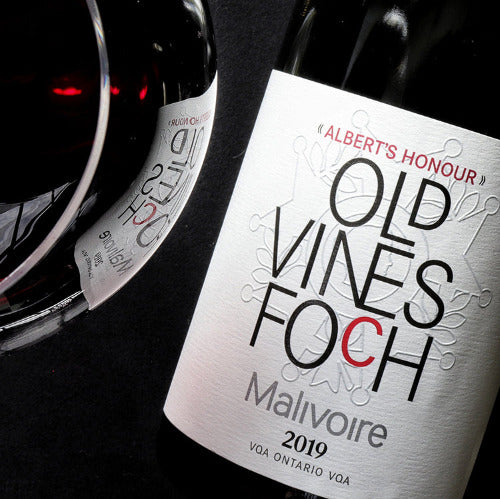

 Over at LifeHacker they recommend how to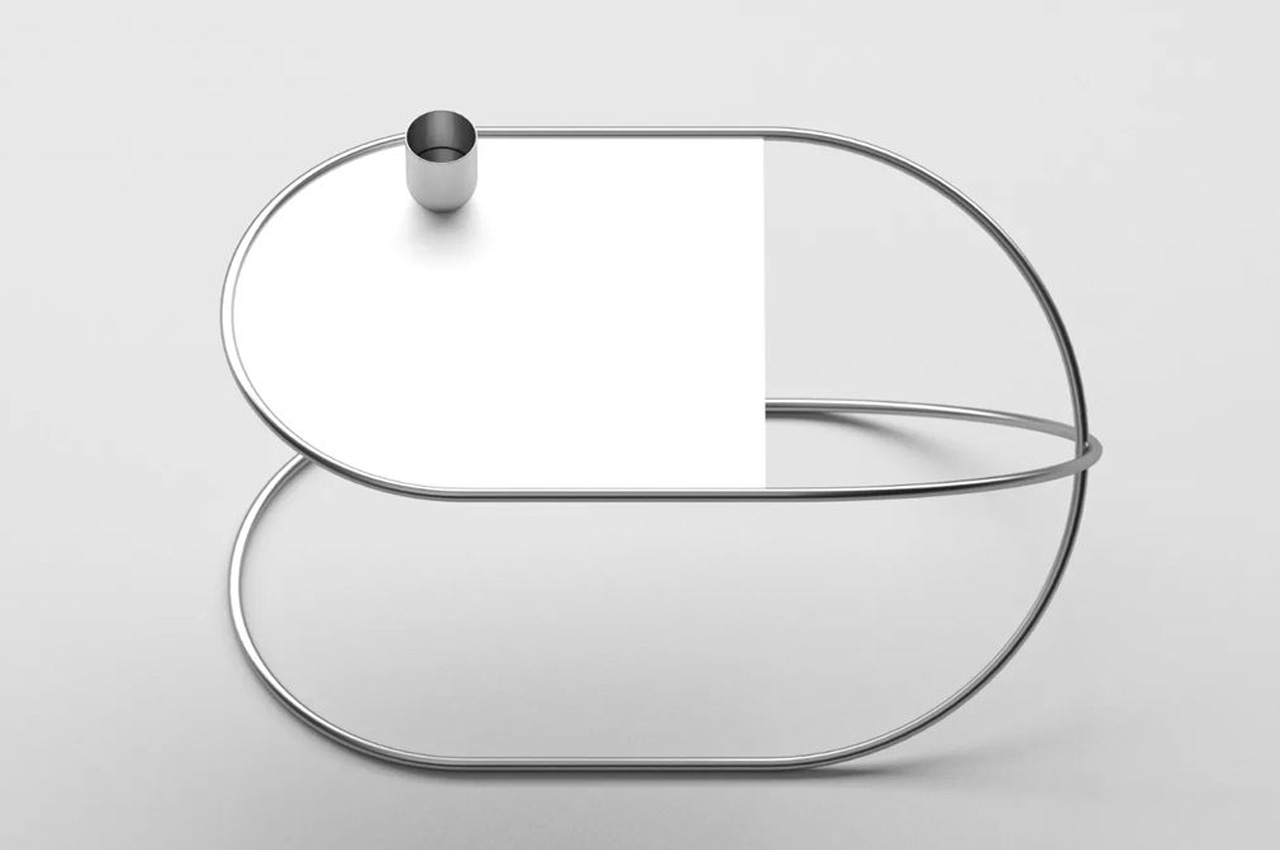
 Hindenburg Research has an interesting business model. It does research on businesses that are bloated (for lack of a better word), shorts their stock, then publishes their research. Result? Profit.

 It’s a vain exercise to try and measure and compare genius, but that hasn’t stopped this scientist from saying that










 Like
Like  If you’ve been reading the news lately, you may have heard about NANOgrav and the work they were doing. If you missed it or forgot:



 Smart People I Know