With a documentary like this, the documentarian (Stevens) is dependent on the subject (the Beckhams) to tell the story. And whatever story he meant to tell, the Beckhams also had a story they wanted to tell. I felt those stories were in sync up until the end.
Then the ending occurred and I felt a bit betrayed. I thought David Beckham was telling a story about wanting to settle down with his family, but then it ends with him in Miami, seeming to do anything but settle. I thought he wanted to be different than his dad when it came to football, but getting a glimpse of how he talks to his son, I heard echos of his dad talking to him.
That ending made me wonder if the Beckhams were using the documentary to tell a certain story they wanted to tell in a way they wanted to tell it. A way of maintaining the brand, the way they had been maintaining a brand for many years.
I think there’s alot of sincerity in the film, and it’s a great story, well told. But I felt there was more going on than the narrative driving the film, and I think that slipped away from us.
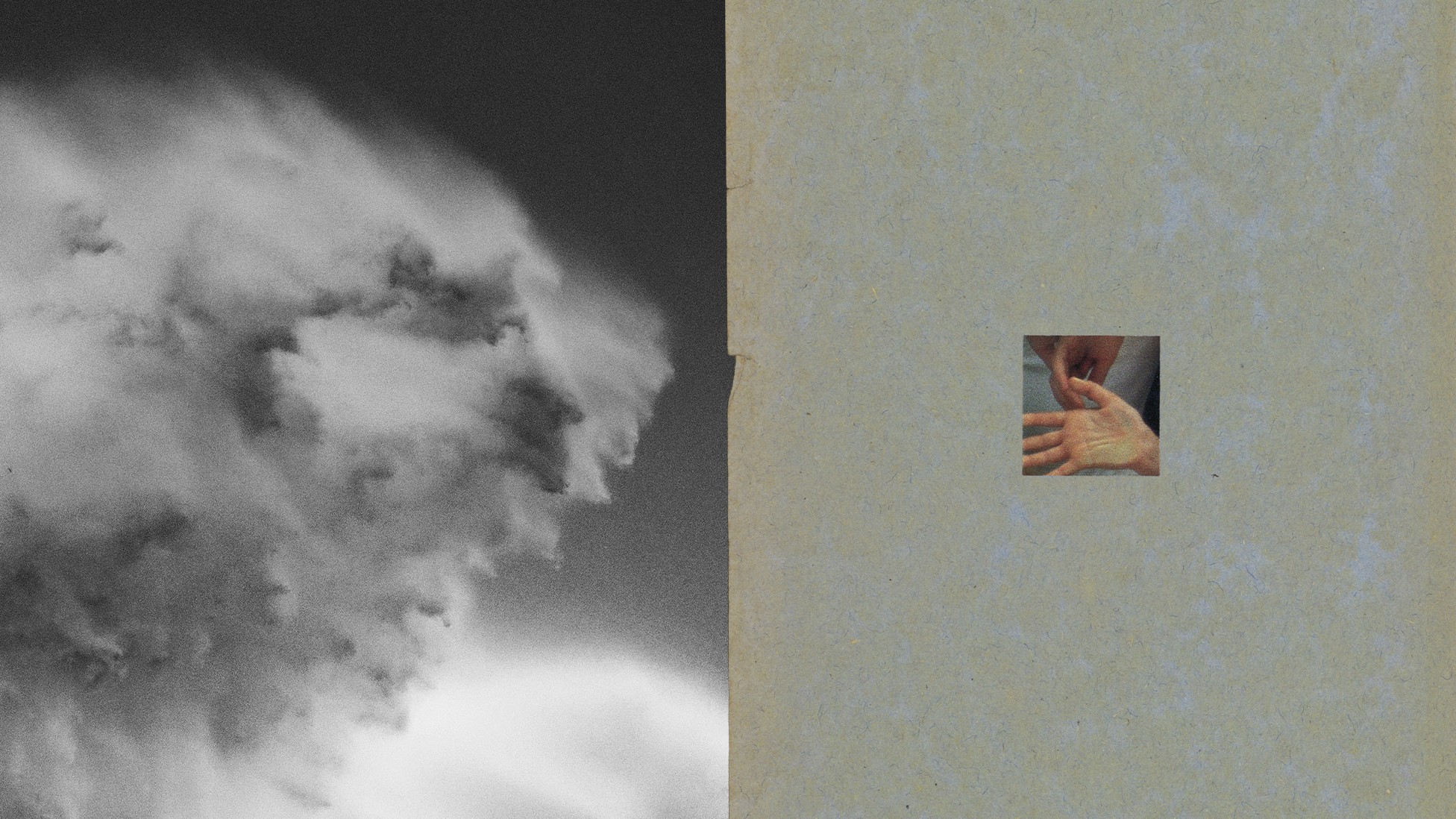
If you don’t think of collage as a serious or living art form, think again. Collage is alive and well as an art form in some of the largest publications out there. I often see it used to illustrate stories in the Atlantic:
But the New York Times uses it a fair bit, too:
Those are just a small sample of the type of collages I see there. Keep an eye out for great collage work and you’ll see some too. It might even inspire you to try making some of your own.
(Top illustration by Vivian Dehning, bottom by Shoshana Schultz)
Sure it’s Brat summer, but I want to talk about some other Brats, specifically those from the 80s.
Andrew McCarthy recent made a documentary film that looks back at his time in the 80s when he was a member of the Brat Pack. Watching it, I was fascinated by how the various members of that group were affected by that label. Of all the members of said pack, no one seems as deeply affected by it as McCarthy. He’s a good reminder to leave the past in the past. It’s fine to revisit it from time to time, but it’s not good to get affixed to it.
Brats is a good film. The Times has a review here. More thoughts on it, here.
Brats is all about reunions. Speaking of 80s reunions, this is a story of the SCTV reunion from a few years ago. That group was one of the best things to come out of that decade.
Other things from the decade I thought worth noting:
Here’s a piece on Memphis design, the defining look of the 80s. (See photo below.)
I dunno. It is impressive how the whole room expands and stores away depending on how you configure it. And as an experiment, I think it is impressive. Is it practical? Of course not. But it is well worth checking out, especially if you are a fan of small spaces like I am.
Of the first 11, Lichtman says Trump comes out ahead on 1, 2, and 10 (in italics) while Harris comes out ahead on the rest (e.g. there was no primary contest, no third party, the economy is doing well, no policy issues, no major social unrest, and no scandals for her.) That’s enough to assume she will win the election, regardless of foreign policy (which he skipped over).
Mind you, based on this, Biden was set to win the election, but I am not alone in thinking that was not going to happen.
Still, I think there is alot to agree with in the 13 keys. As people go to vote one or more of these keys will be on their minds as they cast their ballot. Check out the link above to get more insights from the man saying Harris is the next US President.
Second: look at the Electoral College map and the swing states. That’s certainly what the candidates are doing on their campaigns. Two states in particular could make all the difference as to who is the next US President: Georgia and Pennsylvania. The Washington Post takes a closer look at the two states that loom largest in 2024 election.
The above is a painting by Francis Bacon that I saw in 2022 in London at the Royal Academy. I am a huge fan of Bacon, and this show not only allowed me to see many of the works of this great artist, but it also allowed me to get up close and examine the paintings, like this:
I love being able to do that. You can see the brush strokes, the markings on the surface. You can better understand how the painting was made. You gain a different appreciation of the work up close.
That’s why it continues to bother me when people vandalize these paintings. I fear exhibits of paintings could end up looking like this:
Sure it’s fine if you want to send a selfie to your friends, but as far as looking at the painting, you might as well resort to a book.
The next time you go and look at art, look at it from all angles and all distances. You will gain an appreciation of it you won’t get any other way. And do it soon: someday you might not be able to.
(Top two flickr images by me. The bottom one from Valerie.)
I’ve been thinking of this commandment, ““taking care of yourself is not optional” ever since I read it on an email from Mike Monteiro’s newsletter. I think that is an important commandment to abide by, especially as you get old.
When you get old, it is temping to think taking care of yourself doesn’t matter. Why bother, you think. You don’t have that many years anyway.Why waste your time on that when I have so little time as it is. Besides, no one cares.
But here’s the thing: people do care. You don’t know how many years you have left, and you never have, even when you were younger and you did take care of yourself. And if you don’t take care of yourself, that little time you have might be miserable due to your neglect of yourself.
If you argue that “I don’t believe in all that self-care goopy nonsense”, consider that taking care of yourself doesn’t have to mean meditation and massages and whatever else new age beliefs you may be rejecting. Taking care of yourself can just be the basics: get some good sleep habits, some good eating habits, add some good hygiene habits, plus a bit of exercise too, even if it is walking regularly. If you have all that going on, then you can extend that out to taking care of the environment you are in and the relationships you have, because that comes back to taking care of yourself, too. Have you been to the doctor lately? If not, get checked out. Dentist? Do that too.
Here’s another thing. Taking care of yourself sends a message, to others and yourself. The message is, you matter. You have value. You are precious, even. So start acting like it.
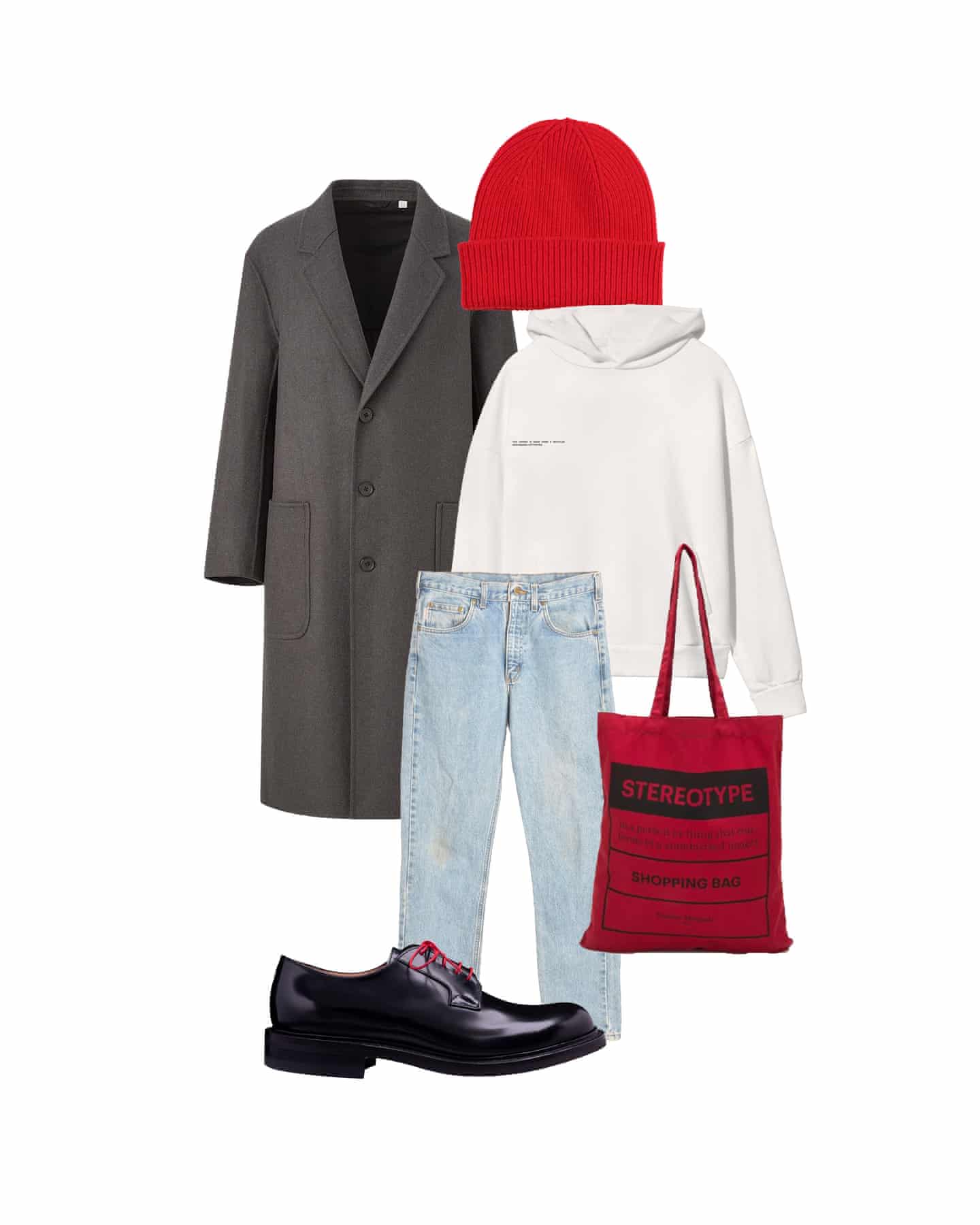
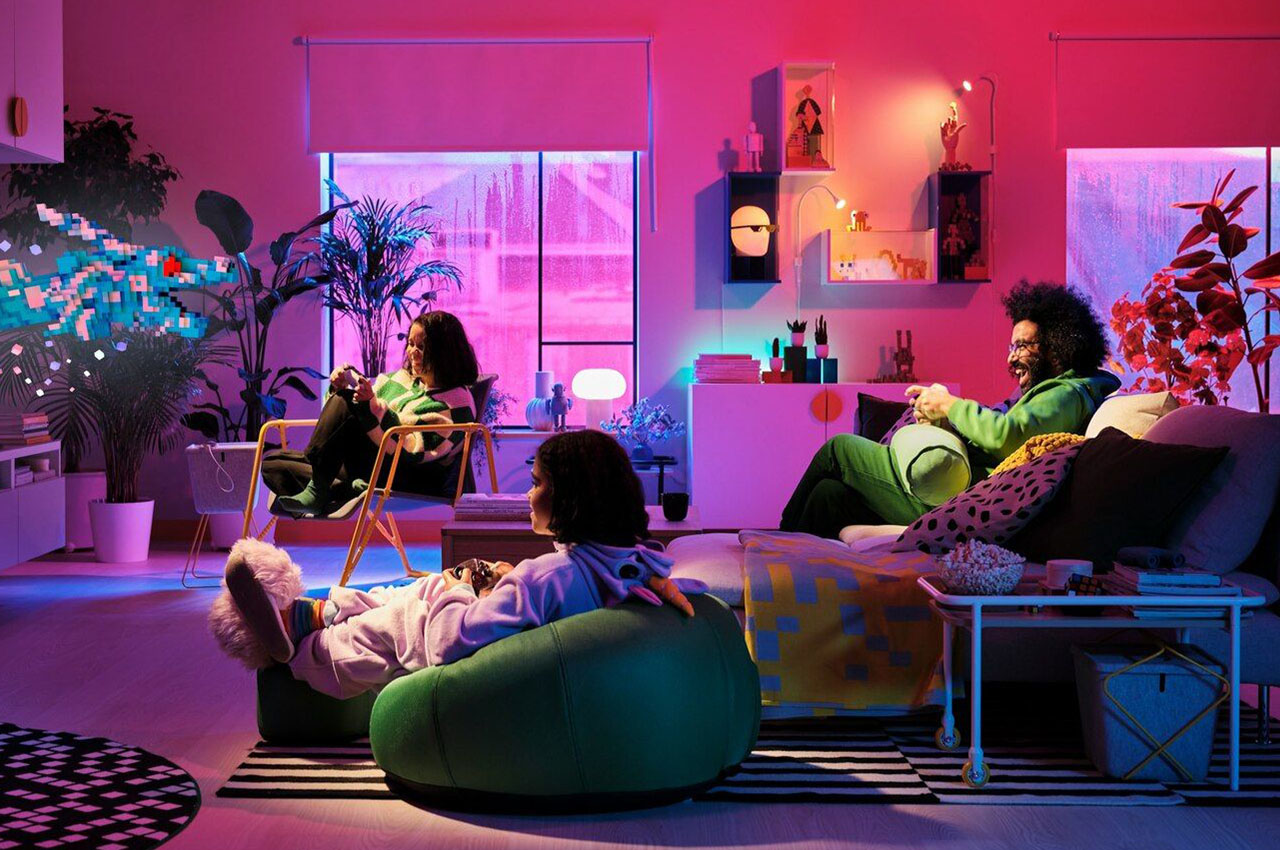
“The ‘unexpected red’ theory is basically adding anything that’s red, big or small, to a room where it doesn’t match at all, and it automatically looks better,”
That makes sense for homes. It also makes sense for men’s clothing, especially if the colour palette of your clothing is neutral, black or navy. A pop of red — a toque, some shoelaces, a tote bag — can add some pop to your look. So grab some red accessories and add them to your wardrobe.
If you like to shop online, do what I do and on the search line type in “men red”. I find it will come back with all the men’s clothes that are red or have red in them. I’ve found toques, scarves, T shirts and socks that way.
For more thoughts from me on red in fashion, go here.
P.S. I think this theory could also apply for colours like purple and yellow.
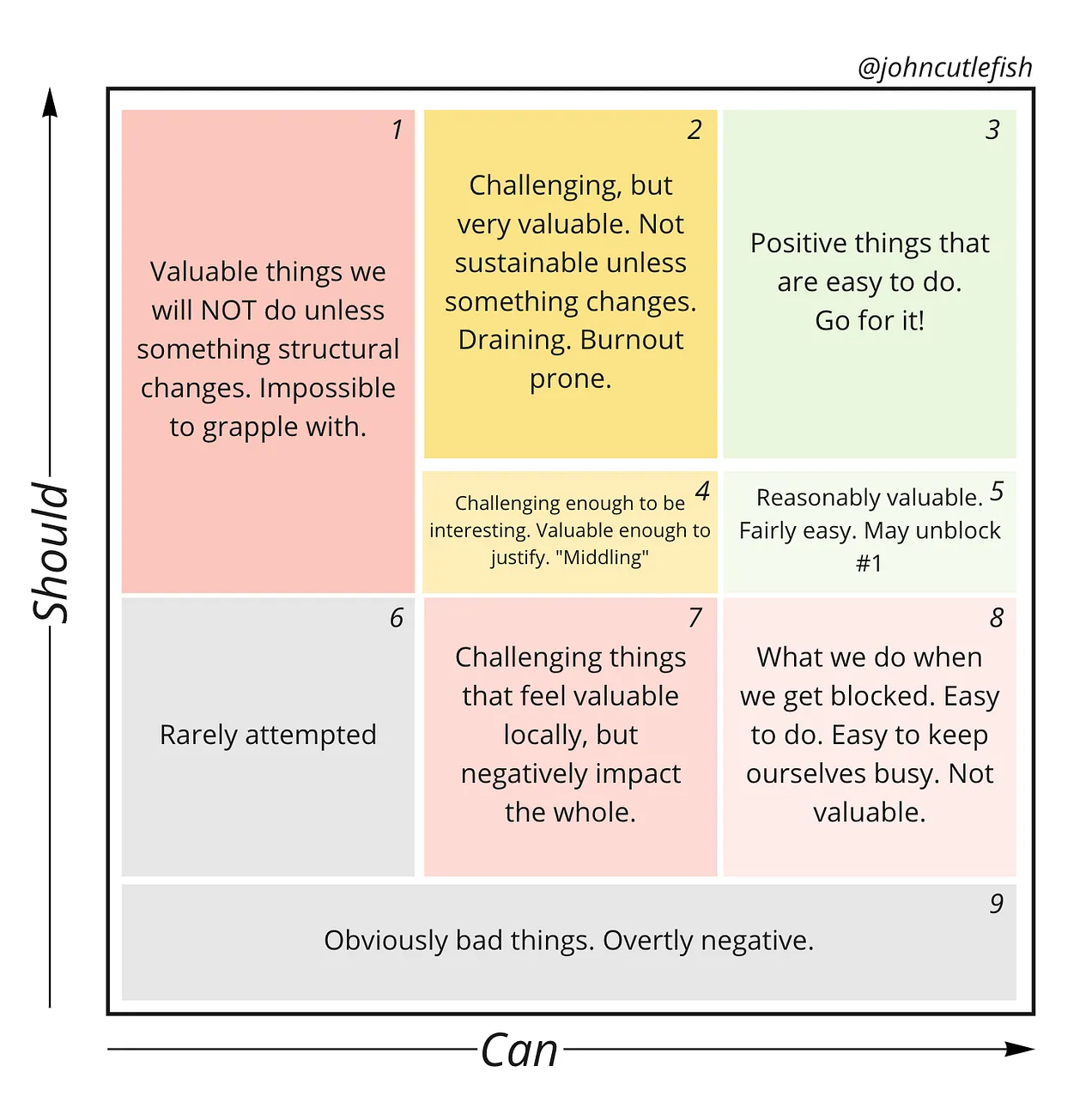
If you have a list of tasks you feel need doing, list them out and grade them on a scale of 1 to 3 (or 5 or 10). We grade them usually on a scale of Low, Medium and High. If you rank a task High for you Should do it and High for you Can do it, then that goes up in the top right corner of this chart (#3). Those are the tasks you want to do first.
See #1 and #2? The way we tackle them is by breaking them down and finding a part of them we can do. That part we move into the #3 section. There’s always some part of #1 and #2 you Can do, even if it involved asking someone for help with them.
Obviously those things you shouldn’t do (#9) should move off your list, no matter how capable you are of doing things. Likewise #6-#8 should be avoided, but sometimes we do #8 when we are blocked or tired (which is a form of blocked).
Anyway, a great chart. Check out the substack post for more insight on it.
I haven’t written about robots in awhile. That’s not for a lack of news stories about robots. We are finding them popping up all over the place.
Robots have always been used in manufacturing. Now they are moving into other businesses. Here’s a story of how robots are moving into restaurants. I’ve already seen one of these…it was less than impressive.
Drones are a form of robot. Here is a story on how IKEA is using drones for inventory management.
Just as he did for Obama, you can find his latest imagery for Harris by Fairey, here.
I’d add it’s smart he did this. I’ve been seeing all sorts of remixes of his old work, applied to Kamala Harris. It’s good to see his version.
(Art by Shepard Fairey. Reference photo by Lawrence Jackson / Biden for President is licensed under CC BY-NC-SA 2.0; For personal, non-commercial use only.)
What I love about the 3rd device is a) who knows what kind of market there is for this if any, and b) they don’t care, they made it anyway!
I love how different these devices are from most current handheld devices. The form factor is different, the colors are bold, the inputs are unique. They are small pieces of equipment, but they are not minimalistic pieces of equipment. I love them.
For more of teenage engineering’s great products, go here. For the longest time I wanted to have something from them, but most of their musical devices would be wasted on someone as non-musical as me. (Although if I ever get around to building my own computer, I am getting this:)
However, if all that is hard to get a handle on, or if you want something more neutral, you can also check out: Project 2025 in Wikipedia.
Chances are if Donald Trump is reelected president, many of the things proposed in Project 2025 will come to fruition in the four years he is in office. So before you vote, read up on Project 2025 and know what you might be in store for.
It’s ok to hate August and love February (and vice versa. Or neither.)
If you live in the northern hemisphere and you say you hate February, many people will get it. It’s a month of darkness and cold, they will say, of course you hate it.
Not all will agree. For many others love the middle of winter. They love doing winter activities. They love snow. They love staying indoors and being cozy and warm.
However, if you say you hate August, many people will not get it. They will ask you what’s not to like about warmth and sunlight? They love doing summer activities. They love BBQs, going to the beach, being outside. How could you not love that?
But like February, August is a month of extreme temperatures. And for those of us who don’t do well in high heat and humidity, it’s a brutal month to get through. Especially if you can’t go to the beach or the pool, or if you don’t like being outside so much. Or if you have to be inside and don’t have AC. For people of that group, August is easy to dislike.
I am no fan of either February or August. I prefer more moderate temperatures of September and June. But to each their own. Not everybody has to like what you like, and that is especially true of the weather.
I am glad for the folks who love July and August. As for me, I am patiently waiting for September and October.
I bought a digital Holga for two reasons (some time ago):
I love the images produced by cameras like the Diana camera and hoped the digital Holga would give me similar images
I was happy to have digital images and not have to deal with film
Alas, my thoughts on the camera are similar to the ones expressed here. The images I captured were disappointing. I didn’t get what I had hoped for despite taking photos in a variety of light sources.
It’s true, you can make it better with with Adobe Lighthouse, as that piece argues. That kinda defeats the purpose of having the camera, to me.
If you are going to get one, then read this review: it is good for helping you understand the device.
Here are some of my photos. If you want to see more photos of this sort, this section of Flickr can help.
Finally, this here talks about the Holga in general.
New York is always great to revisit, and revisit it again I did last week. Like my visit in March, I stayed with my girlfriend in the Lower East Side, eating and walking around and even taking in a Broadway show (“Illinoise”). We hit up Freeman’s Alley and Lafayette for the breakfast, because they are always good. Plus Clinton Street Baking Company. We also dined at WildAir and King. The best of the lot, though, was Via Carota (seen above). Is it New York’s most perfect restaurant? This piece argues it is. It’s hard to disagree, although it is a bold claim, since New York has so many great restaurants. Not just now, but in it’s entire history. Read this piece on the social history of the city, told entirely through its restaurants, to see what I mean.
During the pandemic New York adopted outdoor dining and many places like Via Carota set up a big outdoor area to serve people. It’s still going strong, although the city is cracking down on outdoor dining. If you like that kinda thing, you may want to do it while you can.
Speaking of New York City post pandemic stories, here are two: this one on a 23 floor midtown Manhattan office building going for a 97.5% discount. (Practically free). And this one about how people are returning to the Met Opera, but selectively.
This piece, According to Big Data We Won the Vietnam War, should be read by everyone who strongly believes the next new technology (e.g. gen AI) will be able to make decisive predictions to solve big problems (e.g. the Vietnam War). The best computers and minds at the time thought they could win the war with technology. They were wrong then, and they will be wrong again.
If you think newer computers will win this time, reconsider that. If you think we learned our lesson last time, read this.
The last time I wrote about what I find interesting in tech, it was winter. Now it’s anything but, and I have lots of things I’ve been studying in IT. Lots of material on COBOL and mainframes since I am working on mainframe modernization. But there’s stuff regarding Python, cloud, Apple computers and so much more. Let’s see what we have here….
Software: this section is so big I need to break it up! First up, COBOL:
If you are thinking of publishing a cook book, then you owe it to yourself to read this piece in Eater. Eater interviewed three cookbook authors on how they got their first book deal and touches on all aspects of the process they followed. It even talks about how much money you might make. (Emphasis on the word, might.)
Obviously this isn’t the last word on how to get published, but you will come away from it with a better sense of what those authors did to become successful. In one case, author Priya Krishna went on to become very successful with a prominent position at the New York Times. Who knows where you and your stack of recipes — or Instagram posts — will end up?
Who doesn’t want to feel more joyful? And who doesn’t like a snack? If you are still with me, then let me introduce you to the combined concept of a joy snack. As Neuroscientist and science journalist Richard Sima explains, these are:
… little moments of delight you experience throughout the day: He calls them “joy snacks.” These include things like your first sip of coffee in the morning, or telling a joke where the punchline hits just right. By savoring even small bites of bliss, you can transform an otherwise mundane moment into something joyful. And cultivating more joy can help you create a more meaningful life.
I like it! Joy and snacks: two great things that go great together!
argued that gamification should really be called “pointsification,” writing: “What we’re currently terming gamification is in fact the process of taking the thing that is least essential to games and representing it as the core of the experience. Points and badges have no closer a relationship to games than they do to websites and fitness apps and loyalty cards.”
I think that’s true. If the whole game is just getting more and more points and levels, after awhile the game gets dull and easy to abandon.
So what should a game be, if it’s not just about keeping score? The article goes on to say:
“A game is about play and disruption and creativity and ambiguity and surprise,” wrote the late Jeff Watson, a game designer, writer, and educator who taught at the University of Southern California’s School of Cinematic Arts. Gamification is about the opposite—the known, the badgeable, the quantifiable.
Ideally that might be the case, but there is a range of game play, and some great games may only have a modicum of creativity and ambiguity and surprise and can still be loads of enjoyment.
Indeed, that’s the thing about games and indeed gamification. Some games can be engaging and great fun. And some games suck. The same can be said for gamification: some of it is fun, and some — alot — isn’t.
This is especially true for gamification that is imposed on us. We all can recall childhood friends who would say “let’s play a game” and the game turned out to be something that would be good for them and not for you. It was no fun then, and it’s no fun later in life where you are working for a company and your employer wants you to play a game in order to get you to behave in a certain way for their benefit.
If imposed games are bad, so are endless games. Games that never come to an end or that are practically impossible to win also suck. Yet for game makers, it is tempting to engineer the game so that you never leave it (and them). I was reminded of people I know who played Duolingo and who found once they got to a certain level, they were just floating there. Now it was no longer a game to them, but merely an activity. Now some activities can be fun, but it’s no longer a game.
Gaming is a structured form of play, and like any type of play, it should be fun and it should come to an end. Too often with gamification, neither of those things are true. That, to me, is the true problem with the practice of turning non-game activities into games.
What do tractors and leaves have in common? They are featured in the work of the artists I’ve been reading about recently.
The tractor is just one of the works I came across while reading about artist of Charles Ray. The New York Times has two pieces on him here and here, and this here piece (where the above image originates) is also good.
We lost some fine artists in the last while. The iconoclast John Wesley has died. (More on him, here.)Ben Vautier of Fluxus has also passed on. As has noteworthy black Broadway producer, Ron Simons. I was struck by Simons story, how he skipped the arts as a young man to go into IT, only to return to theatre at a later again. It was inspiring.
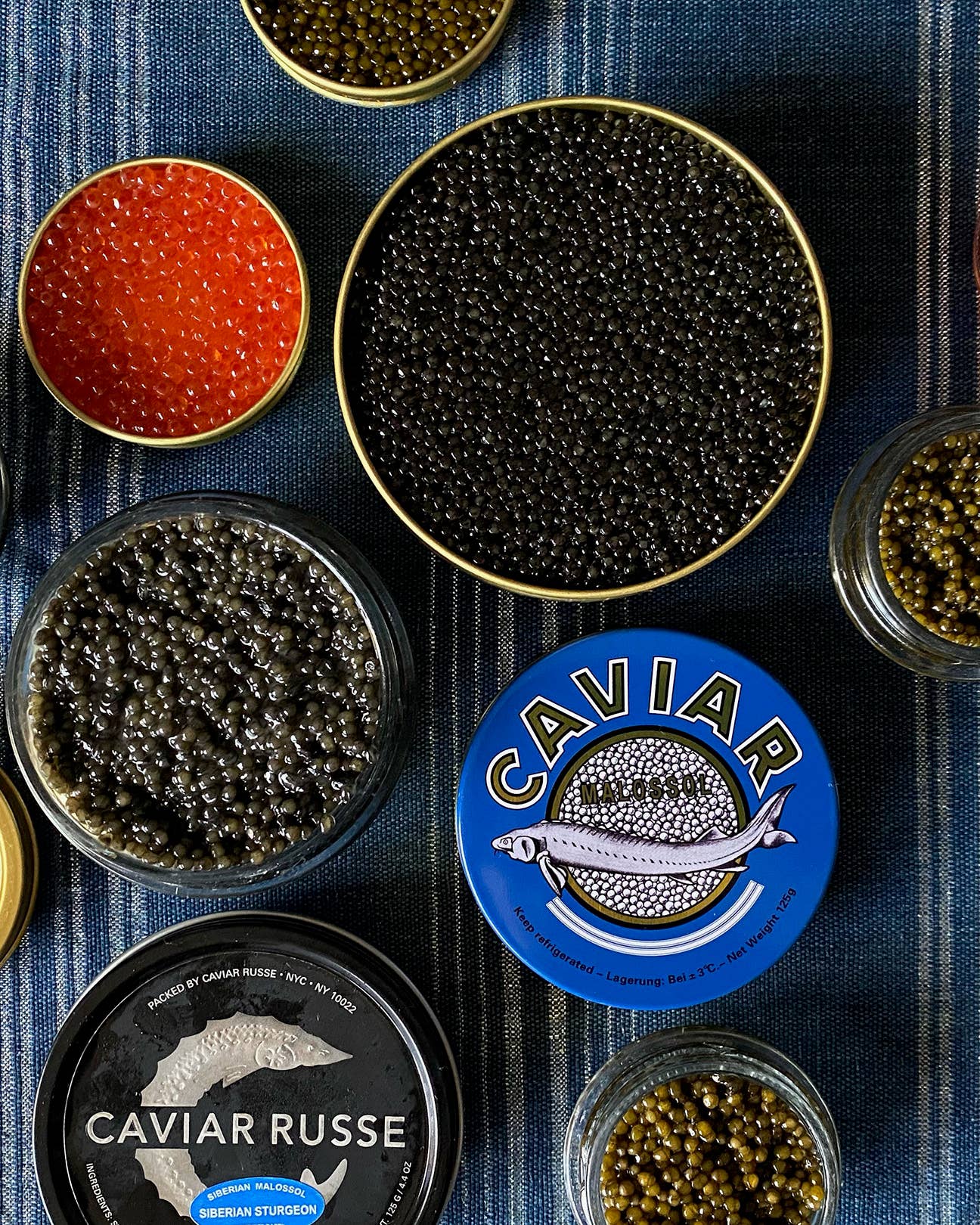
What does caviar have to do with the McRib? Hardly anything, other than they are edible and they are both featured in this blog post.
Now most of the time when I write blog posts on cooking and food, they are associated with recipes. Not today. This is mainly about highlighting good writing about food. So grab a chip and some caviar — or a McRib — and let’s go….
Privately, here’s what Jeff Bezos’s Blue Origin is doing. (Here’s more on that.) Not to be outdone, this is some of what SpaceX is trying to accomplish.
Besides the engineering problems of exploring space, there’s also the human problem. For example, can astronauts deal with the isolation of Mars? Space is hard on astronauts physically as well as mentally, as that piece shows.
Not a collaboration, but if you into pet furniture and a fan of Ikea, you’ll want to check this out. And speaking of pet furniture, imagine combining a dog bed with a desk — that’s what you’ll find here.
Like many of the other noted restaurants loved and lost, this one hurt. Especially so. I had only just started to make it a destination whenever I was in New York and suddenly it was gone. Or was it?
As this piece noted in 2023, the restaurant was being renovated and private events were being held there. Heck, Alison Roman and her beau had celebrated part of their wedding there. I was hopeful that it eventually would go from being private to being public. But as of March 2024, at least, it still looked like it did in the photo I took above. Indeed this article in The New Yorker at the same time said it is only available for private parties at the owner’s discretion. Sigh.
There was something magical about Prune. It was a world class restaurant that was also a small neighborhood restaurant. I remember the first time I went: I wandered by it while in NY’s Lower East Side and I popped in to see if they had any tables available for the evening. To my surprise they said I could sit at the bar at 7:30. I had a fabulous meal that day. I thought: I want to come back here often and for ever.
And maybe I will someday. Maybe Gabrielle Hamilton will throw open her doors to the public once again. But for now, I am including this among the restaurants loved and lost. I’ll miss your snack plate, Prune, and your duck breast over beans, and all the other great meals there. I’ll miss your small, perfect space. I may walk by you from time to time, but I doubt I’ll leave the sidewalk and cross your threshold any more.
As I waste time doomscrolling through text based social media or reels, I will often stop and ask myself: why am I doing this? Why am I not reading a book or watching a movie? After many an hour wasted on the couch with my phone, I’ve come to the conclusion that it’s not that social media content that is a problem: it’s the social media format that is a problem.
Social media is essentially a stream of randomness: a collection of words and sentences and images with limited or no connection. You can surf along and not have to hold anything together in your head. That’s it’s format.
Now if you are reading a book or watching a movie, the format is different. Sentences are connected to paragraphs which are connected to stories or chapters. Characters and scenes and dialogue in a movie are connected to other characters, scenes, dialog. Your brain has to work to keep all those connections in mind when reading or viewing. The format of books or movies demands it.
With social media content, you don’t have to maintain any of those connections in mind. You read and scroll and read and scroll, or you swipe through reels or Tiktoks, and in the end perhaps you retain one or two things.
Not having to maintain these connections in mind makes it easier for your brain to process social media content. That ease can make it more preferable, especially when you are tired or in a low energy state. Which, if you are like me, is fairly often.
Now it seems like some people are taking it to a new level by raw-dogging flights. (What Does ‘Raw-Dogging’ a Flight Mean? All About the Viral Travel Trend). Perhaps because they are in a low energy state and they don’t have access to social media, they just stare ahead the whole trip. It’s almost meditative. Again, the brain has very little to do here. People on a flight watching the flight path have zero connections to maintain.
So the next time you are beating yourself for wasting time on social media, perhaps acknowledge your brain is tired and this is all you can do. If you can, try meditating or napping or just going outside. Just understand that social media knows you are the way you are and it will suck you in if you are not careful.
The site onemillioncheckboxes.com is just that: a site that has one million checkboxes to check (and uncheck). But it has become something more. As The New York Times describes it (the bold emphasis is mine):
By providing a blank slate to users, One Million Checkboxes has also cycled rapidly through the stages of internet maturity, serving as something of a microcosm of the joys and horrors of digital life. First there was a period of exploration, in which users worked together to check as many boxes as they could. Next came creativity, as some began filling in boxes to illustrate hearts or, in more cases, crude drawings of male genitalia. Then things devolved, as they often do online, into all-out war. Steven Piziks, 57, a science fiction author in Ann Arbor, Mich., began checking boxes on Tuesday because he thought it might be soothing. He soon noticed someone else working behind him and unchecking every single one. He started checking even faster, and about half an hour later, the site’s built-in tally said he had checked more than 1,000 boxes. It was not soothing at all. It felt “like a metaphor for all of social media,” Mr. Piziks said. “We go into it thinking it’s going to be wonderful and collaborative and interesting, and it kind of turns into a fight.” Some bad actors on the site are human mischief-makers who take a perverse joy in undoing other people’s work. Others are simply bots that have been programmed to uncheck boxes en masse, Mr. Royalty said. (He has been working to contain them, with mixed success.) Those bots have been particularly infuriating to Frank Elavsky, 34, a Ph.D. student at Carnegie Mellon University who has checked more than 20,000 boxes in his “fight for the cause.” He got in a spat on X with someone he suspected of tinkering with the site’s code in the name of unchecking. “It became kind of personal,” he said. “I’m like, ‘You foul, foul demon. How could you?’” The website’s creator has been watching this all play out at a kind of omnipotent remove.
The freedom that the site gives users also comes with risks. In addition to lewd drawings, users have checked boxes in order to spell out profanities and at least one racial slur.
And that’s why I think OneMillionCheckBoxes.com shows we can never have nice big things again on the Internet. We can have big things, like OneMillionCheckBoxes.com, but you eventually get bad actors, bots, and racists. And we can have nice things with a significant investment in content moderation, but that doesn’t scale. Right now Threads.net is trying to prove me wrong, but in the end they will go for scale over nice, and when that happens, it’s only a matter of time before it all declines. Just like Facebook, and Twitter/X and others.
It will be interesting to check out (and maybe even check) OneMillionCheckBoxes.com in July 2025 and see if it is still active, or whether it succumbed to a combination of bad actors and ennui. I’m not optimistic.
Like last year, over the last 12 months I have found things I would like to write about but never do. I think people should check out these things/links at least, so I am including them all in this Sunday post to read at your leisure. Maybe you can write something worthwhile with them.
Waste is a failure of imagination. Woodworkers know that especially. Good wood workers will try and minimize waste by designing their cuts to use as much of their raw material as possible, and then they will try and use up the remains in one way or another.
We should be like good woodworkers, using our imaginations, our minds, to come up with new uses for things we consider waste. During the pandemic we even depended on our wastewater to tell us how we were doing. Even that kind of waste can be useful.
Not all waste is material. Waste can also be temporal: we talk about wasting our time and wasting our life. Here too, we should consider ways to minimize such waste. And not just by being busy all the time. Being idle is not always a waste of time: idleness can be often be necessary. Just as being busy without a purpose can be a great waste of time.
What is important is the context. How we spend our time — idle, busy, something else — and whether or not it is a waste depends on the context we have of it. So, doing nothing with someone you love is a good use of your time, just like working hard on a project no one wants could be a waste of time.
According to the site, Design-Milk, Philippe Starck is working with Kartell to use A.I. in the design of furniture:
Known as a progressive Italian brand that doesn’t shy away from experimentation and innovation, Kartell is becoming increasingly daring as their endeavors expand. At the moment, that means stepping into the world of artificial intelligence. In collaboration with Philippe Starck, they’ve released environmentally friendly furniture designs that merge human creativity with AI, bolstered by advancements in materials and manufacturing.
In case you are worried about them replacing designers, the site goes on to say:
Rather than replace the designer – a huge fear amongst creatives – artificial intelligence helps streamline the prototyping and planning phases, sticking to Starck’s vision and ensuring Kartell’s high quality and production standards are met. In this case, AI also contributes to calculating optimal material usage, a reduction in waste, and ultimately environmental sustainability.
Good to see! Speaking of good to see, you can see more of the furniture on the Design-Milk site, as well as the Kartell site.
Hot town indeed! Toronto has recently suffered through a heat wave as we head into the summer of 2024. We had tremendous thunderstorms, crazy wind squalls, and very high temperatures. And yours truly does not generally do well in the heat. Here’s to that heat subsiding somewhat, although, hey it’s summer, why should I expect?
Meanwhile, here’s a seasonal cornucopia of posts and articles I found worthwhile this spring. I hope you find it worth a read. Maybe they can help you cool off. 🙂
COVID/the pandemic: I should be cool about this, but one thing that gets me hot under the collar is the lack of acknowledgement of death that occurred during the pandemic. In Washington there was the temporary memorial of small flags, but it’s gone. I don’t know of any national memorials in Canada. We should have something national like the Covid heart wall in London, England. It is great that we were able to recover so quickly from the pandemic and get back to normal, but we should do more to remember the loss that occurred.
Indeed, most of the stories I’ve seen with regards to COVID seems to be about putting it well into the past. Perhaps the only way we will remember it is through such things as covid 19 related art.
I would be remiss if I did not mention the death world that is crypto, where the hammer is coming down on Binance’s CZ (Changpeng Zhao). Meanwhile, bankruptcy lawyers for FTX said customers of that cryptocurrency exchange were set to get all their money back, plus interest. At least someone is recovering from the crypto meltdown.
In world news: The American election drones on with Joe Biden having a narrow path to victory. Speaking of drones, the war in the Ukraine continues with drones playing a big part. In other wars, the War in Gaza goes on, despite massive student protests in the US and elsewhere. The war on women continues in the US as well.
As an aside, one promising thing for American women has been the rise of Caitlin Clark and the related rise of interest in Women’s Basketball. As a basketball fan and a believer that women in sports deserve better, I was glad to see this.
In Canadian news: Some day Canada Post will be no more, based on that article. Some day has come for the Canadian journalist Rex Murphy, who recently died. I used to look up to him a long time ago. Also not doing well is healthcare in Ontario. The Ford government continues to underfund it. Remember when we considered healthcare workers heros? The Ontario government should go back to treating them that way.
The arts: a number of the great artists passed away this spring, Alice Munro being one of the most notable. (The Times has a collection of the best of her work, here.) Another favorite of mine who passed on was Joe Flaherty. He didn’t get the recognition of some of his SCTV counterparts, but he was equally great and very funny. And I would be remiss if I did not note the death of another great Canadian, Donald Sutherland.
Not Canadian, but truly great, was musician David Sanborn, who is now playing in the great beyond. (Two pieces on him here and here.) Among other things, he was the host of the show “Night Music”, a show I adored and wrote about, here. May they all rest in peace.
Finally: We had solar eclipse recently. Did Google searches for eye damage jump after it? Sadly in Ontario they did. Did this woman in Texas build a spa for squirrels to handle the killer heat? Apparently she did. The world is weird.
Let me close off with this link to the Lovin Spoonful’s “Summer in the City”. Enjoy the season! I’ll have another newsletter in the Fall, god willing.
Even if you don’t care for cars, you have to admire the one above. It is more of a work of art than a vehicle. Even the motor is beautiful! To see what I mean, head over to Uncrate and check out the photos of this beauty.
And hey, it was up for auction. So if you got $8.5 million lying around, it could be yours.
I was developing a web page for my site berniemichalik.com and I used some Google Fonts to make it look better. When I checked the page on my Mac using my browser, it worked fine. However when I uploaded it to AWS and checked it with my browser, the fonts were not working.
It turned out to be a simple error. The link statement I used looked like this:
Note the use of “http”. However to access my website, I used “https”. That misalignment caused the font not to work. Once I changed the link to the font to “https” like this:
The 20/20 rule for decluttering is simple and good:
First, ask yourself, “Could I replace this item for less than $20?” Then, ask yourself, “Could I replace it in less than 20 minutes?”
If the answer to both of those questions is YES, then toss it without thinking any more about it. Note: replacing it in 20 minutes means can I replace it by ordering it online.
PS: For more decluttering advice I’ve recommended, go here. In that list is the “Box and Banish” approach, the 90/90 rule, and more.



 Sure it’s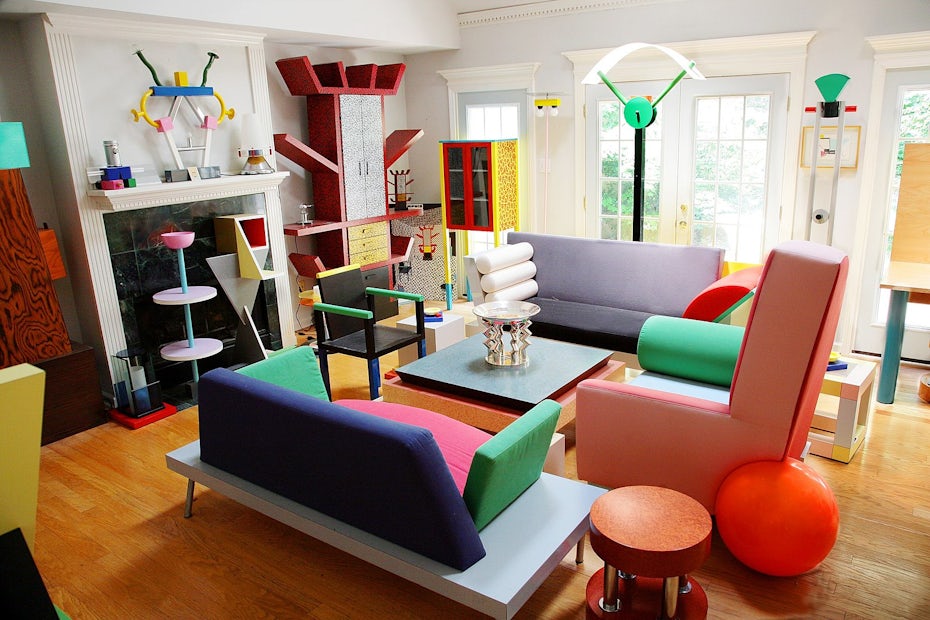




:format(webp)/cdn.vox-cdn.com/uploads/chorus_asset/file/25234298/Figure_robotics_prototype.jpg)





 It’s ok to hate August and love February (and vice versa. Or neither.)








 Space news comes fast and furious these days. There’s so much exploration going on, it can be hard to keep track. For example,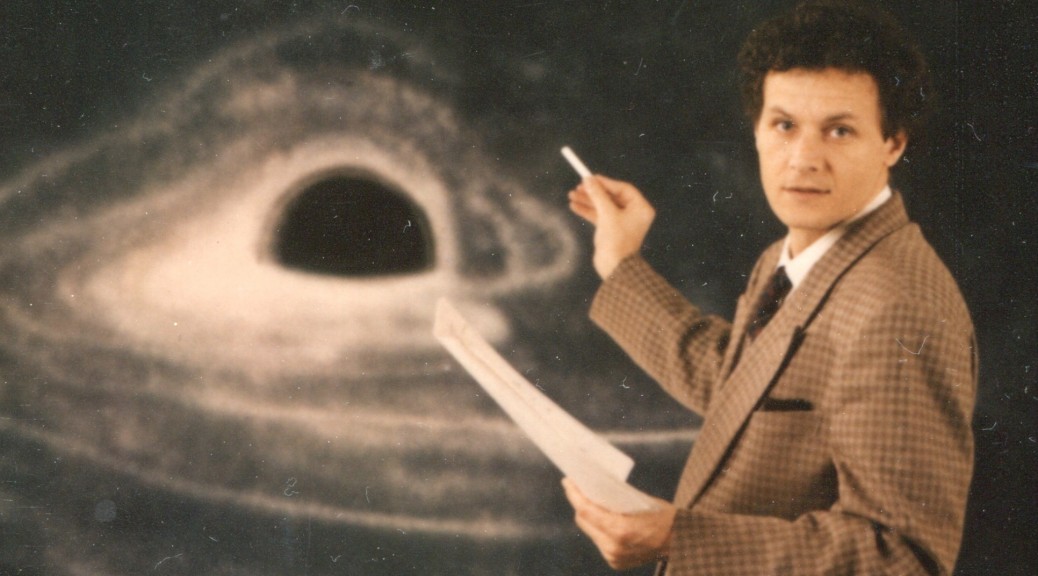




:max_bytes(150000):strip_icc():format(webp)/ms-shewrin-williams-least-popular-color-31bca14cce524747a5c06b71a1259819.jpg)

 Waste is a failure of imagination. Woodworkers know that especially. Good wood workers will try and





 Smart People I Know