Pandemic Perspective: here’s some reasons to be optimistic


Sure, the pandemic isn’t over. In some places, it’s far from over. But that’s no reason to be totally pessimistic. If you feel that way, I recommend you read this: Six reasons to be optimistic about Covid-19.

It’s not the end of the pandemic. It’s not even the beginning of the end. But it is at least the end of the beginning. Things are going to get better.

It’s Wednesday. Your brain is tired. Maybe you need to feed it better.

And by feed it I don’t mean drink more coffee. I mean eat foods that have been shown to help our brains work better. The author of this piece ate food considered best for our brains for a week and recorded what happened. Surprise: you don’t turn into a genius. But you will see some benefits. And that’s a good thing.
(Image from healthline.com)

Someday we will have dinner parties again. When we do, I recommend you study this piece


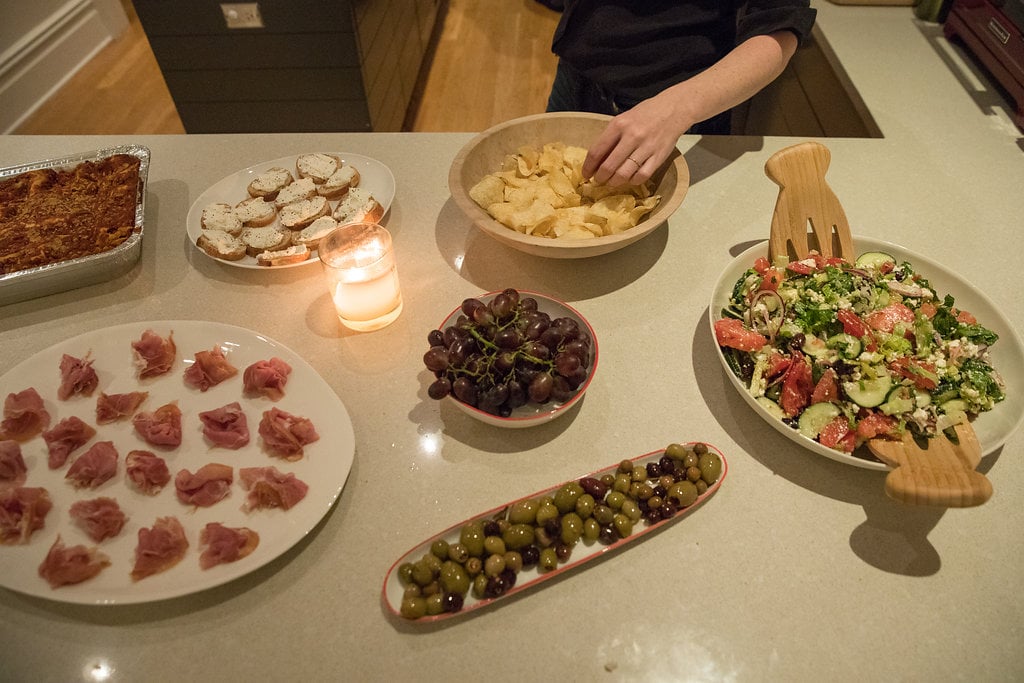
Someday we will have dinner parties, post pandemic. When we do, we will be very rusty having them. Plus, we will be so happy to have people over that the food, while important, should be secondary to being able to host people. So, what to do?

Easy, Through a very easy dinner party, like they did over at the blog, A Cup of Jo. It looks like a wonderful time with the least amount of effort. Which is fine! More than fine, in fact.

We will have dinner parties again. Read this and be ready.

P.S. Of course you can do just the opposite and throw an elaborate party to celebrate. That’s fine too! 🙂

5 Hard Things You Need to Start Doing for Yourself on Hard Days: an emergency guide


Think of this list as the big red button you need to push when you find things getting too hard to deal with: 5 Hard Things You Need to Start Doing for Yourself on Hard Days

So much advice is trite. I found this a more fundamental and thoughtful list of things to pursue when you are struggling.

Good luck.

Are you floundering? Then do this

One way to deal with floundering is to create structure. Zen Habits explains: Create Structure When You’re Floundering : zen habits

The other technique I do is to eliminate everything I am struggling with and do one small thing in a short period of time. Write it down. Repeat. Go as long as you can. Take a break. Repeat. Don’t examine everything you could be doing. Just put your head down and get one thing done. It may not be your best, but it is better than floundering.

The key to resilience is recovery

As argued here: Resilience Is About How You Recharge, Not How You Endure

If all you are doing is endlessly enduring a difficult situation, you will eventually break. That is not resiliency. To be resilient, you need a period to recharge and repair. By doing so, you can endure more and endure things better.

No one gets stronger without a period of repair. The same is true for resilience.

A history degree is still worthwhile and this shows why

More than ever, post secondary institutions are dropping various humanity degrees from what they offer. History is one of them. No doubt part of the reason is because people are not studying history when they attend post secondary schools. I imagine part of the reason people are not studying it is because they believe one or more of these statements:

  1. History Majors Are Underemployed
  2. A History Major Does Not Prepare You for Gainful Employment
  3. History Majors Are Underpaid

That’s too bad. Anyone who things that should read this piece. It makes the case that those statements are myths: History Is Not a Useless Major: Fighting Myths with Data | Perspectives on History | AHA

There is economic value in attaining a degree in history. After reading that piece, no one should be able to say a history degree is worthless.

It goes without saying that there are non-economic benefits to a history degree too. The more I read history the better sense I have of my own time and my place in it. By studying history and the arguments that historians make, I am better able to think for myself. I regret not studying more history when I was younger. I make up for it now by reading history often. I hope you will too. Perhaps even study it in university.

How to be more resilient? Emulate resilient people

To be more resilient, be more like resilient people. And what makes them resilient? According to this: What Makes Some People More Resilient Than Others – The New York Times resilient people have the following qualities:

They have a positive, realistic outlook. They don’t dwell on negative information and instead look for opportunities in bleak situations, striving to find the positive within the negative.

They have a moral compass. Highly resilient people have a solid sense of what they consider right and wrong, and it tends to guide their decisions.

They have a belief in something greater than themselves. This is often found through religious or spiritual practices. The community support that comes from being part of a religion also enhances resilience.

They are altruistic; they have a concern for others and a degree of selflessness. They are often dedicated to causes they find meaningful and that give them a sense of purpose.

They accept what they cannot change and focus energy on what they can change. Dr. Southwick says resilient people reappraise a difficult situation and look for meaningful opportunities within it.

They have a mission, a meaning, a purpose. Feeling committed to a meaningful mission in life gives them courage and strength.

They have a social support system, and they support others. “Very few resilient people,” said Dr. Southwick, “go it alone.”

If you want to be more resilient, try and adopt those qualities.

Tools to help you deal with anxiety, during a pandemic, or otherwise

I think this is a terrible headline, which is too bad, because there is much to take away from this piece:  How to stay sane when the world’s going mad | MIT Technology Review

There are tools and advice in there, including this:

  • Notice when you are worrying, and be kind and compassionate to yourself. This is a difficult time; it makes sense that you might be more anxious.
  • Focus on what’s in your control. Work out what is a hypothetical worry (you cannot do anything about it) and what is a real problem (needs a solution now).
  • Refocus on the present moment. Focus on your breath, or on using your five senses.
  • Engage in activities that you find meaningful and enjoyable. That could include music, walking, reading, baths, household tasks, or calls with friends and family.
  • Notice and limit your worry triggers. If the news is making you anxious, limit your consumption.
  • Practice gratitude. List the things you were grateful for that day: for example, “The sun was shining.”
  • Keep a routine, and stay mentally and physically active.


You may be working from home for awhile. Here are some tools to help you stay focused

This is actually a great looking set of tools to help you work from home: Eight apps to help you stay focused when working from home – The Globe and Mail

Normally when I see such a list — and there have been many — I see the same tools over and over again. Not with this list. Moreover, they are a diverse set of tools to help with various difficulties when you work from home.

Have a look. I’d be surprised if there isn’t one there you could use.

The best advice I’ve received on setting long term goals

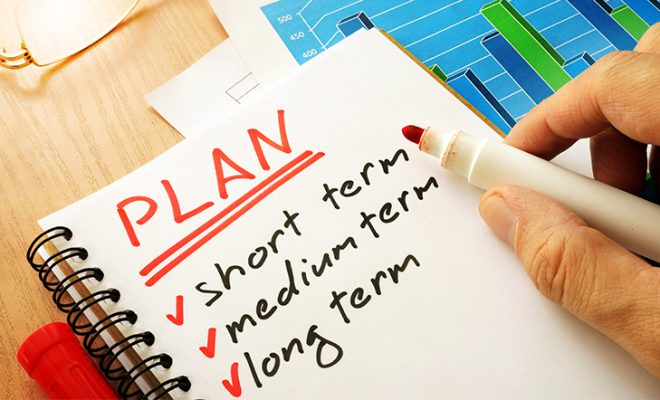
The best advice I’ve ever gotten on setting long term goals is one I heard at a client I was working with. His team was making five year goals. It’s a difficult thing to do. It’s easy to make a vague statement about where you’d ideally like to get to in five years. To make it concrete, he told his team that they had to make a one year goal that bridged to the goal in year five and that they would commit to do before the year was done.

This is something you can do for any longer term goal, from one year to ten. Let’s say you want to run a marathon in a year. Then decide what your goal is for the next 1-3 months that brings you closer to that goal. If you want to own a house in ten years, what are you doing in the next 1-2 years to get there. By committing to shorter term goals, you get greater certainly you will achieve your longer term goals and you get closer to them with each short term goal you achieve.

If you want to set some financial goals, try reading this: How to Save for Short & Medium-Term Financial Goals? | WiserAdvisor – Blog. 

It’s also where I got the image above.

If you are feeling blah, set up an inspiration board

For some people, the first response is going to be: “great idea, but I need some bootstrap inspiration”.  Totally understandable response. So here are seven boards to get you going on making your own: Peek at the Inspiration Boards of These 7 Female Designers

If you first response was something the opposite of “great idea”, then all I would say is try to find 3 or 4 items that represent things you value and have them in a space that you can see often. Maybe they are awards, or pictures of people you love, or items from trips you’ve been on. A cluster of things to remind you of what you have and what you accomplished. They may sit on a shelf instead of a board, but they will inspire you nonetheless. Whatever works.

One thing I would recommend is set the board up so you can change it often. I find if the board is inflexible, you end up not seeing it any more. If you have a dozen images or items you want to post, perhaps post a fraction of them, then switch them around with the unposted ones. It will keep it fresh that way.

It is a slog being locked down during this pandemic. Anything that lifts your spirits help. Inspiration boards can be one of those things. Make yours today.


Tired of cooking during the pandemic? Here’s some ideas to keep you going

Me too. I go through waves of wanting to cook things fancy, and other days when a sandwich is all I got in me to make. If this is you too, but you want more than a sandwich, consider this:  The No-Brainer Meals Chefs Make When They’re Too Tired to Cook

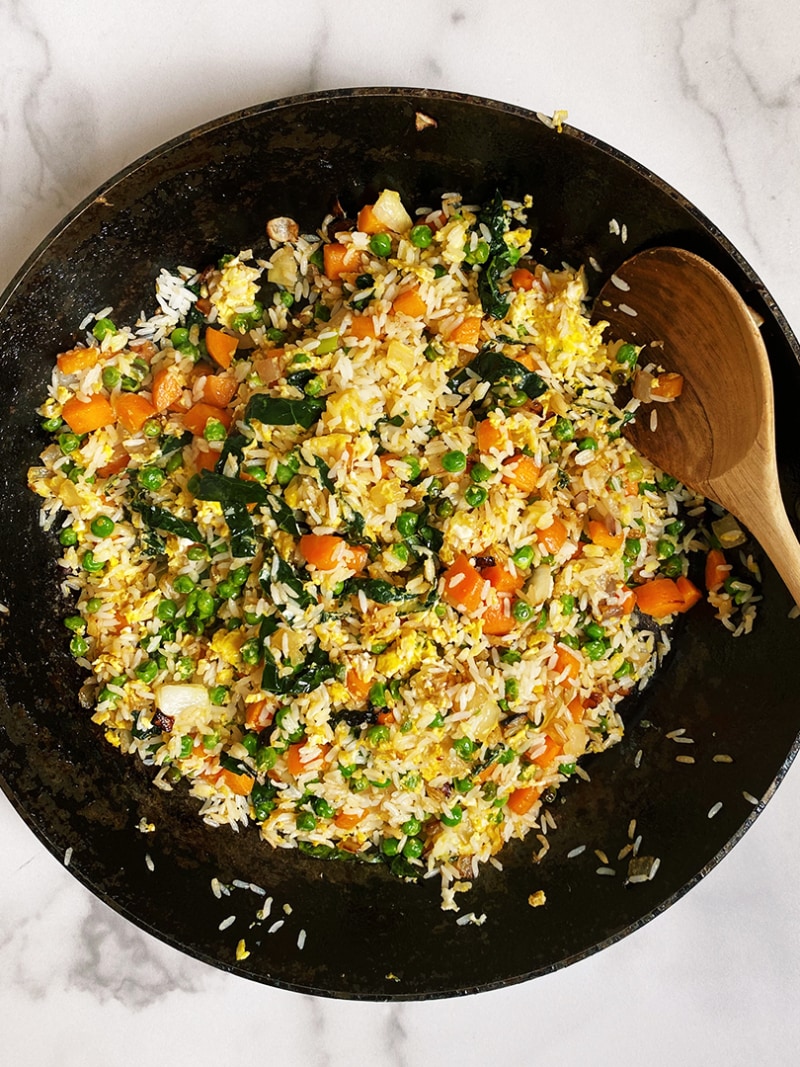
That piece has tried and true meals that can fill you up and satisfy you without having to put a lot of thought in them. One of my favorites on the list is fried rice. A great way to use up ingredients at hand, and it always tastes great for something requiring minimal effort.

Sure there is take out, and that’s fine. And perhaps one day soon we can sit in restaurants again. But if you are stuck with having to making something, consider the somethings in that list of meals.

(Photo by Ali Cayne.)

A checklist to review for when you aren’t motivated

If you are trying to be motivated but are struggling, then take this review:

  1. Are you tired? Perhaps you are too tired to do anything. Maybe your first goal should be to get some rest and refreshment.
  2. Is there some other physical problem? Maybe you are hungry or dehydrated or sore or sick? If so, your first task should be to deal with that problem
  3. Is it your environment? Sometimes it’s hard to be motivated if your environment puts you off. First up, fix up your environment. Even small changes can make a difference. Think about how better you will feel if you do those changes and use that to energize you to make them.
  4. Is it your mental state? Maybe you are anxious or depressed? If so, look into what you can do about that: talk to a friend or a professional or your doctor or look into online services.

I can add more and more things to this list. So can you. The point is, when conditions are good, it is much easier to be motivated to do the things in front of you. If conditions are bad, then your motivation should switch to improving your conditions first. And chances are if you are tired or sick or stressed, you are motivated to improve them anyway. Recognize you are motivated, just not for the things you feel you should be motivated for. And that’s fine.

Don’t Want to Pay for Art School? Here’s how you can get similar benefits from home

Before the pandemic, I would not have taken this too seriously. But with everyone studying from home, I am taking it a bit more seriously.  And even without the pandemic, there are benefits to this approach. So if you want to get some of the benefits of going to art school without going to art school, check out this piece and this syllabus: Don’t Want to Pay for Art School? Here’s a Streamlined Syllabus for Getting Your Own DIY MFA at Home | Art for Sale | Artspace

Key passage from that piece:

Art schools are renowned as being inspiring places where art lovers can imbibe the history and practice of their favorite creative disciplines among like minded strivers. They’re also known for being very expensive (and not necessarily remunerative). Happily, we can offer an alternative avenue to learning. Here, …find a syllabus that will give you the tools you need to navigate today’s art world—taught by some of the greatest artists and thinkers in the world.

If that appeals to you, get a copy of that syllabus and get studying.

Having problems reading? Then avoid these books

It’s always tricky posting a list like this, for the minute you do, many people will go over it and disagree with it. They will say, “but The Ambassadors is my favorite book”. Fine. Read this list and decide for yourself: 21 Books You Don’t Have to Read | GQ

Many of these books you will be familiar with. (Ahem, The Bible.) You may have them somewhere in your house. Perhaps on your nightside table. Hopefully this will save some of you from spend time struggling to read a book you shouldn’t even be reading.

Life is short. There is an endless list of books you can read. Read the ones you want to.

Darebee has great meal plans too (if you feel the need to get off the all you can eat pandemic merry go round)


The pandemic working from home has been hard, and for some of us, eating has been a source of joy. However, I am feeling the need to eat better and maybe even shed a few pounds. For help, I am turning to one of my favorite sites for this: Darebee.

I love DareBee.com for it’s fitness routines and the great posters they provide.  They have made getting in some exercise a breeze. But they have other things to help you get fit and live better too. One section of the site is dedicated to Meal Planning. You can find lots of great items there, including ones to help you transition to a vegetarian meal routine

If you feel like eating better, consider checking this out.

It’s that time of the year and seeing how people are into it, here’s how to start a garden without a backyard


I’m seeing lots of people growing pandemic gardens in their homes using scallions, celery, etc. I think that is cool. If you’ve done that, or if you want to go to the next phase, read this: How to Start a Garden Without a Backyard – The Simple Dollar

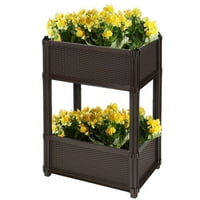
I want to add that many dollar stores will have seeds and other things to get started. You can also shop garden stores online and get supplies that way. You have options.

Of course, if you have a backyard or other areas you can plant, go for it. But if you have more gardening ambitions than you have space, give that a go.

How to choose artwork for your home (plus gallery wall ideas)

If you are thinking of improving your home by adding some artwork, this piece can be helpful: How to Choose Artwork for Your Home – Decorology

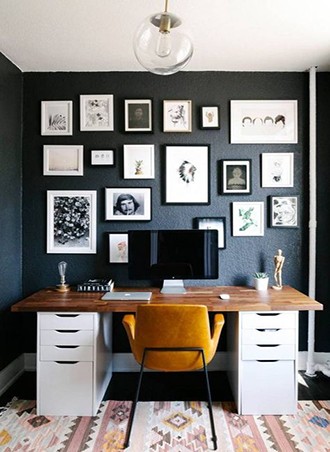
Among other things, there’s some offbeat examples of how to do gallery walls. Sure, you can do strict grid patterns for your gallery wall, but why not try something different, like that wall shown above?

Also, if you are interested in getting great affordable art, check out the works for sale at Art Interiors. They have gallery wall ideas, too.

Pandemic Challenge: read an entire book in a single day

I realize not everyone can do this, but if you are bored out of your gourd right now and are looking for a challenge, why not try to read an entire book in a single day.

If you think: there’s no way I can do that, then read this:  How to Read an Entire Book in a Single Day.

As you can see, it’s quite possible to do it, and with that article, you have all kinds of advice on how to succeed.

The weekend is coming up. This could be just the thing you need to feel some sense of accomplishment.

Let me know what you read!

My six month rule that destroys my negative certainty

Sometimes – ok, often – I will be down and despairing and I will strongly feel I will never be happy again. When I think that, I fall back on my six month rule.

For my six month rule, I think of the times in my life I’ve been happy and I picture that time. Then I picture the time six months earlier. In that earlier time, I think: could I have predicted that I would be happy six months later? The answer is no, I never could. Then I ask myself: is my ability to predict any better now? And the answer again is no. Then how can you predict you won’t be happy again in the future, I wonder? And I have to answer: I can’t. For me that is enough to break out of my negative fortune telling about the future.

Maybe I won’t be happy in six months. Maybe I will be worse. Who knows? I sure don’t. So I get in with things and hope and work for the best and I stop trying to predict the future and I stop letting this predictions determine the way I feel right now at this moment.

On the benefits of repetition


You might be thinking at this stage of staying home that there is no benefit of repitition. But Darius Foroux makes the case for the benefit of repetition here: All Strength Comes From Repetition.

I get it: you might be sick of the repetition you are currently undergoing. For me, part of that sickness is this pandemic repetition is forced and prolonged and with an unknown end date. But we are all stuck with it. Here’s a way of thinking of it and acting upon it in a positive manner.

Good luck. Get better.

How to hack your workout routine so you do it more


Ok, fine, your workout routine right now might consist of opening the fridge thirty times a day. That’s fair. It’s hard to get motivated to exercise during a pandemic.

But you might be trapped in thinking that a) I am feeling crappy because I am not exercising but b) exercising makes me feel crappy. It’s a dilemma.

I think this article can help you out of the dilemma: Maybe You’d Exercise More If It Didn’t Feel So Crappy in FiveThirtyEight

I’d rather you read it then summarize it. I will say that one way to get out of the rut you are in is to reconsider what you are exercising for. You may have high goals, and if so, great. But if your goals are: “feel better” then there are plenty of ways to exert yourself (i.e. exercise) that are not crappy. A good long walk (preferably with a destination, at least for me), a bicycle ride, or running around the park with your dog (don’t just stand there) can all work. Stretching daily as a way to break from work is useful. Go to the dollar store and get a jump rope and get outside and skip again. Grab a garbage bag and go pick up some litter (I saw someone on twitter doing this). Do some woodworking or do a lot of batch baking (if you haven’t been exercising, you will find this tiring). Plenty of ways of being active. Or do things like the article says: start off hard into your exercise routine but gradually make it easier and easier.

Most importantly, find an easy way to track it so you stick with it. You will likely find yourself feeling better, or at least less crappy.

You’ve been working from home for awhile. You need to spruce up your space. Here are some ideas. #wfh

Many of you have been working from home for several weeks now due to the pandemic. You may be getting fatigue for a number of reasons with your environment. Worse, you might have to keep doing it for some time to come.

Don’t fret. Here’s 10 Home Office Ideas That Will Make You Want to Work All Day from Real Simple magazine. Lots of good ideas in that piece, and nice photos to offer up some inspiration. Best of all, most of the ideas are affordable. If you can’t get out to shop and don’t want to shop online, consider “shopping your house” (i.e. take pictures, rugs, clocks, etc from other parts of your home and put them in your work space. Hey, you are there most of the time, why not make it shine). Also Google things like “home office gallery wall” or “home office decor ideas” for more visual ideas.

If you feel you need to cut your hair at home…

My first question is: really? Are you absolutely sure? Positive? Can’t just use some hair product or a hat?

Ok, if you are still determined to do the deed, then consider reading this:  How to Cut Your Own Hair at Home (Long, Short, Wavy, Curly, Kids, Bangs) | WIRED.

Despite being in Wired, it is surprising detailed and gives lots of practical advice.

Good luck. And if you are using anything electric to cut or trim, make sure it is well charged and not old: you don’t want them giving out on you midcut.

Two ways to relieve stress and be mindful without meditating

The first one is make art. It can be of anything with anything. Draw, make collages, do simple painting. Anything. Why? As David Hockney says:

“We need art, and I do think it can relieve stress,” he said. “What is stress? It’s worrying about something in the future. Art is now.”

And if you can find the ingredients, try and bake bread. It’s also good for getting you to focus on the now and stop worrying about the future.

Read both pieces I’ve linked to. Then get busy.

How to clean with vinegar

Hey. You’re home. You feel: I might as well clean this place. Or maybe you want to get started on your spring cleaning. Good. Here’s a great list of how you can replace many of your kitchen cleaning products with just vinegar (and maybe a bit of water): 18 Places You Should Be Cleaning with Vinegar in Your Kitchen | Bon Appétit

Save money. Cut out those terrible chemicals. Learn some skills. 🙂

How to get more cooperation from your kids regarding chores and morning activities

For people struggling with their kids while they work from home, this piece from The New York Times in 2018 might help. I think a lot depends on the personality of the child, but for some of you, it just might be the thing you need. In a nutshell, they did this:

We devised a personalized morning checklist for each child — with their input. And we created a breakfast menu and a lunch menu, just like the ones they give you in hotels. We’re talking the works here. For breakfast the children can have cereal, muffins, eggs however they want, smoothies. You name it! And the lunch menu is equally expansive. Each night the kids complete their menus for the next day’s breakfast and lunch.

How to whip your inbox into shape? Do this.

Are you one of those people who have hundreds if not thousands of emails in your inbox? Would you like to get down to Inbox Zero? Or Maybe Inbox 99? If so, try this approach:

1) First, for these next few steps, you will not open or read ANY emails. Just look at your inbox.
2) Second, sort your emails by sender. Go through and delete all emails you don’t need: email from people you don’t know or don’t care to respond to, emails from mailing lists (don’t worry, they will send you more), unsolicited email, spam, emails from your ex, etc. Delete delete delete. Read nothing.
3) Third, sort your emails by date. Delete all emails that are a year old or more. Can’t bear to do that for some reason? Then if you must, create a folder called “Attic” or “Basement” and put them there. (You will no more read them then you will look at the stuff you have stuffed in your real attic or basement either, but if it makes you feel better). Again, no reading: delete or file.
4) Ok, you have emails from the past year. Go through and sort them by subject. See all those emails with the same subject, or the “re: re:…”. Chances are you only need to keep one of those. Then delete the rest.
5) Now sort them again by date. Go to the oldest. For everyone you see, ask yourself: is this referring to something that’s over or resolved? If so, delete it or put it in the Attic folder.
6) Go through emails from newsletters. Open only to UNSUBSCRIBE. Otherwise delete.
7) Reminders for bills, etc. Write that down then file or delete.
8) Meetings that have past? Delete.

Now whatever emails you have, you can open. Try to skim them, but do this:
1) If it is an FYI, file or delete. Do NOT reply.
2) If someone did you a favor or a service, reply through non-email: a message, text or phone message even. Do not reply by email.
3) If it is a complex email, figure out what the ACTUAL request is. Write it down. Send them an email just with the request and your response; file or delete the other email.

Now the only emails you have left that are either from colleagues or family and friends. Deal with the most important ones first. Of those, make lists of what they are asking. Then consider whether to just deal with them the next time you see them. Whenever possible, do not reply via email.

By this point you should have alot less email. Look at you being all productive and efficient. Congrats! You did good.

Five ways to think about flattening the curve and other things related to COVID-19

Chances are you’ve seen this chart: it’s strongly related to the justification for all the dramatic changes that have been happening. Now there’s some counterarguments that it will not work: Squashing the curve? | plus.maths.org

First off, the chart is a model, and like all models, it makes assumptions. For COVID-19, the first  assumption it makes is that the outbreak will rise and then drop off. I am not sure this is true, and I don’t know if anyone else is certain either. There are good reasons to make this assumption, but certainty will come later.

Another big assumption this chart makes is that social distancing will bring the cases down so that there is enough health care capacity to handle it. I think social distancing will bring things down, but the health care capacity could still be overwhelmed.

Is social distancing useless then? I think that is the wrong question, and the wrong way of thinking about things. So how should you think about things?

First: think skeptically. I would say you should keep an open mind but be skeptical about information on the Internet. Things are changing all the time, and there is so much we don’t know. Be doubtful of anyone with strong certainty about this.

Second: think optimistically. My thinking was pessimistic before, but I think I am changing to being optimistic about how we deal with the disease. There are lots of positive signs out there and there are many people working to get more resources thrown at this.  It will make a difference.

Third: think maximally.  Continue to wash yourself with soap often. Continue to practice social / physical distance. Continue to do anything that a recognized authority says will help. More action is better than little or no action. Some action may be no better than eating chicken soup, but you don’t know. Just make sure you are following a recognized authority.

Fourth: think practically. You have to make tradeoffs. Some people have to travel outside to get to work or get groceries.  Try to minimize them. But don’t beat yourself up either. Do the best you can. Be cautious, but don’t panic.

Fifth: think and act healthy. The better you take care of your health, the better off you will be. There are other ways to get sick besides COVID-19 that could also land you in the healthcare system. That won’t help.

Houseplants for people terrible with plants

If you are terrible with plants, like me, and want to get some plants regardless, then check this out: Houseplants You Can’t Kill – Dwell.

The plants are:

  1. Snake plant
  2. Cast iron plant
  3. Jade
  4. Aloe
  5. Rubber plant

Relatedly, my office recent had plants added, and the plants added were from this list. So far they are doing fine. Let’s see if I (and you) have similar results.

For all of you performing (or interested in performing) mindfulness…

For all of you performing (or interested in performing) mindfulness, I recommend you read this: The Honest Guide to Mindfulness : zen habits.

If you have been doing mindfulness for awhile and you are getting frustrated or giving up, then it can help ease your frustration and prevent you from quitting. If you are new to mindfulness and concerned you won’t be able to do it effectively, then it can help give you some perspective.

Mindfulness has been good for me. I am looking forward to reading this from time to time whenever I find it difficult.