Your problem is actually a solution. And that’s the real problem. Which calls for the real solution.


Your problem is actually a solution. And that’s the real problem. Which calls for the real solution.

Let’s unpack that.

Many of the common problems we have are actually solutions for underlying problems we have. So if you have a problem with: eating, drinking, smoking,  sleeping, shopping, etc. too much, you need to look at those behaviours not just as problems but as solutions to underlying problems. You might be indulging in those behaviours because they solve your underlying problem of being anxious, bored, tired, etc. If you try and solve the problem of doing something too much like eating without dealing with the actual problem, you will have a difficult time. And you will have a difficult time because you will may have taken away the solution for the actual problem you were avoiding.

One approach to start dealing with this is get out a notepad and write down what problems you are struggling with and try to get underneath them and see if those problems are actually solving other problems. Then write down those problems and see what you can do to solve them. If you can make progress in solving the underlying problems, you might find that the other problems dissipate.

As always, talk to a professional if you think or feel that your problems are harming you. Take good care of yourself; get help if you can’t do it alone.


Have you had your joy snack today?

Who doesn’t want to feel more joyful? And who doesn’t like a snack? If you are still with me, then let me introduce you to the combined concept of a joy snack. As Neuroscientist and science journalist Richard Sima explains, these are:

… little moments of delight you experience throughout the day: He calls them “joy snacks.” These include things like your first sip of coffee in the morning, or telling a joke where the punchline hits just right. By savoring even small bites of bliss, you can transform an otherwise mundane moment into something joyful. And cultivating more joy can help you create a more meaningful life.

I like it! Joy and snacks: two great things that go great together!

For more on this, check this out: An easy way to feel happier: Snacking on joy. In The Washington Post.

Now get snacking!

How cooking and other things can achieve mindfulness benefits


While mindfulness exercises can bring many benefits, benefits you might want, not everyone is cut out to do them. Even people who like them sometimes struggle with mindfulness exercises.

The good news is that other activities can bring similar benefits. This piece argues you should try cooking if you want the benefits of mindfulness. Now some people hate cooking, but read that piece and see if cooking could help you with the sort of thing mindfulness does.

Besides cooking, some people find cleaning helps them clear their brain. I used to find doing woodwork would do it for me. Maybe exercise is the thing that could replace mindfulness for you. Or yoga. Or bowling. Who knows? It all depends on the individual.

If mindfulness activity is working for you, that’s great. If not, don’t despair. There’s many ways to achieve the same benefits. Find the one best for you.

Homelessness is a concurrent disorder in a number of ways

When we talk about the Poor in 2023, we speak of the Homeless. In some but not all ways, this makes sense. Anyone without a home is by default poor (unless you are very rich). And it makes sense that tackling homelessness is the best way to tackle the problems that poor people have. But it’s not enough to stop at homes: we need to treat poverty as a concurrent disorder.

If someone has addiction problems and mental health problems, professionals like those at CAMH in Toronto will treat the addiction first while taking into account the mental health problems. I think the same has to be done with poverty.

Indeed, this piece at newscientist.com says that “decades of research have shown that focusing on housing, without making sobriety or mental health treatment a prerequisite, is the most effective way to reduce homelessness”.  People need shelter first if they are to improve their lives.

But shelter is just a start. As this shows, “110 unhoused people died last year in Toronto homeless shelters”. Poor people need more. Otherwise they will have a bed (if they are lucky), but die if they are not cared for.

Part of the challenge is the homeless poor can be difficult to care for due to many reasons. It takes a special set of skills to do so, as this piece shows: “You Have to Learn to Listen” How a Doctor Cares for Boston’s Homeless. It’s not enough to just provide facilities and insist they should go to there.

Another part of the challenge is that people don’t care, either because they are indifferent or they have a peculiar moral code that stops them from providing for those suffering from being poor. So you have politicians providing ridiculous restrictions on what poor people can get with SNAP in the US: No more sliced cheese under Iowa Republicans SNAP proposal. Or you have a councillor voting No when Toronto’s council declares homelessness an emergency and asks for more aid to deal with the growing problem.

So the Poor need homes. They need better care. They need food. All basic needs. Some of them need more, like help with addiction problems. From there they need to develop skills. Otherwise they run into the problem of what to do with themselves when they no longer need to scramble to find money to buy booze, as this piece showed.

There are others besides those who are Poor who need those things: those of us who are not Poor. Shelter, food, healthcare, occupation…we all have those needs. We need to find a way that all of us can get access to that, not just for the betterment of individuals, but for the betterment of our society as a whole. Right now our society has a concurrent disorder. Dealing with homelessness may be a good way to start to tackle it, but we need to take into account more than that as we move forward. It’s the only way out society can get better.

P.S. For more on the SNAP cutbacks, read this: No SNAP for you – by Pamela Herd and Don Moynihan. Thing you could live on what SNAP provides? Read this: Snap Challenge | Budget Bytes.

Food insecurity is often tied to other problems, like whether to get food or heat and other utilities. This is a striking story that illustrates that cruel fact.

It doesn’t help if we don’t know how many homeless people they are. According to this, there are over half a million homeless people in the US. And they may not be where you think. For example, the state with the second-highest per capita homeless rate in the US is…. Vermont. That surprised me.

This also surprised me: the story on how the mayor of  Bend, Oregon who helped the homeless ended up becoming homeless himself.

Finally, this piece about how in Kitchener-Waterloo, Ont., the problem of chronic homelessness is being addressed by a community of tiny homes called A Better Tent City had me thinking continually about homelessness and poverty since I came across it.



Friday fitness links (April 2023 edition)

Here’s some more useful links on staying fit, physically and mentally. Plus some things on sleep, because sleep is an important part of fitness. And more!

Fitness:

Diet:

Mental fitness:

Sleep:

Misc:

For people whose mental health affects their home’s cleanliness (and vice versa)


The New York Times has a good piece exploring the link between mental health and messy homes — as well as and how to deal with it — here, Why Clearing Clutter Can Feel Impossible.

For some people, a chaotic home can lead to more mental health problems which can lead to more chaos. The spiral needs to be broken. That article can help.

On the mind and mental health


I sometimes posts links I find on physical health, which is all well and good. Here’s some pieces on mental health care and the the mind that I found worthwhile.

When I would run I was always struck by how I felt physically would literally changed my mind. If I was having a good run, positive thoughts would spring up. If I was struggling, plenty of negative thoughts arose. So I thought this was a good reminder of how our body — in this case, our physical heart — influences what we perceive and fear. Relatedly,  when you feel sick, you can thank your brain. It’s a good reminder to me of the tight interconnection between our physical and mental health.

An important way to take care of your mental health is therapy. Here are a few pieces on the topic. Therapy is important and useful, but it has its limits. For example,  this is a sad reminder of the limits of mental health therapy.  More on the topic of the limits of therapy, here: The philosophical roots of CBT help explain its limitations.

Moving on to a practical note, here’s a good piece on the importance of rituals. And this piece on training your brain for hard things is good. As is this one on how habit stacking will trick your mind into adopting a new habit.

Let’s not forget exercise. A reminder that even a single exercise session can help shift depression. That’s especially important in the winter time if you suffer from something like SAD. Besides exercise, there are other things you can do for it. See this and feel better.

Finally, if  Jonah Hill can take mental health breaks from his work, we all should.

Mental health is a serious matter, as is physical health. That’s why I think this made me sad: advice columnist does not take the mental health of someone’s dad too seriously.

Take care of yourself, mentally.

Summertime fitness links, July 2022


Here’s a list of things on fitness and health I’ve been collecting that you may find useful. It’s summer: at the very least it’s a good excuse to walk more and eat salads more. 🙂

Exercise: a nice list of articles on getting in shape…

Diet/weight loss: four pieces on losing weight

Health in general:

What is healthy? (My fitness and health links for December, 2021)


Here’s some links on fitness and physical health that are not typical. For example, I Did 340 Pushups a Day to Prepare for the TV Version of Prison. Then I Got There. Reading about this:  Emily Ratajkowski‚Äôs New Book Tests The Limits Of Self-Awareness got me thinking about this Dear Younger Me: Lauren Fleshman. Sometimes we push yourselves from the extremes of one form of unhealthiness to another. You may think these  Sample Menus for a 1 200 Calorie Diet can help you lose weight, but if so you should read this: 1 200 Calories a Day Is a Starvation Diet Actually, you may change your mind.

I still think carrying a lot of weight is unhealthy. As did this father: He Struggled to Play With His Daughter So He Turned to the Couch to 5K App to Lose Weight. Find your own level and continually move in the healthier direction.

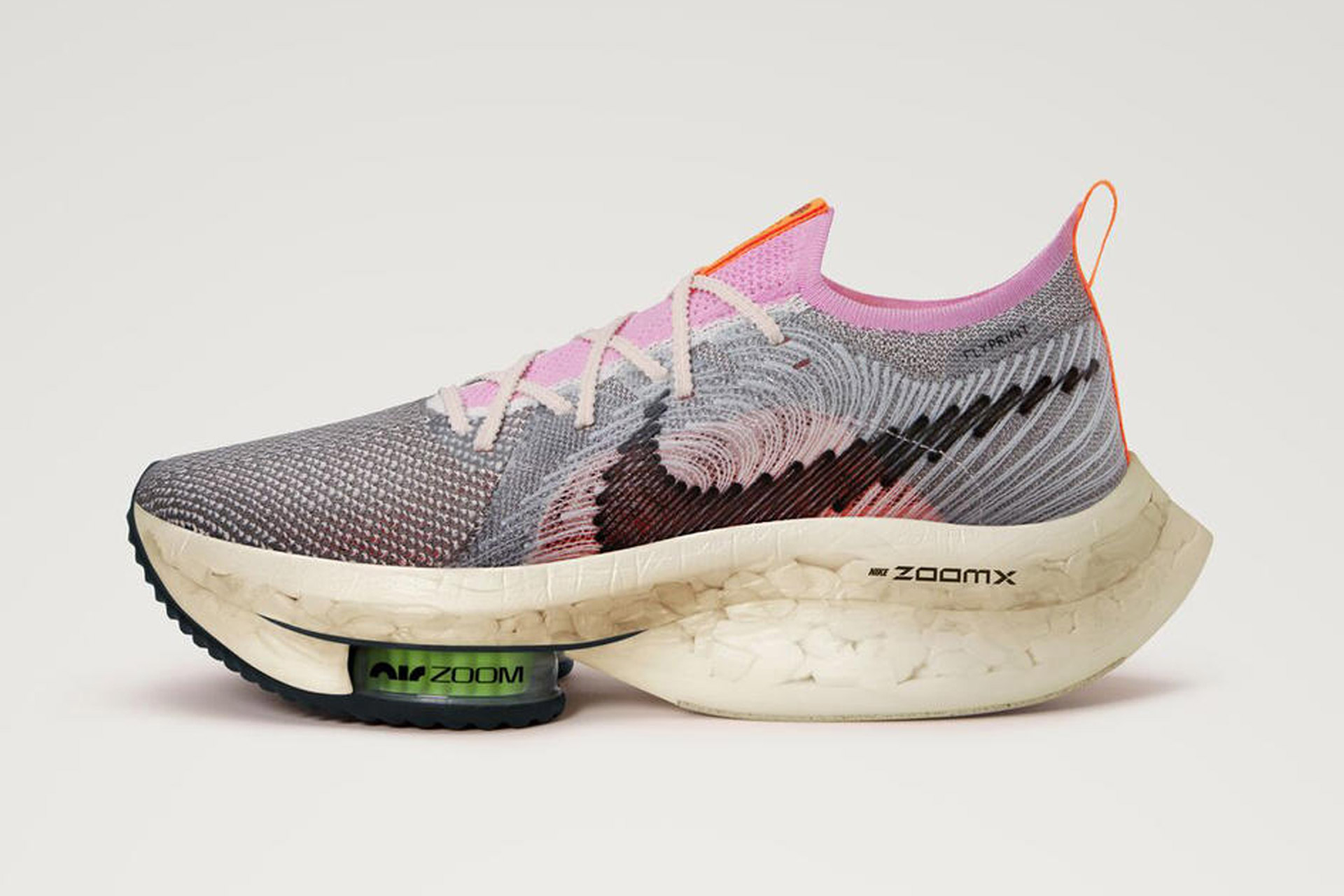
If you use a fitbit, read this: How Many Steps Do You Really Need Each Day? If you are in the market for one, check this out: Your Fitbit Can Now Let You Know Whether You Snore. If you are looking for new shoes, consider these: Nike Air Zoom Alphafly Next Nature Running Shoe via Uncrate.

(Image via Uncrate)

13 good links concerning the mind and mental health November, 2021

A sign tha says use your brain
Here’s 13 good links on the mind and mental health I’ve gathered over the last few months. Most of them I’ve read at least twice.

  1. An interesting idea:  Can a short behavioural boot camp really grind anxiety to dust?
  2. A good way to think about feelings, from Austin Kleon:  What to do with your feelings.
  3. I can’t vouch for this, but it is interesting:  How to Microdose Weed for a Super-efficient Subtle High.
  4. On  Loneliness: coping with the gap where friends used to be.
  5. A thoughtful study on loss and grief:  Nothing Could Prepare Me for Watching My Wife Slip Away.
  6. This Theory Explains How Consciousness Evolved. Worth reading.
  7. Also worth reading:  Why We Choose to Suffer
  8. I found this really thought provoking:  What if emotions aren’t unniversal but specific to each culture?
  9. I didn’t really agree with this, but it is worth reading:  The Difference Between Hope and Optimism
  10. This was very sad:  LISA LUCAS: All the love in the world couldn’t save our son from drugs.
  11. This is good to read after the one above, I think:   An Artist Describes His Brother’s Struggle.
  12. This is a great way to approach things:  Everything is a Practice 
  13. And finally:  The Empty Brain 

(Photo by Jesse Martini on Unsplash)

On the passing of Aaron Beck, developer of Cognitive Therapy

Last week Dr. Aaron T. Beck died. He lived a century. As the Times said, his

brand of pragmatic, thought-monitoring psychotherapy became the centerpiece of a scientific transformation in the treatment of depression, anxiety and many related mental disorders

I’d argue he did as much if not more for the health and well being of people than any doctor or scientist.

I highly recommend reading this: Dr. Aaron T. Beck, Developer of Cognitive Therapy, Dies at 100 – The New York Times. I was fascinated to see the pushback he received over time, and how he fought back against. Truly a great man.


Eight links to help you have a fitter fall. (Or my fitness and interests for October, 2021)

It’s fall and it’s a pandemic, but gyms are opening wide up and no doubt you (and I) want to get some of our fitness back. Here’s eight links I’ve found recently that could help:

(Photo by Jonathan Borba on Unsplash )

A different kind of notebook: The Anti-Anxiety Notebook

Yesterday I recommended a paper planner. Today I am recommending a different type of paper product, The Anti-Anxiety Notebook. If you suffer from anxiety and cannot get the help you need to deal with it, such a notebook can help you. If you can get help, this notebook could supplement it.

It’s a well-designed book for dealing with anxiety and the approach they recommend I found useful in my dealings with my own anxiety. If you are interested but unsure, talk to a medical professional about it. But please check it out if you or someone you love suffers from anxiety.

(Photo by Ashley West Edwards on Unsplash )

How to clean your house (and other things) if you’re depressed (or down in general)


I really found this article worthwhile: How to Clean Your House When You’re Depressed

It’s worthwhile reading even if you are not depressed. There can be times when it is too hard to clean your place. Unfortunately, a messy place may lead to more sadness and stress. Applying the lessons in that article can help alleviate that.

Now your house may not be messy, but you may be suffering from being down and not able to do other chores. Again, try and apply the lessons in that article. It may help you make progress, and clear signs of progress can often help.

Good luck. Go easy on yourself.

On Anger

It is natural to feel angry at times. As the Mayo Clinic explains, anger is a natural response to perceived threats. What you do with your anger is what is important.

For some, stopping your anger is what is important. Some but not all. This piece argues that anger can be a public good. On the other hand, this article compares it to a form of madness that needs to be curbed. Certainly if you have kids, especially kids with severe difficulties of their own, knowing how to regain your sense of calm (as this pieces shows) is important.

My personal view is that anger is like a fire, and while fire has its uses, it is generally someone you want to contain if you don’t want to cause major damage to yourself and others. It is worthwhile to examine what you perceive to be a threat and try and break it down and determine if it really is a threat. Often the things we fear are not as threatening as we imagine. Plus sometimes we feel that way because we are tired or feeling isolated.

The last piece I want to recommend on anger is this piece in Zenhabits.

(Photo by Yaoqi LAI on Unsplash)

Are you more worried these days? This can help


Are you more worried these days? Ha! I know you are: I see your tweets and your socials! Hey, it’s fine. These are difficult days. That’s not a licence to worry your head off though. Difficult or not, being able to worry less is a good skill to have.

If you don’t think it is a skill you have much of, read this. It will give you good practical tips to deal effectively with your worrying. Better yet, read it with a pen and paper handy; when you are done, write down a practical plan to change your worrying.

Worrying is a habitual way of thinking that can cause you damage. The good news is you can break that habit and change your thinking and have it shift away from worrying.  Worrying is like smoking or eating badly or any other harmful behaviors. Behaviors you can change. So set your mind on a different form of being. You’ll be calmer and more positive soon enough.

(Photo by Henrikke Due on Unsplash)

Gardening as a form of mental wellness

Gardening is a tricky hobby. I’ve always associated it with older people. Which makes some sense: if you go to a gardening center in spring, it will be packed mainly with old folks. This is a bad prejudice to have. As this article by Samin Nosrat showed me, gardening can be a great activity to help with one’s mental wellness.

She starts:

Last winter I suffered a devastating bout of depression. Unable to do much else, I took to the neglected beds of the vegetable garden I share with my neighbors. Weeding and composting for hours a day, I was regenerating both the soil and something deep in myself. It felt so crucial to my well-being that sometimes I wore a headlamp to extend my work time past the waning daylight.

It’s worthwhile reading the entire article. She makes a great case for the goodness that gardening can do for you. After you finish it, you may want to rush out to a garden center and get started on your own garden and improved mental health.

(Photo by Benjamin Combs on Unsplash)

Lighten your mental load by lifting a physical one: lift weights to lift depression

You may hate lifting weights, but if you struggle with depression, even from time to time, then you should consider it.

More details, here: Resistance Training May Help Relieve Depression (Time)

What are you looking at in terms of exercise? It says:

He recommends following the guidelines provided by the American College of Sports Medicine: doing strength training at least two days per week by performing eight to 12 repetitions of eight to 10 different strength-building exercises each time.

Sounds hard, but it isn’t. And if you need some exercise routes, go to Darebee and find some routines you need.

Why running may help your brain

Based on this older study (For Your Brain’s Sake, Keep Moving – The New York Times), it seems like running helps the brain grow better. It’s a good read. It may also explain, at least in part, why people’s brains are not doing so great lately with the lockdown due to the pandemic.

We rightly attribute running to helping our muscles and our cardiovascular system. It seems to help our nervous system as well. Try to get out and move if you can.

On being grateful (and a good alternative to it)


I have read in many places that it is good to be grateful. To be thankful. Here is one such article: What Does It Mean to Be Grateful? – Mindful. If that works for you, then I recommend it.

I find a simpler and just as effective approach is to acknowledge when something is good. Wake up feeling rested? Say “This is good”. Enjoy your cup of coffee or tea or even just being up? Acknowledge that “This is nice”. As you go through your day, make an effort to consciously acknowledge all the good things big and small in your life. You’ll find many. And if you can’t, that’s ok too. Work to appreciate the good things in the bad. Rainy, overcast day? Good for flowers. Monday? A new week to do something good. Etc. If you struggle to think of any, talk to a friend or some other council.

You have lots of good things in your life. As you appreciate them, you will better appreciate your life in general. And that too is good.

A good list of light therapy lamps for S.A.D. (Seasonal Affective Disorder)

The bad news: for people in the northern hemisphere, the days are getting colder and darker.

The good news: if you are one of those people who suffer from S.A.D., then this is an excellent list of lights that can help you deal with it: The Best Light Therapy Lamps for Seasonal Affective Disorder | Apartment Therapy

Better still, there is a wide range of price points and some of them are relatively inexpensive.

Check out the list. If you know someone who struggles with this, then consider this an excellent gift idea.

Bonus: This post was written in 2017. Since then they have updated their list, so check it out again.