I have come across the idea of completing the cycle when it comes to cleaning and it has made a difference in how I perceive cleaning.
I hate cleaning, but a contributor to that was I didn’t complete the cycle. If I was making a meal, I’d start the cycle by getting out the ingredients, then cook them, then eat them. The end of that cycle is putting the ingredients away and doing the dishes. But I didn’t commit to that, which meant the dishes would pile up. The same was true of other activities: I would stop at the satisfying part of activity (e.g. eating).
Once I committed to completing the cycle, things improved. I recognized that doing any activity meant I had to clean up at the end. Cleaning wasn’t a separate activity: it was part of the overall cycle of the activity.
I thought of this again when I read this piece in VOX on the vicious cycle of never-ending laundry. In it they are so close to getting it. It’s true, laundry is a cycle. They seem to think of it as something you can complete. You can never complete doing laundry, any more than you can complete cleaning your bathroom or complete eating. They are all cycles. The best you can do is complete a cycle of whatever you are doing.
Think of laundry as part of a bigger cycle of caring for your clothes, which is an extension of caring for yourself. There are any number of things you do to care of yourself during the week, from getting good sleep to exercising to…well, washing drying and putting away your clothes. Laundry is all part of that cycle you do every day and week to take care of yourself. It’s part of completing that cycle. Don’t think of it as a separate activity. (Unless you actually love doing laundry. :))
Completing the cycle: a smarter way to clean up and stay clean.
P.S. For more on the “Complete the Cycle” Cleaning Method, read this.
I also thought that this piece in the New York Times has some good advice on how to clean was good.
Finally, if it is all too much, the Washington Post has an article on how to fake clean your house. Hey, whatever works.



 Hindenburg Research has an interesting business model. It does research on businesses that are bloated (for lack of a better word), shorts their stock, then publishes their research. Result? Profit.
 It’s a vain exercise to try and measure and compare genius, but that hasn’t stopped this scientist from saying that


 I’ve often encouraged smart people I know to blog about what they know. Often they tell me stuff and I think: everyone should have the privilege I have to hear this.
 When we talk about the Poor in 2023, we speak of the Homeless. In some but not all ways, this makes sense. Anyone without a home is by default poor (unless you are very rich). And it makes sense that tackling homelessness is the best way to tackle the problems that poor people have. But it’s not enough to stop at homes: we need to treat poverty as a concurrent disorder.





 The four words are Most Advanced Yet Acceptable. It’s why things used to come with the label “New and Improved”. It’s why Spotify creates playlists with songs you know and songs you don’t. It describes what keeps you coming back to old restaurants (today’s specials). As
/cdn.vox-cdn.com/uploads/chorus_asset/file/23996930/girl_with_a_pearl_earring.jpeg)





 Did you know you can still get DVDs from Netflix? Well
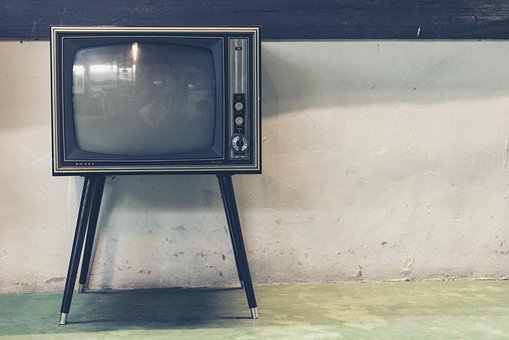 Shows such as the Grammys, the Oscars, and the Emmys give us the chance to consider the media they are based on. One thing to think about is how that old media is under attack by newer media. Music was the first to struggle with this problem. Now with everything from Netflix to Disney+, network television is also struggling but with new forms of TV. As the New York Times writes about this year’s Emmys: