10 Spectacular Roast Recipes That Aren’t Turkey

Many people

  1. want to make a roast turkey for Christmas
  2. do not want roast turkey

If that’s you, Chatelaine has your back with this:  10 Spectacular Roast Recipes That Aren’t Turkey | Chatelaine.

They truly are spectacular recipes, perfect not just for Christmas but any time of the year (ahem, winter) when a good roast is just what you need.

Cook90: a goal for the new year

Can you cook 90 meals in a month? For many it sounds daunting. I like to cook and even I am not sure that I could do it.

If you like a challenge and the idea of it, there is a book you should consider: Cook90: The 30-Day Plan for Faster, Healthier, Happier by David Tamarkin from Epicurious, at Amazon. (Also available in Canada at Indigo).

I heard of it from Mark Bittman and his newsletter (which I recommend also).  One good quote from the newsletter was this:

“Entire industries want us to believe that cooking is so much harder and more time consuming than it really is.”

It’s true that you can make complex meals, but a simple green salad, a fried egg with toast, or those two things combined can make up a home prepared meal.


Thinking about sriracha


This is a great piece: Not So Hot: How I Fell Out of Love With Sriracha | TASTE  by David Farley. Sriracha is starting to reach the level of ubiquity that we associate with ketchup and it’s been so readily adopted that I doubt people think too much about it. If you have feelings about it — love or hate — then you want to read Farley’s piece.

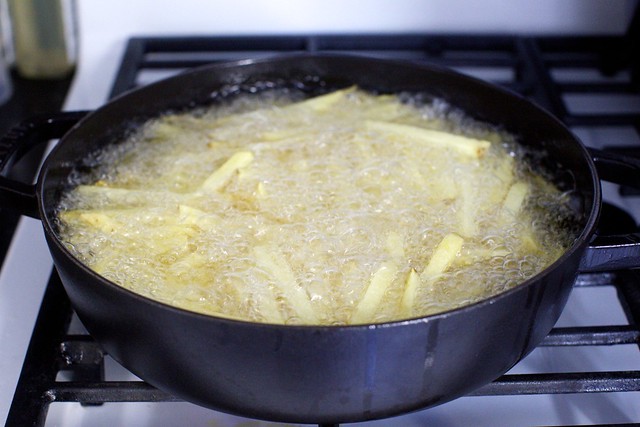
How to make french fries at home with this amazingly simple recipe

This recipe is amazing:  easiest french fries – smitten kitchen.

I have always been intimidated by the idea of making fries/frites at home. It turns out it could not be easier if you follow that recipe. It’s really a case of set it and more or less forget it.

Some notes:

  • I used corn oil because of it’s high smoking point. You could use other oils too.
  • I used a Dutch oven to make the fries.  It keeps the oil from splashing over onto the oven or burner.
  • I found a potato the size of a baseball feeds one person. A potato the size of a softball feeds two people.
  • I used Yukon gold potatoes.
  • I put big flaky salt on the fries right after I fish them out of the oil.
  • Regardless of how long the recipe says, remove the fries when they are a brown gold colour. It could be 20 minutes but it could be less.
  • Serve hot!


Everything you need to know for sheet-pan cooking can be found here

Everything you need to know for sheet-pan cooking can be found here at this page: How to Make a Sheet-Pan Dinner – NYT Cooking

It’s a comprehensive review on how make any meal using a sheet-pan. If you are a fan of cooking that is easy like slow cookers then you want to check this out.

How to guides are great for people who like to come up with their own recipes. It’s also great if you are trying to use up various ingredients in your fridge.

The weather is getting cooler. It’s time to start using your oven again. This guide will help with this.

Cooking at home sucks. It’s also great.

I like this piece: Opinion | Never Cook at Home – The New York Times

The title is deceptive: it is not entirely anti-cooking, and it does talk about the benefits of home cooking, but it does throw a bucket of very cold water on all those excited ideas about how great it is to cook at home.

There are many benefits to cooking at home, just like there are benefits to working out. But there are significant efforts associated with achieving those benefits. Those efforts are likely the thing that can cause you to stop getting out your pans and turning on the oven and head to the local diner.

The other drawback about cooking at home is social media. Now so many people (including me) post photos of the food they make. You might look at your own cooking outcome and get discouraged. When you combine the effort and the outcome, plus the indifference you get from those you cook for, you may never want to cook again.

Like exercise, the trick is to find the right level of cooking that works for you, and not get down on yourself when you aren’t cooking at some level you think you should be cooking, whatever that is. Some days you just need to eat, and a piece of fruit and a frozen meal is all you need to no longer be hungry. Other days you may be enjoying making pasta from scratch. If you find you are in a rut, start a simple log of what you are eating over a week and then look for ways to improve slightly: replace boxed cereal with a cooked egg, make a simple pasta rather than get take out pizza. (Bonus: if you make pasta, you could have lunch made too.)

Good luck. There are rewards to cooking at home, if you find the right level of cooking that works for you. Enjoy the fruits of your labour, however great or humble.

Friday night cocktail: a Sazerac


Arguably the oldest cocktail made, with a fine New Orleans history. I had one the other night with bourbon, which is a good substitute for rye. You can go with just one form of bitters, and mine had Peychaud’s. Try an orange peel: it goes well with the bourbon. Experiment with leaving out the sugar cube: you might find you don’t need it with the bourbon and the orange peel.

Best Sazerac Recipe – How to Make a Sazerac Drink

Are Paris bistros dying? Some thoughts…

bistro
According to this piece, they are. A key indicator/quote pulled from it:

Around 30 years ago, bistros represented about half of all restaurants in Paris…Today…that figure has dropped to 14%.

Bistros are challenged because the cost of providing that type of establishment in Paris is limited by such things as rent — a problem not limited to Paris — as well as international threats like fast food joints.

At one time bistros were fast food joints. But there’s more to bistros than fast food. I agree with that article that says a good bistro should be

open continuously morning to night, serves French comfort foods at moderate prices, and houses an active bar where locals can gather for a drink and some lively conversation

That seems right to me. McDonald’s in Paris will never be a bistro, no matter how fast the food or how French they make the decor.

Paris will always have low cost places to eat (e.g. cafes), but it would be a shame if they lost their bistros. (It would also be a shame if the ones that remain are expensive museum pieces and less casual places to dine.) Best to get yourself to them now while you still can.

A very visual way to remember healthy serving sizes

The good people of Cooking Light have put together an nice infographic on this: Here’s a Handy Way to Understand Healthy Serving Sizes – Cooking Light. 

Now you might find some of them weird (one small baked potato is the size of a hamster) or outdated (an ipod nano…really?) but most of them are relevant and very useful if you are working hard to control how much you eat.


New ideas for summer wine drinkers

For those of you looking to branch out beyond whites, roses, and heavy reds (for BBQ), here’s a good list: Chilled Red Wines to Drink All Summer – Bon Appétit.

Beaujolais is the obvious choice for Gamay, but lots of new world producers make wine with that grape. For Carignan, you may have to look around: if you can find a place that stocks a good selection of French wine, look in the Midi section. Also check out the Spanish wine section. The challenge there is it can sometimes (often times?) be blended with heavier reds. Ask the staff for help if you want something lighter. As for Zweigelt, the challenge there is finding it at all. If you can, get some.

If you want to know more about carignan, check out this from Winefolly.com:

Summerlicious 2018: the deals

I am a fan of Summerlicious (and Winterlicious) in Toronto: it’s a festival of sorts for people who like fine dining . It’s debatable if you are getting a deal on the meals, though I would argue that you are. If you lean the other way, then read this: 10 best deals for Summerlicious 2018 – NOW Magazine. By going to one or more of these 10 places, you’ll dine in a good restaurant and get a good deal as well.

How to shuck and enjoy oysters at home

I love oysters, but I was intimidated by how to successfully shuck them. Turns out it isn’t easy, but with a good guide, like this one, it is a skill  you can master with a bit of practice: Guide to Shucking Oysters With Ease. You need a good shucking knife and some oysters. I also used an oven mitt to protect the hand holding the oyster while shucking them, in case the knife slipped.

Once you have your newly shucking oysters, here’s some good ways to enjoy them, all courtesy of The Spruce website:

(Image via SeriousEats.com)

St-Germain cocktails

If you ever wanted to grab a bottle of St-Germain but wondered how you can use it, then wonder no more. Here’s a list of cocktails you can whip up on a Friday night using the beverage in the lovely bottle. The Bon Appetit one is a simple mix of St. Germain, prosecco and club soda. But they all are good.

Are you in the market for an Instant Pot? You should read this before you buy one.


In case you don’t know, the Instant Pot is

a one-size-fits-all kitchen gadget promising to do everything from slow cooking to sautéing, steaming, stewing and yogurt-making (and more).

Sounds amazing. Despite that, you may want to hold off getting one. At least until you read this piece: Instant Pot review: Is the kitchen tool worth the hype? We test it to find out.

To summarize the review: if you had few appliances or wanted fewer appliances, then an Instant Pot may be the way to go. If you already had a slow cooker or pressure cooker or if you prefer to cook in a traditional way, then you may want to spend your kitchen budget on other things.

But read the article and decide yourself. They do a great job analyzing the device and assessing its strengths and weaknesses.

 (Image via Instantpot.com)

Save money: make your own grain bowls for lunch, starting on Sunday


I think it is great that fast food courts and other eating areas have seen a rise in places serving grain bowls. They are a nutritious alternative to many other meals there.

However, they aren’t cheap, and to be honest, it’s not that hard to make your own grain bowls in 6 easy steps.

Start with this: Healthy Lunch Bento Box Ideas – Bon Appétit | Bon Appetit.

Then cook some grains, roast some vegetables, saute some greens and prepare some proteins. When you get to work, toss on the acid and the dressing and you just saved yourself some money and a trip to the food court.

Good news regarding food and agriculture


The good news is this: There’s More Farmland in the World Than Was Previously Thought | Agweb.com.

There are still problems in preventing hunger and famine, but decreasing farmland should not be adding to that. Good! Now to decrease conflicts and ensure everyone has access to good, cheap, nutritious food.

(image via pexels.com)

Sunday night suppers: grilled cheese with balsamic roasted vegetables 

Here’s a simple little supper to get more vegetables in your life:
Grilled Cheese with Balsamic Roasted Vegetables | A Cup of Jo

Perfect for early suppers, especially as the weather gets chillier. Great way to use up any vegetables in your fridge, too. With this recipe — really a guide more than anything else — you can make all kinds of different sandwiches.

Best way to host a dinner party? Like a Parisian

Paris food
The wise David Lebovitz has great tips on how to host a dinner party in the manner that  Parisians do. If that sounds daunting to you, it shouldn’t. It’s filled with such smart advice such as “Keep it Simple” and “Finish with chocolates”. If you have a dinner party hosting coming up, drop everything  and read and follow this: How to Entertain Like a Parisian Tips – David Lebovitz. . From the good people at Food52.com.

(Photo from here)

Some recipes for late summer, early autumn, and more

Chicken Bulgogi
Mostly good recipes, but some pieces lower down on food

  1. Sauces made simple: The Five Mother Sauces Every Cook Should Know, Five Sauces Everyone Should Know How to Make for Endless Meal Options,  and 5 Sauces You Can Use on Everything – Cook Smarts.
  2. Good for fall:
  3. An Authentic, Maritime Fish Chowder | Laura Calder
  4. Lots of summer dishes here: Summer Express: 101 Simple Meals Ready in 10 Minutes or Less – NYTimes.com, here Caribbean Herb Grilled Fish and here 27 Summer Pasta Recipes
  5. Easy but great: Skillet roast chicken with veggies – The Globe and Mail
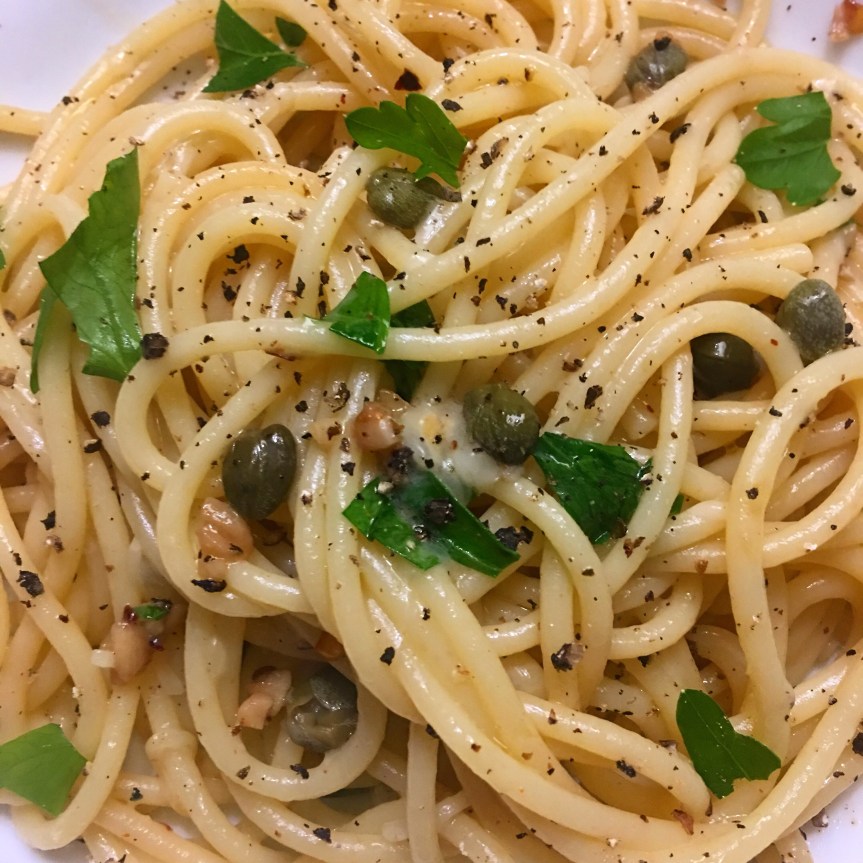
  6. A classic pasta recipe:  Sicilian pasta – Chatelaine
  7. These look yummyBaked Vegetable Chips – Hither & Thither
  8. From David Lebovitz, Chicken bulgogi
  9. For vegetarian or those that want to be: 21 Vegetarian Burgers, Wraps, and Sandwiches to Make for Meatless Monday | Kitchn
  10. More cool weather food: Classic French Cassoulet Recipe – Bacon is Magic – The Best Food Around the World
  11. More soups! Sweet Potato Minestrone | A Cup of Jo
  12. These look fantastic: belgian brownie cakelets – smitten kitchen
  13. More D.L.: Tangerine Sorbet Recipe
  14. Easy but looks professional. Also tasty: Stacey Snacks: Healthy & Delicious: Cod Provencal
  15. For fall and winter too: Easy French Hot Chocolate | Chocolate & Zucchini
  16. Eat more greens with better vingaigrettes:  An Easy Template for Citrus Vinaigrette, 5 Ways | Kitchn
  17. More Caribbean food from Chris: Roasted Tomato And Bacon Soup Recipe.
  18. Eat more grains: Apple Cider–Cooked Farro Recipe | Bon Appetit
  19. Make those herbs last: Why Freezing Is the Best Way to Preserve Cilantro | Kitchn

And now for some non-recipe related food links:

  1. What I learned not drinking for two years – Medium
  2. I hate food: For some of us, eating is just about sustenance – The Globe and Mail
  3. How to Start Cooking (Even If You Feel Doomed)

I have been fascinated by the idea of povera cucina. Here’s too links on it.

  1. POVERA CUCINA
  2. La Cucina Povera or the Kitchen of the Poor

(Image linked to is of chicken bulgogi from David Lebovitz.)

Low cost meals from Budget Bytes

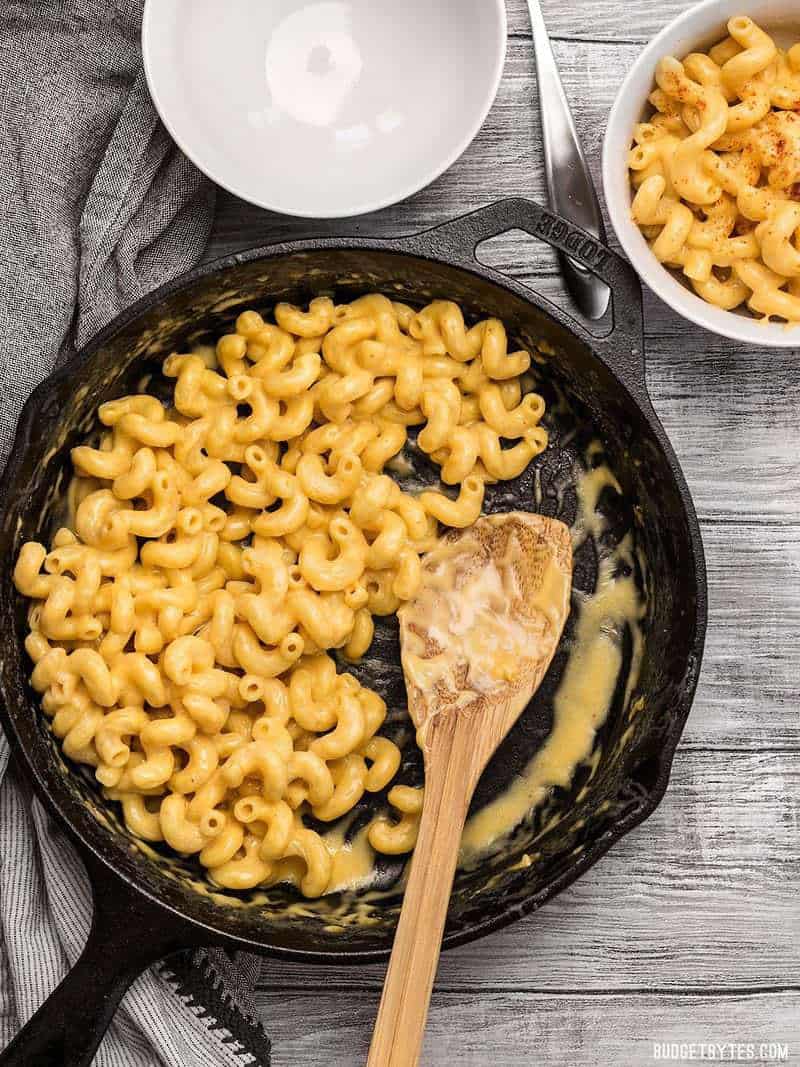
Mac n cheese
If you are looking for a variety of low cost meals online that are straightforward to make — I am looking at you, college students — then I recommend the site BudgetBytes.com. Each of the recipes has a breakdown of the expected cost, how long it takes to make, as well as the typical information you will find in a recipe. Here’s a few I highlighted recently, in no particular order.

They have a wide range of recipes, and categories (e.g. chicken, vegetarian). The recipes are simple, the ingredients easy to find, and generally they look good. Give it a try.

Save money, eat better.

(Image from here.)

It’s Friday. Have a martini!

Martini

Of course you can go out and order one. But if you feel like staying home and making one, then the good folks at Bon Appetit have two version on the classic martini you might be interested in trying:

  1. The Modern Martini
  2. Fifty-Fifty Martini Recipe | Bon Appetit

Don’t have martini glasses? Consider Crate and Barrel: they have a selection here.

(Image from Crate and Barrel)

If you ever fantasized about owning a restaurant, especially one in New York…

Prune

Then you need to read this: The Thrill of Losing Money by Investing in a Manhattan Restaurant | The New Yorker

It is a wonderful read of a terrible experience.

Besides that, though, it is an entertaining but damning analysis of the restaurant business in cities like New York. (I imagine it is the same for most cities.)  I think at some point there will be fewer and fewer fine dining experiences in cities, and the best food will come from places that are small and have very low overhead. And all those large spaces that were once filled with large restaurants will close.

If you still want to own a restaurant after all that, don’t say you weren’t warned! 🙂

(Image is of Prune, one of my favourite NYC restaurants. If fine dining is to have a model in the future, it is likely to come more from places like this, imho.)


Foodism and the problem with home-cooked meals

I was prepared to argue with this article in Vox from some time ago: The problem with home-cooked meals , because I am a big proponent of such meals.  However, the closer I read it, I think the main issue I have with it is the title. If it was titled “The difficulties in preparing home-cooked meals”, I would have been more receptive. Read the article. If you are a foodist like myself, it might seem hard to understand at first that people have difficulties with home-cooked meals, but like many things, the difficulties arise from lack of time, knowledge, and resources (money but also access to good food, even if you have money).

I believe that there are a number of ways to address those difficulties. First, I think city governments need to treat access to food the same way they treat access to other things such as transportation, water, parks and even sunlight. If housing doesn’t have access to water or electricity or transportation, then developers shouldn’t be allowed to build it and people should not be expected to move there. Access to good food should be part of that set of restrictions.

Second, we need to better educate people on how to prepare food.  Too much of our education system is spent on academic topics. Kids should be taught a wide range of subjects, and one of those should be how to prepare food no matter how much time or a budget you have. (They should also be taught how to manage finances, how to do basic home repairs, and how to deal with personal difficulties, among other topics.) There is a wealth of information available on food preparation, but often to me it seems aimed at foodists and is aspirational. There’s nothing wrong with aspiring to make good food. In addition, though, people should learn how to make straightforward nutritious food, with anything from 2 ingredients on up, with or without a recipe, in 2 minutes or over 2 days.

Third, we need to change our emphasis on a form of eating. There is a belief that some North Americans have that home cooked meals should be prepared and eaten a certain way. Often this certain way involves 30 minutes to an hour of food preparation followed by an equal amount of time eating it. Culturally that may have been the way it was done, but there is nothing that says we must continue to eat that way. You should be able to prepare and eat good meals with the resources you have.  If that means a 5 minute preparation and a 5 minute stand up meal, so be it. Better that than 30 minutes spent eating over processed food in a chain restaurant.

Finally, we need a more expansive and less snobby approach to what constitutes good food. If you are a foodist and you want to cook with homemade stock, fresh herbs, wine and hard to source ingredients, and that works for you, that’s great. For most people, if you have limited access to good food, then you can still make good meals with what you have available, and there is no shame in that.  Besides, the social status of ingredients come and go: eat the best you can with what you have, be that a roasted chicken and a salad or a bowl of chunky vegetable soup.

For many people, food is a means to an end: I’m hungry, I eat food, I’m no longer hungry. For others, their life revolves around food. Wherever you fall on that spectrum, having an open mind about how others eat and being open to alternative ways to dealing with food will benefit everyone, including yourself.

(Image is of a ham, painted by Manet.)

P.S. In case you don’t think it is a word, here is the definition of definition of foodism, from the Oxford English Dictionary:  “A keen or exaggerated interest in food, especially in the minute details of the preparation, presentation, and consumption of food.” Therefore people who have foodism are foodists.



12 Cafés Every History Buff Needs to Visit (a great list)

If you like cafes, coffee and travelling, then this link is for you: 12 Cafés Every History Buff Needs to Visit | Travel | Smithsonian. Of the places in the article, I’ve only been to Cafe Central in Vienna and it is great. (In truth, Vienna has many great cafes. I went there years ago and enjoyed many of them. Cafe Central was one of the highlights.)

As far as bucket lists go, you could do worse than making it your aim to visit all the places listed here. 🙂

(Hat tip to @candicewalsh on twitter for sharing this link originally, and who also has a great travel blog.)


New recipe and food links. Because we all need more of that. :)

I clearly collect too many food links. 🙂 These are some of the better ones I have found and think worth sharing.

Image from: Slow Cooker Bread Recipe | Baked by an Introvert

The easiest of minestrone recipes is…

.. this: Minestrone Soup Recipe – Bon Appétit Recipe | Bon Appetit.

Purests would argue it isn’t minestrone at all. Let’s say it is in the style of a good minestrone, and it opens you up to make it with whatever you have and whatever you feel like.

This recipe calls for Sambal Oelek. If you don’t have it, but you have sriracha or chili-garlic sauce, then you are in business. (For a good run down on how each of those three sauces differ, see this.)

Enjoy!

A reminder: Soylent? Still terrible

Why? According to the LA Times, “Liquid meal maker Soylent is stopping sales of its flagship powder, warning that a handful of customers reported stomach sickness after consuming it.” This after recently having problems with their food bar causing people to become ill. So far, their blended liquid drink is not having an ill effects on people. Though, honestly, if a company keeps making food products that make you ill, why are trusting anything that comes from them.

Why people digest this stuff when simple foods are easy to eat is beyond me.  Even Boost or any existing meal supplement products seem to be better.

For more on the story, see: Soylent halts sales of its powder as customers keep getting sick – LA Times

Food! Recipes! Techniques! :)

I read an awful lot about food on my iPad and my iPhone, and as I do, I save the links on Instapaper.com or getPocket.com. You might not believe it, but I don’t blog all of them. The ones I do post, like the ones you see below, are ones I think people who love to cook or love to eat (or both!) would enjoy. So…enjoy! 🙂

  1. Here’s a good review of one of Mark Bittman’s latest books: The new fast food: Why Mark Bittman is revolutionizing the recipe with How To Cook Everything Fast | National Post
  2. If you want to jazz up the presentation of your food, consider this: How To Plate Food Like A 3-Star Michelin Chef | Co.Design | business + design
  3. Of course what is a good plating without some good sauces. Here’s some you can try: Simple Pan Sauces : The Reluctant Gourmet. Here’s more from the same site: How to Make Reduction Sauces : The Reluctant Gourmet. A great sauce can make a dish.
  4. If you think you need to run a fancy restaurant to win a Michelin star, read this and change your mind: Michelin star for Singapore noodle stall where lunch is half the price of a Big Mac | Life and style | The Guardian.
  5.  If you are struggling with dieting, you might find this useful: Hunger is psychological – and dieting only makes it worse | Aeon Essays
  6. Any good cook should know some fundamentals. The site Food 52 is helpful with articles like this: The 10 Dishes to Know By Heart This Year. I think part of the fundamentals of cooking is knowing how to make a good stock. If you don’t know how, check this out: How to make soup stock – Chatelaine
  7. Some simple but good pasta recipes, here: A niçoise pasta that you can make with whatever’s in the pantry | Metro News and here: Orecchiette with turkey and broccoli in less than 30 minutes | Metro News and here: Macaroni Milanaise Recipe – NYT Cooking
  8. If you feel like more of a challenge, try this: Bouillabaisse – Lucky Peach
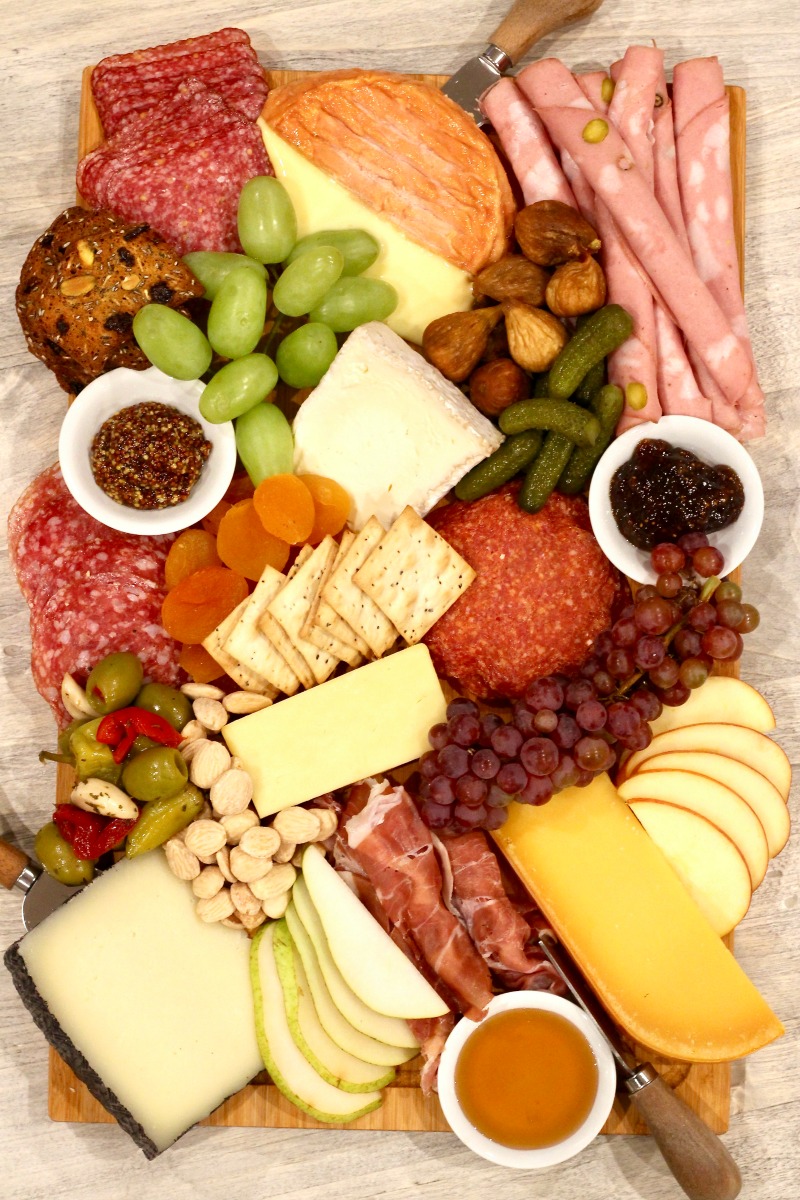
  9. If you don’t feel like cooking at all and just want to drink wine and eat cheese, this can help: 13 Helpful Diagrams For People Who Only Care About Cheese
  10. This says “Summer Express”, but you can easily use it all year round: Summer Express: 101 Simple Meals Ready in 10 Minutes or Less – The New York Times
  11.  This is dead simple. And if you have this, you can make pulled pork sandwiches, enchilladas, etc. Slow-Cooker Pulled-Pork Tacos Recipe | Real Simple

Is it worthwhile buying a slow cooker?


Short answer: it depends. According to this, Is it worthwhile buying a slow cooker?, slow cooked food tastes better and looks better, though the food in a slow cooker ends up being more moist. Go with an oven if you can  attend to it. Go with a slow cooker if you want to have a minimal cooking process going all day that doesn’t require you to do much more than to load up the cooker and go. An additional consideration: a slow cooker uses very little power. Go with a slow cooker if you want to minimize energy use.

Read the article and see what you think. And if you like the idea of slow cooker recipes but slow cookers aren’t for you, read it and get some ideas on how to use your oven to slow cook instead.

(Image via Wikimedia)

Finally! The cappuccino scandal revealed by  The New York Times. (I am not joking)


For some time, I have been complaining that cappuccinos have evolved into something I call “latte-ccinos”, which is a drink that is somewhere between a latte and a cappuccino. Good to see that the New York Times has a piece on it highlighting the sad state of North American coffee and in particular the sham cappuccinos now commonly served.

But what is a true cappuccino? As the Times points out, there is a debate about what it is:

There was a time when cappuccino was easy to identify. It was a shot of espresso with steamed milk and a meringue-like milk foam on top. … “In the U.S., cappuccino are small, medium and large, and that actually doesn’t exist,” the food and coffee writer Oliver Strand said. “Cappuccino is basically a four-ounce drink.” … Others cling to old-school notions of what makes a cappuccino, with the layering of ingredients as the main thing. “The goal is to serve three distinct layers: caffè, hot milk and frothy (not dense) foam,” the chef and writer Mario Batali wrote in an email. “But to drink it Italian style, it will be stirred so that the three stratum come together as one.”

I agree with Strand: a cappuccino should be a small drink and the espresso, milk and foam proportional.. If you want a bigger drink, get a latte. And if you want a true cappuccino, find a good Italian establishment — in Toronto, Grano’s makes a superb one — and get your fix there.

For more on this, see: Is That Cappuccino You’re Drinking Really a Cappuccino? – The New York Times. The photo above is a link to that article.

Some links to support your new year’s resolutions

If you’ve decided to become more fit, work better, or be better generally, then consider these resources to support you as advance towards achieving your goals:

Good luck!

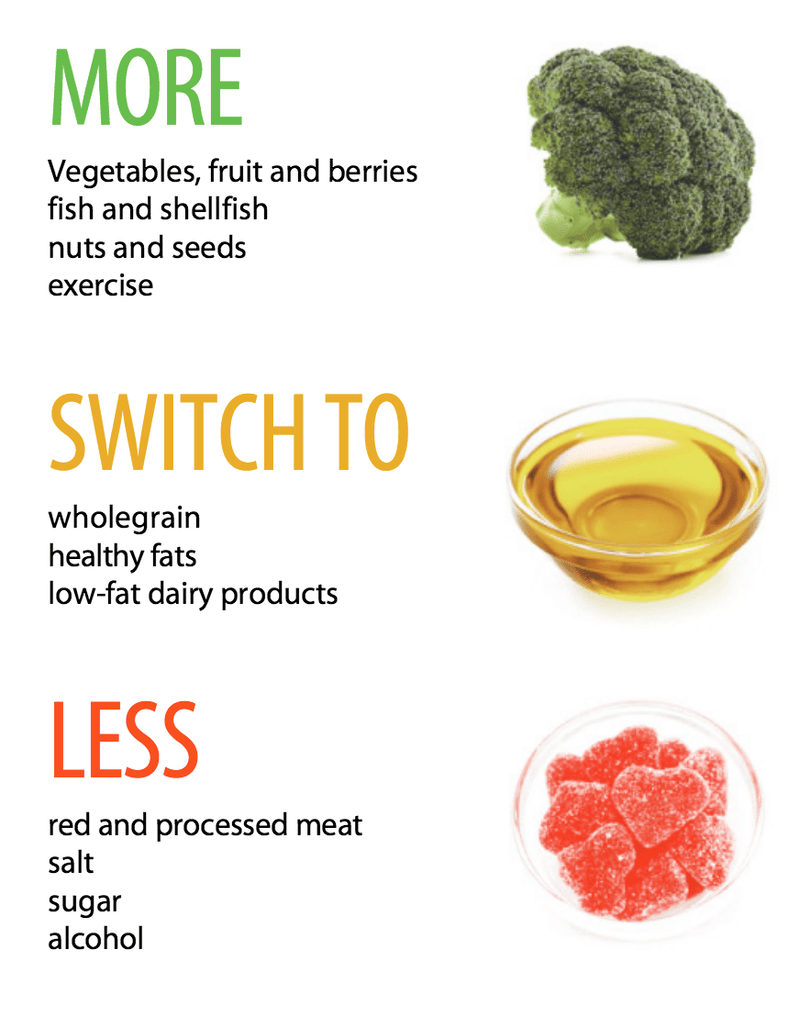
Dietary food guides are just that: guides. A good reminder of that, here.

And as you can see from this: Italy’s dietary guidelines actually say pasta and cookies are food groups in Vox. Depending on where they originate, food guidelines are often very different. There is some overlap (which isn’t surprising), but there are just as many differences.

If you are confused as to what you should choose, try going with Sweden’s (below): it seems the most sensible.

For the curious: top chefs and their fridges.

You might be surprised (or you might not) to see that much of what top chefs have in their fridges is not all that different than you. If you are skeptical, you should check out this book: Inside Chefs’ Fridges, Europe. Top chefs open their home refrigerators. from TASCHEN Books. If anything, your North American fridge may have alot more in it than the typical smaller European icebox.

The book is worth a look: besides the peek inside, their is also recipes and other things of interest.

Autumn is here. You need new dishes to make. Here’s coffee-braised lamb shanks from David Lebovitz

If you enjoy lamb, this recipe for lamb shanks braised in coffee with ancho chile and other great flavouring sound great. Not too hard to make, either. See this link, Coffee-Braised Lamb Shanks – David Lebovitz, for the recipe. (Check out the other recipes on the site, too. Lots of great things there.)

4 p.m.: Wednesday risotto recipes

Risotto had (has still?) a reputation of being difficult. You do have to attend to it, but otherwise it is quite easy. If anything, I find tending to a risotto relaxing, slowly adding to it, stirring it, tasting it. I highly recommend it.

If you haven’t made it, or you want some new ideas, here some recipes to get started. I really liked this Caprese risotto recipe.

A small tip: when adding the garlic, I also added some diced red onion and sliced cooked sausage. I also used spicy vegetable sauce instead of tomato juice, and around 1 tbsp of dried basil as I was adding the liquid.

Here’s a number of other risotto recipes I came across that look appealing: Classic parmesan risotto, Seafood saffron risotto with fennel, Porcini-mushroom risotto, Cheat’s orzo risotto with olives and feta, Asparagus and brown-rice risotto

And if you have left over risotto, then you want to consider making this: Crispy mozzarella risotto cakes