
how to become artist in 6 steps, with 33 rules to follow


From this superb piece, Jerry Saltz: How to Be an Artist, come this:

Step One: You Are a Total Amateur
Lesson 1: Don’t Be Embarrassed
Lesson 2: “Tell your own story and you will be interesting.” — Louise Bourgeois
Lesson 3: Feel Free to Imitate
Lesson 4: Art Is Not About Understanding. Or Mastery. (It is about doing and experience)
Lesson 5: Work, Work, Work

Step Two: How to Actually Begin
Lesson 6: Start With a Pencil
Lesson 7: Develop Forms of Practice
Lesson 8: Now, Redefine Skill
Lesson 9: “Embed thought in material.” — Roberta Smith
Lesson 10: Find Your Own Voice (then exaggerate it)
Lesson 11: Listen to the Crazy Voices in Your Head
Lesson 12: Know What You Hate
Lesson 13: Scavenge

Step Three: Learn How to Think Like an Artist
Lesson 14: Compare Cats and Dogs
Lesson 15: Understand That Art Is Not Just for Looking At
Lesson 16: Learn the Difference Between Subject Matter and Content
Lesson 17: See As Much As You Can
Lesson 18: All Art Is Identity Art!
Lesson 19: All Art Was Once Contemporary Art

Step Four: Enter the Art World
Lesson 20: Accept That You Will Likely Be Poor
Lesson 21: Define Success
Lesson 22: It Takes Only a Few People to Make a Career
Lesson 23: Learn to Write

Step Five: Survive the Art World
Lesson 24: Artists Must Be Vampires
Lesson 25: Learn to Deal With Rejection
Lesson 26: Make an Enemy of Envy
Lesson 27: Having a Family Is Fine

Step Six: Attain Galactic Brain
Lesson 28: What You Don’t Like Is As Important As What You Do Like
Lesson 29: Art Is a Form of Knowing Yourself
Lesson 30: “Artists do not own the meaning of their work.” — Roberta Smith
Lesson 31: All Art Is Subjective
Lesson 32: You Must Prize Vulnerability
Lesson 33: Be Delusional

But read the piece: the comments he provides are what gets to the heart of it.

The math behind why you should take care of yourself

wΔz=cov(wi,zi)+E(wiΔzi)

That equation can be found in this odd article here: Evolution: biologist George Price’s life and death – Vox.

It tells the story of George Price and how his extreme altruism led to his death. Well worth reading, especially if you think self care is bunk.

In short, take care of yourself to some degree, or you end up not benefitting anyone. And if you are not benefiting anyone, you are not being altruistic after all.

On dreams and goals


How you read this piece depends on who you are: Is It Ever Too Late to Pursue a Dream? You may recall it: it’s a long article about Dan Stoddard, a 39 year old, 6 foot 8 inch, 300+ pound guy playing basketball for a small college in Ontario who want to play pro.

When I read it, I first thought: no way. The guy’s too old, too big, too…you name it, he isn’t going to be a professional basketball player. That’s one  way to read it. A very grounded way to read it.

Another way  to read it  is to consider how dreams and goals shape us and change us and change others around us. I have a friend who sets very high goals and sometimes lands short of them. But even landing short, she accomplishes something beyond most people and beyond herself. The accomplishments matter, because they matter to her. The accomplishments matter, because they get others to seek out goals too. Others, like her, setting aim and leaving the ground.  Leaving the ground, the way Dan Stoddard does.

How you consider these quotes depends on who you are.

New parts of the world will become uninhabitable for humans


I think this will become true, and not just in India: Are parts of India becoming too hot for humans? – CNN.

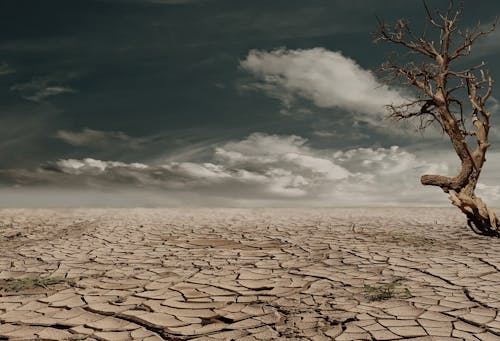
Already we have parts of the world barely inhabitable due to extreme weather. Think of Antartica on one hand, and the Sahara desert on the other. Soon places in India will join them. Other parts will become inhabitable for different reasons: extreme weather and flooding.


Three different stories about modern Japan


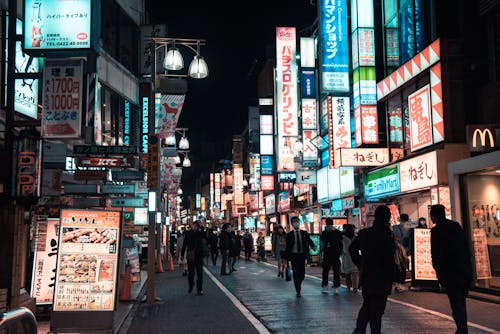
I loved these stories. I don’t believe they tell me anything in particular about modern Japan, but I found them all fascinating:

There is such a thing as a guilty pleasure


Despite what the New York Times and others say:  ‘Guilty’ Pleasures? No Such Thing – The New York Times, there is such a thing as guilty pleasures.

Usually guilty pleasures arise out of inconsistency or lack of integrity with what you like versus who you are (or think you are). You want to be one way, but you enjoy doing something the other way.  People who say they don’t have guilty pleasures are simply saying that the things they like are consistent with how they perceive themselves. Or they are saying that they have no problem with occasionally being inconsistent. That’s fine, but that isn’t everyone.

Feel free to call your pleasures guilty if you want. Just try not to have any that harm anyone or anything other than your desire to be consistent.

How to walk better

There are few who would argue against a good walk. And any old walk will do. But if you want to walk mindfully, then Thich Nhat Hanh has a book that will help you do it. Quartz has a run down on it here: Zen master Thich Nhat Hanh explains how to walk more mindfully.

I think it could be great for people who have a hard time being mindful because they always need to be on the go. And for people who want to have more mindfulness in their life, it is also great. Read the article/book and improve your walks and your mind.

On recent pessimism, or not being born or staying alive


Two pessimistic articles that made a big impact on me recently are this The Case for Not Being Born | The New Yorker  and this I am not always very attached to being alive.

I think there is a strong case for being born (many, in fact) and also many reasons to be attached to being alive. But it is not nonsense to think otherwise. I think those articles bear that out.

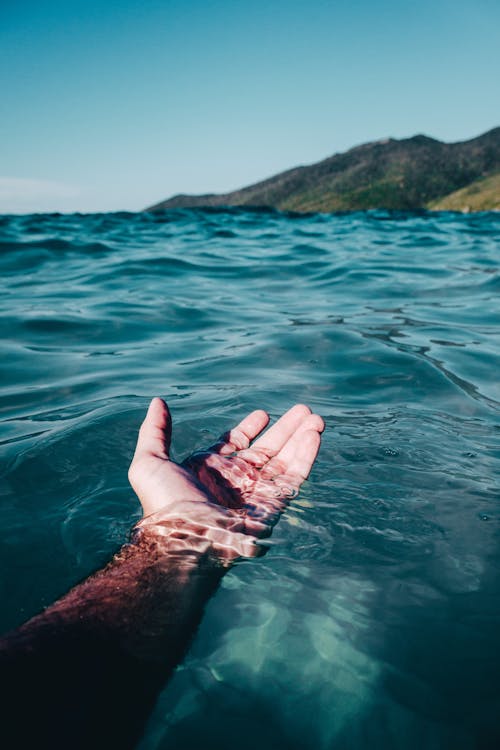
I like that image: depending on your frame of mind, it is someone floating and enjoying the water, or someone reaching out for help. No form of thinking is more important than how you align your thoughts; everything follows from there.

On the ridiculousness of airplane boarding


If you are travelling soon and you are sitting in the boarding area wondering why the whole process is ridiculous / dumb / insane, then you should read this Here’s Why Airplane Boarding Got So Ridiculous. It may not change your mind, but at least you will get a better understanding behind the rationale for it.

Also, don’t expect it to change soon.

Congrats! You have a day off! What should you do?


Well, there’s a lot of options, if you go through this list: What to Do With a Day Off – The New York Times. My take is you can either tackle those things you have been putting off (hello! Finances!) or you can literally vacate your normal life and take it easy. Either is good. Better yet: consider being productive this time off and extra lazy the next time.

Enjoy your day. You deserve it.

On Jeff Koons


Two worthwhile pieces on Jeff Koons: this Stop Hating Jeff Koons – The New York Times, and in a way, this.

I used to have great disdain for Koons, but the more I think about his work, the better appreciation I have for it. There is a ceiling to that appreciation: the emptiness of it imposes that. But Koons and his work gets me to think about art and the art world and the meaning of art and culture, and for that his work appeals to me.

However you think about him, those pieces are worth reading.

(Image via link to the NYTimes.com piece)

On Small Pleasures


This seems like a wonderful book, Small Pleasures Book | The School of Life.

It reminded me of small pleasures of my own, like listening to the rain while sitting on a porch, or driving at night listening to jazz, or having a good croissant and latte in a quiet spot.

I think I want to keep a list of such pleasures and make sure I have them constantly in my life. They are the things that make our lives bright and warm.

A marathon for food lovers: Marathon du Médoc

Not your average marathon, this. For example:

Marathons and footraces are a world of granola bars, blister care, and sugary packages of energy-giving goo. This classic French race through wine country has all that, as well as a party atmosphere and 23 stations that offer wine, cheese, oysters, and foie gras, often set out like a tasting at a picturesque winery. The tone is set the night before, when participants tend to complement the traditional carb-loading pasta dinner with healthy helpings of local wines. Each year’s race has a theme (think “Amusement Park” or “Tales and Legends”), so don’t be surprised to see a runner dressed as Robin Hood vomiting at mile five.

If this sounds like you kind of marathon, get more information here:  Marathon du Médoc – Gastro Obscura

Summer is overrated

I have always thought that myself. And now I find out that I am not alone. As this article below says, “Most people welcome long summer days. And then there are the haters, who loathe the unending light that doesn’t give way to night until it’s almost time for bed.” I would not say I am a hater; I’ve become reconciled to it. And early summer can be pleasant. But the most extreme days of summer are no more welcome to me than the extreme days of winter. Both extreme days are to be endured more than enjoyed.

If you too are not in love with summer, you might enjoy this: www.washingtonpost.com/lifestyle/style/summer-means-a-parade-of-long-sunny-days-and-its-actually-the-worst/2019/06/23/27868ac6-92a1-11e9-b570-6416efdc0803_story.html

Apple Watch 101

I continue to be a big fan of the Apple Watch. For one, it allows me to put away my phone and still not miss notifications. It’s the remote control for your phone you didn’t think you need. Still I am glad for this, because I need to get more out of my watch: 20 Most-Wanted Apple Watch Tips and Tricks – Hongkiat. 

If you are maxing out all the features of your watch, that’s great. Otherwise, take a peak at that link and get more out of it.

A simple trick if you want to use pomodoro but find it hard to stick with it


The pomodoro approach to work seems smart. You set a timer for 25 to focus on a task. When the timer goes off, you take a 5 minute break. Then you repeat this process.

When I first heard of it, I thought: what a great idea! I tried it a number of times and failed. The reason I failed, and why you may be failing, is that I cannot focus for 25 minutes. It’s sad, but true.

The simple trick that works for me is to adjust the times from 25:5 to 15:5. I find I can focus for 15, and a 5 minute break is just enough.

I find that even though I take more breaks, I also have more focus time throughout the day, which means I still benefit. Plus, once I get on a roll, I skip some of the breaks.

If you want to get on and stay on the pomodoro bandwagon, adjust your focus time until you find your sweet spot. Your overall productivity will go up, I’m sure.

What you should do when you are facing a dilemma


According to this:

If you’re facing a dilemma, and can’t figure out whether to take the plunge, then all else being equal, you should.

Why? Partially because we tend to stick with the status quo, especially if all the options are bad. Also, because studies show that people that did take the plunge were happier than those that did not.

For more on this, see the Guardian article linked above.
Advice to young (and not so young) artists. (We are all artists in some way)


Here are two good pieces full of advice for artists.

One big: Advice to Young Aspiring Artists from Patti Smith, David Byrne & Marina Abramović | Open Culture

One small: None of us know what will happen – Austin Kleon

Key quote from the Austin Kleon piece is this, from Laurie Anderson:

The world may end. You’re right. But that’s not a reason to be scared. None of us know what will happen. Don’t spend time worrying about it. Make the most beautiful thing you can. Try to do that every day. That’s it. You know? What are you working for, posterity? We don’t know if there is any posterity.

(Image from pexels.com)

The things you reveal about yourself inadvertently when you post on Instagram


Suppose you post a lot of pictures with blue colours in them on Instagram. So what, you say? Well, according to this, What Your Instagram Posts Reveal about Your Mental State (and Why That’s Important) | Social Media Today, it shows you’re depressed. Whaaaaat? you say! In the piece, they state:

…. the researchers asked 166 Instagram users for permission to analyze their posts and also asked whether or not they had a diagnosis of clinical depression from a mental health professional. What they found was that people with depression over-indexed in several categories in regards to their Instagram post composition.

For example, people with depression prefer darker colors and more grays or blues than non-sufferers.

You might think this is not much better than phrenology, and I tend to agree.

Just keep in mind that all those pictures you post are being analyzed by someone to sell you something.

Read the article and decide if you want to reconsider what you post.

Can cities be affordable?


If you read articles like this, Why Homes in Major U.S. Cities Are Nearly Impossible To Afford – Curbed, it can be hard to believe than any city not on the decline can be affordable. But there are exceptions, and it is good to know about them and why they are. One such city is Vienna, and this piece has a good explanation on why it is.

If you are concerned about cities being affordable, I recommend the piece on Vienna. Affordable cities is going to be one of the big challenges of the 21st century. We need good ideas to deal with this.

(Image via pexels.com)

The $999 monitor stand, or how Apple takes its eye off the ball sometimes

Reading this piece about how  a $999 monitor stand is everything wrong with Apple today, and while my judgement isn’t that harsh, I agree that Apple has missed a step with such a stand. There is a premium that Apple can and does command for its products, but when they are so far outside the range of the market, they start looking ridiculous.

Is this iMac great? No doubt. Is the stand price ridiculous? Also no doubt. Do better, Apple.

Why Play a Music CD? Lots of reasons….


I really liked a recent article about Ben Sisario, the New York Times reporter who covers the music industry. He is talking about what he uses to listen to music, and this quote jumped out at me, especially the part I put in bold.

(I) try to keep an eye on all the major platforms out there, which means regularly poking around on about a dozen apps. My go-to sources are Spotify, SoundCloud, Bandcamp and Mixcloud, which has excellent D.J.-style mixes and to me feels more human than most.

At home I have a Sonos Play:5 speaker, which plays streaming music and podcasts, and is a piece of cake to use. I also have Google Chromecast Audio, a little plug-in device (now discontinued) that allows me to send high-fidelity streams to my stereo. It sounds better that way, but it’s not nearly as easy to use as the Sonos.

To be honest, my preferred way to listen to music is on CD, as unfashionable as that might be. You push a button, the music plays, and then it’s over — no ads, no privacy terrors, no algorithms!

Like Ben, I started to listen to music on CDs again too. For a number of reasons:

    1. I have some great old CDs from labels like Deutsche Grammphon that I am never going to download again and which I don’t even want to listen to on Spotify.
    2. I find it satisfying to put on a CD, listen to it, and then it be over. I don’t want to listen to an infinite playlist all the time.
    3. I always worry that some day services like Spotify will simply trim their catalog and I will never be able to listen to that music easily again. For music I love, I want to own it outright.
    4. I worry about how what I listen to on Spotify is constantly fed into their analytic software – what people like to call their algorithm – to determine what I want to listen to. Some times I just want to listen to music in a different direction. I don’t want Spotify to start suggesting new music based on a whim.
    5. I don’t want Spotify or others to know everything about my listening choices. I think we all need a stealth mode for any services we use online.

I still love Spotify, but I don’t want to depend on Spotify to enjoy music.

That’s my two cents. For more on Ben, see: Why Play a Music CD? ‘No Ads, No Privacy Terrors, No Algorithms’ – The New York Times

Climate change: the bigger picture, from Bill Gates


If you want to understand the challenge of dealing with climate change, then read this: Climate change and the 75% problem | Bill Gates.

There are things you can do in your own day to day to reduce your contribution to climate change. But in the bigger picture, much larger changes have to happen. And soon. You can contribute there too, by supporting politicians and companies and other organizations that are working to make big positive changes.

You can’t do it alone, but every thing you do move us in the right direction. We are cutting out coal. We are getting energy efficient. We are eating more of the right things. Many many things are being done that help, and much more can be done to improve things. Keep up the good work, and work hard to avoid complacency and despair.