
Here’s hoping you don’t get laid off, but if you do, keep this in mind: 17 things you should do as soon as you get laid off | Business Insider India
Tag: advice
A great list of interchangeable ingredients to turn to when you are cooking, from Mark Bittman
Is this list.
Print it off, leave it in the kitchen, add your own items.
I often use sriracha for dried chilies, or even any hot sauce, for when you just need some heat. Likewise, if you don’t have jalapenos, you could also replace them with some of other heat source. (If it is a lot of jalapenos, you might use regular peppers with some chilies or other hot things to add the appropriate level of hotness.)
Finally, I’ve seen people suggest replacing creme fraiche with full fat greek yogurt.
If you want to make a podcast
Then consider this: A Beginner’s Guide to Getting Into Podcasts – The New York Times.
It doesn’t appeal to me, but podcasts are hot now, and if you want to give it a go, a good guide such as this one can help.
Good luck!
Things you don’t need and the one thing you do
This struck me today: I had these two posts I found interesting, both starting with “You don’t Need”. This is good: I think I will stop pursuing something because I think I need something first. Recipes help. And have free time to make things helps. But don’t use things you think you need stopping you from doing what you want.
Here are the two pieces. The only thing you need is a desire to make things.
C’mon, It’s Just 7 Days – a good challenge for next week
You either are keeping your New Year’s Resolutions (yay!) or you have shelved them. If the latter, cheer up. You don’t need to wait a year to resolve to be better. And you don’t need to necessarily make a big commitment either. Maybe just a week of doing something for the better is enough to make an improvement in yourself. A week may be just the thing to kick start you and send you off in a better direction.
Sound good? Great. And if you are stuck for ideas, check out this: C’mon, It’s Just 7 Days recipes and how-tos from Food52.
It’s not just about food. If you are looking for a week of challenges to try out, read the articles there.
The articles are fun even if you aren’t looking to change. A lot can happen in a week.
This is good parenting advice: don’t kill your kids even though you want to sometimes….
If you are a parent and don’t need this advice: Parenting Advice: Don’t Kill Them – Ijeoma Oluo – Medium, then kudos to you. You are first among humans.
And if you aren’t a parent, your opinion hardly matters.
How to go, how to stay, how to live a good life
I was always impressed by this, and have read it often. Young people especially should read it: Reconnecting with Newfoundland – Free Candie.
Six steps to mindfully deal with difficult emotions
A small, handy guide to dealing with your emotions:

How art can make us more confident

According to this, art can make us more confident by providing us with stories and representations of people with characteristics we share that overcome similar obstacles that we run up against. After all….
Confidence isn’t the belief that we won’t meet obstacles. It is the recognition that difficulties are an inescapable part of all worthwhile contributions. We need to ensure we have to hand plenty of narratives that normalise the role of pain, anxiety and disappointment in even the best and most successful lives.
I agree.
The image is an extended version of the work highlighted in the article. Like the Stations of the Cross and other works, they illustrate the difficulties of a way of life, and by making us aware of them, allow us to best prepare to meet them and overcome them.
What You Can Control
While this article, What You Can Control at The Simple Dollar, is financially oriented, it really contains wisdom you can use in general. While this wisdom is obvious once you read it, most of us lose sight of this from time to time. Go remind of yourself of it by reading the article.
While I recommend reading the whole article, but here are some points I pulled from it:
- You can’t control the actions of others
- You can control how you respond to the actions of others
- You can’t control natural forces
- You can control how you prepare for the possibility of natural forces
- You can’t control big expenses, especially unexpected ones.
- You can control how you prepare for those unexpected expenses
Also:
When it comes to things completely outside of your control, it’s not very beneficial to you to exert time, energy, emotion, or focus on those things.
Finally:
In general, actions based on emotion in response to something you can’t control are awful choices.
The internet says: follow your passion. But what if you have no specific passion to follow?
You can find many places on the internet where you are encouraged to Follow Your Passion. One such place is here: Why Following Your Passions Is Good for You (and How to Get Started) – The New York Times
Love to cook? Love to write? If those are your passions, then the internet wants you to follow them.
But what if you don’t have specific passions. The NYTimes piece has an answer for that too:
No passions? Cultivate skills instead
While hobbies both enrich our lives and can turn into rewarding careers, those of us who don’t have a particular obsession aren’t hopelessly out of luck. Instead, cultivate skills that will give you a leg up in your field. We all carry a “toolbox” to work in the form of specific abilities that make us better at our jobs. Some experts say leveling up on some of these will improve your job satisfaction more than initial enthusiasm ever will.
It’s easier to improve yourself in an area you are passionate about. But taking pride in your skills and your qualities and working to hone them is worthwhile. If there’s not an area you feel a strong passion for, at least improve in the areas you can.
Passion is a strong word. So is pride. If you can follow your passion, follow your pride and be justly proud of the things you are good at.
What you need to accomplish extraordinary things

I liked both of these articles:
- A Lone Man Spends 53 Years Building a Cathedral by Hand | Colossal
- Janitor secretly amassed an $8 million fortune and gave most of it away
Both men accomplished significant acts of creativity and generosity without having much resources. In both cases, the things they had in abundance were
- drive
- dedication
- faith
They didn’t have a great amount of money or genius or things that people think you need to accomplish extraordinary things.
Four things to do to be happier
According to this article, you need to:
- Acknowledge what you are grateful for.
- Label those negative emotions you feel.
- Make decisions.
- Touch people more (appropriately, obviously).
Lots of references in the piece, so read it and get busy and get happier.
How to take your git skills to the next level

One way is to read this: How to become a Git expert – freeCodeCamp.org. There’s a lot of good pages on how to get started on git, but if you are joining a software project, you may be expected to know more than the basics. You may be required to know the kind of things that piece talks about. Of course you can ask people on your team for help, but why not get as much skill as you can first and then ask better questions? There’s always something new to learn when it comes to git and software management: learn as much as you can by yourself and increase your skill set and your value to the team.
Everything you need to know for sheet-pan cooking can be found here
Everything you need to know for sheet-pan cooking can be found here at this page: How to Make a Sheet-Pan Dinner – NYT Cooking
It’s a comprehensive review on how make any meal using a sheet-pan. If you are a fan of cooking that is easy like slow cookers then you want to check this out.
How to guides are great for people who like to come up with their own recipes. It’s also great if you are trying to use up various ingredients in your fridge.
The weather is getting cooler. It’s time to start using your oven again. This guide will help with this.
Do you want to read more women writers but need suggestions? The Hay Festival of Literature and the Arts has your back
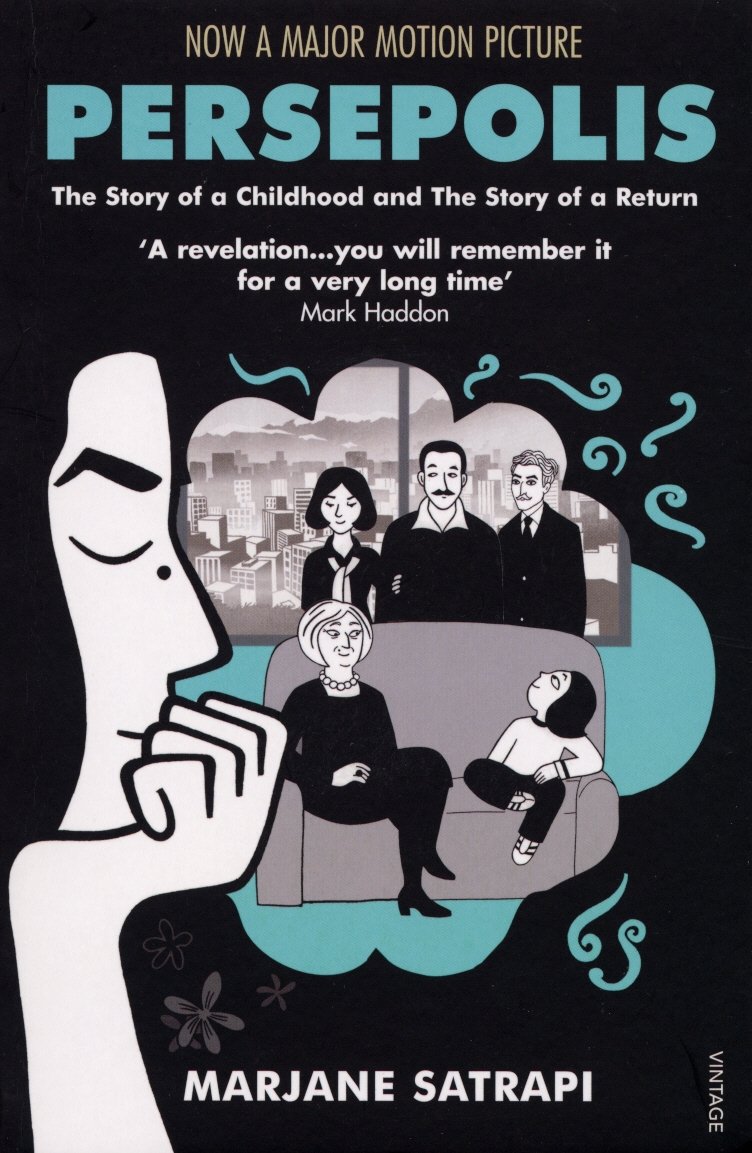
How so? Here is a list of one hundred books by great women authors on a wide range of topics, including graphic novels like Persepolis. Hay Festival of Literature and the Arts – #VOTE100BOOKS.
Regardless of the voting and which book gets the most, it is safe to say that everything listed is worth seeking out.
It’s unlikely even well read people haven’t read all these. If you find you want to read more women, you’re bound to find things on that list.
How to ask for help (it’s not as obvious as you think)
If you are uncomfortable asking for help, read this: How to Ask for Help and Actually Get It – The New York Times. After you read it, write out the type of help you need and use the article’s guidelines to insure your request for help is more effective.
We all need help from time to time. Read that and you will be more effective in getting the help you need.
One last thought: show appreciation before, during and after someone helped you. Even if they say it is no big deal to help. If for no other reason, it acknowledges the effort someone has taken to help you.
Get help. Your life will get better as a result. And the people who help you will often feel better about themselves for helping you, so you are helping them too.
Good advice on how to get started on that project / hobby / adventure you have always want to start

Good advice on how to get started on that project / hobby / adventure you have always want to start can be found here: How to Dare to Begin.
Beginning is often the biggest hurdle. Before you begin, you can imagine all the difficulties you will have, and such imaginings stop you before you can even start. If this applies to you, read the article. You may find yourself getting started after all.
Another thought: take an athlete’s approach to getting started and keeping at it. Get a coach. Get cheerleaders. Talk it up while you are doing the thing you’ve held off doing. Give yourself as much encouragement as you can. Give yourself a goal. Do all those things and you will find you not only get started but you keep going.
Good luck. Dare to do good things. Great things, eventually.
(Image from the article linked to.)
Bill Murray’s advice on being a father
From a 2012 Bill Murray Interview in Esquire comes this:
If you bite on everything they throw at you, they will grind you down. You have to ignore a certain amount of stuff. The thing I keep saying to them lately is: “I have to love you, and I have the right to ignore you.” When my kids ask what I want for my birthday or Christmas or whatever, I use the same answer my father did: “Peace and quiet.” That was never a satisfactory answer to me as a kid — I wanted an answer like “A pipe.” But now I see the wisdom of it: All I want is you at your best — you making this an easier home to live in, you thinking of others.
Sounds right.
When to think about your life, and when not to
There are times to think about your life, and times not to. Austin Kleon has a very simple rule to help him decide:
I have a very simple rule that serves me well: Don’t think too much about your life after dinnertime. Thinking too much at the end of the day is a recipe for despair. Everything looks better in the light of the morning. Cliché, maybe, but it works.
I first agreed with this. Afterwards, I concluded it depends on each individual. For me, I found a good time to think about my life was between midnight and two. It’s quiet then, I am tired but also relaxed. There’s no distractions, nothing else left to do but sleep. If I accomplished things in the daytime, it was especially good to think about what’s next in my life. Likewise if I had a good weekend, the best time to think about my life is Monday morning: I’m rested, energized, and feeling I can get a lot done during the week.
I found the time to not think about my life was any time I am really tired or sick or having a very bad day. Then the goal is not to reflect but to recover.
If anything, my rule is: if I need to recover, then I should not be reflecting.
I think we should all find times to reflect upon our lives and assess ourselves and where we’re heading. We just need to find the right times to do it, and do it then. And find the wrong times to do it and not do it then.
How to sleep better – Vox
More good advice about sleeping from Vox: How to sleep better
I agree with most of this, but there is one part I want to highlight:
If you’re not sleeping and getting anxious about not sleeping, just get out of bed and leave the bedroom. Sleep specialists have established that staying in bed while you’re anxious or not sleeping is one of the most common contributors to chronic insomnia, because it trains the brain and creates bad associations.
The part in italics is key. If you are not getting anxious about it, you likely can stay there until you fall asleep. At least that works for me. I have tried getting up and I find that more disruptive. Now when I can’t sleep, I tell myself that at least I am getting rest and I will likely fall back to sleep, and almost always I do.
If you are looking for a todo list app, read this
According to this piece:
Some to-do list tools are better than others. Check out 10 of the best to-do list tools to determine which may be right for you in 2018.
— Read on blog.hubspot.com/marketing/best-to-do-list-apps-tools
I’ve used a number of these and it makes me vouch for this list. That said, there are lots of apps you can get for to do lists that are free, so don’t think you have to pay money to get a good app to do this work.
Also consider other tools, like Evernote. Evernote is more than a todo list app, but it does that well.
Finally consider using Excel or Google sheets.
Whatever works best for you is the best app.
If you’re going through hell…
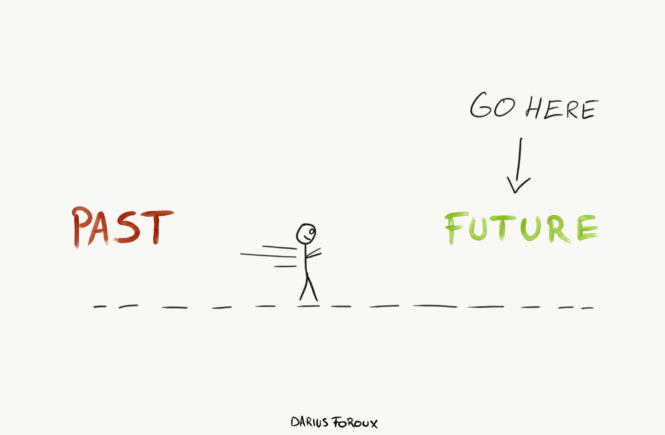
…keep going. (In other words, hell is no place to stop.)
It sounds wise, but if it seems impossible to you, here’s a good piece with some guidance on how to keep going through hell and exit the other side: Read This If You’re Going Through Adversity – Darius Foroux.
How to get started knitting
This piece in the NYTimes, nyti.ms/2L68a6o, looks like both a gentle and a comprehensive guide to getting started with knitting. It has some non-intuitive advice too (don’t start with a scarf but with a hat). If you are looking for a new hobby, this could be it.
How chromebooks can be a means of avoiding being IT support for your family
:format(webp)/cdn.vox-cdn.com/uploads/chorus_image/image/48696925/new-chromebook-pixel-2088.0.0.jpg)
This piece explains the logic behind getting certain relatives a Chromebook so as to relieve you of being tech support: I bought my mom a Chromebook Pixel and everything is so much better now – The Verge.
Now your mom may be tech savvy and not need a Chromebook (my mom was). But for some people’s moms or dads or children, it can be a very good solution. Especially for people who don’t travel much with their computer and who have a stable IT environment (e.g. the networking set up doesn’t change, the printer is good).
Chromebooks may not seem good value. You might compare what you get from a Chromebooks vs a Windows laptop and think: I get more from the Windows laptop. If you are good with computers, that true. But that’s not how to look at it. Factor in the cost of the relative’s computer plus the time you spend solving problems with it. When you factor that in, the benefit of the Chromebook jumps out.
A very visual way to remember healthy serving sizes
The good people of Cooking Light have put together an nice infographic on this: Here’s a Handy Way to Understand Healthy Serving Sizes – Cooking Light.
Now you might find some of them weird (one small baked potato is the size of a hamster) or outdated (an ipod nano…really?) but most of them are relevant and very useful if you are working hard to control how much you eat.
New ideas for summer wine drinkers
For those of you looking to branch out beyond whites, roses, and heavy reds (for BBQ), here’s a good list: Chilled Red Wines to Drink All Summer – Bon Appétit.
Beaujolais is the obvious choice for Gamay, but lots of new world producers make wine with that grape. For Carignan, you may have to look around: if you can find a place that stocks a good selection of French wine, look in the Midi section. Also check out the Spanish wine section. The challenge there is it can sometimes (often times?) be blended with heavier reds. Ask the staff for help if you want something lighter. As for Zweigelt, the challenge there is finding it at all. If you can, get some.
If you want to know more about carignan, check out this from Winefolly.com:

Weekend goals: getting a better night sleep
If you are like most people, you don’t get enough sleep. Also, you likely wish you could get more sleep. If you fall into both of those categories, why not read this guide right now: The 2-minute guide to getting better sleep – Vox. (It will take you 2 minutes: you have time). Take some notes, then make this weekend your goal to get more sleep.
Get some rest; improve your life.
A little story about why I think Tile is awesome
I lost my keys the other day and I figured they’d show up but after a few days I concluded they were lost. Luckily I didn’t have to do a search of the house because I had a Tile attached to them. (Yes I should have used it right away.) So I opened the app and figured it would tell me they were in the house, but it said they were up the street, approximately half a kilometer a way.I used the app to go right to the location was: a gas station where I was getting my bike tires pumped up a few days earlier. The keys must have fallen out when I was doing this. Great! I went inside and asked if someone had turned them in. Clerk says: nope! I was sure they were there. I start the app and get it to play music on my key fob. I can hear them! Another clerk comes over and opens a drawer with a bunch of keys, including mine! So no thanks to the first clerk but thanks to everyone else including Tile.
Some thoughts on this:
- Don’t assume that if someone finds your keys or wallet that they will turn it over to you if you show up. The staff may be busy, or someone may have misplaced the items, or maybe the person working there just can’t be bothered to look. Let Tile help you here.
- If you think: I can’t afford a Tile, consider the alternative. Consider the time and money it costs to replace your keys, wallet, etc. Chances are it’s less than a Tile.
- Even when the items you lost are nearby, having the Tile saves you a lot of hassle of going around looking for the item.
- Consider attaching your Tile to a remote control if you have people in the house misplacing it all the time.
Indoor plants for people lacking green thumbs

If that describes you, then you want to read this: Low Maintenance House Plants – How Often Should You Water | Apartment Therapy as well as this this.
Those two pieces are also good for people that travel alot, but want to still have indoor plants.
Want to be a great boss or leader? Make sure you do these nine things
 These nine activities, listed here: swissmiss | The Bosses We Remember are nine things great bosses or leaders do continually. If you had one or more great bosses, then you likely saw that person do many of them. As you become more senior, you should do them too.
(Image via pexels.com)
Can you finance a tiny home?

According to this, yes (kinda): Tiny House Financing Tips – Mobile Home Loans | Apartment Therapy
It’s not in any way straightforward like getting a loan/mortgage for a traditional home, but it can be done.
If you are interested in getting such a home, it’s worth reading those tips.
P.S. To buy the house in the image, go here. It will set you back around $11,000.
Should you read Steven Pinker’s Enlightment Now?
I have my doubts after reading this: Steven Pinker’s book Enlightenment Now is a huge hit. Too bad it gets the Enlightenment wrong. – Vox.
I am a fan of the new wave of optimism being swept in by writers like Pinker. But misrepresenting the Enlightenment is a bad idea, and I am not sure why he did it. If you want to read it in the spirit of what out age needs now, then it is likely you should read it. If you want to learn about the Enlightenment, read the Vox piece and then go somewhere other than Enlightenment Now.
How to shuck and enjoy oysters at home

I love oysters, but I was intimidated by how to successfully shuck them. Turns out it isn’t easy, but with a good guide, like this one, it is a skill you can master with a bit of practice: Guide to Shucking Oysters With Ease. You need a good shucking knife and some oysters. I also used an oven mitt to protect the hand holding the oyster while shucking them, in case the knife slipped.
Once you have your newly shucking oysters, here’s some good ways to enjoy them, all courtesy of The Spruce website:
(Image via SeriousEats.com)
How to be a better writer, Op-Ed or otherwise.
This piece on how to be a better Op-Ed writer is also good advice for people writing essays or any other pieces. Anyone wanting to be a better writer would do well to read it.
4 behaviors that may cut the risk of cancer by 30 percent
Everyone wants to lower their risk of cancer. This piece can help with this: 4 behaviors that may cut the risk of cancer by 30 percent – Vox. The main point of the piece was that:
… people who never smoked or smoked for only a few years and people who drank no or only small amounts of alcohol (one or fewer drinks per day for women and two or fewer for men). It also included people with a BMI between 18.5 and 27.5, and people who exercised vigorously for at least 75 minutes per week or moderately for 150 minutes…
…were at a lower risk of getting cancer than people who did not do these things.
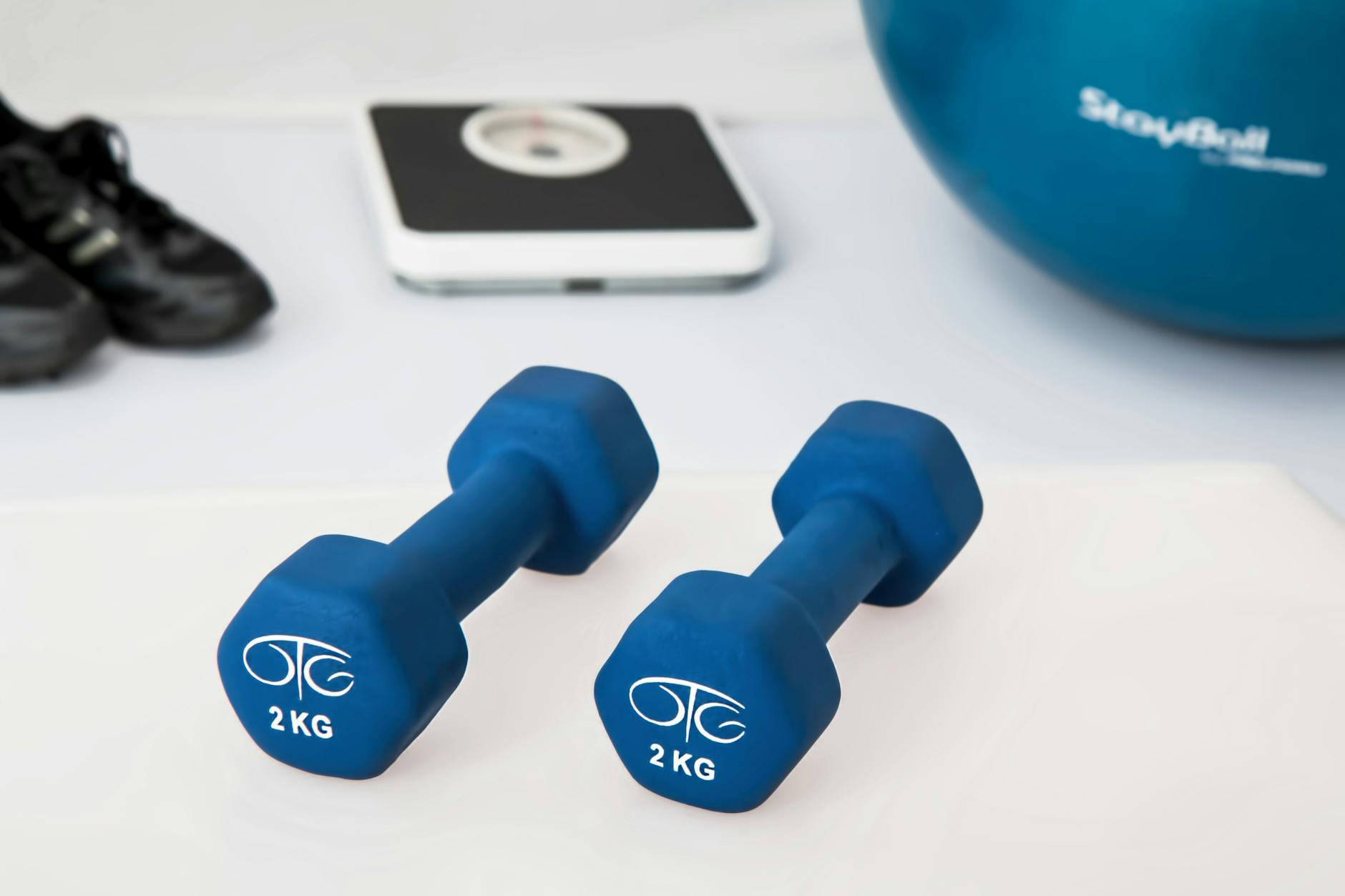
Smoking and drinking are easy for you to monitor. If you want to track your BMI and fitness level, consider getting a digital scale and a fitness tracker. I use the Fitbit Aria scale to track my BMI and my Apple Watch to monitor my exercise. Of course you can monitor those things just as well with a simple scale, a watch, a pencil and a notepad. Regardless of how you do it, I encourage you to take action in the New Year to lower your risk of cancer.
A good list of light therapy lamps for S.A.D. (Seasonal Affective Disorder)
The bad news: for people in the northern hemisphere, the days are getting colder and darker.
The good news: if you are one of those people who suffer from S.A.D., then this is an excellent list of lights that can help you deal with it: The Best Light Therapy Lamps for Seasonal Affective Disorder | Apartment Therapy
Better still, there is a wide range of price points and some of them are relatively inexpensive.
Check out the list. If you know someone who struggles with this, then consider this an excellent gift idea.
Bonus: This post was written in 2017. Since then they have updated their list, so check it out again.
How to work wellness into your work day

A good thing to consider as you start your week is: does your work day contribute to staying well, or does it do the opposite? One way to know is to compare you typical workday to something like this one: How To Schedule Wellness Into Your Workday And Still Get Stuff Done.
You don’t need to do all the things in that article, but if you do none of them, consider incorporating some of them into your work day. I believe you will see your attitude towards work improve and your workday will feel better.
Work / life balance is important. But having a work routine that is balanced in itself is a better way to enjoy your work and stay healthy, especially during the winter months.
Where to buy and sell Bitcoin in Toronto

I don’t recommend participating in the madness that is Bitcoin, but if you want to and you live in Toronto, then check this out: How to buy Bitcoin in Toronto.
Caveat emptor.
Natural Christmastime Decorating Ideas
The folks at Apartment Therapy have put together a nice compilation of Christmastime decorating ideas that are simple as it is beautiful. For example, this:

from here. And this
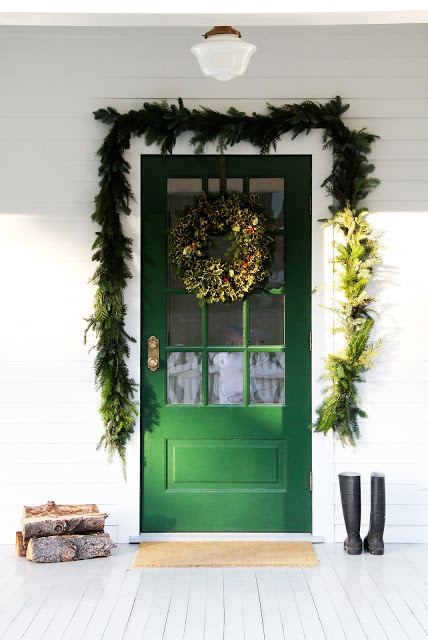
from here.
What all the images have in common is the use of natural decoration, from boughs to wood to wreaths to baskets to lanterns. It’s seasonal, but timeless.
If you find it too austere, mix in some holly or some ribbon.
Enjoy the season, and the beauty of this time.

