It’s Monday. Here’s a guide for teens to cope with anxiety that you too should read

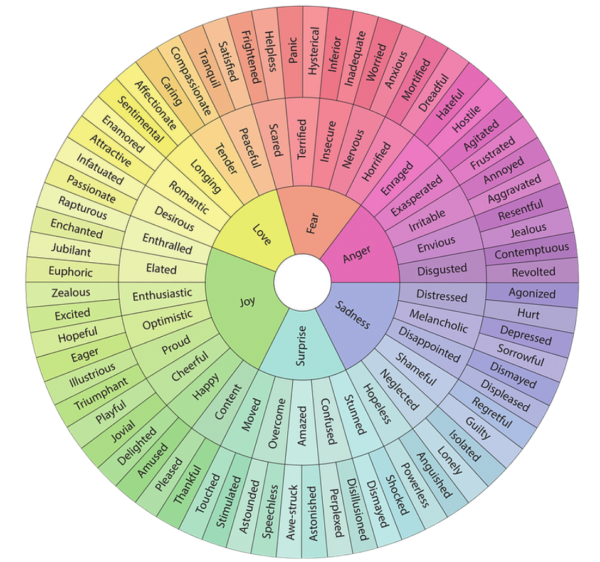
Sign with the word Emotions on it.
Wait a second, you say. I am not a teen with anxiety, and I don’t know any. Fine, read this anyway: How to cope with teen anxiety | Psyche Guides

We all have a mix of bad feelings at all stages of our lives. You are likely reading this on a Monday: don’t tell me you don’t have some bad feelings right now. 🙂 The good news is that techniques used in CBT can help you deal with those feelings, whether you are somewhat anxious or depressed.

Not only that, but I think CBT can help people with feelings like being bored, disappointed or frustrated. Feelings you may feel weighing on you that don’t make you feel good. You can use it to shake yourself our of your current mindset which may not be helpful to you and move you into a better mindset.

Take those emotions that don’t make you feel your good self and move towards some better ones. Hey, it’s Monday: a good day to take a crack at it.

All the best.

(Photo by Alexas_Fotos on Unsplash)

New office chair and phone ideas (or, be good to your back and head :))

chair

Two things that can make our lives easier as we work from home are a good chair and a good phone. If you are in the market for a new office chair, see this:

Best office chairs of 2021 for your home office or student workstation – TechRepublic.

If you are in the market for a new phone, consider something out of the ordinary, like these minimal phones.

If your outputs aren’t great, look at your inputs


Are your outputs bad lately? Do you find your work is not up to the same grade they used to come up to? Are you finding yourself struggling to maintain good relationships with others? Maybe you find you aren’t taking care of yourself the way you used to? If your outputs are not great lately, I recommend you look at your inputs.

Simply put, if you have bad inputs, you will have bad outputs. Anyone who runs a well run machine will tell you that. It’s also true for you.

First of all, you are living in a pandemic in the middle of winter as I write that. Some of us are in a lockdown.  Just that alone is one big bad input into every day. Part of your pandemic life may be that you don’t get to see and meet people who at one time would give you a lot of positive input. A deficit of good inputs can be as  bad as a surfeit of bad inputs.  If you find you aren’t sleeping properly, or eating properly, or doing other things to take care of yourself, then those too are bad inputs.

Some of us can do well with even meagre inputs. But few can thrive that way. If you want to do better, you need to improve your good inputs and reduce your bad inputs. To do that,  I want to point you to this piece I wrote about it some time ago: Motivational Jiu-Jitsu: Staying Positive in the Face of Negativity & Indifference – Adobe 99U

There’s some inputs you can’t change. But you can tune some of them out, just like you can amplify some of your good inputs. If you do, I can assure you that you’ll get better outputs.

P.S. For more on the importantance of inputs on outputs, see: Austin Kleon – Posts tagged \’input and output\’

(Photo by Pete Nuij on Unsplash)

Two pieces to help with (getting back into) mindfulness

mindfulness sign
For some time, I was doing well practicing mindfulness. I found it helpful. I don’t know why I stopped. But then I have stopped doing so many things during the pandemic, and mindfulness was one of those.

If that sounds like you too, here’s two good pieces that could help:

  1. How to Practice Mindfulness | A Cup of Jo
  2. How to Meditate: It’s Not Complicated, but It’s Not Easy | GQ

They’re also good if you haven’t done mindfulness before and want to start.

(Photo by Lesly Juarez on Unsplash)

It’s Monday! You need help in keeping going. This can be the thing you need

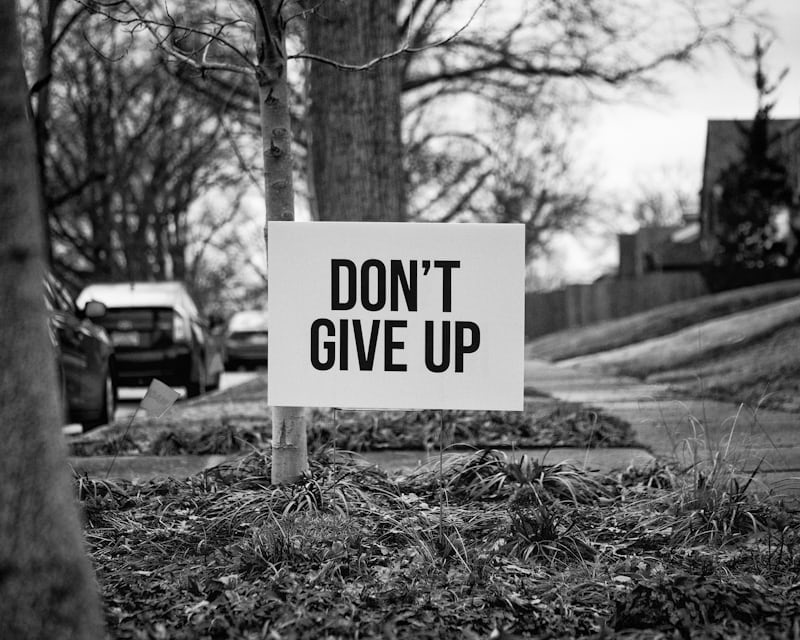
Dontt give up sign

It’s Monday! The first of March! We’ve been doing this stupid pandemic thing for a year now. We’ve managed somehow, and we have to continue to manage.

If that sounds daunting to you, I highly recommend this article: An Ode to Low Expectations in The Atlantic. I think it could be just the thing to help you get through the week, the month, and the rest of the pandemic.

We talk about managing their expectations. It’s never more important to do that in turbulent times with feelings of great anticipation.

Good luck! Appreciate what you have. Things will get better.

(Photo by Rosie Kerr on Unsplash)

Why you should point at things on the Internet (and elsewhere)

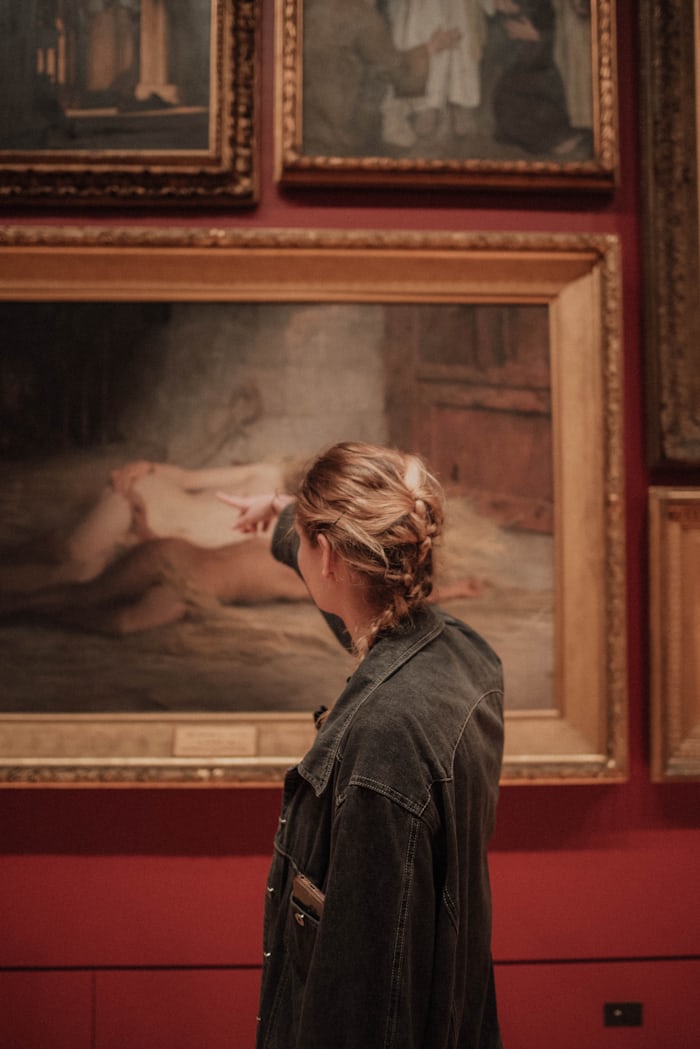
A person pointing at a painting

If you are stuck at creating things, find something worth pointing at and create something about it. For example:

  • if you see something interesting, take a picture of it and post it somewhere
  • if you have a favourite song, sing it for someone
  • if you have a favourite food, make it for someone
  • if you have an interesting place or person or idea and you think others should know, write about it

You get the idea.  I have been mulling this idea over since I read this: Pointing at things – Austin Kleon. 

The format of my blog since the beginning has been to point at things by writing about them. I’d estimate over 90% of my posts are me pointing at other parts of the Internet and saying why they are interesting. Even this post is about pointing at someone else’s post about pointing at things.

Pointing at things is an old tradition of the Internet. There is far too much information on it and often the only way of finding something useful is for someone to point it out. The best pointers often garner the most attention.

I hadn’t thought before to apply the idea of pointing to other creative forms. I somewhat do that on Instagram. Now I want to try and do it elsewhere.

Start pointing at things! Then tell people why you are. Everyone will benefit.

(Photo by kevin laminto on Unsplash)

How to use math to improve your relationships at home and work

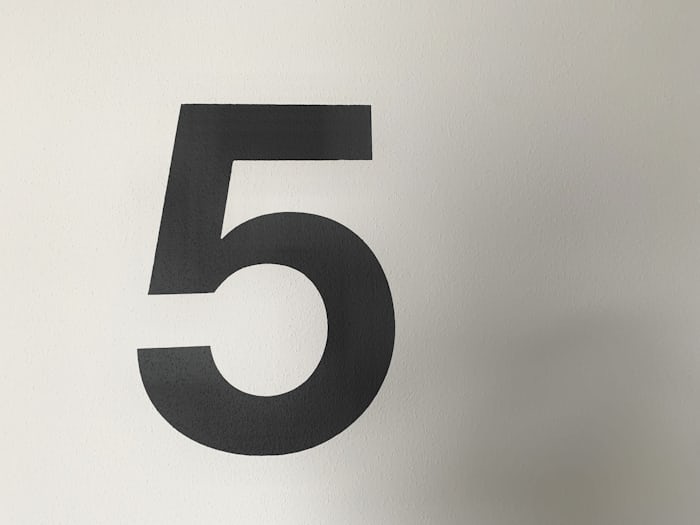
the number 5

According to this, the way to have a good relationship with someone is to have five (at least) or more positive interactions with someone for every one negative interaction: Use the Magic 5:1 Ratio to Improve All Your Relationships | Inc.com.

While the focus for that study was on spouse or partner relationships, I think it is likely a good rule to follow for any relationships you have with people. That goes for people at work.  Think about the people you work with: how often do you have positive (vs neutral) interactions with them? If it is infrequent, consider increasing that. Especially if you are a leader. If you are a leader and you find the only time you interact with people is to criticize their work, you likely have many unhappy people under you.

Think about when you interact with your people and be conscious about making more of your interactions positive. After time you will find you have a better relationship with others, and that will lead to other benefits too.

(Photo by Ralph Hutter on Unsplash)

On preparing for a post-pandemic world

Theatre sign saying the world is temporarily closed

If you are in business, you need to start thinking today about how everything will change after the pandemic. If you need help, review this piece in HBR: Preparing Your Business for a Post-Pandemic World

If you are not responsible for a business, it could still benefit you to read it. I see plenty of people fantasizing about what they might do after the pandemic. Why not go further and start planning to do it? If you are thinking of moving after the pandemic, what will that take? If you are planning on travelling, what do you need to have in place to make that happen?

The pandemic will end. Not soon enough, but sooner than you are prepared for. Get started on that today. The world is only temporarily closed.

(Photo by Edwin Hooper on Unsplash)

On the benefit of long lists of advice

list
The benefits of long lists of advice are twofold:

    1. You can pick and choose the advice you need.
    2. You can build your own list

I’ve done 1: I’ve yet to do 2, but I want to.

Meanwhile, if you want to do both, here’s a bunch of long lists of advice I’ve found.

On the benefits of insomnia

Person with insomnia

For anyone suffering from persistent insomnia, the idea that the condition has benefits is an absurd one. However, if you have occasional bouts of sleeplessness, you can reap some rewards. As this piece argues

Being unable to sleep night after night, for weeks on end, is – of course – hell. But in smaller doses, insomnia does not need a cure. Occasional sleeplessness is an asset, a help with some key troubles of the soul. Crucial things we need may only get a chance to happen during a few active hours in the middle of the night. We should revise our assessment of sleeplessness.

I agree with this. I have had a few rounds of insomnia lately brought on from work stress and I found that I was able to work out some problems during this time. I was fortunate: I took a break midday when I was tired and had a brief nap and I was fine. I realize that not everyone can recover so easily.

To read the entire piece, go here: Perspectives on Insomnia -The School of Life Articles | Formally The Book of Life. Photo by Megan te Boekhorst on Unsplash.

On how I resolved my problems installing Big Sur on my MacBook Air

Mac keyboard
Recently I tried to upgrade my Mac from Catalina to Big Sur. I have done OS upgrades in the past without any problems. I assumed it would be the same with Big Sur. I was wrong.

I am not sure if the problem was with Big Sur or the state of my Mac. I do know my MacBook Air was down to less than 20 GB free.  When I tried to install Big Sur, my Mac first started complaining about that. However after I freed up more space (just above 20 GB) it proceeded with the install.

While it proceeded, it did not complete. No matter what I did, I could not get it to boot all the way up.  Recovery mode did not resolve the problem. Internet recovery mode would allow me to install Mac OS Mojave, but not Catalina or Big Sur.

Initially I tried installing Mojave, but after the install was complete, I got a circle with a line through it (not a good sign). I tried resetting NVRAM or PRAM and that helped me get further, but even as I logged in, I could not get the MacOS to fully boot up (it just went back to the login).

Eventually I did the following:

  1. Bought a 256 GB flash drive. Mine was from Kingston. I bought a size that matched my drive. I could have gotten away with a smaller one, but I was tired and didn’t want to risk not having enough space to use it as a backup.
  2. Put the flash drive into the Mac (I had a dongle to connect regular USB to USB-C)
  3. Booted up the mac by going into Internet recovery mode
  4. Went into disk utilities and made sure my Macintosh HD, Macintosh HD – Data and KINGSTON drive were mounted. (I used the MOUNT button to mount them if they weren’t mounted).
  5. Ran FIRST AID on all disks.
  6. Left Disk Utility. Clicked on Utilities > Terminal
  7. Copied my most important files from Macintosh HD – DATA to KINGSTON (both of them could be found in the directory /Volumes. For example, /Volumes/KINGSTON.)  The files I wanted to backup were in /Volumes/Macintosh*DATA/Users/bernie/Documents (I think).
  8. Once I copied the files onto the USB Drive — it took hours —  I checked to make sure they were there.  I then got rid of a lot more files from the Documents area on my hard drive. After careful deleting, I had about 50 GB free. At one point I was talking to AppleCare and the support person said: yeah, you need a lot more than 20 GB of free space. So I made a lot.
  9. Then I went back into Disk Utility and erased Macintosh HD
  10. This is important: I DID NOT ERASE Macintosh HD – DATA! Note: before you erase any drive using the Disk Utility, pursue other options, like contacting AppleCare.  I did not erase Macintosh HD – DATA in order to save time later on recovering files. I was only going to erase it as a very last resort. It turns out I was ok with not erasing it. The problem were all on the Macintosh HD volume, the volume I DID erase.)
  11. Once I did that, I shut down and then came up in Internet Recovery Mode again. THIS TIME, I had the option of installing Big Sur (not Mojave). I installed Big Sur. It created a new userid for me: it didn’t recognize my old one.
  12. I was able to login this time and get the typical desk top. So that was all good.
  13. Now here is the interesting part: my computer now had two Macintosh HD – Data drives: an old one and a new one. What I did was shutdown and go into Internet Recovery Mode again and mounted both drives. I also mounted the KINGSTON USB drive. Then I moved files from the old Macintosh HD – Data to the new one. (You can use the mv command in Terminal. I did, plus I also did cp -R for recursive copying).
  14. My Mac is now recovered. Kinda. I mean, there are all sort of browser stuff that needed to be recovered. I had to reinstall all my favorite apps. Etc. But it is a working MacBook.

All in all, I learned a ton when it comes to recovering a Mac. If you are reading this because your Mac is in a similar situation, I wish you success.

While I was trying to do the repair, these links were helpful:

(Photo by Charles Deluvio on Unsplash)

In praise of amateurs, young and old

Are you an amateur? Do you sometimes feel you can never accomplish anything doing something you love? Then here’s three good stories on amateurs doing great things you want to read:

  1. High school students discover exoplanets during mentoring program 
  2. Decades-Old Graph Problem Yields to Amateur Mathematician
  3. How older amateur athletes are staying fit through the pandemic

Not all amateurs can accomplish great things, but never let anyone tell you that amateurs are incapable of great things. Because surely they are. Go on, pursue the thing you love. Great things may result.

(Photo by Jamie Street on Unsplash)

It’s February. A great month. Here’s why

I used to think February was a terrible month. In Canada it is one of the coldest and darkest parts of the year. By the time you get to this month, you’ve already been slogging through months of winter. The joy of Christmas and the New Year has worn off. February is bleak.

Now I think February is a great month. It’s a good month to make resolutions and challenge yourself. It’s a good month to get things done indoors. And it’s a good month to get ready for spring.

If you have to make resolutions or challenges for yourself, make them in February, not January. The latter has 31 days, the former at worst has 29. So if you are trying to exercise every day for a month or not drink for a month or…whatever….you have less days to get to your accomplishment. You will still have a sense of accomplishment and you will have an easier time accomplishing things.

In the cold northern hemisphere, you are likely spending more time indoors, so do some excellent indoor things. Why not take that time and start a new hobby? Or purge your closet/basement/attic of stuff you always wanted to get rid of? Or lie down and binge watch that show you always have been planning to binge watch? Soon Spring is coming and you will want to get outside. Now is the time to tackle all that.

Once you have done your indoor tasks, plan to do your outdoor activities. If you are going to do gardening in the spring, figure out how to do that in February. If you want to get a bike to do cycling in spring, start researching where to get the best bike before March comes. Whatever you want to do in spring, start thinking and planning for it now before it’s too late.

For more on why February is a great month, see this: February resolutions – Austin Kleon

(Photo by Glen Carrie on Unsplash)

The pandemic isn’t over and neither is working from home. Why are you working like before times?


Until recently, I was working like I always did: get up, get coffee, start work around 9 and finish work around 5 while sitting in the same place for the whole time. Then I read this:Working From Bed Is Actually Great – The New York Times.

After reading it, I thought: why am I working like I used to? Why not take advantage of being at home to work better? For example, last week I was working on a hard problem and I was sitting at my desk and getting nowhere. I decided to go out for a walk. After about 20 minutes of walking the solution came to me. I went home and wrote it up!

Likewise I have weights next to my desk now. When I get stuck I get up an do a microworkout. Other times I will take a break and do a drawing. Or stretch. Anything to get my brain going.

Consider shaking up your own work routine. I know for some people, that’s impossible. End of story. But if it is not impossible, try doing what I did. Or work from a different part of the house. Even the bed.

We are going to be working from home for some time. Let’s make the most of it.

(Photo by Avi Richards on Unsplash)


It’s Monday! First up: dealing with your procrastination

Let’s face it: Monday is a good day to deal with tasks you’ve been putting off. So you write them down, say: this week I will deal with these! And then….you don’t.

It’s ok. Procrastination is a complex thing. If you don’t believe me, read this:
‘Why Do I Spend Weeks Avoiding Tasks That Will Take Me 10 Minutes to Do?’

So much of our culture rewards us for meeting deadlines, so we are encouraged to do things at the last minute. That can encourage our use of procrastination. Likewise, many of us do not acknowledge we have ebbs and flows of energy as well as ebbs and flow of mood. If we were to acknowledge that, we would schedule tasks when we know we have energy and in a good mood.

Read the article and pick out the things that contribute to your putting things off (e.g. mood). Then schedule and do those things that have been on your todo list for so so long.

Good luck!

(Photo by Brett Jordan on Unsplash)

Some poems of hope and resilience


If you need some hope and inspiration and find your typical Internet material isn’t cutting it, perhaps you need something better. If so, visit this site: Poems of Hope and Resilience | Poetry Foundation. 

There’s many good poems there that might help. As they say:

How can we find hope amid uncertainty, conflict, or loss? When we feel we have lost hope, we may find inspiration in the words and deeds of others. In this selection of poems, hope takes many forms: an open road, an unturned page, a map to another world, an ark, an infant, a long-lost glove that returns to its owner. Using metaphors for hope seems appropriate, as the concept of hope is difficult to describe. It is deeper than simple optimism, and more mysterious, delicate, and elusive. It is a feeling we must develop and cultivate, but like faith, it is also a state with which we are graced. Hope can foster determination and grit—the ability to bounce back and to remain determined despite failures and setbacks—when we make daily efforts to change and improve what we can control. These poems speak to the importance of hope and resilience.

Photo by Ron Smith on Unsplash

If you are tired of cooking, you need quarantine cooking help


At the beginning of the pandemic there was lots of advice on  cooking and baking being published. Then summer came, and it seemed to have stopped. Restrictions loosened, people went out to restaurants, and in the meantime much of that advice got shelved.

It’s winter now.  In the middle of the second wave with more lockdowns and restrictions, we need that advice again. Bad news: I don’t see as much new material on it. Good news: the old material from before the summer is still good. Case in point, this, from the New York Times: Our Best Recipes and Tips for Coronavirus Quarantine Cooking – The New York Times.

There’s lots and lots of good advice and good recipes there. More than enough to keep you going for the next few months.

My favorite of the lot are the recipes from Melissa Clark. If you don’t know where to start, start there. But really any of the pieces in that long list of recipes and tips are good.

As Jacques Pepin likes to say: happy cooking!

(Photo by Jeff Sheldon on Unsplash)


It’s the second week of January. You’ve broken your resolutions. Here’s some better ones for a pandemic


You’ve made resolutions to improve and already you’ve broken some of them. I get it: it’s hard to keep resolutions at the best of times, never mind during a pandemic.  It’s worse if you were hoping those resolutions were what you were going to get you through the rest of the pandemic. You may feel adrift.

Fortunately help is at hand. Here is a good article that will provide you with some gentle resolutions and how you can keep them: I teach a course on happiness at Yale: this is how to make the most of your resolutions | Health & wellbeing | The Guardian.

In a nutshell, be more compassionate with yourself. By doing that, over time you may find you build up enough inner resources to go back and tackle those failed resolutions. Did I say failed? I meant, paused resolutions. 🙂

(Photo by Tim Mossholder on Unsplash)


Instead of trying to be great, try to suck less


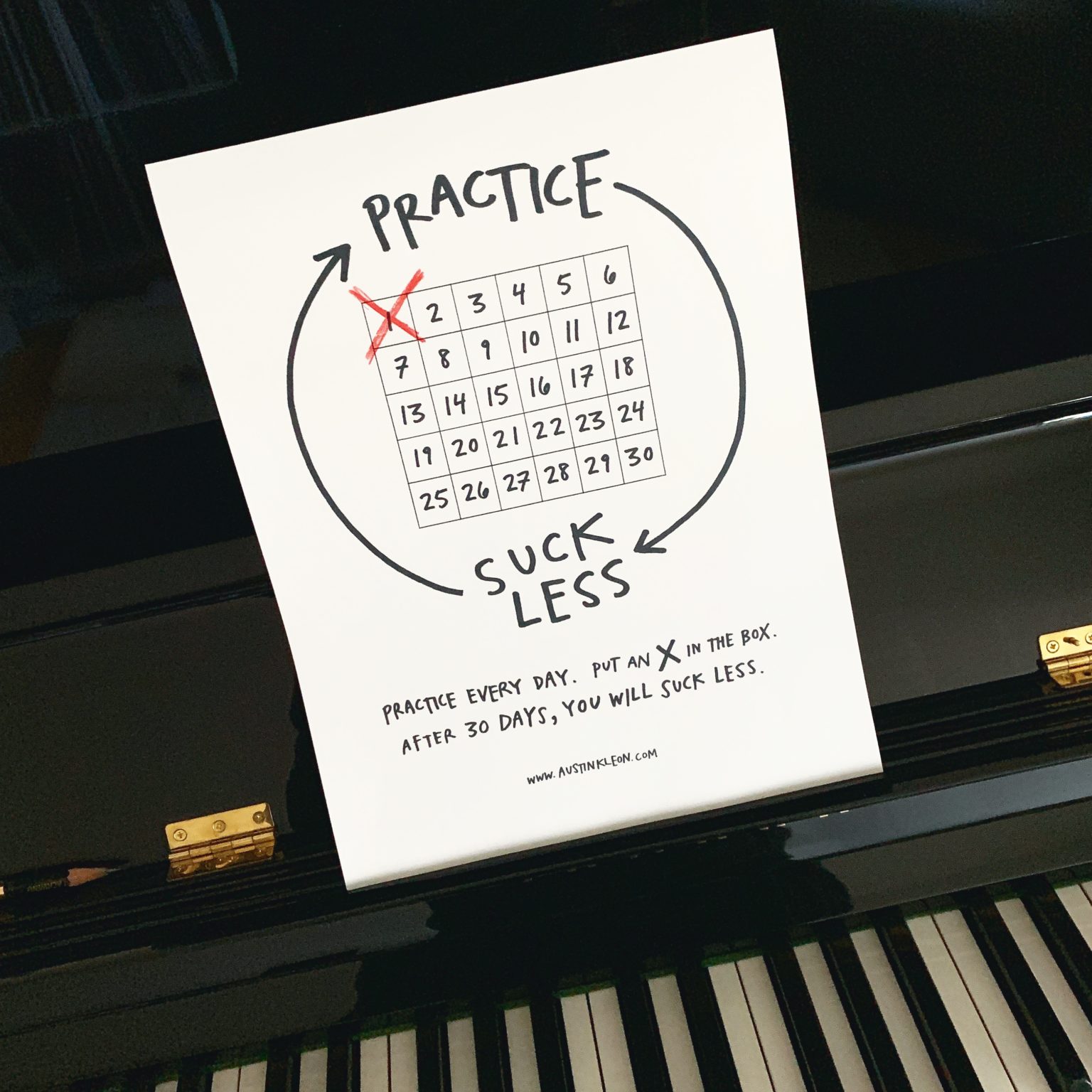
Yesterday I wrote about building up a new habit. Some habits do not require you to gain new skills (e.g. eat more fruit, walk every day). Some habits do (e.g. learning to code, draw, run a 10K). When you first try to build up new habits in those areas, you are going to suck. Your code will suck, your drawings will look like crap, your running might be difficult and painful. To deal with this, you need to do two things.

One thing is to make your goal to suck less in the time to build up your new habit. If you are drawing every day, don’t worry if it sucks. Aim to suck less than the last day. To do that, you will need to do two things:

  1. pay attention to where your new habit sucks and make some notes on where they suck
  2. research how to make such suckage go away
  3. apply what you learned from your research

If you are learning to run and it is hard, research how to make it easier. Maybe you need to stretch more, maybe you need to vary your routine, maybe you need to just cut yourself some slack. If you are learning to draw, maybe you need to draw different things, or maybe you need to draw the same thing every day, or maybe you need better media. You get the idea.

For more good advice on this, see this post by Austin Kleon. In that post you can get a PDF of the calendar pictured above if you need a way to track your progress to less suckage.

And what happens if you keep working on sucking less? Eventually you will find you don’t suck at all. (Or if you do think you suck, everyone else will think you are good and wonder why you think that. :))

How to shake those bad pandemic habits


It’s a new year, and you may not only be fed up with the pandemic but with the bad habits you picked up during the pandemic. You – ok, and me! – need new habits. While there a billion trillion guides on how to build healthy habits, here’s a nice article from the New York Times to help get you going: How to Build Healthy Habits.

In a nutshell:

  1. Start small and stack/tie your new habit
  2. Do it daily
  3. Make it easy
  4. Reward yourself

Stacking or tying your new habit involves tying your new habit to your daily habits and routines. For example, if you drink several cups of coffee each day and you want a habit of eating more fruits and vegetables, then have a piece of fruit every time you go have a coffee.  To make it easy, put the bowl of fruit next to the coffee machine. To reward yourself, have a small — small, not big! — piece of chocolate after completing the new habit. To do it daily, tie it to a routine or current habit you do daily or more.

Remember it takes time to build a new habit. According to the article, building a new habit can take “from 18 to 254 days. The median time was 66 days”. So give yourself some time. And start small and pace yourself.

A few more thoughts:

  • If it starts getting boring, challenge yourself. Or vary your habit.
  • If it starts getting hard, cut back, perhaps to the minimum amount (but not zero).
  • Get a coach or cheerleader, even if it your spouse, your best friend, or even your kids. (Kids love to cheerlead if they get to make noise. :))
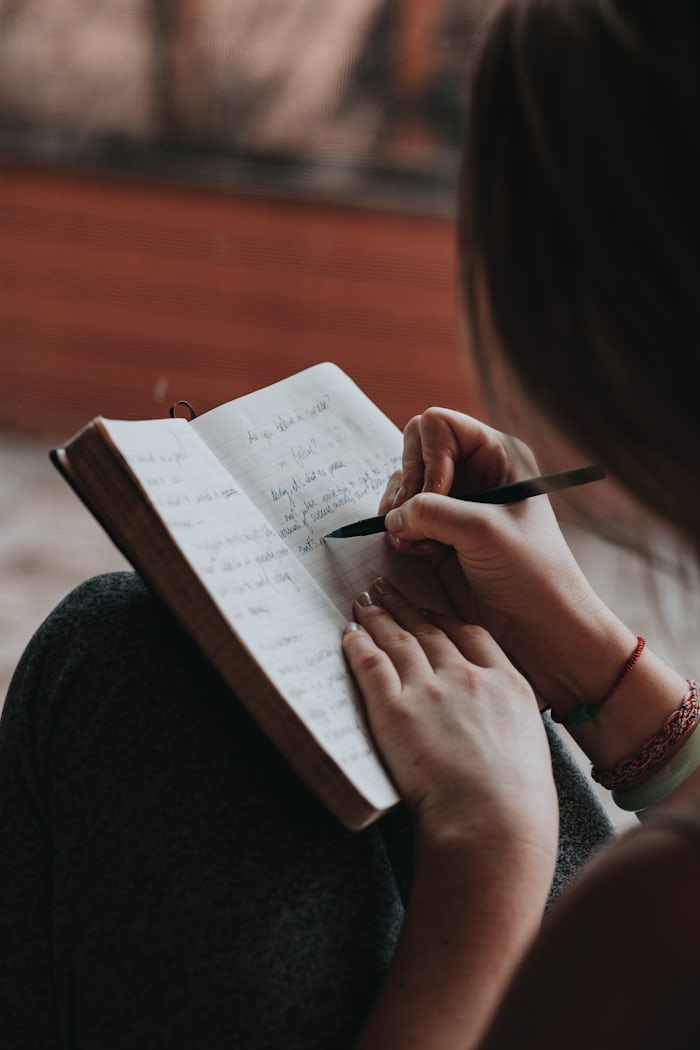
  • Track that new habit. I like the journal below. Other people like putting Xs through a calendar. Whatever makes you proud of your accomplishments.
  • At first, focus on the fact you are started. Don’t think about how far you are going. Think about that you are going at all.

(Top Photo by Drew Beamer on Unsplash. Bottom Photo by Prophsee Journals on Unsplash)

On recording (why you should think about it differently, why you should resolve to do it)

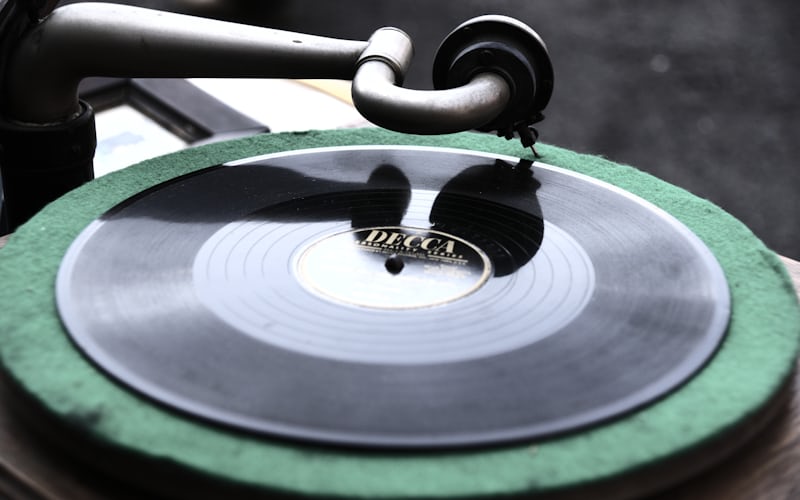
Recording. Record. To me those words bring up images of black vinyl disks to play music. Records are great, but there is so much more to making a recording.

A recording can be anything, on any media. All the photos you take on your phone and store on Instagram are a recording. All the receipts you collect in a box are a recording too: a recording of what you spent and where you spent it. Last year I wrote down all the dinners I had since the start of the pandemic: it too is a recording.

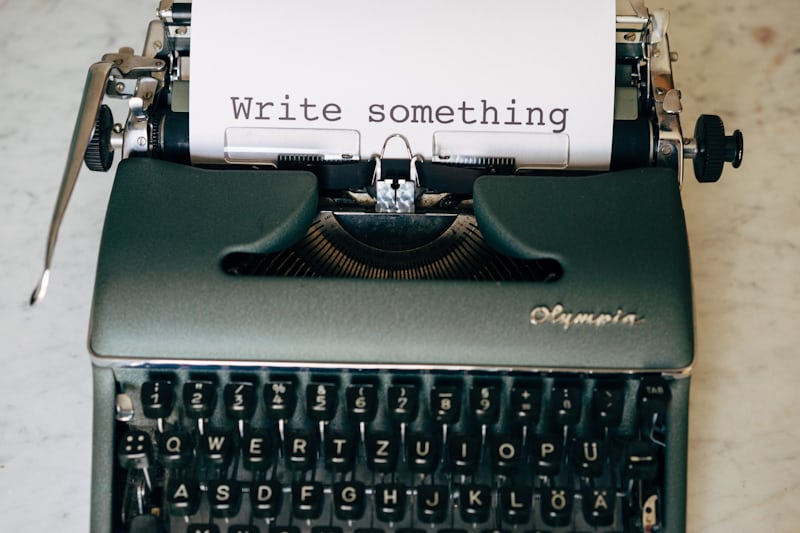
For 2021, a good resolution is to record some part of your life. Do it in a way that is easy to do regularly. Do it such that there is enough information to look at it later. Some of my recordings this year were terrible: books I read, runs I went on. Others were strong: things I enjoyed despite the pandemic, politicians I wrote, friends I kept in contact with.

Some people like to use paper for this. Austin Kleon, a master of recording, outlines his process here: The year in notebooks. As he says

If you’re looking for a New Year’s Resolution, keeping a daily notebook is a pretty solid one.

On the other hand, if you are a digital person like me, use a simple tool like SimpleNote or Evernote or just your smartphone camera to record that part of your life. Whatever tool works best for you is the best tool.

It doesn’t have to be a diary or journal format. It can be a log of the best thing that happened each day. Or the funniest thing that happened that week.  Or the weather. Just record something, even if it is a few words.

There’s a number of benefits to making these recordings. If you do it well, at the end of your year you may be able to build up a list like this: 100 things that made my year (2020) – Austin Kleon. Even if your list is smaller, what you may get out of such a list is a recording of what makes your life worth living and what made things worthwhile during times when perhaps things weren’t that great.

Later, as you go through it again, your memory will fire up and you may recall other good moments not captured on paper or computer but still there. That’s another great thing about recording things: it helps you remember so much more.

Your life has value and meaning. Recordings help show that. So get making them.

(Photos by Photo by Samantha Lam  (top) and  by Markus Winkler  (bottom) on Unsplash)

Welcome to the New Year. This advice could come in handy.

Optimism

It’s a new year. A new year after a very difficult one.  It’s a good year to work on being optimistic. If you want to put in that work, start by reading this: How to Be More Optimistic – The New York Times. It will give you some tools to get you started on the path of seeing the fullness of your life.

Yes, there will be difficulties: there always are. The glass is never full. But being able to see things positively is a skill to work on. Today is  a good day to start working on it.

(Photo by Ian Taylor on Unsplash)

Some CBT Resources online you may find useful

Man thinking.
Cognitive Behavior Therapy is an effective way to deal with many forms of anxiety and depression. I’d argue it can help people with their thinking in general. If you are looking for tools to help you with it, here are two sets of resources:

  1.  Online Cognitive-Behavioral Therapy Workshop
  2. CBT Worksheets (includes this PDF comes).

(Photo by Darius Bashar on Unsplash)

Merry Christmas! Here’s everything you need to know about making a turkey but were afraid to ask (or do)

Merry Christmas! I hope the day is a peaceful and joyous one for you and yours.

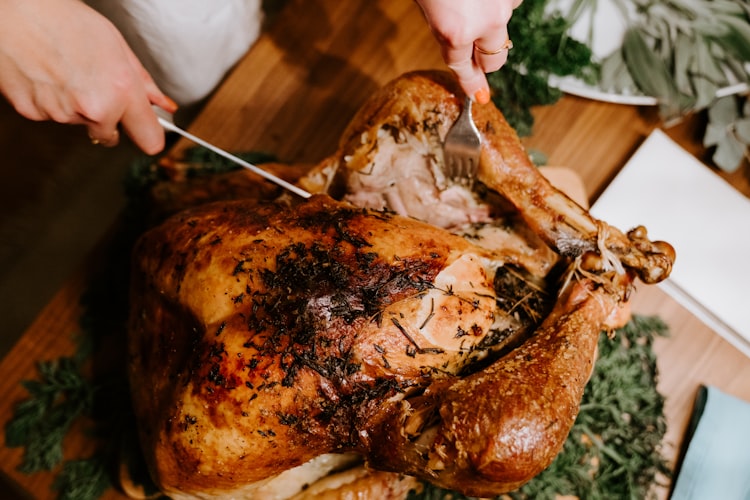
As part of the celebration, you may be making a turkey. Good for you. But making a turkey can be daunting and fearful. You need help. You need a guide. Indeed, what you need this excellent guide from epicurious. It will help you get it done like nobody’s business.

All the best to you and yours on this great day. Merry Christmas. And happy New Year to you as well.

Save this for your Zoom wine and cheese get togethers this holiday season….


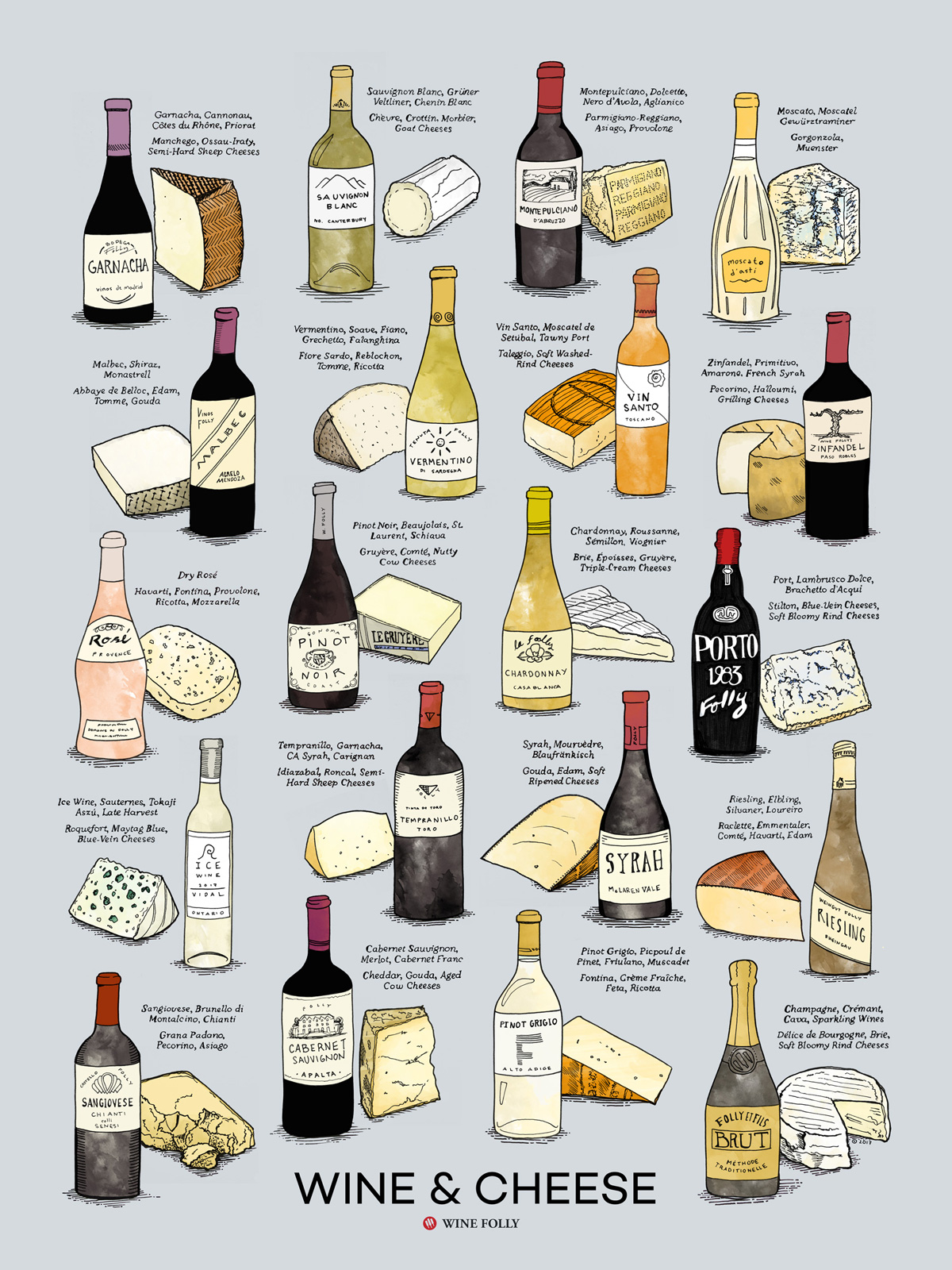
If you are planning to have a Zoom get together over the holidays and you are look for ways to jazz it up with a wine (bourbon?) and cheese pairing, check this out: The Best Spirits and Cheese Pairings According to the Experts | The Manual

Or you can go to the site that provided the fine poster above.

Merry Christmas Eve!

If you are spending Christmas alone this year….

If you are spending Christmas alone this year and  you find the thought of it difficult (and why not?) then you might find this helpful: The Best Ways to Spend the Holidays Alone, From Someone Who Does It Every Year.

Some good tips there, pandemic or no pandemic.

Happy Christmas, wherever you are, and with whomever you are spending it with.


You are running out of time and you are thinking of regifting something. Consider this

It’s tough shopping in this pandemic. If you are stuck trying to find a gift and you are thinking of regifting, then read this first: Best Regifting Ideas — 5 Things That Are OK to Regift, and 5 That Aren’t | Apartment Therapy.

Yes, wine is a good choice (assuming the person getting the gift likes wine). For other Dos and Don’ts, check out that article.

(Image Photo by CHUTTERSNAP on Unsplash)

Are artificial trees better for the environment than real trees?

Christmass tree

It’s that time of the year. And if you haven’t gotten a tree yet — either from a field or from the attic — you might be asking yourself: what is the most environmentally friendly option? Well, the folks at the New York Times asked themselves that too and wrote about it, here.

I am a big fan of real trees and will continue to get them. But read the article and judge for yourself.

(Photo by Danny Castaneda on Unsplash)

It’s pandemic Christmas. Here’s details of a new phishing attack coming to your inbox


Hey, if you are like me, you are ordering your presents online. When you do that, you get a lot of emails back updating you on the status of your order. Since it is Christmas, you are anxious about your order so naturally you are checking on them quickly. And that’s why you need to be careful.

Last night I got an email from Target asking me to check out the status of my order by clicking the link. This was fishy (phishy?) to me, because I didn’t order anything from Target. I checked the links in the email and sure enough: they did not go back to the Target web site.

And it’s not just merchants. I also got one from Paypal warning me of someone breaking into my account and asking me to press a button which wasn’t linked to PayPal.

In short, check your confirmation emails carefully before you click on anything. Otherwise your Christmas could be an unhappy one.

To set goals, you need to look at your life. Here’s what I mean. (Or how to deal with Wanting to Have a Social Life, with Friends)

I’m not going to say that your goal setting is wrong. But it’s likely you are setting goals without looking at how you spend your time.  So let’s start there.

Write down what you are doing or think you are doing every day, week, month. Really think about this and take the time to document your life this way. Be as quantitative as possible. Then categorize those activities. After you do that, ask yourself: do you want to spend the same amount of time doing those activities in the future? If you don’t, do you want to spend more time or less time?

Let’s take someone named Alison. Alison thinks her goal is to be a better parent. However, when she looks at what she is doing, she finds she is spending most of her time working to become a partner in her firm. That’s her real goal: promotion.

Now Alison is multifaceted, as we all are. She doesn’t need to abandon one goal to work on another. She decides she does want to get promoted, but she does so in the context of also being a better parent. So she shifts some of her time and focus towards more parenting, then works to track that over time to see whether she really has internalized that as a goal.

The time and effort and focus you spend on something tells you what your goals are. Even if you don’t know those are your goals. I discovered this some time ago when I was tracking my todos in an app called Remember the Milk. I was the opposite of Alison. I thought I wanted to get promoted, but I spent most of my time focused on being a good parent and not enough on getting promoted. Eventually  I was content with that. I accepted that I would like to get promoted, but I wasn’t willing to sacrifice my parenting time to that. And I liked my work as it was. From time to time I would be disappointed to see others rise in the organization while I stayed the same, but quickly I thought that was ok. I was meeting my goals.

Likewise, I ran marathons for a long time, and I thought my goal was to run more. But over time I realized that what I got out of marathon running had slipped away. It just became a chore and my goals changed from being a marathon runner to being healthier. Maybe as my life changes I’ll go back to running marathons.

There is a famous poem by Kenneth Koch  called You Want a Social Life, With Friends that addresses this:

Koch is strict here but the thinking is the same. Setting goals helps you move forward in life only if the goals you set align with your values and interests and the time you spend on that. Trying to do everything is difficult when resources  are limited. So think about the time you have and set better goals.

For more on setting better goals, read this piece.

(Photo by Isaac Smith on Unsplash)

To do good, you need to take your time

Good samaritan sculpture

There is a good review of Pope Francis’ Encyclical Fratelli Tutti,  here, in Osservatore Romano. I recommend you read it in full.

One thing in it that struck me was that in order to be good to our sisters and brothers, we need to make time for them. This is what the Good Samaritan does: he takes time to stop and care for another. We need to do this too if we are to be good.

Consider your week next week. How will you take time for others. Not yourself, but how will you give your time to make others better? In doing so, you will be doing good.

There are many ways you can be good. You can give financially. You can be virtuous. But you can also do good if you take your precious time and give it to others so they can be better, and in doing so, you can be better too.

(The image is from this piece on the Good Samaritan. I recommend you read that too. It’s insightful, and a reminder of what a powerful parable it is.)


How to improve and get better by using taboos and your dark side


How to improve and get better by using taboos and your dark side seems like a contradiction. But sometimes using your dark side can be just the thing you need to improve.

Now this can be harder to do than you might suppose. Our culture (from Faust to Star Wars) says appealing to the dark side leads to your ruin. This can cause you to not want to do this. But anger (against injustice), pride (in becoming the best), gluttony (for hard work) and lust/vanity (to self improve) can sometimes motive you and drive you much better than love and happiness can.  Sure, excessive vices can destroy you, I agree. But vices well harnessed and in moderation might get you through the difficult days of changing and help get you to the other side.

To see a good example of what I mean, read this: A Spiteful Guide to Self-Improvement.

You may not have an enemies or rivals or arch enemies. Fine. Invent some. Then go out and take them on and in the process become a better person. Then be magnanimous and graceful in your victory. There: now you are a better person and a good one too.

(Image by Gustave DoréJacob Wrestling with the Angel (1855) from wikipedia)

On being grateful despite duress

Grateful sign
It is said that being grateful is good for our mental health. But being grateful when living under duress can seem next to impossible. To see others do so is educational.

So I give you this piece on someone who is grateful in a way many of us might not be. I found it educational. I am still absorbing the lesson. I hope you gain something from reading it.

(Photo by Dylan Ferreira on Unsplash)

How to go skating in Toronto in the pandemic

Liisa Ladouceur (shown above) has written a thorough guide for anyone who wants to go skating in Toronto during the pandemic. No, you cannot just show up with your blades and start skating. You need to do more. And you should do more, because skating is a great way to enjoy winter in the pandemic era. So read this: Where to go skating in Toronto in 2020 by Liisa Wanders. Then get out there! Maybe I will see you at a socially safe distance with a fun mask on too.

It’s Monday. You have something risky you have been dreading to tackle. Here’s how to tackle it

You have something we want to do but don’t because you feel there is a big risk involved. You think: what if I fail? If you fail you fear you will a) be covered in shame b) lose out big c) have other bad things happen to you that you can’t even imagine you can cope with. No wonder you have been putting it off.

First of all, you can cope with pretty much anything. Second of all, there is a good and painless way to approach that thing you think is risky. It’s outlined nicely in this article and in that diagram. The article uses opening a restaurant as an example, but it could be applied to any big goal you have, from taking on a new job position to running a marathon.

In my own job, we deal with managing risk every day. We plan to deal with risk by taking the same method and applying it over and over. It is very effective professionally. It can be effective for you personally. Keep iterating until the thing that once seemed very risky now seems much less so.

(Image from a link to the article.)

Want help getting your place neat and tidy this weekend? I have some links

cleaning products
If you are in a rut with keeping your place clean and organized, this could help:

  1. Zettelkasten is the German Secret to a Super-Organized Life | Apartment Therapy
  2. The Best Cleaning Apps – For Families, Roommates or Anyone | Apartment Therapy
  3. 7 Smart Cleaning Hacks Using White Vinegar | Apartment Therapy

It’s a pandemic: it’s hard to go anywhere nice and clean, so make your place that place. Or you can do what I do: procrastinate about cleaning and organizing by reading about it instead. 🙂