It’s a new week. Perhaps you need a new goal for the week. Consider working out in the middle of the day.

Person doing yoga

I was skeptical of the idea of working out every day, but after I read this, I thought it was a good and achievable goal for a week: Midday Workout Habit — I Tried It: Working Out in the Middle of the Day. The key is to be open to change and not go hard every day. But if you can go harder, try it.

If you are thinking, “exercise? I can barely walk”, then choose walking to be your new fitness routine. If you need advice on that, read this: How to Keep a Fitness Streak — Turn Daily Walks into a Habit.

If you were walking before as exercise and you found it boring (confession, I did), here’s some advice on how to make it more interesting: The Joy of Steps: 20 Ways to Give Purpose to Your Daily Walk

If walking still isn’t your thing, then here’s a guide to finding something good to do: Keeping Fit: How to Do the Right Exercise for Your Age

Remember, you don’t normally have to exercise a lot. Indeed, this article encourages you to take a bit more than 10 minutes to get some benefits: Exercise 11 Minutes a Day for a Longer Life.

While 11 minutes is good to extend your life, if you want to lose weight, then read this: Exercise for Weight Loss: Aim for 300 Minutes a Week

Finally, whatever you do, remember this: Exercise Shouldn’t Feel Horrible

Good luck!
(Photo by Kari Shea on Unsplash)

On restaurants loved and lost: Brothers

Brothers Restaurant Toronto

It’s Valentine’s Day, a good day to write a love letter to one of my favorite restaurants of all time, Brothers.

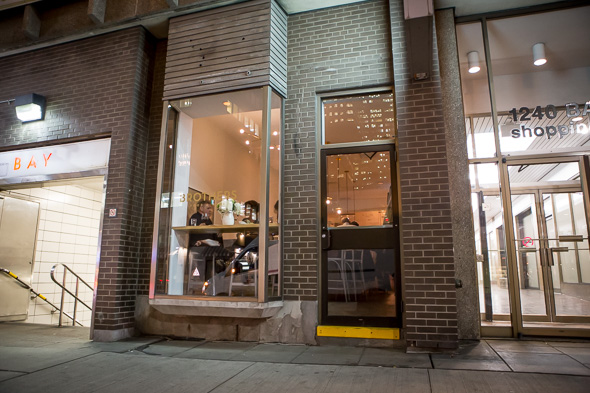
Brothers is a restaurant that should not have worked. Crowded between the entrance of the Bay Street subway and a downtown mall, there was barely room for anyone. One table in the window, a midsized bar, and a few tables in the back. Amongst all that a kitchen the size of a big closet nestled in a corner. It should not have worked, but in the short time it was around, it worked wonderfully.

You realized it was special when you first walked in, and I walked in often. I worked nearby, and whenever I needed a treat, I would wander over and sit at the bar and have lunch. I went so often that Chris who ran the front of place would warmly greet me after a time. (Later, as the place became extremely popular, Chris would sadly greet me after a time to tell me there was no room. It got so bad — for me, not them —  that I ended up scheduling lunch at 2ish just in the hopes of  getting a spot.)

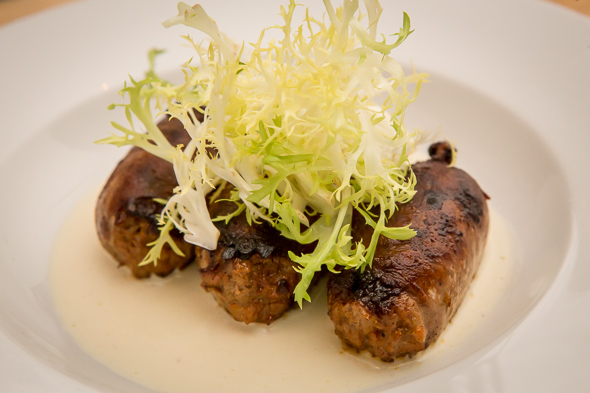
While the service, atmosphere, and location were all great, what had me come back again and again was the food. The food was superb. I would take the hearty bread they offered and wipe down the plate to get every bit of it. The cooking was precise, simple and stellar. I loved to get something like sausage served with beans or vegetables and accompanied by a well chosen sauce. I’d take my time to slowly eat it, trying to appreciate and understand why it was so good. It was as much a cerebral as it was a sensory experience.
I would ask Chris about their tomato sauce or their green sauce, and he would tell me how they experimented with the amount of dairy or herb or whatever ingredient was in it to make the dish just right. And just right it was.

Most of the time I would get their sausage dish. The meat would change in the sausage, but it was always expertly balanced with seasoning. At first they may have been traditionally shaped, but later they were puck shaped. I loved that, and I loved them.

Sausage was not the only thing they excelled at. Pastas were always handmade, cooked to just the right texture, then served with a sauce better than any pasta sauce I ever had. Carpaccio was thin slices of whatever was appropriate for the season and accompanied with a light, lively dressing. The beef carpaccio was one of my favorite. They once said they could teach anyone to make it, but I doubt that. Fish, salad, dessert: whatever they made, they made well, listed it on their minimal menus, and I was happy and lucky to have it.

Brothers wasn’t around long, and in the time it was around, it lived three lives. The first was before the New York Times wrote about it, the second was after that article, and the third was the pandemic. Before the Times article, it was not too hard to get a seat there. They didn’t even take reservations. After the Times article, it was very hard to get in. There were weeks when I could not get a spot at the bar.  It got so busy they went with a reservation system. It slowed down a bit, but it was always popular.

Until the pandemic occurred. That was their last life. They tried to pivot to take out, and I did a curbside pickup of a wonderful meal from them. In the end they decided they didn’t want to be that kind of place and closed it down.

Lots of places have gone due to the pandemic. Some of them would have gone regardless. Not Brothers. If there was no pandemic, I am sure it would still be running, still sliding plates of that chewy soft bread and warm mixed olives and perfectly cooked food for me and you to delight in. I am going to miss many places because of the pandemic, but I think I will miss Brothers most of all.

(From more on it, see the New York Times article, or this blogTO piece. Images from the blogTO piece.

Check out their old web site. It’s simple but smart, just the way it used to be.

Finally this Google link will show you a wealth of photos for the place.)

 

On how I resolved my problems installing Big Sur on my MacBook Air

Mac keyboard
Recently I tried to upgrade my Mac from Catalina to Big Sur. I have done OS upgrades in the past without any problems. I assumed it would be the same with Big Sur. I was wrong.

I am not sure if the problem was with Big Sur or the state of my Mac. I do know my MacBook Air was down to less than 20 GB free.  When I tried to install Big Sur, my Mac first started complaining about that. However after I freed up more space (just above 20 GB) it proceeded with the install.

While it proceeded, it did not complete. No matter what I did, I could not get it to boot all the way up.  Recovery mode did not resolve the problem. Internet recovery mode would allow me to install Mac OS Mojave, but not Catalina or Big Sur.

Initially I tried installing Mojave, but after the install was complete, I got a circle with a line through it (not a good sign). I tried resetting NVRAM or PRAM and that helped me get further, but even as I logged in, I could not get the MacOS to fully boot up (it just went back to the login).

Eventually I did the following:

  1. Bought a 256 GB flash drive. Mine was from Kingston. I bought a size that matched my drive. I could have gotten away with a smaller one, but I was tired and didn’t want to risk not having enough space to use it as a backup.
  2. Put the flash drive into the Mac (I had a dongle to connect regular USB to USB-C)
  3. Booted up the mac by going into Internet recovery mode
  4. Went into disk utilities and made sure my Macintosh HD, Macintosh HD – Data and KINGSTON drive were mounted. (I used the MOUNT button to mount them if they weren’t mounted).
  5. Ran FIRST AID on all disks.
  6. Left Disk Utility. Clicked on Utilities > Terminal
  7. Copied my most important files from Macintosh HD – DATA to KINGSTON (both of them could be found in the directory /Volumes. For example, /Volumes/KINGSTON.)  The files I wanted to backup were in /Volumes/Macintosh*DATA/Users/bernie/Documents (I think).
  8. Once I copied the files onto the USB Drive — it took hours —  I checked to make sure they were there.  I then got rid of a lot more files from the Documents area on my hard drive. After careful deleting, I had about 50 GB free. At one point I was talking to AppleCare and the support person said: yeah, you need a lot more than 20 GB of free space. So I made a lot.
  9. Then I went back into Disk Utility and erased Macintosh HD
  10. This is important: I DID NOT ERASE Macintosh HD – DATA! Note: before you erase any drive using the Disk Utility, pursue other options, like contacting AppleCare.  I did not erase Macintosh HD – DATA in order to save time later on recovering files. I was only going to erase it as a very last resort. It turns out I was ok with not erasing it. The problem were all on the Macintosh HD volume, the volume I DID erase.)
  11. Once I did that, I shut down and then came up in Internet Recovery Mode again. THIS TIME, I had the option of installing Big Sur (not Mojave). I installed Big Sur. It created a new userid for me: it didn’t recognize my old one.
  12. I was able to login this time and get the typical desk top. So that was all good.
  13. Now here is the interesting part: my computer now had two Macintosh HD – Data drives: an old one and a new one. What I did was shutdown and go into Internet Recovery Mode again and mounted both drives. I also mounted the KINGSTON USB drive. Then I moved files from the old Macintosh HD – Data to the new one. (You can use the mv command in Terminal. I did, plus I also did cp -R for recursive copying).
  14. My Mac is now recovered. Kinda. I mean, there are all sort of browser stuff that needed to be recovered. I had to reinstall all my favorite apps. Etc. But it is a working MacBook.

All in all, I learned a ton when it comes to recovering a Mac. If you are reading this because your Mac is in a similar situation, I wish you success.

While I was trying to do the repair, these links were helpful:

(Photo by Charles Deluvio on Unsplash)

My cooking projects for the month of February and March (maybe)

This is the second in a list of (aspirational?) cooking projects/lists. I say aspirational because I only cooked a fraction of what I planned to cook with the last one. Ah well. It’s good to have a goal. It’s fun to share cooking ideas too. Plus I will look back years from now and think either: oh yeah that was delicious, or, what was I thinking? 🙂

Here’s my latest list:

TikTok Cooking: TikTok is influencing a lot of things these days, including cooking. The baked feta dish I had and it was delicious! Here’s one version of it:
baked feta with tomatoes and chickpeas from smitten kitchen. Another thing I saw people do was the tortilla fold. Haven’t done that yet but want to try it. Here’s more on it: The TikTok tortilla trend is a quesadilla with extra fun folded in – The Washington Post

Kimchi: I have a desire for kimchi and I have a big jar in the fridge. Here’s two recipes I want to try using it. Both are simple but both look delicious: Kimchi and Ketchup Fried Rice and Kimchi Roasted Salmon

Meatballs: I’ve been craving meatballs lately. I’ve made two of these: this one Crispy Sheet-Pan Meatballs with Salsa Verde Recipe from Bon Appétit and this one: A Newsletter #14 from Alison Roman’s newsletter. I haven’t tried this Mojo Meatballs Recipe from Bon Appétit or this tomato-glazed meatloaves with brown mashed potatoes but I want to. I love Greek flavours, so I may make this too:
Easy Greek Lamb Meatballs Recipe with Dill Dipping Sauce.

Dill/Greek flavours! Speaking of dill and Greek flavours, here’s a ton of recipes to use up that dill: 20 Best Dill Recipes – What to Make With Dill | Kitchn. Still want more dill recipes? Head back to Alison Roman’s newsletter for that.

Moving from dill to greek, here’s a nice looking Lemony Garlic Chicken and Orzo Soup from Half Baked Harvest. And finally, yes, more meatballs:
One Skillet Greek Meatballs and Lemon Butter Orzo. – Half Baked Harvest

Garlic soup: I was wanting to make garlic soup so I did some recipe research on it. I tried one of these, but the result was underwhelming, despite using good ingredients. Not sure why it was a dud. Need to retry. Meanwhile, here’s some recipes:

Soup and salad: here’s some more soups I want to try, and one salad I have tried and enjoyed: Miso Soup from Mark Bittman, and since I have a lot of lentils, Vegan Red Lentil Stew from Budget Bytes. If you want a reliable salad to go with all your pasta dishes, I recommend this: Italian Chopped Salad Recipe from Bon Appétit

This is a real project: I love Dan Dan noodles. I have a recipe for them that approximates the taste, but is not the same. THIS recipe seems like it would be more like it, but I am not sure I can find all these ingredients: Dan Dan Noodles: Authentic Sichuan Recipe from The Woks of Life


Indian / Asian flavoured dishes:
that’s a poor description for a list of great looking dishes. Give your slow cooker a workout with this: Slow-Cooker Chicken Tikka Masala Recipe from Real Simple or this Slow-Roast Gochujang Chicken Recipe from Bon Appétit. For something faster, there is Chicken Satay with Peanut Sauce from Damn Delicious. And if you want to work your sheet pan, there’s Sheet-Pan Garam Masala Chicken Recipe via Bon Appétit.

Skewers: I’ve been wanting skewers lately. Really any meat marinated, cut into cubes and combined with fruit or veg will do, as this argues: How to Make Skewers for Pork, Chicken, Steak, and More | Bon Appétit. That said, here’s a specific recipe I may try: Grilled Sirloin Skewers with Peaches & Peppers Recipe from MyRecipes

Good sides: are good. Salad always works, as does simple rice. For something a bit finer, there is this: Muffin Tin Cheesy Potato Gratins Recipe from BettyCrocker.com

Bistro: I’ve been think a lot about bistro food this winter. Maybe it was after reading how this woman turned a cookbook into a cooking school: The Balthazar Cookbook: My Personal Cooking School. Here’s some nice recipes I found from Chatelaine: Bistro lentils with sausage and French bistro steak & tomatoes.  This  Apple Crunch Tart by David Lebovitz would go well in any bistro. As would this Sole with Lemon-Butter Sauce Recipe from Martha Stewart

Kosari/No recipe meals: I am a fan of recipes that are more like guidelines than strict instructions. If you are a fan of that too, try this: This Koshari Recipe is Easy to Make and Comes Together With Whatever Leftover Grain and Beans You’ve Got from Bon Appétit. If you prefer a recipe, then this will get you there: Koshari Recipe from Food.com

Tacos! And slow cookers:  I love slow cookers and I love tacos. So I think I will love these two recipes, one for beef, Slow Cooker Barbacoa Beef from Kitchn and one for pork, Crispy Pork Carnitas (Mexican Slow Cooked Pulled Pork) from Cafe Delites

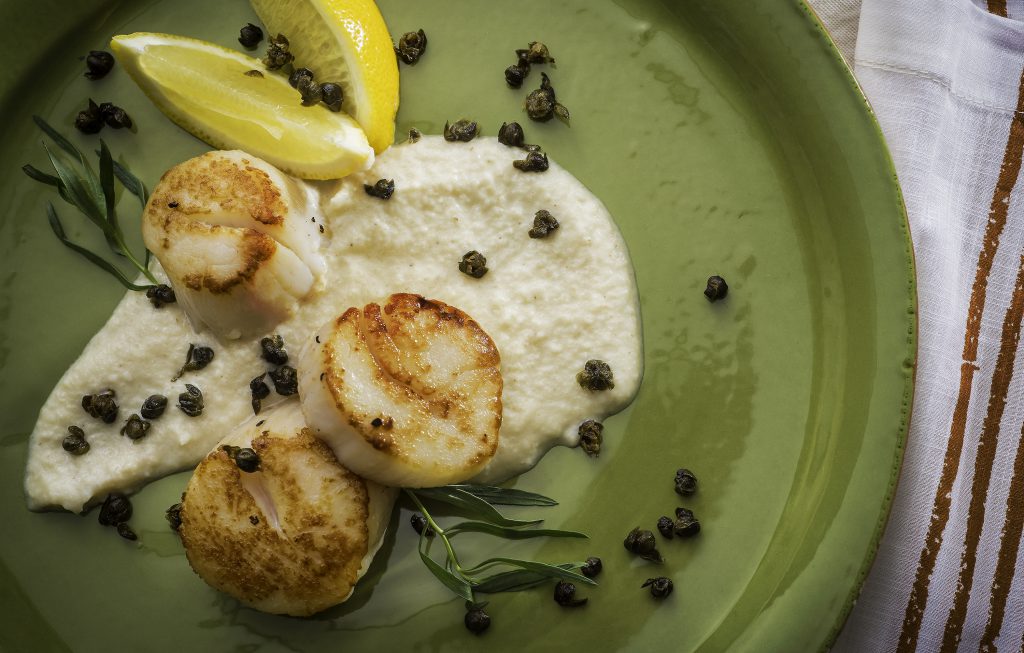
Fancy: I made this for my daughter and it came out well: Pan-Seared Sea Scallops with Cauliflower Purée and Fried Capers – Recipe from FineCooking. Next time I might add a bit of milk or other dairy to make the sauce creamier, but otherwise excellent. (The top image is it.)

Fun: I used to love an Orange Julius when I was a kid, so I will be trying this: Homemade Pineapple Orange Julius from Budget Bytes. I love a good breakfast sandwich, and although I am lazy in the morning I might give this a go: BA’s Best Breakfast Sandwich Recipe | Bon Appétit

Finally: a good pantry meal for busy weeknight is this: Cajun Salmon Burgers Budget Bytes. I might try this soon…it’s simple but perfect (and sorta bistro): Cast-Iron Roast Chicken with Crispy Potatoes Recipe | Bon Appétit. I have made a number of these recipes and they were great. Perfect for winter: 7 Delicious—And Pantry Friendly—Casserole Recipes | Chatelaine. And while I can’t say they make these pork chops in Vietnam, I can say it has flavours you have come to expect from Vietnamese food, and is likely delicious:
Vietnamese Pork Chops Recipe from Alison Roman/Bon Appétit

There was a lot of Alison Roman recipes in this, from the meatballs to the pork chops. But lots more as well, including Chatelaine, which has many great recipes. Let me know if you make any of them!

Smartwatches: more than just the Apple Watch


There was a flurry of smart watches coming on the market a few years ago. But that seemed to have died down. Now after reading this,
Innovative smartwatch designs that are the perfect culmination of form, functionality and style! | Yanko Design, I wonder if there will be a new outbreak of smart watches. Apple’s Watch is great, but it can’t be all things to all people.  To see what others are doing, check out that Yanko Design post. (The braille watch, shown above, is one example of smart watch design that is unique and brilliant.)

In praise of amateurs, young and old

Are you an amateur? Do you sometimes feel you can never accomplish anything doing something you love? Then here’s three good stories on amateurs doing great things you want to read:

  1. High school students discover exoplanets during mentoring program 
  2. Decades-Old Graph Problem Yields to Amateur Mathematician
  3. How older amateur athletes are staying fit through the pandemic

Not all amateurs can accomplish great things, but never let anyone tell you that amateurs are incapable of great things. Because surely they are. Go on, pursue the thing you love. Great things may result.

(Photo by Jamie Street on Unsplash)

Will a $15 minimum wage in the US be a good thing?


If you are wondering if a $15 minimum wage in the US will be a good thing or not, read these two pieces:

  1. Economists reverse claims that $15 Seattle minimum wage hurt workers admit it was largely beneficial
  2. How new research is shaking up the debate about a $15 minimum wage

My belief is it will be a good thing. We may get a chance to see that soon.

(Photo by NeONBRAND on Unsplash)

Everything you wanted to know about the Filibuster


That is an odd title, because while there is much talk in the United States about the Filibuster, they are really only talking about the use of the filibuster in the U.S. Senate. Mind you, because of the composition of that current political body, there will be much more talk about it. If you want to have some context regarding it, read this: The History of the Filibuster

If you just want to know about filibusters in general, read this.

(Photo by Joshua Sukoff on Unsplash)

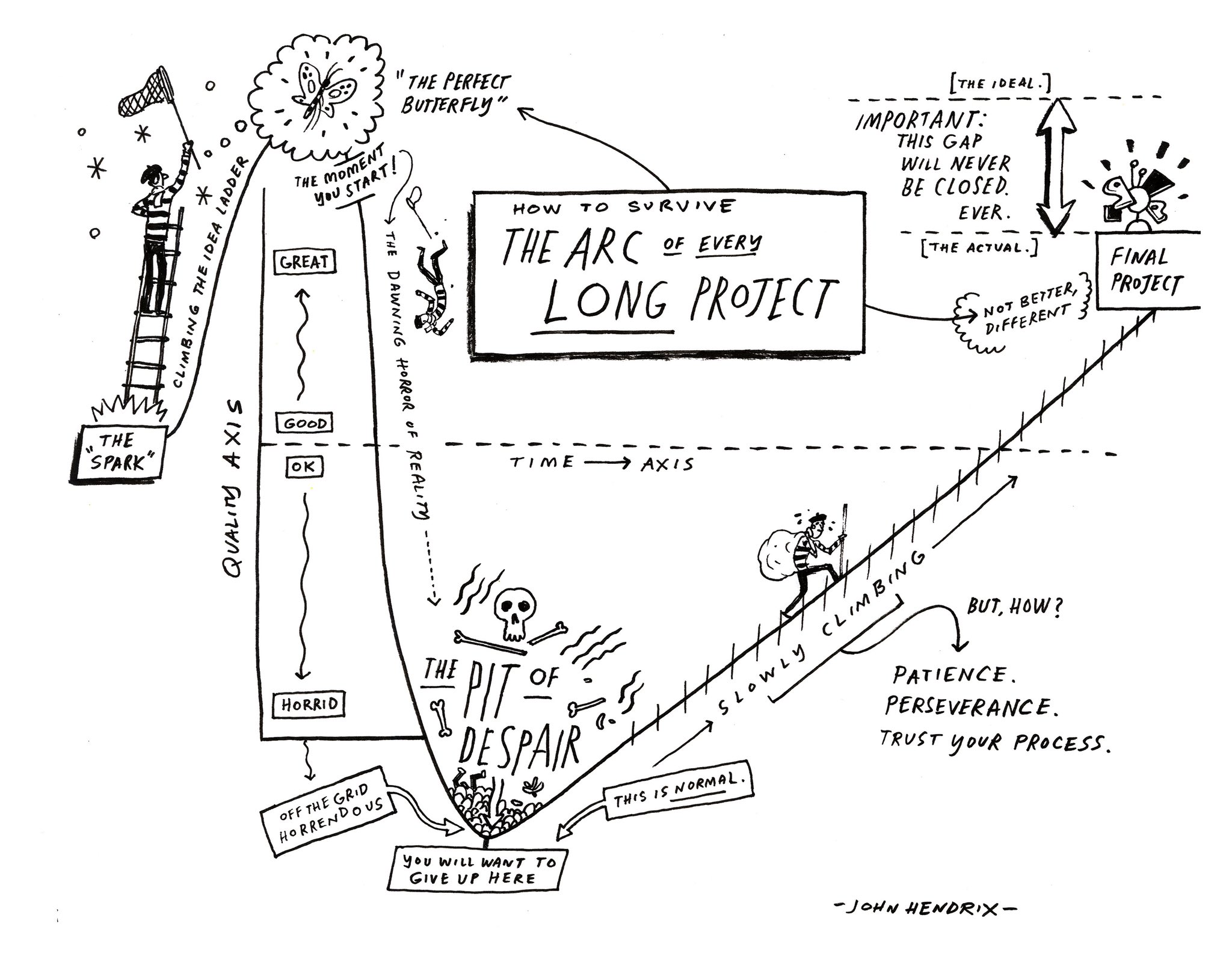
The arc of every long project and what you need to keep it mind


This chart came from John Hendrix.  It is much like the Gartner Hype Cycle but with some key differentiators.

At the beginning of John’s curve you get an idea and as you imagine it more and more, the idea may get better and better.  You get excited about it. By the time you are about to start, you can imagine how great it will turn out. But it is only an idea still.

Then you start the project. As you progress, the idea goes from being Great to Good to Ok to Horrid. At some point you enter The Pit of Despair (or as Gartner calls it, The Trough of Disillusionment). This is the low point of the project. Like John says: a) you want to give up b) this is normal. Think of it as the first draft of something.

How do you get out of the pit? By applying yourself. By sticking to it. Slowly it gets better. It goes from Horrid to Ok to Good. It may even get to Great.  What will happen for sure is that it will Suck Less. (A concept I learned from Austin Kleon.)

When you have finished the project,  you may notice two things. One, it is different than how you imagined it. Two there is still a gap between what you had hoped for or imagined and what you had accomplished. It’s important here to acknowledge that and also acknowledge how far you’ve come and how good it is.

John’s chart is for art projects, but it can be applied to fitness projects, IT projects, home improvement projects….you name it.

Japan: more different than you might think

When I think of Japan, I think of cherry blossoms, Mt. Fuji, busy Tokyo streets, temples, sushi, and a homogenous society with very few outsiders. It turns out the last one is not really true. To see what I mean, read this: How homogeneous is Japan? – Noahpinion.

The author, Noah Smith, has depth when it comes to things Japanese and it shows in that piece. I highly recommend him in general, not just for things about Japan. But if your ideas of Japan haven’t changed in some time, that piece will give your brain a much needed upgrade.

To my daughter on her big birthday

It’s my daughter’s birthday today. It’s been a better quarter century with her in the world and in my world especially.

Fifteen years ago I helped her set up a blog where she could write about her summer: SRM @ 110. Just a few years ago I helped her set up a home page on github: Sophie Reich-Michalik. And twelve years ago I wrote this advice to someone who is (more or less) 25 | Smart People I Know.  Perhaps she can find some value with this too. I give her lots of advice. Some is even taken. 🙂

Happy birthday, Sophie! You’re the best! (I know, she always replies. :))


It’s February. A great month. Here’s why

I used to think February was a terrible month. In Canada it is one of the coldest and darkest parts of the year. By the time you get to this month, you’ve already been slogging through months of winter. The joy of Christmas and the New Year has worn off. February is bleak.

Now I think February is a great month. It’s a good month to make resolutions and challenge yourself. It’s a good month to get things done indoors. And it’s a good month to get ready for spring.

If you have to make resolutions or challenges for yourself, make them in February, not January. The latter has 31 days, the former at worst has 29. So if you are trying to exercise every day for a month or not drink for a month or…whatever….you have less days to get to your accomplishment. You will still have a sense of accomplishment and you will have an easier time accomplishing things.

In the cold northern hemisphere, you are likely spending more time indoors, so do some excellent indoor things. Why not take that time and start a new hobby? Or purge your closet/basement/attic of stuff you always wanted to get rid of? Or lie down and binge watch that show you always have been planning to binge watch? Soon Spring is coming and you will want to get outside. Now is the time to tackle all that.

Once you have done your indoor tasks, plan to do your outdoor activities. If you are going to do gardening in the spring, figure out how to do that in February. If you want to get a bike to do cycling in spring, start researching where to get the best bike before March comes. Whatever you want to do in spring, start thinking and planning for it now before it’s too late.

For more on why February is a great month, see this: February resolutions – Austin Kleon

(Photo by Glen Carrie on Unsplash)

January pandemic highlights and ramblings (a newsletter, in blog form, a month late)

Hey! How has your new year been? Mine has not started great: January was both tough and busy. I kept trying to get to this, but somehow never had the energy or the focus to write it. Now I have found both. Thanks for dropping by and reading this, my latest not-a-newsletter of highlights and ramblings since the last one in December.

Pandemic: we are now in the phase of the pandemic where we are being told in Canada to hurry up and wait concerning the vaccines. It’s been slow to get them, and slow to deliver them. The rate of progress has been discouraging. To make it worse, more variants of the COVID-19 virus have appeared, variants that spread more rapidly. I feel like someone on the Titanic waiting for my turn on a lifeboat while the ship takes on more water. And I am lucky to be able to stay at home and stay healthy. Meanwhile doctors are hospitals are overwhelmed and hanging on. Barely.

Vox took time to try and figure out why Covid-19 beat social distancing, lockdowns, and “flatten the curve”. Reading that could give you some consolation.

Of course, everyone had their monocausal explanations for why we are still struggling with the pandemic. The premier of Ontario brought in another lockdown because he said people are traveling too much. That’s one explanation, but not the only one.

In the early part of the pandemic I felt governments were strong on taking actions. They were like sprinters at the start of a marathon. Then things petered out. For example, the Federal government funded a Toronto COVID-19 isolation hotel. They pumped big money into the economy. Provinces like Ontario provided pandemic pay for frontline workers fighting COVID-19. But I never felt like they tried as hard recently as they did initially.

That’s not to say it is easy and they aren’t trying. This piece explains why
it’s so hard to ramp up Ontario’s COVID-19 testing. Yet it still seems like things are half hearted these days.

It’s not all grim, though much is. We have adopted. Sweatpants for instance :). And we are trying to maintain some form of work-life balance, but as my head boss says,  achieving healthy work-life balance in a hybrid work environment ‘remains to be seen’. Some of us are making unique friends (Riding Out Quarantine With a Chatbot Friend: ‘I Feel Very Connected’).  Some people tried to get out of their old pandemic habits and live better by taking on a Dry January. Others have taken up unusual self help books, such as this: A working from home manual in disguise.

I believe by the end of 2021 we will have put this pandemic behind us. Perhaps we will see a Roaring Twenties to match those of a century ago. Let’s hope, and for those who pray, let’s pray. Most importantly, let’s get vaccinated. If you want to know more about vaccines  in Canada, go here. More on that here.

Last word on this subject. If you want to know how others are getting through the pandemic, this is good: The Pandemic Logs in The New York Times.

The US: finally, after much nonsense, the worst president the United States ever had left the White House. What a long terrible four years it has been for America and the world with him nominally in charge. Whatever else the new president does, the fact that he is at least competent and not corrupt will be good for that country. I am hopeful for America, and my American friends, and I am looking forward to things getting better for them in the years to come.

Restaurants: I was drawn to this piece that Bon Appetit did some time ago on the best restaurants in Toronto . I wonder how many will still be around when all this is over. Some of them have taken to becoming takeout places, like this Michelin-starred restaurant, but many have not. Even for those that did, it might not be enough to get through to the other side of the pandemic.

Gamestop: It has a bizarre time in the world of finance as several forces came together to drive stocks like Gamestock into the stratosphere, only to crash down again. In some ways, it was a bit of a mystery to me. Just when I thought I understood the story, so me new fact would come along. There was a number of good pieces on it. This one, for example: The GameStop Reckoning Was a Long Time Coming

Jeff Bezos and Amazon:  Jeff Bezos has left Amazon. No doubt he was not looking forward to more grilling from the government into his monopolistic practices. I don’t have much to say about him, other than he did  not seem to be a person you want to work for. Here’s hoping Amazon becomes a better place with the new CEO. Meanwhile here’s some markers on the man who ran that company. Like Larry Ellison and unlike Steve Jobs, I doubt he will be missed:

Quantity over quality : there is a great book called Art and Fear which gives lessons on making art. One of my favorite parts of it has to do with how a ceramics class was split into two: one group were given the task of making many vases (quantity) and another group of making one vase (quality). The first group would pit their best vase against the second group. In the story, the first group wins. The lesson: quantity beats quality. I love that story.

Sadly, the story isn’t entirely true. The details on that are here: The Credibility Is in the Details.

Recent blog highlights: here are some things I blogged about in January that I thought were worth reading:

Finally: here is an interactive web site where you can be a cat playing the bongos. Worthwhile! 🙂

And don’t forget…

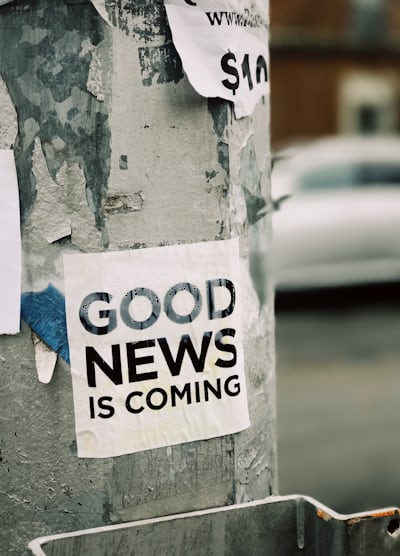
Good news is coming. Meanwhile, thanks as always for taking the time to read this newsletter, and other things on this blog. I appreciate it.


A good American list of wines that Canadians can use

Most of the time, I find that wine recommendations for Americans are useless for Canadians to adopt, because most of the wines recommended are not available in Canada. This list of wine recommendations is different:  50 Affordable Wines You Can Always Trust | Food & Wine.

A majority of the wines are available, at least in Ontario. And needless to say, the wines are good. If you are looking for some new wine ideas, check the list.


The problems with supertall towers

I am not a fan of supertall towers. They are bland looking, and they add little to a skyline. Therefore I was glad to see this week that they are being exposed for being problematic. First up was this piece in the New York Times on how one of them has been having lots of problems:  The Downside to Life in a Supertall Tower: Leaks, Creaks, Breaks.  Then there was a more general critique of them here:  Why Pencil Towers are Problematic.

It seems to me that there are some problems with the buildings that not even super-engineering can fix. Perhaps this means that this is the beginning of the end of supertall buildings. I can hope.

(Image link to NYtimes.com)

The pandemic isn’t over and neither is working from home. Why are you working like before times?


Until recently, I was working like I always did: get up, get coffee, start work around 9 and finish work around 5 while sitting in the same place for the whole time. Then I read this:Working From Bed Is Actually Great – The New York Times.

After reading it, I thought: why am I working like I used to? Why not take advantage of being at home to work better? For example, last week I was working on a hard problem and I was sitting at my desk and getting nowhere. I decided to go out for a walk. After about 20 minutes of walking the solution came to me. I went home and wrote it up!

Likewise I have weights next to my desk now. When I get stuck I get up an do a microworkout. Other times I will take a break and do a drawing. Or stretch. Anything to get my brain going.

Consider shaking up your own work routine. I know for some people, that’s impossible. End of story. But if it is not impossible, try doing what I did. Or work from a different part of the house. Even the bed.

We are going to be working from home for some time. Let’s make the most of it.

(Photo by Avi Richards on Unsplash)


What do Bernie Sanders, billionaires, global warming and you have in common?


What Bernie Sanders, billionaires, global warming and you all have in common is this: you are all mentioned in one or more of these articles I found on economics. All good pieces.

  1. Sanders & Socialism: Debate Between Nobel Laureate Paul Krugman & Socialist Economist Richard Wolff | Democracy Now!
  2. Free exchange – Why Americans and Britons work such long hours | Finance & economics | The Economist
  3. Billionaires should be taxed out of existence, says Thomas Piketty
  4. The technological and economic prospects for CO 2 utilization and removal | Nature
  5. Daily chart – How much would giving up meat help the environment? | Graphic detail | The Economist
  6. The Flaws a Nobel Prize-Winning Economist Wants You to Know About Yourself
  7. Frederick Douglass Railed Against Economic Inequality

(Photo by rupixen.com on Unsplash)

Muji, but for houses


Now wait, you say, Muji makes things for homes. Well, yes m they do, but they also make homes. To see what I mean, see these links:

If you love Muji, you’ll love these links. How practical any of them would be in a Canadian winter, I don’t know, but they are inspiring in their own way.

Image is of the prefab hut.

If you need some inexpensive wall art to freshen up your place, here are 27 ideas

I have to say, having seen the rooms people work out of, you people really need some wall hangings. Seriously, those walls are dull! 🙂

Things are not hopeless, though. You can have nice and inexpensive things to freshen up those walls if you go here:

27 Inexpensive Posters You’ll Actually Want To Hang On Your Wall

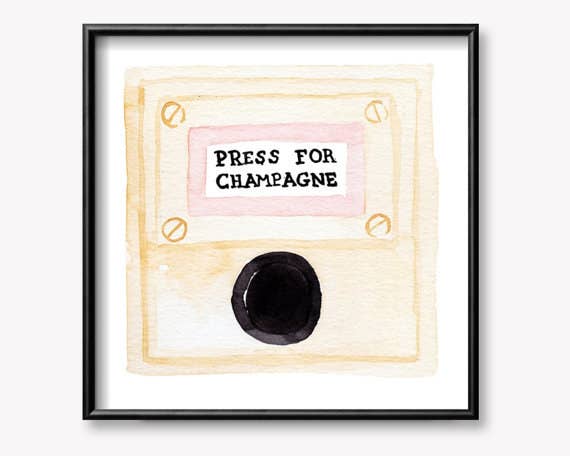
There’s something there to appeal to everyone. For example, I like this:

It doesn’t work, but it is far classier than the button Trump had on his desk the resulted in a diet Coke for him whenever someone pressed it.

Will interest in the topic of fascism fade in the US?


Looking at this Google Trends line, there were two peak periods when there was a strong interest in fascism in the US: at the beginning of Trump’s term and towards the end. While those were peaks, there was much talk about fascism through his period in office. As he fades away (rots in jail?), I expect that interest to die off now the US has a new president. Let’s hope.

Meanwhile, the more and more I became convinced of the fascist behavior of the Trump administration, the more I started to read about it. Two links I found interesting were these:

  1. What 1930s political ideologies can teach us about the 2020s | Aeon Essays
  2. The Best Books on Fascism | Five Books Expert Recommendations

If you are interesting / worried about the rise of neo-fascism, I recommend those links.

(Image is one of the best books on fascism).

The worst ever president of the United States of America (revised) is…

No longer this guy:

Three years ago I argued Buchanan was the worst president, here:
The worst ever president of the United States of America is… | Smart People I Know

But a lot has happened in three years, and I now agree with Tim Naftali who argues that: Trump Is the Worst President in History – The Atlantic.

He makes a strong case. Not only that, but we haven’t even begin to know all the bad things Trump has done.

There have been many bad presidents, from Harding to Johnson to Nixon. But Trump takes the “prize” for being the worst.

On the new Raspberry Pi products: the 400 and the Pico

Years ago I worried if  the future for Raspberry Pi would dim. I am happy to say I worried for nothing. The good folks at Raspberry Pi continue to stride boldly into the future with new and better products. Case in point: the Pi 400 and the Pi Pico.

The 400 has been out for a short time, but it is still fairly new. If you are wondering if it could be effective for everyday use,  read this: Raspberry Pi 400 for working and learning at home – Raspberry Pi. I am seriously thinking of getting one for some basic day to day computing.

As the Pi Pico, it is brand new! If you are a fan of the Pi for IoT work, the Pico could be the device you want. To see what I mean, read this: Meet Raspberry Silicon: Raspberry Pi Pico now on sale at $4 – Raspberry Pi. I have order four! I can’t wait to try it out.

The future looks bright for Raspberry Pi.

It’s Monday! First up: dealing with your procrastination

Let’s face it: Monday is a good day to deal with tasks you’ve been putting off. So you write them down, say: this week I will deal with these! And then….you don’t.

It’s ok. Procrastination is a complex thing. If you don’t believe me, read this:
‘Why Do I Spend Weeks Avoiding Tasks That Will Take Me 10 Minutes to Do?’

So much of our culture rewards us for meeting deadlines, so we are encouraged to do things at the last minute. That can encourage our use of procrastination. Likewise, many of us do not acknowledge we have ebbs and flows of energy as well as ebbs and flow of mood. If we were to acknowledge that, we would schedule tasks when we know we have energy and in a good mood.

Read the article and pick out the things that contribute to your putting things off (e.g. mood). Then schedule and do those things that have been on your todo list for so so long.

Good luck!

(Photo by Brett Jordan on Unsplash)

On restaurants loved and lost: the Boulevard Cafe

On Harbord Street in the 1980s I fell in love with the Boulevard Cafe. My life was just starting, and my girlfriend and I were living just up the street from it, on Brunswick Avenue. We would stroll down and line up with the other people in the area for the wonderful Peruvian style food they had there.

It was the first time I learned to love fish. I come from Nova Scotia, but the fish was prepared terribly when I was growing up. Plus fish was associated with poor people food, unlike all the packaged food I wanted. I hated it.

Or I did until I had the Boulevard’s sea bass. (Sea bass was big in the 80s.) They would gently cook it and serve it with a perfect combo of delicious salad and fragrant rice.  I was instantly transformed into a fish lover after that first meal. Many a fish meal I had after that, and all were great.

And their soups. Their soups were incredible. I once had a garlic soup there that was so good that I still recall it decades later. It was simple, and yet I have often had garlic soup elsewhere and it never compared. They had many great dishes there, but the soup and the fish kept me coming back.

When we first started going, it was popular but not too busy. There was seating on both floors, and half of the upstairs was just a seating area where you could sip your drink and enjoy their  fireplace. I remember one night we were sitting there next to the fire, looking out over Harbord Street as a nice snowfall floated down covering everything. I could have stayed all night.

Later on the word got out and it got busier. The lovely seating area was replaced with more tables. The patio area in the summer was jammed with everyone enjoying the wonderful flavours that came out of the small kitchen in the back.

I was shocked to be riding my bicycle across Harbord Street a few summers ago and seeing it all closed up. It was then I took those photos. It was so good, I thought it would last forever. I stood there for quite awhile and remembered all the wonderful times of my youth sitting outside under the awning and living the good life with great friends and great food. I am lucky to have had such a time.

(In the top photo you can see the chimney where the fireplace was. In the bottom photo you can see the main doors that led to the dining room on the lower floor. The bulletin board would list all the specials. There would be tables put in front of the benches, and you either sat on the benches or chairs opposite. In the evening the lights would come on and it would seem magical.)

P.S. Over at Zomato there is still a copy of the menu and some other photos.


The last works of seven famous artists

This is interesting and something I’d like to see more of: the final works of famous artists. At Artnet.com they have at least seven of them: the Poetic, Heartbreaking Final Paintings of 7 Famous Artists, From Salvador Dalí to Marcel Duchamp.(They kinda gush a bit in that title. :))

Here is the last one from Dali:

That is interesting in itself. (Dali is always interesting.) But what makes it more interesting to me, as someone interested in the form of mathematics known as catastrophe theory, was that Dali was interested in and and inspired by it too. As artnet explaiins:

During the last years of his life, Dalí became obsessed with the mathematical catastrophe theory developed by French mathematician René Thom, who suggested that there are seven “elementary catastrophes” that occur: fold, cusp, swallowtail, butterfly, hyperbolic umbilic, elliptic umbilic, and parabolic umbilic. This painting, with its generous curves and sharp edges, mimics these catastrophic events in black lines painted atop what appears to be a crinkled white sheet of paper. The organic curves of a cello appear to one side along with, perhaps as a reference to his own famous facial feature, a handlebar mustache…

Fascinating.

Not your parent’s sofa

If you have ever shopped for a sofa, you can quickly start thinking that there is not much to choose from. If you think that, I want you to check out this: Sofa designs so good, they’re impossible to resist: Part 3 | Yanko Design.

For example, you have this burgundy beauty here:

As well as some that aren’t quite as out there, like this:

You might never want to approach any of them, let alone buy one, but after you are done looking at them, you will have to admit there is more than one way to design a sofa.

On friendship, it’s importance and limits

 I have been thinking a lot about friendships over the pandemic. I have wondered how many friendships will dissolve due to the distance imposed on us by this disease. I have wondered how many will strengthen afterwards when we have a chance to reunite. This crazy time has distorted our lives in so many ways, and our friendships will be one of those things that gets distorted.


If I have you thinking about friendship now, here’s more food for thought:

  1. The People Who Prioritize a Friendship Over Romance – The Atlantic
  2. Why You Need a Network of Low-Stakes, Casual Friendships – The New York Times
  3. The Limits of Friendship | The New Yorker

The pandemic will be over. When that happens, make sure you value the people who were your friends during this difficult time. Best friends are best. But go out and make more friends, too.

(Photo by Kimson Doan on Unsplash)

On Frank Gehry’s latest proposed building for Toronto

Starchitect Frank Gehry is proposing a new set of towers for Toronto, and BlogTo has the latest on it here: Frank Gehry towers in Toronto updated again and people say they look like cheese graters.

I like it. I like the lack of smoothness to it, a quality so many basic buildings have in the downtown core (though there are many good ones, too).  I like how it looks like towers of blocks slightly askew. I also like it has many units: we need more places for people to live in Toronto.

I do wonder, though, if the final version will look anything like that. Or even if it gets built at all. I vaguely recall that Gehry’s designs for his version of the AGO were scaled back due to lack of money. And the ROM designs of another starchitect, Daniel Libeskind, went through transformations as well, though I believe for different reasons It would be good to have more Gehry in Toronto. If we get it and what it will finally look like remains to be seen. It may not looks like a cheese grater at all by the time it appears on King Street.

Do you love minimalism? Do you hate minimalism? Either way, I have links :)

If you love minimalism, you will love these two links:

  1. A Minimalist Home in Japan Utilizes a Tent Structure With Open Air Sides | Colossa
  2. A zen minimalist cabin that brings nature in and takes distractions out | Yanko Design

They contain images of beautiful buildings in a Japanese minimal style that I love. (The image above is just one of many that will have to fantasizing about visiting them if you love this style too).  Well worth taking a look.

If you hate minimalism, then you won’t leave empty handed if you check this out: The empty promises of Marie Kondo and the craze for minimalism | Life and style | The Guardian

For some reason the Guardian has no problem finding authors to complain about minimalism. Oh well. To each their own.

Some poems of hope and resilience


If you need some hope and inspiration and find your typical Internet material isn’t cutting it, perhaps you need something better. If so, visit this site: Poems of Hope and Resilience | Poetry Foundation. 

There’s many good poems there that might help. As they say:

How can we find hope amid uncertainty, conflict, or loss? When we feel we have lost hope, we may find inspiration in the words and deeds of others. In this selection of poems, hope takes many forms: an open road, an unturned page, a map to another world, an ark, an infant, a long-lost glove that returns to its owner. Using metaphors for hope seems appropriate, as the concept of hope is difficult to describe. It is deeper than simple optimism, and more mysterious, delicate, and elusive. It is a feeling we must develop and cultivate, but like faith, it is also a state with which we are graced. Hope can foster determination and grit—the ability to bounce back and to remain determined despite failures and setbacks—when we make daily efforts to change and improve what we can control. These poems speak to the importance of hope and resilience.

Photo by Ron Smith on Unsplash

On the paths you get to choose in life


There are two sets of paths you take in life: those you choose, and those chosen for you. We comfort ourselves by thinking we have many opportunities to choose the right path, but often the right path is taken away from us, either directly by others, or indirectly through our circumstances. We also comfort ourselves by thinking we can influence others to take the right path by pointing out what is obviously the right way to go. Then we are surprised and saddened when they chose the wrong path.

All of that is a way of introducing these two articles on Terry Naugle. The first one is about him being sentenced to 15 years in jail at the age of 62. The next one is about him dying in prison a year later.

I don’t have anything more to add to this man’s life and death. It seems from a The paths available to him from a very early ages were the wrong ones. Later on he could have chose better paths, but it seems he could not make it over to them. His story made me think about how a good life can move away from us given the paths before us.

(Photo by Tim Umphreys on Unsplash)

Things to look forward to in 2021: growing a small garden


It’s important to have things to look forward to in difficult times. Planting a garden when the weather gets warmer can be one of those things.

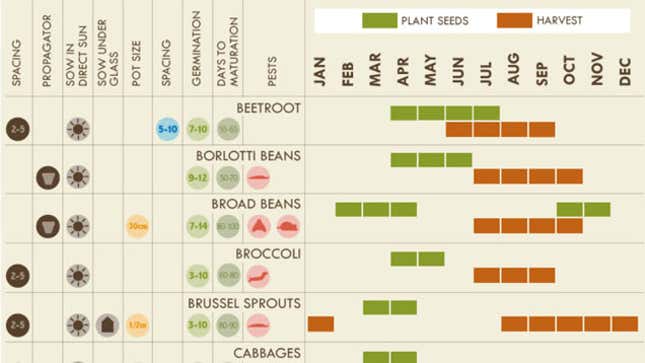
If that appeals to you, you want to check this out and perhaps print it out: Everything You Need to Know About Vegetable Gardening in One Graphic. It’s a fine infographic and article outlining what you need to know about growing a plot or patio vegetable garden, including important info like when to plant (some in February!) and when to harvest. (You can see this in the snippet of the infographic is above).

You have to admit it is pleasing to think of going to your patio or plot and pulling up some nice greens to make a fresh salad. To turn that winter dream into a summer reality, check out the article linked to above.

On Jacobin magazine – a marker

Occasionally I like to capture and post markers on things in this blog as a reminder for myself. I have this one on Peter Thiel. This post is on a tweet from a Jacobin magazine author that captures what I think of that publication.

It’s a good reminder of me that some people further to the left of the political spectrum will always focus their attacks not on the right but those in the center and not quite as left wing as them.

On restaurants loved and lost

The pandemic has been hard on people and hard on businesses. One type of business it has been especially hard on is the restaurant business. So many has closed that it is hard to recall them all. Partially to remedy this, the Times did a piece on them: Remembering the Restaurants America Lost in 2020 – The New York Times

If you read it, you will likely see some you loved. One I always wanted to go to but never got to and now never will was Lucky Strike. Here’s how Julia Moskin recalled it:

Lucky Strike was for us. That’s how it felt in the early 1990s, when I lived in downtown Manhattan and my restaurant priorities were cheap red wine, good lighting and a potent steak au poivre. Lucky Strike was Keith McNally’s first restaurant of his own, and a looser, more fun sibling of the polished, magnetic Odeon in TriBeCa, which he had opened with partners in 1980.

At the time, Lucky Strike’s location was most accurately described not as “in SoHo,” but “near the mouth of the Holland Tunnel,” and its strip of Grand Street was desolate at night. The warmth and noise that it spilled onto the street made it a beacon for locals. We liked that the food was never quite good enough to draw a crowd. We liked that the rough floors and wine tumblers repelled the people who came looking for lychee martinis and tuna tartare. Mr. McNally went on to open bigger, glossier joints that are still with us — like Balthazar, Minetta Tavern and Pastis — and has closed almost as many, but Lucky Strike was the only one that was a neighborhood restaurant, and the only one I’ll mourn.

I was going to NYC a fair bit in the 80s and 90s, and I remember the buzz around Lucky Strike. I thought: that’s my kinda place. That’s the kind of place I want to hit when I get to Manhattan. But while I went to New York a fair bit, the times there were always short, and I never made it.

There are many great restaurants  I have gone to in my lifetime. Some like Lucky Strike were killed off in the pandemic, some closed long before that. Some of them are still on some form of life support, hoping to make it through to the bright side of this dreadful era. I want to write about those places before I forget them, for my own sake if nothing else. Although perhaps you will have the same thoughts reading them that I had when reading about Lucky Strike. If so, that will be good too.

Restaurant reside in the best parts of my better memories. It’s a good time to recall them, write about them here, and group them with the tag #restoslovedandlost

(Images from the New York Times article)

The worst technology failures of 2020, including one not considered a failure but could be the worst of all

This piece (Worst technology failures of 2020) by MIT Technology Review has a list of the bigger technology failures of 2020. Some of them, like Quibi and facial recognition abuses, are well known.

One listed here may be the greatest technology failure of them all, though for many it is not considered a failure at all. That is the unregulated pollution of space with tiny satellites. As the article states:

Since prehistory, humankind has looked upwards for awe and inspiration, to imagine what forces created the world—and which might end it. But now, that cosmic view is being contaminated with the reflections of thousands of inexpensive commercial satellites put aloft by companies like Amazon, OneWeb, and SpaceX, who want to cover the Earth with internet connections. Sixty satellites can swarm out of a single rocket.

To see what I mean, check out this picture from the article:

Telescope views from earth are being marred with the light of all these satellites. This is today’s problem. Tomorrow’s problem is going to be all the other pollution, light or otherwise, which is going to result from the rush to put things in space. Science is getting wrecked by this.

Already astronomers are thinking of putting telescopes on the dark side of the moon to escape such problems. But without regulation, who knows if even this will be successful? To hear Elon Musk yammer on, he’s just going to be throwing who knows what into space. He’s already launched one of his stupid cars into the atmosphere. Hardly the guy you can trust to be responsible when it comes to deciding what should go into space.

Here’s hoping that in the rush to do more and more space development (a good thing)  there is also an effort to make sure it is well thought and regulated (also a good thing).